Battery recycling is both an environmental imperative and a business opportunity. Lead-acid batteries have the highest recycling rate of any consumer product — over 99%. This guide covers recycling processes, regulations, and environmental responsibility in solar battery storage.
KEY STATISTICS
Lead-Acid: The Champion of Recycling
The lead-acid battery recycling loop is one of the most successful closed-loop recycling systems in any industry. In the United States, over 99% of lead-acid batteries are collected and recycled — the highest rate of any consumer product. The collected lead is smelted and refined to produce new battery plates.
Solar Battery End-of-Life Planning
- Design for longevity: OPzV batteries last 10–15 years in solar applications, reducing waste frequency
- Monitor capacity: Replace batteries when capacity drops below 60–70% of rated — do not wait for complete failure
- Use a certified recycler: In most countries, battery retailers are legally obligated to accept old batteries for recycling
- Track serial numbers: For large commercial banks, maintain records of install dates to plan replacement cycles
- Consider repurposing: Old solar batteries with 40–60% capacity remaining can be repurposed for less demanding applications (emergency lighting, standby power)
Need a Reliable Battery Supplier?
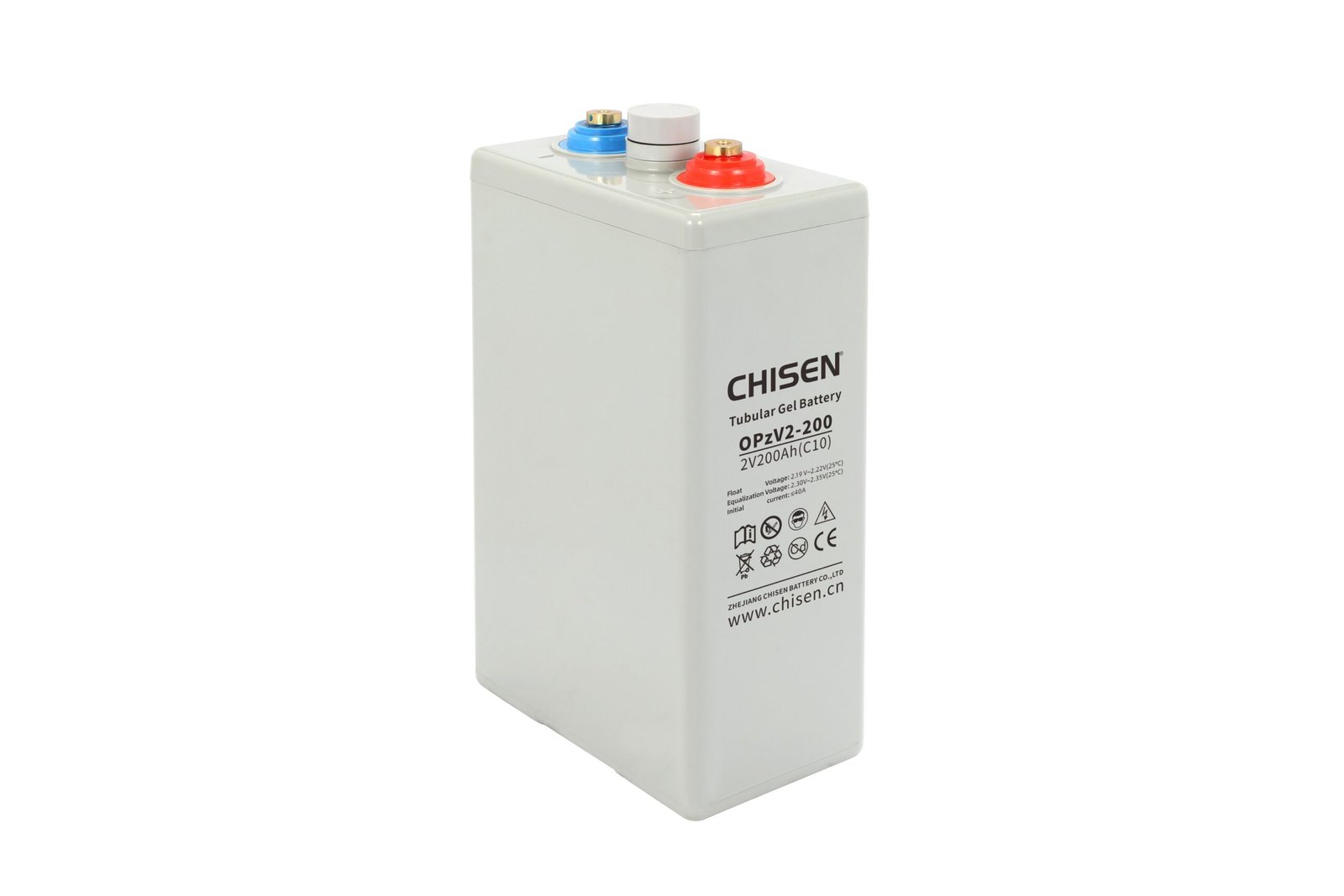
CHISEN Battery — 8 global factories, 70M kVAh/year. OPzV tubular GEL, AGM VRLA, front terminal batteries. Trusted by distributors in 60+ countries.
| Factory | 8 global factories |
| Capacity | 70 million kVAh/year |
| Tel | +86 131 2666 8999 |
| jack@chisen.cn | |
| Web | www.chisen.cn |
