Lead acid Battery

  • agm gel lead acid battery comparison 8

    What Shortens Your Electric Scooter Battery Life – And How to Avoid It

    What Shortens Your Electric Scooter Battery Life – And How to Avoid It

    Most electric scooter owners don’t think about their battery until something goes wrong. Then comes the telltale sign — a scooter that barely makes it 5 km when it used to do 15, or a charger that seems to run forever without ever quite reaching full. By that point, irreversible damage has usually already been done. The good news is that every major cause of premature electric scooter battery failure is entirely preventable, once you know what to watch for.

    Lead-acid batteries, the most common type powering budget and mid-range electric scooters, are rugged but unforgiving. They tolerate abuse for a while, masking the damage until the capacity cliff arrives suddenly. This article covers eight specific factors that kill electric scooter battery life early — with the exact mechanisms involved and the numbers that show why they matter.

    Over-Discharge: The Most Common Electric Scooter Battery Killer

    Over-discharging a lead-acid battery below 20% state of charge (SoC) triggers rapid sulfation — the formation of hard lead sulfate crystals on the battery’s negative plates. Sulfation is the primary degradation mechanism in lead-acid batteries, and it accelerates dramatically when the battery sits at low SoC. At 0% SoC (a completely dead battery), sulfation can begin within 24–48 hours. At 20% SoC, the process is slower but still significant — measurable capacity loss can occur within 1–2 weeks of continuous low-charge storage.

    The practical threshold: never let your electric scooter battery sit below 20% SoC. If you’ve accidentally run the battery completely flat, charge it immediately — within hours, not days. Every day of neglect at 0% SoC permanently destroys some of the battery’s capacity. A battery that has been deeply discharged and left uncharged for a week may have lost 20–30% of its rated capacity permanently, even if it appears to take a charge later.

    For riders who regularly push their scooter’s range to the limit, this is the single most impactful habit change. Carrying a portable charger or planning routes with charging stops can prevent the range anxiety that leads to habitual over-discharge.

    Overcharging: When Too Much Charge Becomes Battery Damage

    Overcharging a lead-acid battery is just as damaging as over-discharge, though through a different mechanism. When a lead-acid battery is held at float charge voltage above 13.8V for extended periods, the electrolyte begins to break down, releasing hydrogen and oxygen gases (in sealed AGM batteries, these recombine internally). More critically, overcharging accelerates grid corrosion on the positive plates — the structural lead framework that holds the active material.

    Grid corrosion is particularly insidious because it is irreversible and cumulative. Unlike sulfation, which can sometimes be partially reversed with a controlled equalization charge, corroded grid metal cannot be restored. Each episode of overcharging — even mild, chronic overcharging from leaving the scooter on the charger overnight every night — eats into the battery’s design life. A battery subjected to regular overcharging at 15V instead of the correct 14.4V absorption voltage may lose 30–50% of its expected lifespan.

    The fix is simple: use the charger that came with your scooter or one with identical specifications. Never use a charger with a higher voltage output than your battery’s rated voltage. And set a timer if your charger lacks an automatic shutoff — 8 to 12 hours is sufficient for most 12V 10–14Ah lead-acid packs.

    Heat: The Silent Accelerant of Electric Scooter Battery Failure

    Temperature above 25°C dramatically accelerates both of the primary degradation mechanisms in lead-acid batteries. For every 10°C increase in operating temperature, the rate of grid corrosion roughly doubles. At 35°C — a common temperature in parked cars, south-facing balconies, or hot garages in summer — a lead-acid battery may lose 40–50% of its design lifespan compared to the same battery at 25°C.

    Heat damage is especially dangerous because it is invisible and cumulative. A battery that has spent three summers baking in a hot garage may appear to function normally, holding a full charge, but its total remaining capacity may have dropped by half. The degradation is not apparent until the battery is placed under load — then the capacity shortfall becomes dramatic.

    Storage location matters enormously. Parking your scooter in direct sunlight when ambient temperatures exceed 30°C creates a microclimate under the seat or in the battery compartment that can easily reach 45–50°C. That’s hostile territory for lead-acid chemistry. Always park in the shade, and if possible, remove the battery for indoor storage in extreme heat.

    Cold Temperatures: Capacity Loss and Charging Hazards

    Cold weather presents a double risk for electric scooter batteries. At 0°C, a fully charged lead-acid battery loses approximately 20–25% of its rated capacity — your 15 km range scooter might suddenly deliver only 11–12 km. At -20°C, the loss can exceed 50%. This is not permanent damage; capacity recovers when the battery warms up. But cold temperatures create a secondary hazard when charging.

    Charging a frozen or near-freezing lead-acid battery can cause permanent damage. The electrolyte’s viscosity changes at low temperatures, leading to uneven current distribution across the plates. In extreme cases, ice crystals forming in the electrolyte can physically damage the internal plates or the battery case. Never charge a lead-acid battery when the ambient or battery temperature is below 0°C. Bring a cold battery indoors and let it warm to at least 10°C before connecting the charger.

    Vibration, Shock, and Physical Stress

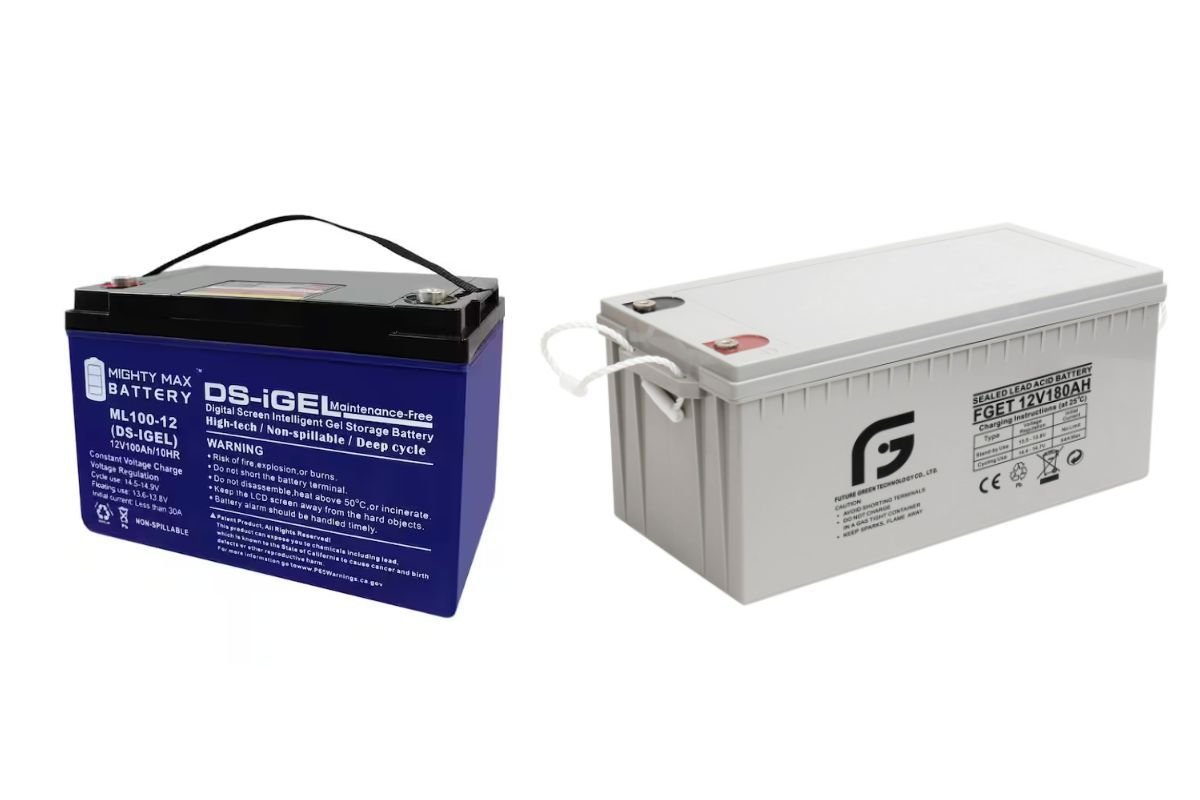
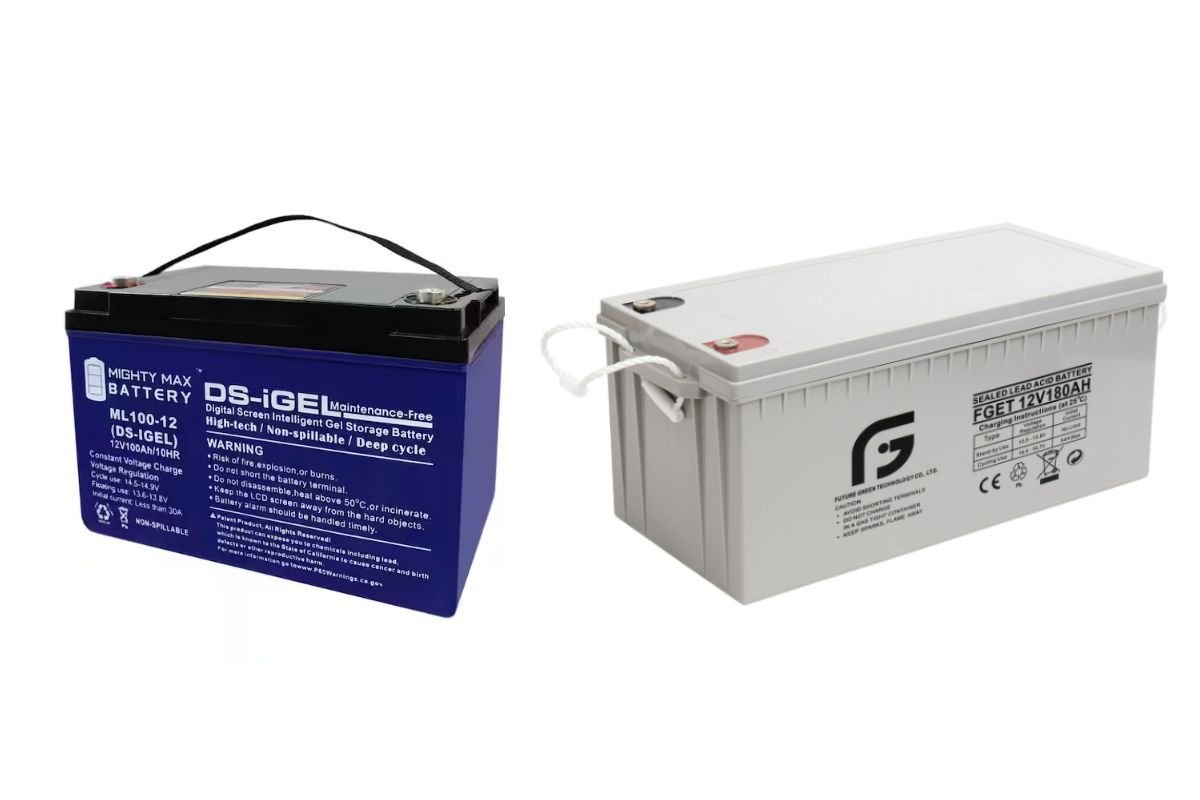
    Lead-acid batteries contain liquid electrolyte between plates inside a case. Physical impact — from riding over rough terrain, dropping the battery, or even sustained high-vibration environments — can cause the internal plates to warp, shed active material prematurely, or short against each other. AGM (absorbed glass mat) batteries are significantly more resistant to vibration damage than flooded lead-acid types because the electrolyte is immobilized in a glass fiber separator.

    For electric scooters used on rough roads or cobblestone streets, an AGM battery provides better vibration resistance. CHISEN’s AGM electric scooter batteries use compressed glass mat separators rated to withstand vibration levels up to 4G rms, making them more durable for real-world riding conditions than standard flooded batteries.

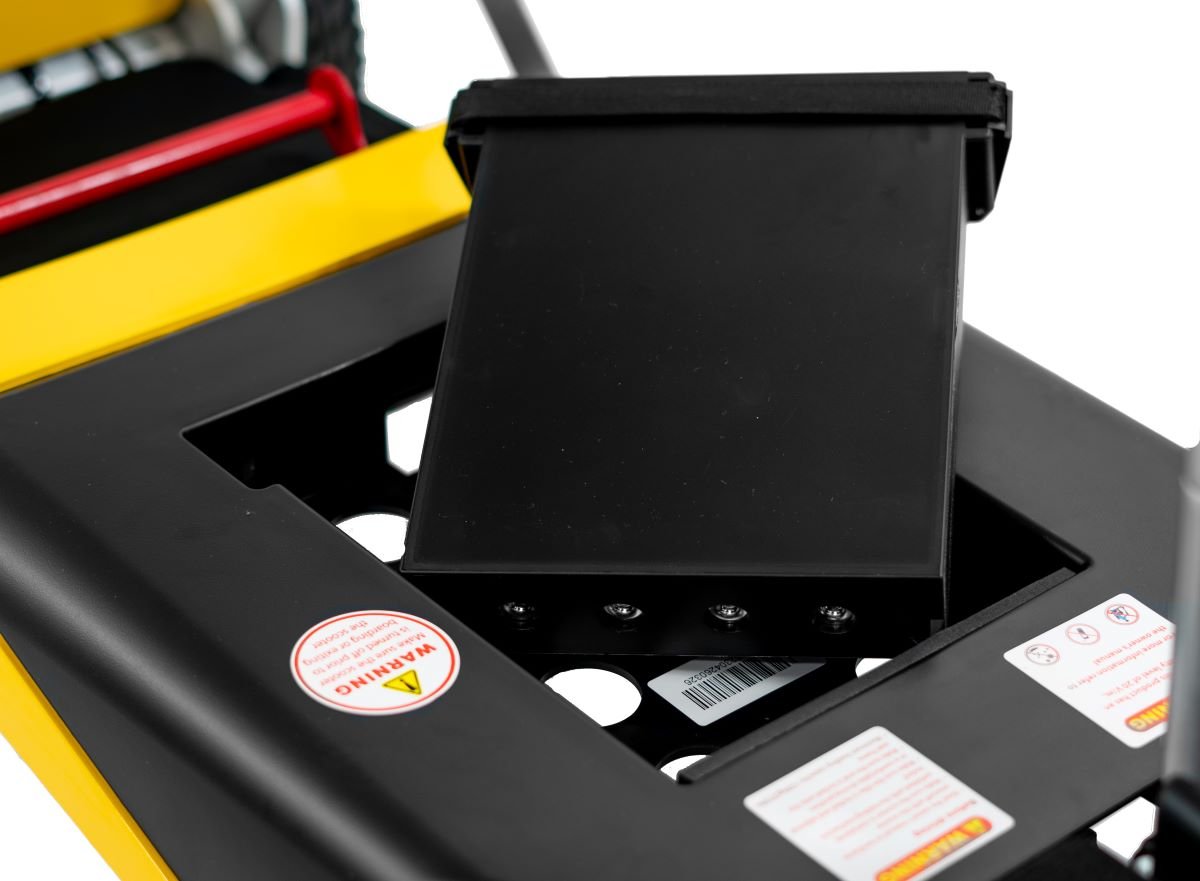
    !agm-gel-lead-acid-battery-comparison.jpg

    Wrong Charger: Voltage Mismatch and Cell Damage

    Using a charger with the wrong voltage or current specifications is a surprisingly common cause of premature battery failure. A charger with too high a voltage will overcharge and damage the battery as described above. A charger with too low a voltage may never fully charge the battery, leading to chronic undercharging and sulfation.

    For 12V lead-acid batteries, the absorption charge voltage should be 14.4–14.7V (2.40–2.45V per cell) at 25°C. Float charge voltage should be 13.5–13.8V. Any charger that regularly exceeds these values will shorten battery life. Always verify your charger’s output specifications match your battery’s requirements.

    Long-Term Storage at Low State of Charge

    If you’re not riding your scooter for more than two weeks, the battery’s state of charge matters critically. A lead-acid battery stored at 50% SoC will lose roughly 3–5% of its charge per month due to self-discharge. This is normal. But a battery stored at 10–20% SoC enters the sulfation danger zone quickly — within 2–4 weeks, measurable sulfation will begin to accumulate.

    Before storing your scooter for more than a few weeks, fully charge the battery. Check it monthly and recharge if it drops below 50% SoC. For seasonal riders (winter storage), a full charge followed by monthly top-up charges is the standard best practice.

    Sulfation: The Cumulative Effect of Neglect

    Sulfation is not a single event — it’s a cumulative process that begins the moment a lead-acid battery’s plates are exposed to discharge. Small sulfate crystals form during discharge and are normally dissolved during charging. But under conditions of low SoC, incomplete charging, or elevated temperature, these crystals grow larger and harder. Over time, they form an insulating layer that prevents the plate from fully participating in the electrochemical reaction.

    Light sulfation can be partially reversed through an equalization charge — a controlled overcharge at 15–16V that drives the sulfate crystals back into solution. However, severe sulfation is permanent. Preventing sulfation is far easier than reversing it: avoid deep discharges, charge promptly after use, and perform a monthly equalization charge if your charger supports it.
  • electric scooter lithium battery pack close up 9

    Electric Scooter Battery Lifespan: 300–500 Cycles Explained for Everyday Riders

    Electric Scooter Battery Lifespan: 300–500 Cycles Explained for Everyday Riders

    If you’ve ever been told your electric scooter battery will last “300 to 500 cycles,” you probably had questions. What exactly counts as a cycle? Does charging it twice from 50% down to 0% equal one cycle or two? And what does this mean in practical terms — how far can I actually ride before replacing the battery? These are exactly the right questions to ask, and the answers are more nuanced than the spec sheet suggests.

    Understanding battery cycles is essential for anyone who wants to budget for battery replacements, maximize their scooter’s resale value, or simply know when to start shopping for a new battery. In this article, we’ll break down what a cycle actually is, how depth of discharge changes the math, and what CHISEN’s factory-quality lead-acid batteries bring to the table.

    What Exactly Is One Battery Cycle — And Why Does It Matter?

    A battery cycle is one complete discharge of the battery’s rated capacity, followed by one complete recharge. But here’s the critical detail most people miss: partial discharges count proportionally. If you use 25% of your battery today and charge it back to 100%, that’s only one-quarter of a cycle. Four such partial discharges in a week add up to one full cycle — not four.

    This matters because lead-acid batteries are extremely sensitive to how deeply they are discharged each cycle. A battery that consistently undergoes 100% depth of discharge (DoD) — running from full to empty every time — will deliver far fewer total cycles than one that is cycled to only 50% DoD. This is why the “300–500 cycles” specification is always given at a specific test DoD, typically 50% or 80%.

    To make this concrete: if you have a 48V 12Ah lead-acid battery pack and you run it from 100% down to 0% every single day, you might get 300–350 usable cycles before capacity drops below 60% of the original rating — effectively end-of-life for most electric scooter applications. But if you instead run it from 100% down to 50% (using only half its capacity per ride) and recharge each night, you could stretch that same battery to 500–700 cycles. That’s roughly double the total energy delivered, simply by managing depth of discharge.

    The DoD Math: Why 50% DoD Cycles Are Worth Twice What You Think

    The relationship between depth of discharge and cycle life is not linear — it’s exponential. Battery research and manufacturer cycle-life curves for sealed lead-acid (SLA) batteries consistently show that halving the DoD roughly doubles the cycle count. At 100% DoD, expect 300–400 cycles. At 80% DoD, 400–500 cycles. At 50% DoD, 600–900 cycles. At 25% DoD, some premium lead-acid batteries can exceed 1,200 cycles.

    What does this mean in practical distance? Let’s use a real example. A 12V 10Ah lead-acid battery (120Wh capacity) powering a scooter that averages 15 km per full charge. At 80% DoD: 300 cycles × 12 km average = 3,600 km total. At 50% DoD: 600 cycles × 7.5 km average = 4,500 km total. The rider using half the battery per trip actually gets 25% more total range from the same battery over its lifetime.

    For commuters who ride the same route daily, this translates directly into years of service. A rider doing 10 km per day (round trip) on a 20 km range scooter recharges when the battery hits 50% — one 50% DoD cycle per day. At 50% DoD cycling, a quality lead-acid battery delivers approximately 600 cycles, which means roughly 1,640 days of commuting — or about 4.5 years of weekday commuting. That same rider running to empty daily might need a new battery in under two years.

    Lead-Acid vs. Lithium: The Honest Comparison for Electric Scooter Battery Cycles

    Lithium-ion batteries typically offer 500–1,000 cycles at 80% DoD, and some premium cells claim 2,000+ cycles at shallow depths. By the raw numbers, lithium seems to win decisively. But there’s more to the story for everyday electric scooter riders.

    Cost is the primary factor. A quality lead-acid battery pack for an electric scooter typically costs $50–$150 depending on voltage and capacity. A comparable lithium replacement can cost $200–$500 or more. For many riders — especially casual users, students, and daily commuters on a budget — lead-acid delivers more cycles per dollar than any other technology. A $100 lead-acid battery delivering 500 cycles at 50% DoD is genuinely excellent value.

    Weight is another consideration. Lead-acid batteries are heavier — a 48V 12Ah lead-acid pack might weigh 15–18 kg, while a lithium equivalent could be 3–5 kg. For portable scooters that need to be carried upstairs, lithium’s advantage is real. But for fixed-route commuters who leave their scooter parked, the weight difference is irrelevant. CHISEN’s lead-acid batteries use optimized grid designs and AGM technology to maximize energy density within the lead-acid format, giving riders the best possible balance of cost, performance, and cycle life.

    How CHISEN’s Factory Quality Translates Into Real-World Cycle Performance

    Not all lead-acid batteries are created equal. The difference between a premium factory-manufactured CHISEN battery and a budget generic equivalent can be 100–200 additional cycles — a full 30–40% longer lifespan. CHISEN’s manufacturing process controls several variables that directly impact cycle life: plate thickness (thicker plates resist corrosion longer), electrolyte specific gravity (precisely calibrated for the application), grid alloy composition (affecting grid corrosion rate), and cell equalization (ensuring all cells age at the same rate).

    Each CHISEN battery undergoes formation charging at the factory — a controlled first charge that conditions the active materials and establishes the battery’s baseline performance. This process, sometimes skipped by lower-cost manufacturers, makes a measurable difference in initial capacity and long-term stability. The result is a battery that not only meets its rated cycle specification but often exceeds it under real-world conditions.

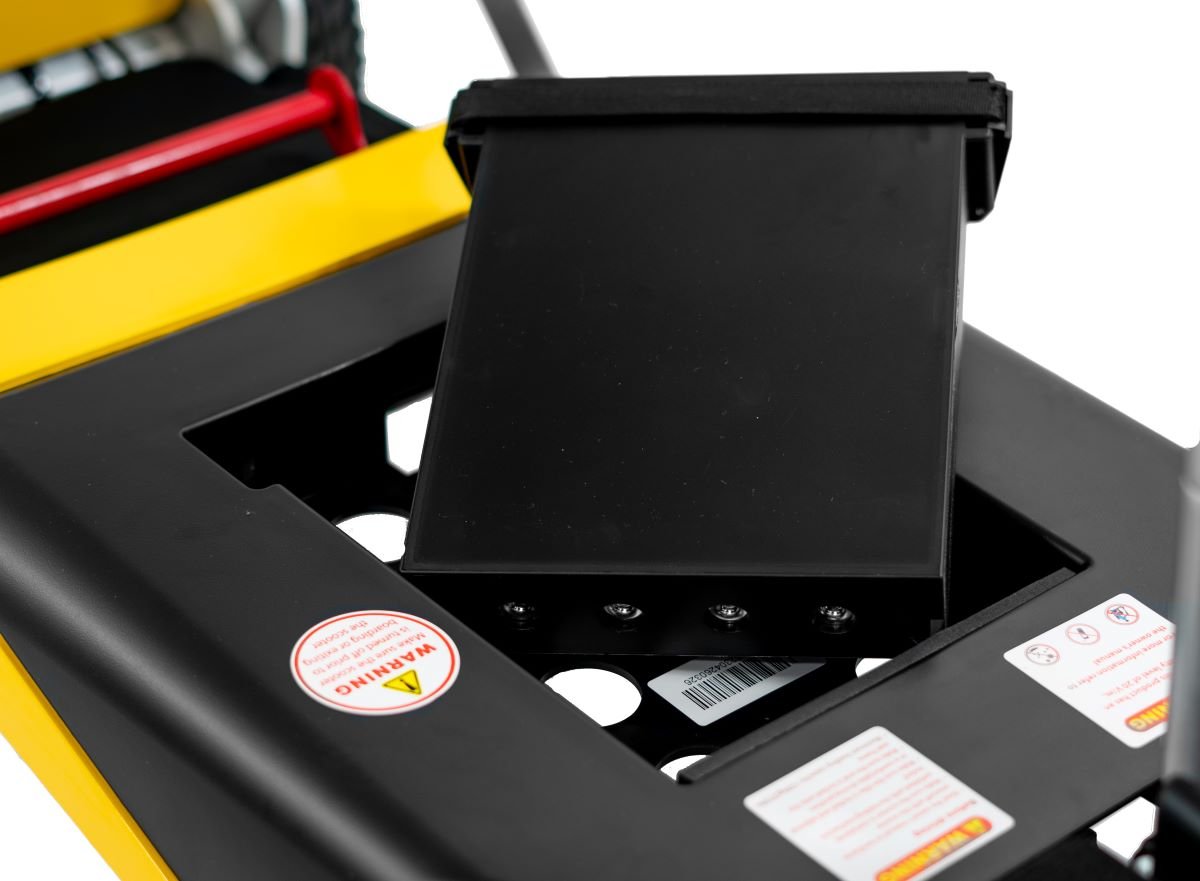
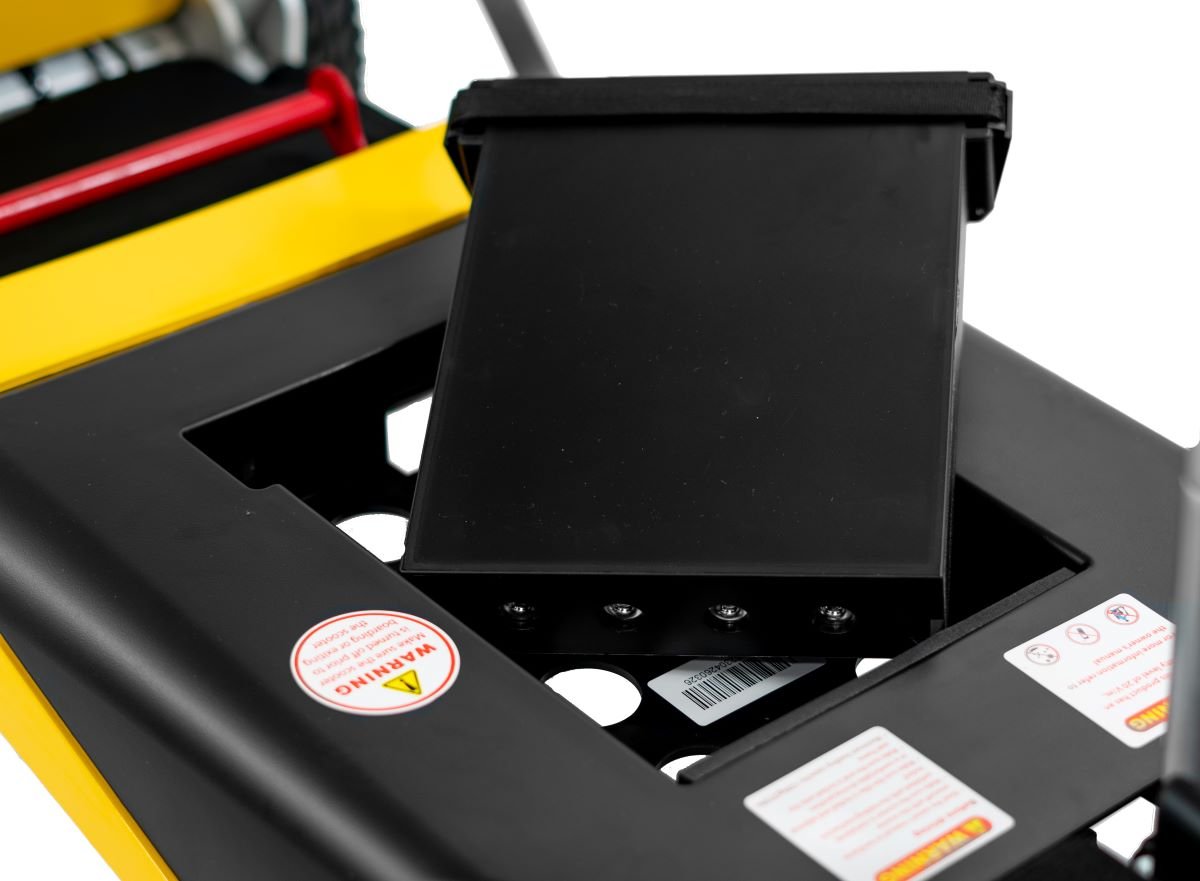
    !electric-scooter-lithium-battery-pack-close-up.jpg

    Putting It All Together: Planning Your Electric Scooter Battery Investment

    For most urban electric scooter riders, a quality lead-acid battery delivers 400–600 full equivalent cycles with good care — that’s 1.5 to 3 years of typical use. The key variables are within your control: keep discharge depth below 50% per charge cycle, charge after every ride rather than waiting for low battery, store at 50% SoC if not riding for weeks, and use a properly regulated charger.

    CHISEN produces a full range of sealed lead-acid and AGM electric scooter batteries in certified manufacturing facilities. Whether you need a direct replacement or want to stock up for fleet operations, the team can provide technical specifications, cycle-life data, and volume pricing. Reach out via email or WhatsApp for a fast response.

  • electric scooter lithium battery pack close up 7

    How Long Do Electric Scooter Batteries Really Last? Factors That Matter Most

    How Long Do Electric Scooter Batteries Really Last? Factors That Matter Most

    If you’ve been riding an electric scooter for a while, you’ve probably started wondering: how long do electric scooter batteries last before they need replacing? Maybe you’ve noticed your range dropping, or your scooter isn’t holding a charge like it used to. This is one of the most common concerns for electric scooter owners, and the honest answer is — it depends on several real-world factors that most guides never explain. Understanding what’s actually happening inside your battery will help you protect your investment and get the most out of every charge.

    The short answer is that most lead-acid electric scooter batteries last between 300 and 500 full charge cycles. That means if you charge your scooter every day, you might be looking at roughly 1 to 1.5 years of reliable service. But that’s just an average — many riders get significantly more or less depending on how they use and treat their battery. The difference often comes down to five critical factors that we’ll break down in detail.

    Understanding Cycle Count and What It Really Means for Your Electric Scooter Battery

    The 300–500 cycle figure for lead-acid electric scooter battery lifespan isn’t arbitrary. This is the tested range under controlled laboratory conditions, typically measured at 25°C with a discharge depth of 50% per cycle. In real-world conditions, those numbers shift. A rider who consistently drains their battery to near-empty will see fewer cycles — closer to 300. A rider who keeps discharge depth around 50% might stretch toward 500 cycles or slightly beyond.

    What is a cycle, exactly? One cycle means using 100% of the battery’s rated capacity — whether that’s in one long ride or several shorter trips added together. If you ride 5 km today (using 50% of your battery) and 5 km tomorrow (another 50%), that’s one full cycle across two days. This is why partial charges are actually better for your battery than running it flat every time. The shallower each discharge cycle, the more cycles your battery can tolerate before degrading.

    For a 12V 12Ah lead-acid battery pack typical in entry-level electric scooters, 300 cycles at an average real-world range of 15 km per full charge means roughly 4,500 km of total serviceable distance. That’s comparable to two years of average urban commuting for many riders. CHISEN’s factory-manufactured lead-acid batteries are engineered with thicker active material plates and precision-controlled electrolyte formulation, giving each cell the structural integrity needed to reliably hit those cycle targets — and often exceed them with proper care.

    How Depth of Discharge Controls the Fate of Your Electric Scooter Battery

    Depth of discharge (DoD) is the single most controllable factor in extending your electric scooter battery lifespan. When you repeatedly discharge a lead-acid battery below 20% state of charge (SoC), you’re accelerating two destructive processes: sulfation and active material shedding. Sulfation occurs when lead sulfate crystals grow too large to dissolve during charging, permanently reducing the battery’s capacity to hold charge.

    Research on valve-regulated lead-acid (VRLA) batteries shows that cycling at 50% DoD versus 100% DoD can double or even triple the total number of cycles the battery delivers over its lifetime. A battery rated for 400 cycles at 80% DoD might deliver 600–800 cycles if consistently discharged to only 50%. For daily commuters, this means planning your rides to avoid running the battery critically low — and charging more frequently, even after short trips.

    The practical implication is simple: treat 20% SoC as your floor. Never go below it if you can avoid it. Many riders with a 20 km range scooter will recharge after every 10–12 km trip, keeping the battery in the sweet spot between 50% and 80% charge. This habit alone can add months or even a full year to your battery’s useful life.

    Temperature: The Hidden Variable That Determines Electric Scooter Battery Longevity

    Temperature is the most underestimated factor affecting electric scooter battery performance and lifespan. Lead-acid batteries are chemically optimized for operation between 20°C and 25°C. Every 10°C above this range roughly doubles the rate of grid corrosion — the electrochemical process that gradually destroys the battery’s internal lead structure. At 35°C, a lead-acid battery might lose 40–50% of its expected lifespan compared to the same battery operated at 25°C.

    Cold temperatures present a different problem. At 0°C, a lead-acid battery loses approximately 20–25% of its rated capacity. At -20°C, capacity can drop by 50% or more. This isn’t permanent damage, but it means your scooter will feel sluggish and your range will shrink noticeably in winter. More critically, charging a lead-acid battery below 0°C can cause permanent damage as the electrolyte begins to freeze, potentially cracking the battery case or causing irreversible grid corrosion.

    The practical solution is straightforward: store and charge your electric scooter battery at room temperature whenever possible. If you must park outdoors in hot weather, shade makes a measurable difference. A battery stored at 30°C year-round will degrade roughly twice as fast as one kept at 20°C. CHISEN’s AGM and gel lead-acid batteries are engineered with enhanced grid alloys that resist high-temperature corrosion, making them more forgiving in challenging climates — but even the best battery benefits from thoughtful temperature management.

    Charger Quality and Storage Habits: Small Choices with Major Consequences

    The charger you use matters far more than most riders realize. An unregulated or mismatched charger can deliver excessive voltage during the final stages of charging, causing grid corrosion and electrolyte loss. For lead-acid batteries, the absorption charging voltage should not exceed 14.4V for a 12V nominal pack (2.40V per cell). A charger running at 15V or higher will slowly cook your battery, reducing cycles by 30% or more over months of use.

    Storage habits are equally important. Leaving a lead-acid battery at a low state of charge for extended periods — such as over a winter season — allows sulfation to accumulate. A battery stored at 0% SoC for six months may lose 30–50% of its original capacity permanently. The ideal storage SoC for lead-acid is 50–60%, kept in a cool, dry location. Before long-term storage, give the battery a full charge. Check it monthly and recharge if it drops below 50%.

    !electric-scooter-lithium-battery-pack-close-up.jpg

    The Bottom Line: Realistic Expectations for Your Electric Scooter Battery Lifespan

    Here’s the practical summary. With average daily use — riding about 10–15 km per day on a lead-acid powered scooter — you can expect 1.5 to 2 years of solid service from a quality battery. With lighter use, 2–3 years is achievable. With heavy daily use or poor charging habits, you might need a replacement within 12 months.

    The good news is that lead-acid batteries remain the most cost-effective choice for electric scooter applications, and they are fully recyclable. By understanding these five factors — cycle depth, temperature, charger quality, storage practices, and usage frequency — you have more control over your battery’s longevity than most riders realize.

    CHISEN manufactures electric scooter batteries in certified facilities with strict quality controls, ensuring each battery delivers its rated capacity and cycle life. For replacement needs or technical specifications, contact the CHISEN team directly.

  • electric scooter lithium battery pack close up 5

    soft-29-electric-scooter-battery-guide.md

    The Global Electric Scooter Market and Why Battery Choice Determines Everything

    Electric scooters are the world’s most popular form of personal electric transport. From shared fleet scooters in Berlin and Mexico City to personal vehicles across Lagos, Manila, and Bangkok, the battery is the component that defines performance, range, and total cost of ownership. Understanding the differences between battery chemistries and configurations allows fleet operators and distributors to make procurement decisions that minimize total cost while maximizing uptime.

    Electric Scooter Battery Chemistries Compared

    !electric-scooter-lithium-battery-pack-close-up.jpg

    Lead-Acid EVF (The Value Standard)

    Lead-acid batteries power the majority of electric scooters globally — particularly in price-sensitive markets. The technology is mature, the supply chain is deep, and the upfront cost is 3–6× lower than lithium alternatives. For distributors and fleet operators where unit economics are tight, lead-acid remains the rational choice.

    SpecificationChemistryFOB Price (CNY)FOB Price (USD)WeightRange (est.)

    |

  • electric forklift warehouse logistics operation 2

    soft-28-forklift-battery-guide.md

    Why Forklift Batteries Require Completely Different Specifications Than Any Other Application

    A forklift battery is arguably the most demanding deep-cycle application in industry. Unlike solar or UPS batteries that are discharged to a controlled depth, forklift batteries face variable depth of discharge based on shift patterns, opportunity charging that interrupts natural cycling rhythms, high vibration environments, and the need to deliver sustained high current for lifting operations. Getting the battery right determines whether your warehouse operation runs efficiently or bleeds money through downtime and premature replacements.

    Forklift Battery Types: Which Technology for Which Application

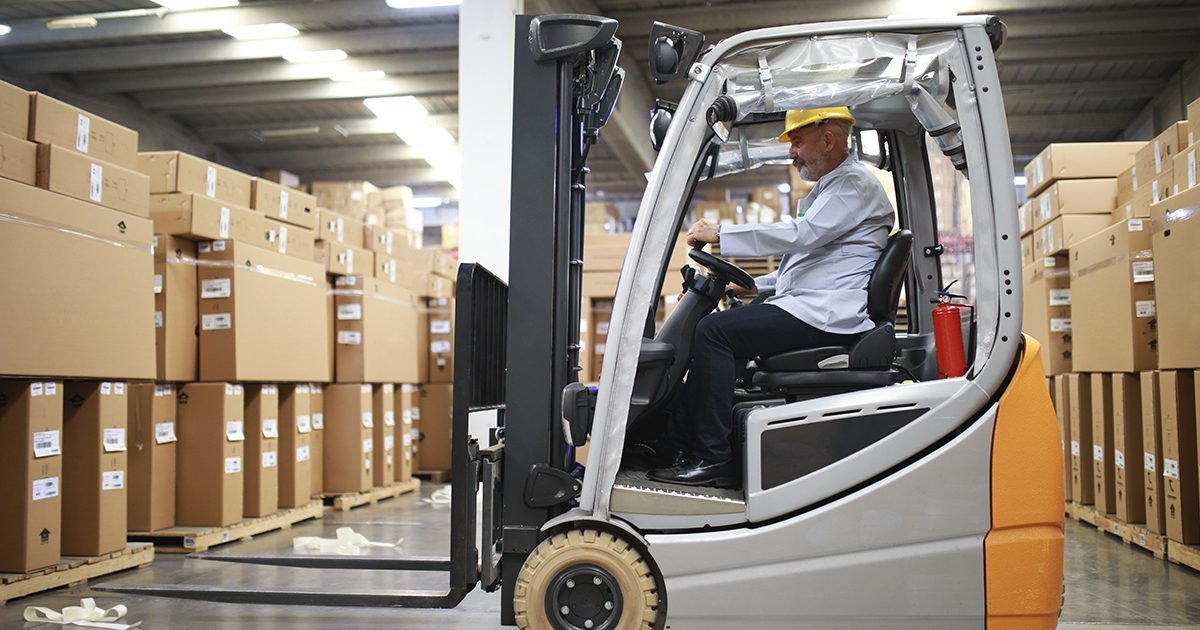
    !electric-forklift-warehouse-logistics-operation.jpg

    Lead-Acid EVF (Flooded)

    The most common forklift battery type globally. Proven technology, low upfront cost, widely available. Requires regular watering and equalization maintenance.

    Forklift ClassSystem VoltageTypical CapacityRecommended Battery ConfigFOB Price (CNY)

    |

  • BatteryMaintenanceOrReplacementOldBattery

    soft-27-golf-cart-battery-guide.md

    Why Golf Cart Batteries Are Different From Every Other Battery Application

    A golf cart battery faces a unique combination of demands: frequent deep discharge on undulating terrain, extended periods of stationary discharge while parked on the course, opportunity charging between holes, and high current draw during acceleration. Most batteries fail these conditions within 18 months. The right battery, properly specified, will last 4–6 years. This guide explains exactly how to get there.

    Golf Cart Battery Voltage Configurations Explained

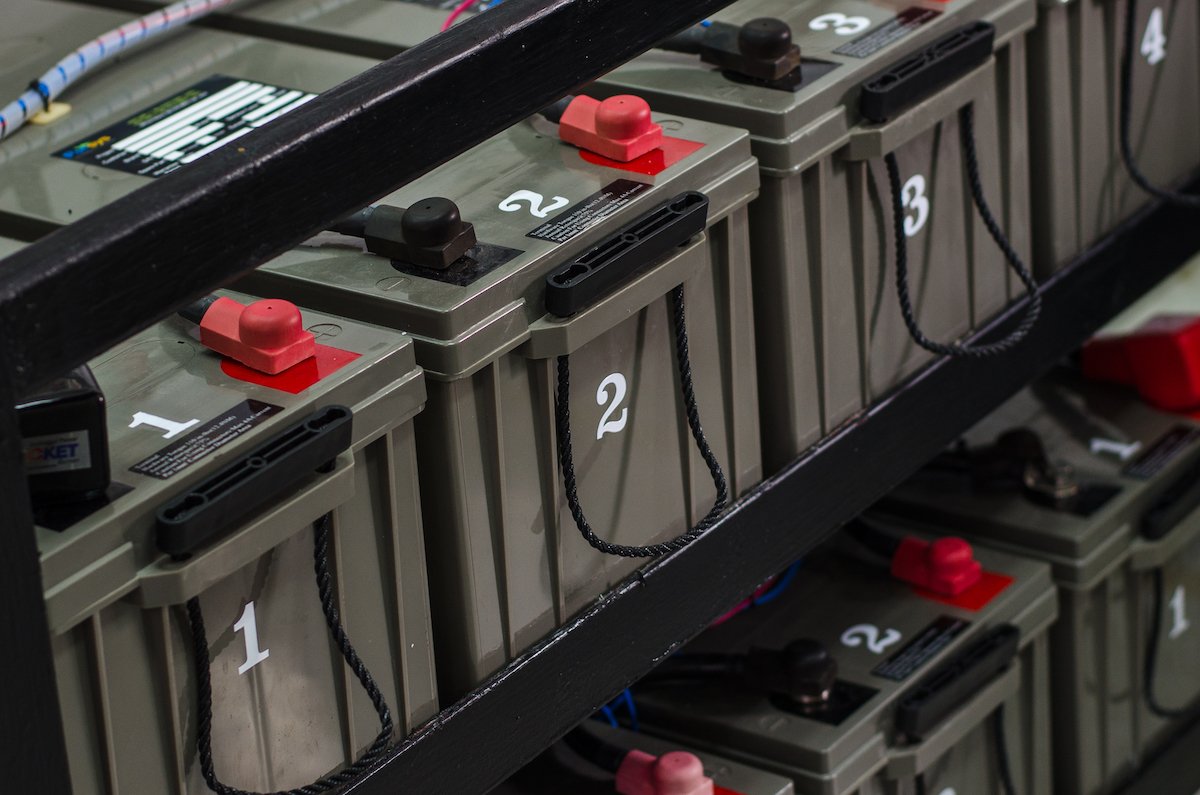
    !professional-lead-acid-battery-bank-solar-installation.jpg

    Before anything else: confirm your golf cart’s system voltage. This determines everything else.

    Golf Cart TypeSystem VoltageBattery ConfigMost Common Setup

    |

  • solar power system lead acid battery installation diagram 2

    soft-26-solar-battery-sizing-guide-2026.md

    Why Sizing a Solar Battery Correctly Matters More Than Anything Else

    A solar battery system that is undersized will leave you without power. One that is oversized costs significantly more than necessary. Getting the sizing right — based on real data, not rules of thumb — is the single most important step in any solar project specification.

    Step 1: Define Your Daily Energy Requirement

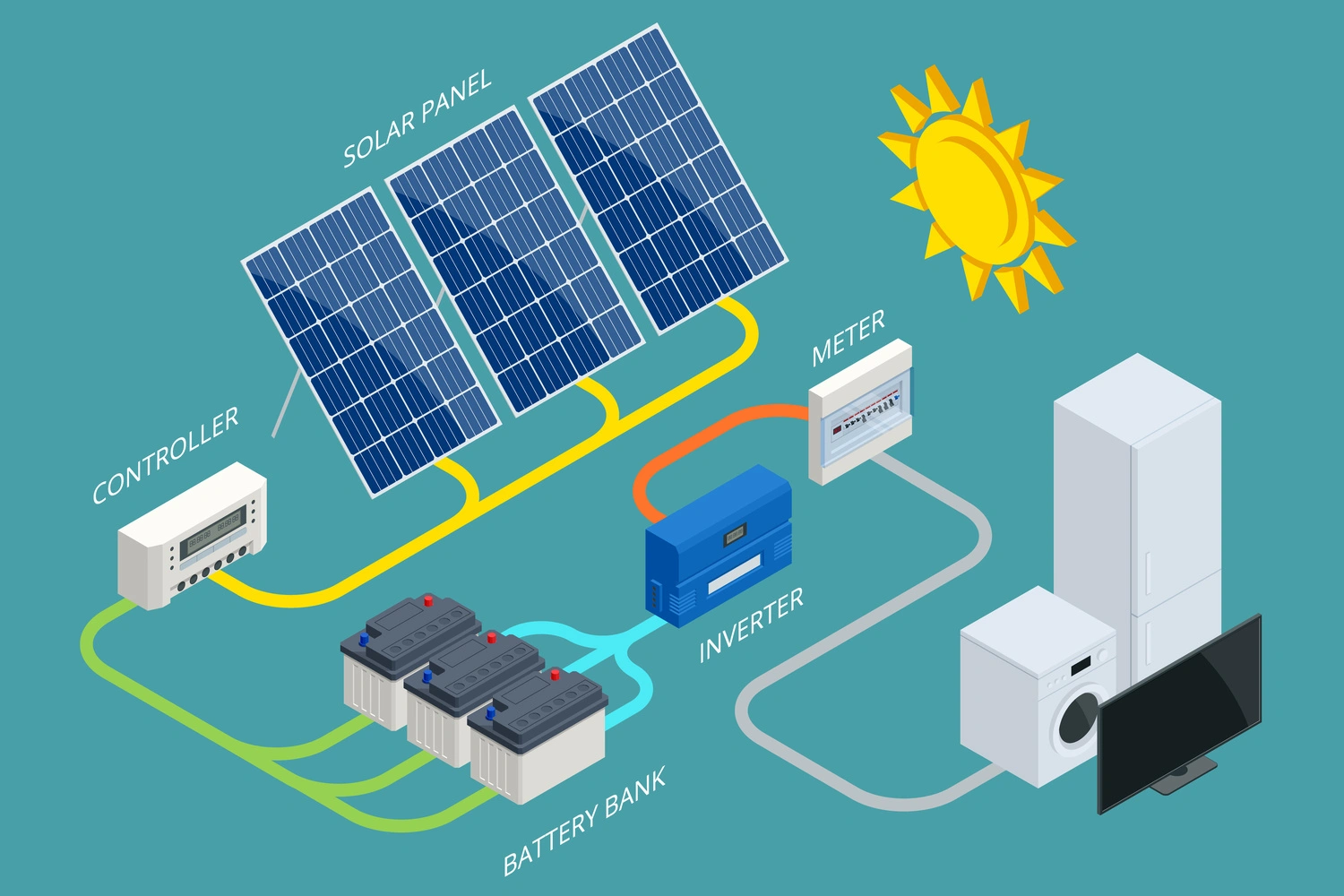
    !solar-power-system-lead-acid-battery-installation-diagram.jpg

    List every load in the system. For each load, multiply power draw (watts) by hours of use per day.

    Example — small commercial solar system (resort in the Philippines):

    • Lighting (LED, 20 fixtures × 10W × 8 hours): 1,600Wh/day
    • Air conditioning (1,500W × 6 hours): 9,000Wh/day
    • Refrigeration (200W × 24 hours): 4,800Wh/day
    • Wi-Fi and security (100W × 24 hours): 2,400Wh/day
    • Total: 17,800Wh/day ≈ 18kWh/day

    This is the minimum energy the battery must supply during periods without solar generation.

    Step 2: Determine Required Days of Autonomy

    Autonomy = number of cloudy days the battery must bridge without solar input.

    ApplicationRecommended AutonomyTypical Scenario

    |

  • lead acid battery manufacturing factory line 2

    soft-25-electric-motorcycle-lead-acid-battery.md

    The Global Market for Electric Motorcycle Batteries

    Electric motorcycles are expanding rapidly in markets where traditional fuel costs make electric propulsion economically compelling. From three-wheeled delivery vehicles in Southeast Asia to high-speed electric motorcycles in Europe, the battery is the most critical and expensive component in every electric motorcycle. Sourcing the right battery at the right price requires understanding the technical tradeoffs.

    Electric Motorcycle Battery Types Compared

    !lead-acid-battery-manufacturing-factory-line.jpg

    Battery TypeVoltage OptionsCapacity RangeWeightCycle LifeBest Markets

    |

  • agm gel lead acid battery comparison 6

    soft-24-agm-battery-12v-100ah-guide.md

    Why the 12V 100Ah AGM Battery Is the World’s Most Versatile Power Cell

    The 12V 100Ah AGM battery occupies a unique position in the energy storage landscape. Small enough to be portable, large enough to power a household refrigerator for 10 hours or a small data center rack for 30 minutes. It fits in a golf cart, powers a security system, stores solar energy, and starts heavy equipment. No other single battery specification serves more distinct applications.

    What Makes an AGM Battery Different

    !agm-gel-lead-acid-battery-comparison.jpg

    AGM (Absorbed Glass Mat) batteries use a fiberglass separator to absorb and immobilize the sulfuric acid electrolyte. This design offers several advantages over conventional flooded batteries:

    • Completely sealed: No liquid electrolyte means no leakage, no maintenance, and installation in any orientation
    • Low self-discharge: <3% per month, enabling long storage periods without recharging
    • High shock and vibration resistance: Ideal for mobile, marine, and outdoor applications
    • Fast charging acceptance: Can accept higher charge currents than flooded batteries of equivalent capacity

    Applications for the 12V 100Ah AGM Battery

    ApplicationConfigurationRuntime / Capacity

    |

  • electric scooter lithium battery pack close up 3

    soft-23-48v-ebike-battery-guide.md

    Why 48V Has Become the Standard for Ebikes

    The 48V platform dominates the global ebike market for good reasons. At 48V, an ebike motor drawing 500W pulls only 10.4A — versus 13.9A at 36V for the same power output. Lower current means cooler operation, longer battery life, and thinner, lighter wiring. For serious riders and fleet operators, 48V is the sweet spot between performance and practicality.

    48V Ebike Battery: Chemistry Options

    !electric-scooter-lithium-battery-pack-close-up.jpg

    Lead-Acid EVF (Most Affordable)

    Lead-acid remains the dominant battery type for price-sensitive ebike markets across Asia, Africa, the Middle East, and Latin America. The technology is proven, the batteries are recyclable, and the upfront cost is 3–5× lower than lithium alternatives.

    SpecificationChemistryFOB Price (CNY)FOB Price (USD)Range Estimate

    |