Why Sizing a Solar Battery Correctly Matters More Than Anything Else
A solar battery system that is undersized will leave you without power. One that is oversized costs significantly more than necessary. Getting the sizing right — based on real data, not rules of thumb — is the single most important step in any solar project specification.
Step 1: Define Your Daily Energy Requirement
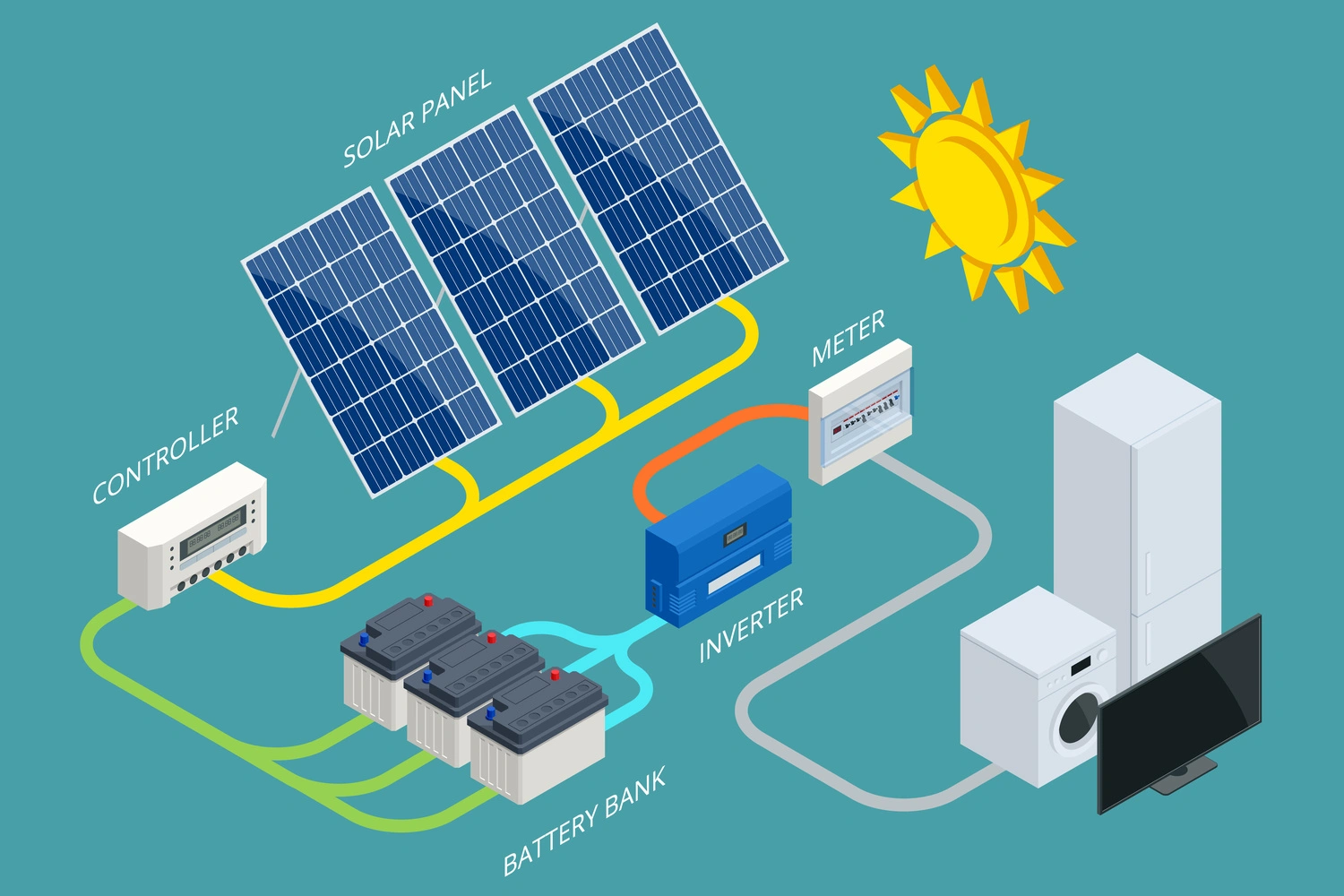
!solar-power-system-lead-acid-battery-installation-diagram.jpg

List every load in the system. For each load, multiply power draw (watts) by hours of use per day.
Example — small commercial solar system (resort in the Philippines):
- Lighting (LED, 20 fixtures × 10W × 8 hours): 1,600Wh/day
- Air conditioning (1,500W × 6 hours): 9,000Wh/day
- Refrigeration (200W × 24 hours): 4,800Wh/day
- Wi-Fi and security (100W × 24 hours): 2,400Wh/day
- Total: 17,800Wh/day ≈ 18kWh/day
This is the minimum energy the battery must supply during periods without solar generation.
Step 2: Determine Required Days of Autonomy
Autonomy = number of cloudy days the battery must bridge without solar input.
| Application | Recommended Autonomy | Typical Scenario |
|---|
|

发表回复