Gel battery vs AGM vs flooded lead acid comparison 2026
Gel Battery vs AGM vs Flooded Lead-Acid 2026: Full Comparison for Solar & Industrial Use
Choosing between gel, AGM, and flooded lead-acid batteries is one of the most common procurement decisions in solar and industrial energy storage. This article gives you a definitive, unbiased comparison based on real specifications.
Electrolyte Technology: The Fundamental Difference
| Battery Type | Electrolyte Form | Sealed? | Maintenance | |—|—|—|—| | Flooded Lead-Acid | Liquid sulfuric acid | No | Regular watering required | | AGM VRLA | Acid absorbed in glass mats | Yes | None | | Gel VRLA (OPzV) | Silica gel immobilizes electrolyte | Yes | None |
The electrolyte form determines oxygen recombination efficiency, water loss rate, and high-temperature tolerance — all critical for solar applications.
Deep Cycle Performance: Gel Wins for Solar
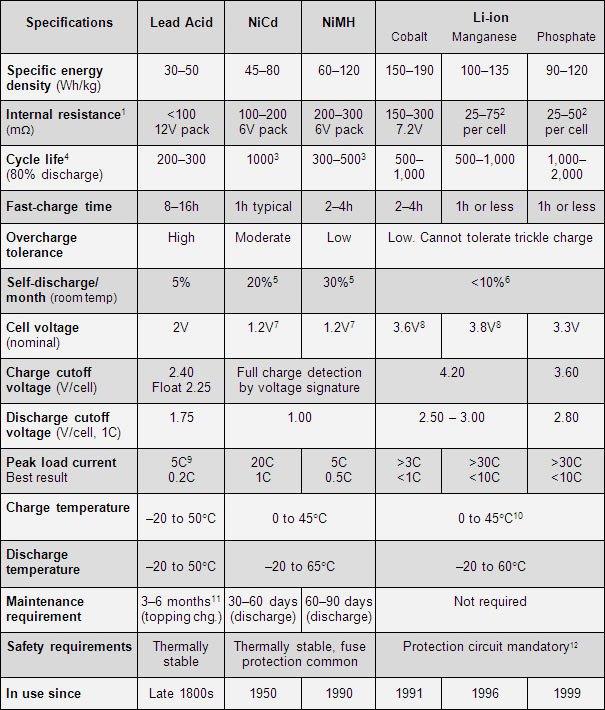
| Battery Type | Cycles @ 50% DoD | Cycles @ 80% DoD | Design Life | |—|—|—|—| | Flooded Lead-Acid | 600–800 | 300–400 | 3–5 years | | AGM VRLA | 700–900 | 400–500 | 4–6 years | | Tubular Gel OPzV | 1,200–1,500 | 800–1,000 | 8–12 years |
For daily-cycling solar systems, OPzV delivers the lowest cost per cycle over the battery’s lifetime.
High-Temperature Performance
Solar batteries operate in hostile thermal environments. The impact on battery life is dramatic:
At 35°C ambient temperature (common in rooftop solar):
Flooded: Loses approximately 50% of rated life
AGM: Loses approximately 40% of rated life
OPzV Gel: Loses approximately 20% of rated life
This thermal resilience is why OPzV Gel dominates solar storage in Southeast Asia, the Middle East, and Africa.
Prepared by the CHISEN Battery technical writing team. CHISEN Battery is a professional lead-acid and lithium battery manufacturer in China, ISO 9001 / CE / UL certified, exporting to 50+ countries worldwide.
Energy storage battery guide 2026 residential commercial sizing
Energy Storage Battery 2026: Types, Applications & Sizing Guide
Energy storage is the foundation of modern solar microgrids, backup power systems, and off-grid infrastructure. This guide covers battery technologies, sizing methodology, and real-world pricing for 2026.
Four Key Energy Storage Battery Technologies
| Technology | Cycle Life (80% DoD) | Round-Trip Efficiency | Best For | |—|—|—|—| | OPzV Lead-Acid Gel | 800–1,500 cycles | 78–85% | Budget / large stationary storage | | Lithium-ion NMC | 3,000–5,000 cycles | 90–95% | High-energy-density applications | | LiFePO4 (LFP) | 4,000–6,000 cycles | 88–95% | Best safety / life / cost balance | | Flow batteries (VRB) | 10,000–20,000 cycles | 65–75% | Very large, long-duration storage |
How to Size an Energy Storage Battery Bank
Step 1: Define your objective
| Objective | Sizing Rule | |—|—| | Daily solar energy shifting | 1-day autonomy: daily kWh × 1 | | Backup power (grid outage) | Full backup: daily kWh × backup days | | Off-grid primary power | 2–3 days autonomy + generator |
Step 2: Calculate daily energy requirement (kWh)
List all loads, multiply by hours of use per day, sum all values.
Step 3: Size the battery bank
Battery bank (kWh) = Daily usage × Days autonomy ÷ DoD limit
Specifications to Include in Energy Storage Tenders
When requesting quotes, always specify: usable capacity (kWh), DoD limit, cycle life at stated DoD with test standard, round-trip efficiency at 25°C, operating temperature range and derating curve, warranty type (performance or replacement), and PSOC performance data for solar-coupled applications.
CHISEN Battery Energy Storage Solutions
CHISEN Battery delivers battery systems for every scale:
OPzV tubular gel cells (2V): 100Ah–3000Ah — standard for utility-scale solar + storage
AGM VRLA battery banks: Pre-assembled 48V and 96V packs for commercial buildings
LiFePO4 energy storage systems: 48V residential and 96V–500V commercial racks
Prepared by the CHISEN Battery technical writing team. CHISEN Battery is a professional lead-acid and lithium battery manufacturer in China, ISO 9001 / CE / UL certified, exporting to 50+ countries worldwide.
Whether you’re powering a fleet of golf carts at a resort, a utility vehicle fleet at an airport, or a solar-powered tricycle in rural Southeast Asia, choosing the right battery determines your total operating cost for years. This guide covers golf cart battery types, sizing, pricing, and maintenance best practices for 2026.
Golf Cart Battery Types Compared
| Battery Type | Voltage Config | Capacity Range | Cycle Life | Maintenance | Best For | |—|—|—|—|—|—| | Flooded Lead-Acid | 6V / 8V / 12V | 150–250Ah | 600–900 cycles | Monthly watering | Budget / large fleets with maintenance staff | | AGM VRLA | 6V / 8V / 12V | 100–200Ah | 500–800 cycles | None | Cost-sensitive / indoor use | | Tubular Gel (OPzV) | 2V cell × 6/8 | 200–300Ah | 1,000–1,500 cycles | None | Long-term / solar golf carts | | LiFePO4 | 48V / 51.2V | 50–200Ah | 3,000–5,000 cycles | None | Premium / zero-maintenance |
Golf Cart Voltage Configurations
Most golf carts run on 36V or 48V systems. Here’s how to configure:
48V system (most common for 8-passenger / performance carts):
8 × 6V batteries in series (recommended)
4 × 12V batteries in series (alternative)
1 × 48V LiFePO4 pack (modern upgrade)
36V system (older / standard carts):
6 × 6V batteries in series
Voltage upgrade tip: Replacing a 36V lead-acid pack with a 48V pack (requires controller upgrade) increases efficiency by approximately 15% — same battery capacity, longer run time.
Prepared by the CHISEN Battery technical writing team. CHISEN Battery is a professional lead-acid and lithium battery manufacturer in China, ISO 9001 / CE / UL certified, exporting to 50+ countries worldwide.
High-voltage ebike systems — 48V, 52V, 60V, and 72V — are the fastest-growing segment of the electric mobility market. This guide explains the tradeoffs between voltage options and how to select the right battery for your ebike, e-motorcycle, or electric vehicle project.
Why Voltage Matters in Ebike Systems
Higher voltage systems offer three key advantages over lower voltage:
Lower current for same power output — thinner, lighter wiring
Reduced resistive losses — more efficient at high power
Higher top speed potential — controllers can handle more watts
The tradeoff: higher voltage batteries cost more per watt-hour and require compatible controllers and motors.
Voltage Comparison: 48V vs 52V vs 60V vs 72V
| Parameter | 48V | 52V | 60V | 72V | |—|—|—|—|—| | Cell configuration | 14S | 14S | 16S | 20S | | Max controller current @ 1000W | ~21A | ~19A | ~17A | ~14A | | Typical range (500Wh pack) | 40–60 km | 42–63 km | 45–65 km | 50–70 km | | Motor compatibility | Standard | Standard | Mid-power | High-power | | Cost premium vs 48V | — | +8–12% | +15–22% | +30–40% | | Controller/wiring weight | Standard | Slightly lower | Lower | Lowest |
72V 30Ah = 2,160Wh → suitable for 1000W, 120km/day
BMS Requirements for High-Voltage Ebike Batteries
A quality Battery Management System (BMS) is non-negotiable for 60V and 72V lithium batteries:
Cell balancing: Prevents individual cells from becoming over/under-charged
Over-current protection: Cuts power if current exceeds BMS rating
Temperature monitoring: Reduces charging rate or cuts off if too hot
Short circuit protection: Essential safety feature for high-capacity packs
For lead-acid ebike batteries, a BMS is not required — but a properly sized controller with low-voltage disconnect is essential to prevent battery damage.
Lead-Acid vs Lithium for Ebike: 48V / 60V / 72V Systems
| Factor | Lead-Acid (EVF) | Lithium (LiFePO4) | |—|—|—| | Upfront cost | 3–5× cheaper | Higher initial investment | | Weight (48V 20Ah) | 14–18 kg | 3–5 kg | | Lifespan | 1–2 years (daily use) | 5–8 years | | Charge time | 6–10 hours | 2–4 hours | | Partial charge OK? | Yes (no memory effect) | Yes | | Fire risk | Very low | Low (LiFePO4 is stable) | | Recyclability | 98% recyclable | 70% recyclable |
For delivery fleets and daily-use ebikes: invest in LiFePO4. For occasional personal use: lead-acid is still practical.
CHISEN Battery Ebike Battery Range
CHISEN Battery offers the full voltage range for electric bikes and light electric vehicles:
Prepared by the CHISEN Battery technical writing team. CHISEN Battery is a professional lead-acid and lithium battery manufacturer in China, ISO 9001 / CE / UL certified, exporting to 50+ countries worldwide.
Motorcycle Battery 2026: Types, Specifications, and OEM Sourcing Guide
From kick-start mopeds in Southeast Asia to electric motorcycles on European roads, the motorcycle battery market spans a wide range of technologies and price points. This guide covers the key battery types, specifications, and sourcing considerations for distributors and fleet buyers in 2026.
Lead-Acid vs Lithium: Which Motorcycle Battery to Choose
| Criteria | Lead-Acid (Conventional / VRLA) | LiFePO4 Lithium | |—|—|—| | Price | ★★★★★ Low cost | ★★ Higher upfront | | Weight | Heavy (4–10 kg) | Light (1–3 kg) | | Starting power (CCA) | ★★★ Good | ★★★★★ Excellent | | Cycle life | 300–600 cycles | 2,000–5,000 cycles | | Self-discharge rate | 3–5% per month | <2% per month | | Maintenance | VRLA = none; flooded = occasional | None | | Best application | Budget / ICE motorcycles | Electric motorcycles |
Types of Motorcycle Batteries
Conventional flooded (YBX / YT / YTZ nomenclature): The traditional choice for ICE motorcycles. Requires occasional distilled water top-up. 6-month shelf life if not activated.
VRLA AGM (Absorbed Glass Mat): Sealed, maintenance-free, leak-proof. The standard OEM choice for modern motorcycles. Superior vibration resistance for rough-road conditions.
VRLA Gel: Sealed, maintenance-free. Superior deep discharge recovery vs. AGM. Better high-temperature performance. Higher price than AGM.
LiFePO4 (Lithium): For electric motorcycles and high-performance applications. Up to 70% lighter than lead-acid equivalents. Requires a Battery Management System (BMS).
Cold Cranking Amps (CCA): Critical for ICE motorcycles in cold climates. The current a battery can deliver at −18°C for 30 seconds while maintaining 7.2V. Higher CCA = better cold starting.
Reserve Capacity (RC): Minutes a fully charged battery can deliver 25A at 25°C before dropping to 10.5V. Important for motorcycles with high electrical loads (lights, heated grips, GPS).
Voltage: Most motorcycles use 12V systems. Some larger touring bikes and electric motorcycles use 24V or 48V.
OEM Sourcing Checklist
Confirm battery dimensions match motorcycle battery compartment
Check terminal type and position (left-hand negative vs. right-hand negative)
Verify polarity matches your motorcycle’s wiring
Request MSDS and dangerous goods transport documentation for international shipping
Ask about OEM branding and custom packaging options
CHISEN Battery Motorcycle Battery Range
CHISEN Battery supplies both conventional and electric motorcycle batteries:
YT / YTX series (conventional / AGM): Full range from 12V 4Ah to 12V 18Ah
LiFePO4 electric motorcycle batteries: 48V, 60V, 72V systems, 20–50Ah
Custom OEM branding: Available from 500 units
Certifications: CE, ISO9001, UKAS
Sample lead time: 7 days
Packing: Neutral brown box or custom OEM packaging
Request full specification sheet and pricing: 📧 jack@chisen.cn | WhatsApp: +86 131 6622 6999 | www.chisen.cn
Need help selecting the right battery for your application?
CHISEN Battery provides free sizing consultation and technical support for distributors and EPC contractors worldwide. Response within 24 hours.
Prepared by the CHISEN Battery technical writing team. CHISEN Battery is a professional lead-acid and lithium battery manufacturer in China, ISO 9001 / CE / UL certified, exporting to 50+ countries worldwide.
Electric scooter battery 2026 selection sizing OEM sourcing guide
Electric Scooter Battery 2026: Complete Guide to Selection, Sizing & Top Manufacturers
The global electric scooter market is growing at 30%+ annually — and the battery is the single most expensive component of every scooter. This guide covers everything buyers, distributors, and fleet operators need to know before sourcing batteries for electric scooters in 2026.
Prices are FOB China; USD estimates at CNY 7.0. MOQ 20 units.
Key Sourcing Factors for Electric Scooter Batteries
1. Match voltage to your scooter’s controller
Never mismatch battery voltage with controller rating:
48V battery → requires 48V controller
60V battery → requires 60V controller
72V battery → requires 72V controller
Using a 72V battery with a 48V controller is dangerous and will damage the controller.
2. Understand C-rate for your use case
C-rate = discharge current relative to capacity. High-C-rate batteries deliver burst power for acceleration; standard C-rate batteries prioritize range.
| Use Case | Recommended C-rate | |—|—| | City commuting (flat terrain) | C1–C2 (standard) | | Hilly terrain / delivery fleet | C3–C5 | | High-performance / racing scooters | C8–C15 |
3. Weight vs. range tradeoff
Every 10 kg of additional battery weight reduces effective range by approximately 5–8%. For fleet operations where scooter payload is critical, the weight-to-range ratio is as important as battery price.
4. Charger compatibility
Ensure the battery’s recommended charging current and voltage match your existing charger infrastructure. Switching from lead-acid to lithium on the same scooter often requires a new charger.
Common Sourcing Mistakes to Avoid
Mistake 1: Buying batteries rated at C20 capacity when the scooter runs at C1–C2 rates. The effective capacity at high discharge rates can be 30–40% lower than rated.
Mistake 2: Ignoring the battery’s dimensions and terminal position. Electric scooter battery compartments are often tight — always request the dimensional drawing before ordering.
Mistake 3: Ordering without requesting cycle test data. A battery that claims 600 cycles but fails at 200 cycles is not a bargain.
CHISEN Battery — Electric Scooter Battery Manufacturer
CHISEN Battery supplies electric scooter manufacturers and distributors globally:
EVF series (lead-acid): 48V / 60V / 72V, 12–40Ah capacities
DZF series: compact 12V blocs for modular pack building
Prepared by the CHISEN Battery technical writing team. CHISEN Battery is a professional lead-acid and lithium battery manufacturer in China, ISO 9001 / CE / UL certified, exporting to 50+ countries worldwide.
OPzV battery tubular gel solar storage 2026 technical guide
OPzV Battery 2026: Full Technical Guide — Why This Technology Dominates Solar Storage Worldwide
OPzV batteries are the backbone of solar energy storage systems globally — yet most buyers don’t fully understand why they cost more or what makes them fundamentally different from standard lead-acid. This guide covers everything a serious procurement manager or project developer needs to know before purchasing.
What Does OPzV Stand For?
OPzV = Ortsfest Puffervorrats Batterie (German) Rough translation: “Open-circuit stationary storage battery” — though in modern usage OPzV refers specifically to valve-regulated lead-acid (VRLA) batteries with tubular gel electrolyte.
The German naming convention is no accident — OPzV technology was developed by Deutsche Bahn and refined by European utilities for mission-critical backup power. It migrated into solar storage because the technology was already proven in exactly the applications that solar demands: partial state of charge operation, high ambient temperatures, and multi-year discharge cycles.
OPzV vs Standard AGM vs Flooded — What’s Actually Different
The differences that matter in solar applications:
| Feature | OPzV Tubular Gel | AGM VRLA | Flooded Lead-Acid | |—|—|—|—| | Electrolyte form | Gel (immobilized SiO₂) | Absorbed glass mat | Liquid sulfuric acid | | Oxygen recombination | Near 99% efficient | ~95% efficient | N/A (gassing open) | | Grid design | Tubular positive plates | Flat pasted plates | Flat rolled plates | | Antimony alloy | None (Pb-Ca-Sn) | None | Yes (Pb-Sb) | | Water loss rate | <0.001 Ah/day | <0.004 Ah/day | Significant (regular top-up) | | PSOC tolerance | Excellent | Poor | Moderate | | High-temp life at 35°C | 100% rated life | ~60% rated life | ~75% rated life |
The tubular positive plate is OPzV’s defining feature. Instead of flat grids, the positive active material is contained in polyester tubes with central spine current collectors. This design:
Prevents active material shedding from deep cycling
Allows thicker plates without shedding failure
Delivers 3–5× longer cycle life vs. flat-plate AGM
OPzV Performance Data — What the Numbers Really Mean
At 80% DoD, a quality OPzV battery delivers approximately 1,050 full cycles. At one full cycle per day (common in off-grid solar), that’s nearly 3 years of daily cycling before reaching rated end-of-life — and the battery often continues performing beyond rated cycle life.
Expected Service Life by Operating Temperature
| Ambient Temperature | OPzV Design Life | |—|—| | 20°C | 18–22 years | | 25°C | 15–18 years | | 30°C | 12–15 years | | 35°C | 8–12 years | | 40°C | 5–8 years |
Note: Every 8–10°C above 25°C halves the expected service life for standard AGM. OPzV’s superior heat tolerance is a primary reason it dominates tropical and desert solar markets.
Common OPzV Specifications Explained
2V Monoblock vs. Cell Construction
OPzV batteries are almost universally built as 2V single cells connected in series to reach the required system voltage. Common configurations:
24 cells × 2V = 48V system (most common for solar storage)
32 cells × 2V = 64V system
48 cells × 2V = 96V system
60 cells × 2V = 120V system (large commercial/utility scale)
Why not 12V blocs? Twelve-volt OPzV blocs exist but are built by connecting 6 × 2V cells internally. This makes them cheaper but less serviceable — if one cell fails in a 12V bloc, you replace the whole unit. With 2V cells, you replace only the failed cell.
Capacity Ratings: C10 vs. C20 vs. C100
OPzV capacity is typically stated at C10 (10-hour discharge rate) for solar applications. A 1,000Ah C10 battery:
Delivers 100A for 10 hours (1,000Ah total)
At C5 (shorter, higher current discharge): ~900Ah
At C20 (longer, lower current discharge): ~1,100Ah
For solar sizing, always use the C10 capacity rating and size your battery bank for the anticipated daily DoD. Do not size based on C20 or C100 ratings.
USD estimates at CNY 7.0/USD exchange rate. DDP and CIF prices available on request.
OPzV Installation Checklist
Before the batteries arrive
Confirm system voltage matches battery bank configuration
Ensure ventilation meets IEC 62485-2 requirements (minimum air exchange for enclosed spaces)
Verify charge controller settings match OPzV specifications (bulk/absorption/float voltages)
Arrange for lifting equipment if installing 2V 500Ah or larger cells (each cell weighs 15–50 kg)
Charge controller settings for OPzV
| Parameter | Setting (typical) | |—|—| | Bulk/Absorption voltage | 2.30–2.40 Vpc (volt per cell) @ 25°C | | Float voltage | 2.20–2.28 Vpc @ 25°C | | Equalization voltage | 2.40–2.50 Vpc (monthly, if needed) | | Low voltage disconnect | 1.75–1.80 Vpc | | Temperature compensation | −4 mV/°C per cell |
Vpc = voltage per cell. For a 48V system (24 cells), multiply by 24.
Operating DoD guidelines
| Application | Recommended Max DoD | Why | |—|—|—| | Daily cycling (no grid backup) | 50–60% | Maximizes cycle life and payback | | Daily cycling with grid fallback | 70–80% | More usable capacity acceptable | | Weekly cycling / backup only | 80–100% | Occasional full discharge is fine |
Why OPzV Is the Standard for Solar + Storage Projects
Across 50+ countries where CHISEN Battery has supplied solar projects, OPzV is consistently the chosen technology for installations where:
Batteries will be partially charged for extended periods (PSOC operation)
Ambient temperatures regularly exceed 30°C
Maintenance access is limited or expensive
System design life exceeds 8 years
Total cost of ownership is prioritized over upfront cost
Prepared by the CHISEN Battery technical writing team. CHISEN Battery is a professional lead-acid and lithium battery manufacturer in China, ISO 9001 / CE / UL certified, exporting to 50+ countries worldwide.
From electric tricycles in rural India to warehouse forklifts in German logistics hubs, lead-acid batteries power more electric vehicles than any other chemistry. This guide covers the battery types that move the world — and how to select the right one.
Which Lead-Acid Battery Type for Which Vehicle?
| Vehicle Type | Recommended Battery | Why | |—|—|—| | Electric tricycle / e-rickshaw | EVF 6V / 12V series | High burst current, daily deep discharge | | Electric forklift (indoor warehouse) | EVF 24V / 36V / 48V blocs | Deep discharge, opportunity charging | | Electric bus / commercial EV | EVF 6V / 12V high-capacity | Long runtime, reliability | | Electric golf cart | EVF 6V / 8V series | Moderate discharge, multiple batteries in series | | Cleaning machines / AGV | DZF 12V series | Compact, maintenance-free | | E-bike / e-scooter | DMF 12V series | Lightweight, high energy density |
EVF Series — The Workhorse of Electric Mobility
EVF (Electric Vehicle Flooded) batteries are specifically engineered for the deep discharge cycles typical of electric vehicles. Unlike starting batteries, EVF batteries use thicker plates and活性 material配方 designed to withstand repeated deep cycling.
Key specifications to understand:
Capacity (Ah): The total energy store. Higher Ah = longer range. But weight matters — a heavier battery reduces vehicle payload capacity.
C20 vs C5 discharge rate: EVF batteries are typically rated at C5 (5-hour discharge) rather than C20. A 200Ah C5 battery will deliver less than 200Ah in a 20-hour test — this is normal and not a defect.
State of Charge (SoC) window: For maximum battery life, avoid discharging below 20% SoC regularly. Many users destroy batteries in 12–18 months by consistently running to near-zero.
Typical config: 48V system = 24 × 2V cells or 4 × 12V blocs in series Recommended: 2V 500Ah EVF cells (24 cells) or 12V 500Ah blocs (4 units) Runtime target: 6–8 hours per shift
3-tonne heavy-duty forklift
Typical config: 48V or 80V system Recommended: 2V 800Ah or 2V 1000Ah EVF cells Consider: opportunity charging capability (partial charges between shifts extend effective runtime)
Walkie pallet jack / low-level order picker
Typical config: 24V system Recommended: 12V 100Ah or 12V 150Ah EVF/DZF Often used in multi-shift operations with opportunity charging
4 Critical Selection Criteria for EV & Forklift Batteries
1. Actual amp-hour capacity vs. rated capacity
Some manufacturers rate batteries at optimistic C5 conditions that don’t reflect real-world operation. Always ask for:
Discharge curves at your typical load current
Voltage at 50% and 80% depth of discharge
2. Plate thickness and active material density
Deeper cycle life requires thicker positive plates. Budget EVF batteries often use thinner plates that crack under repeated deep cycling. Quality indicators:
Positive tube plate thickness: ≥6mm for long-life cells
Ask for the supplier’s cycle test report (not just the datasheet)
3. Water consumption rating
For flooded EVF batteries, water consumption determines maintenance frequency. Low-antimony alloy grids reduce watering frequency — look for batteries described as “low water loss” or “low maintenance.”
4. Charging compatibility
Match the battery to the charger. Key parameters:
Bulk charging voltage (should match charger output)
Float voltage setting
Maximum charging current (typically C5/4 = 0.25 × capacity)
Using the wrong charger is the leading cause of premature battery failure.
Common Mistakes That Shorten EV Battery Life
Mistake 1: Using starting batteries (cranking batteries) instead of deep-cycle EVF batteries. The thicker plates in EVF batteries are not interchangeable with the thin plates in starting batteries.
Mistake 2: Charging after only a partial discharge. Opportunity charging (topping up between shifts) is fine with quality EVF batteries — it does not cause memory effect. Unlike NiCd batteries, lead-acid EVF benefits from staying charged.
Mistake 3: Ignoring equalization charges. Monthly equalization (controlled overcharge to ensure all cells reach full charge) prevents stratification and extends battery life significantly.
CHISEN Battery EVF Series — Built for Electric Mobility
CHISEN Battery’s EVF and DZF series cover the full spectrum of electric vehicle applications:
EVF 6V/12V series: 150–300Ah, specifically engineered for daily deep discharge cycles
Forklift battery packs: Full voltage configurations — 24V, 36V, 48V, 72V, 80V — with parallel connection for higher capacity
DZF/DMF series: Compact 12V batteries for light EVs, cleaning machines, and AGVs
Charging guidance: Full technical support to match batteries with your charger specifications
Certifications: CE, ISO9001, UKAS
Custom configurations: Available for OEM and fleet procurement projects
Get battery specifications and pricing for your vehicle type: 📧 jack@chisen.cn | WhatsApp: +86 131 6622 6999 | www.chisen.cn
Need help selecting the right battery for your application?
CHISEN Battery provides free sizing consultation and technical support for distributors and EPC contractors worldwide. Response within 24 hours.
Prepared by the CHISEN Battery technical writing team. CHISEN Battery is a professional lead-acid and lithium battery manufacturer in China, ISO 9001 / CE / UL certified, exporting to 50+ countries worldwide.
Gel battery advantages disadvantages OPzV AGM comparison guide
Gel Battery Guide 2026: Advantages, Disadvantages, and How It Compares to AGM
Gel batteries are the fastest-growing segment in solar energy storage — but the terminology is confusing and the marketing claims are often misleading. This guide cuts through the noise with practical, procurement-focused analysis.
What Is a Gel Battery?
A gel battery uses silica (SiO₂) to turn the electrolyte into a thick gel — completely leak-proof and maintenance-free. It retains all the performance advantages of lead-acid chemistry while eliminating the liquid acid risk.
Common gel battery formats:
OPzV (Tubular Gel, 2V): Rated 100–3,000Ah, designed for deep-cycle solar storage — the gold standard
12V AGM/Gel hybrid: Lower cost, suitable for smaller systems
Solar Gel series: Optimized for PSOC operation, the most common gel type for solar applications
Top 5 Advantages of Gel Batteries
1. Superior deep-cycle performance — the defining feature
This is the gel battery’s strongest advantage over AGM and flooded lead-acid:
| Battery Type | Cycles at 50% DoD | Cycles at 80% DoD | Design Life | |—|—|—|—| | Standard Flooded | 600–800 | 300–400 | 3–5 years | | AGM VRLA | 700–900 | 400–500 | 4–6 years | | OPzV Tubular Gel | 1,200–1,500 | 800–1,000 | 8–12 years |
Sources: IEC 60896-21/22 standard test conditions
2. Outstanding high-temperature tolerance
Solar batteries installed outdoors or on rooftops regularly exceed 35°C. Standard AGM suffers accelerated corrosion and dramatically shorter life at these temperatures. OPzV Gel maintains full rated performance up to 40°C ambient.
This is the single most important reason gel batteries dominate solar installations in Southeast Asia, the Middle East, and Africa.
3. Zero maintenance required
After installation, gel batteries require no watering, no electrolyte checks, and no equalization charging. Clean terminals annually and check connections — that’s the full maintenance protocol.
4. Excellent deep discharge recovery
After 80–100% depth of discharge — common during multi-day cloudy periods — gel batteries recover capacity significantly better than AGM or flooded units. This resilience directly translates to more reliable off-grid performance.
5. No acid leakage — flexible installation
Gel batteries can be installed in any orientation, making them suitable for wall-mounted enclosures, confined spaces, and mobile or marine applications where liquid batteries are impractical.
The 2 Disadvantages to Consider Honestly
Disadvantage 1: Higher upfront cost than flooded batteries
同等容量下,OPzV Gel batteries cost approximately 1.5–2× more than standard flooded lead-acid. The payback period is 3–4 years through avoided maintenance and replacement costs — which is why informed buyers prioritize TCO, not initial price.
Disadvantage 2: Charging voltage sensitivity
Gel batteries have a narrower charging voltage window. Overcharging causes irreversible damage. This means:
✅ MPPT solar charge controllers are recommended
❌ Simple PWM controllers are not ideal for gel batteries
This is a one-time configuration cost — not an ongoing problem.
1. Confirm rated capacity at C10 or C20 discharge rate
Capacity is stated at a specific discharge rate. A battery rated at 100Ah at C10 might show 110Ah at C20 or 125Ah at C100. Always compare batteries at the same discharge rate.
2. Request PSOC cycle test data — not just standard cycle data
OPzV datasheets typically show standard cycle tests (IEC 60896-21). For solar applications, request PSOC (partial state of charge) cycle test reports at 50–80% DoD without periodic full charges — this is the real-world performance profile.
3. Inspect the grid alloy composition
Quality OPzV batteries use Pb-Ca-Sn (lead-calcium-tin) alloy grids, which resist corrosion better than standard Pb-Sb alloys. Grid corrosion is the primary failure mode in long-life batteries — material specification matters.
CHISEN Battery OPzV Series — Export-Grade Quality
CHISEN Battery’s OPzV Tubular Gel range:
Capacities: 100Ah–3,000Ah, full range
Cycle life: 1,200–1,500 cycles (80% DoD, IEC standard test)
Certifications: CE, ISO9001, ISO14001, UKAS
Export packaging: UN38.3 certified, professionally crated on timber pallets
Lead times: Samples in 7 days; volume orders 15–25 days
Track record: Active in 50+ countries including high-temperature climate projects
Prepared by the CHISEN Battery technical writing team. CHISEN Battery is a professional lead-acid and lithium battery manufacturer in China, ISO 9001 / CE / UL certified, exporting to 50+ countries worldwide.
Solar battery price comparison 2026 gel AGM lithium value analysis
Solar Battery Price Comparison 2026: Gel vs AGM vs Lithium — Which Offers Best Value?
Choosing a battery for a solar system isn’t just about upfront cost. This comparison cuts through the marketing to give you a clear, numbers-based answer on which technology wins in 2026.
The Short Answer
| Application | Best Choice | Why | |—|—|—| | Large commercial storage (daily cycling) | Tubular Gel OPzV | Lowest 10-year TCO | | Residential backup (occasional use) | AGM VRLA | Maintenance-free, easy install | | Premium home storage (higher budget) | LiFePO4 Lithium | Longest life, compact | | Off-grid rural power stations | Tubular Gel OPzV | High heat tolerance, long life | | C&I peak shaving | LiFePO4 Lithium | Fast response, high efficiency |
Certified products typically carry a 5–10% premium — but eliminate customs clearance risk at destination.
Shipping and packaging
Lithium batteries are classified as dangerous goods, adding 20–30% to shipping costs vs. lead-acid. For sea freight to Africa and Middle East, this premium is significant.
Brand premium
First-tier international brands command a 10–20% premium over equivalent Chinese origin products. Quality consistency and after-sales support often justify this difference.
Question 1: What is the cycle life at your actual DoD — not the ideal test condition?
Some batteries claim “3,000 cycles” at 50% DoD. At real-world 80% DoD, that figure could be just 40% of the rated number. Ask for the test report, not just the marketing spec sheet.
Question 2: Do you have PSOC test data?
Real solar systems rarely run at full charge. Partial state of charge (PSOC) operation is the norm, not the exception. Batteries not designed for PSOC degrade rapidly in solar applications.
Question 3: What is the high-temperature performance data?
Outdoor solar installations regularly exceed 35°C. Standard AGM batteries lose significant cycle life in sustained heat. OPzV Gel maintains rated performance in temperatures up to 40°C.
CHISEN Battery — Your Solar Storage Battery Partner
CHISEN Battery supplies solar projects in 50+ countries with factory-direct pricing:
OPzV Tubular Gel Series: Designed for PSOC operation, 1,200–1,500 cycles at 80% DoD
EVF Series: Suitable for hybrid energy projects
LiFePO4 Series: 51.2V, 100–500Ah, full specs available
Prepared by the CHISEN Battery technical writing team. CHISEN Battery is a professional lead-acid and lithium battery manufacturer in China, ISO 9001 / CE / UL certified, exporting to 50+ countries worldwide.