分类: Uncategorized

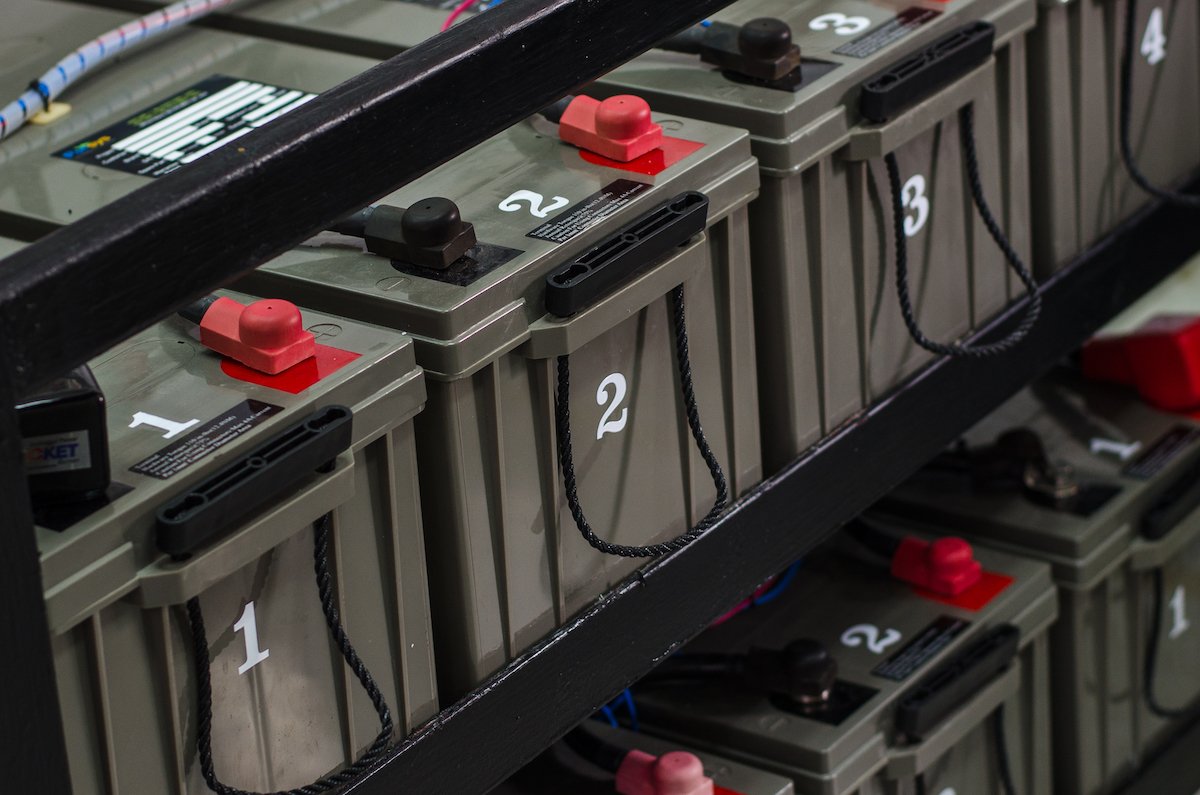
The 12V 100Ah AGM battery occupies a unique position in the energy storage landscape. Small enough to be portable, large enough to power a household refrigerator for 10 hours or a small data center rack for 30 minutes. It fits in a golf cart, powers a security system, stores solar energy, and starts heavy equipment. No other single battery specification serves more distinct applications.

What Makes an AGM Battery Different

AGM (Absorbed Glass Mat) batteries use a fiberglass separator to absorb and immobilize the sulfuric acid electrolyte. This design offers several advantages over conventional flooded batteries:

  • Completely sealed: No liquid electrolyte means no leakage, no maintenance, and installation in any orientation
  • Low self-discharge: <3% per month, enabling long storage periods without recharging
  • High shock and vibration resistance: Ideal for mobile, marine, and outdoor applications
  • Fast charging acceptance: Can accept higher charge currents than flooded batteries of equivalent capacity

Applications for the 12V 100Ah AGM Battery

| Application | Configuration | Runtime / Capacity | |—|—|—| | Solar energy storage (small off-grid) | 2 × 12V 100Ah in series for 24V system | 1.2kWh usable @ 50% DoD | | UPS backup power | 1 × 12V 100Ah for small tower UPS | 15–30 min for 500W load | | Security / alarm systems | 1 × 12V 100Ah | 24–72 hours backup | | Golf cart (as part of 48V bank) | 4 × 12V 100Ah in series | 20 holes per charge | | Camper van / RV house battery | 1 × 12V 100Ah or 2 × parallel | 100Ah @ 12V = 1.2kWh | | Marine / boat house battery | 1 × 12V 100Ah deep cycle AGM | Moderate cycling, starting | | Electric fencing / agriculture | 1 × 12V 100Ah | Days of continuous operation |

12V 100Ah AGM Battery: Price Reference 2026

Prices vary significantly by quality tier. Budget batteries from unverified manufacturers often deliver only 60–70% of rated capacity and fail within 2 years. Mid-range batteries from established manufacturers offer 5–7 year service life. Premium AGM batteries can last 8–10 years in float applications.

| Quality Tier | FOB Price (CNY) | FOB Price (USD) | Expected Life | |—|—|—|—| | Budget (unknown brand) | ¥150–220 | $21–31 | 1–2 years | | Mid-range (established manufacturer) | ¥280–420 | $40–60 | 5–7 years | | Premium (export-grade) | ¥420–620 | $60–89 | 8–10 years |

Price影响因素:

  • Brand certification level (CE / UL / UKAS)
  • Actual vs. rated capacity (demand test data)
  • Grid alloy composition (lead-calcium vs. hybrid)
  • Warranty period offered

Key Specifications to Verify Before Purchasing

1. Actual Capacity vs. Rated Capacity

Request the battery’s discharge test report. A quality 12V 100Ah AGM battery should deliver:

  • ≥95Ah at C20 rate (5A discharge for 20 hours)
  • ≥80Ah at C10 rate (10A discharge for 10 hours)

Budget batteries commonly test at 70–85Ah even when labeled 100Ah.

2. Float Service Life

For UPS and backup applications, float life is more relevant than cycle life. Quality AGM batteries should carry a float service life rating of 5–10 years at 25°C ambient temperature.

3. Self-Discharge Rate

Request data on self-discharge rate. Quality AGM batteries self-discharge at <3% per month at 20°C, enabling 6-month storage without recharging. Budget batteries may self-discharge at 5–8% per month.

4. Charge Voltage Requirements

| Parameter | Specification | |—|—| | Bulk / absorption voltage | 14.4–14.8V @ 25°C | | Float voltage | 13.5–13.8V @ 25°C | | Temperature compensation | −3 mV/°C per cell | | Max charge current | 30A (0.3C) |

AGM vs Gel vs Flooded: When to Choose Each

| Criteria | AGM | Gel | Flooded | |—|—|—|—| | Maintenance | None | None | Regular watering | | Deep cycle capability | Moderate | Excellent | Good | | High-temp tolerance | Moderate | Excellent | Good | | Upfront cost | Moderate | High | Low | | Best for | UPS, backup, solar buffer | Solar cycling, marine | Large systems with maintenance |

CHISEN Battery 12V 100Ah AGM Range

CHISEN Battery manufactures 12V 100Ah AGM batteries in multiple quality grades:

  • Standard AGM: CE certified, 5-year design life, C20 capacity ≥95Ah
  • Premium AGM (export grade): UKAS / TUV certified, 8-year design life, C20 capacity ≥100Ah
  • Deep cycle AGM: Optimized for PSOC operation, 600+ cycles at 50% DoD
  • OEM branding: Available from 200 units — custom label, packaging, and datasheet
  • Applications served: UPS, solar, telecom, security systems, golf carts, RVs, marine
  • Certifications: CE, ISO9001, UKAS, TUV Rheinland (select models)

Request specification sheet and FOB pricing for your application: 📧 jack@chisen.cn | WhatsApp: +86 131 6622 6999 | www.chisen.cn

Need help selecting the right battery for your application?

CHISEN Battery provides free sizing consultation and technical support for distributors and EPC contractors worldwide. Response within 24 hours.

Email: sales@chisen.cn | 
WhatsApp: +86 131 6622 6999 | 
Website: www.chisen.cn

About the Author

Prepared by the CHISEN Battery technical writing team. CHISEN Battery is a professional lead-acid and lithium battery manufacturer in China, ISO 9001 / CE / UL certified, exporting to 50+ countries worldwide.

Contact: sales@chisen.cn | 
Website: www.chisen.cn | 
WhatsApp: +86 131 6622 6999

  • 48V Ebike Battery Guide 2026: Sizing, Chemistry & Sourcing Tips

    48V ebike battery guide sizing chemistry 2026
    48V ebike battery guide sizing chemistry 2026

    Why 48V Has Become the Standard for Ebikes

    The 48V platform dominates the global ebike market for good reasons. At 48V, an ebike motor drawing 500W pulls only 10.4A — versus 13.9A at 36V for the same power output. Lower current means cooler operation, longer battery life, and thinner, lighter wiring. For serious riders and fleet operators, 48V is the sweet spot between performance and practicality.

    48V Ebike Battery: Chemistry Options

    Lead-Acid EVF (Most Affordable)

    Lead-acid remains the dominant battery type for price-sensitive ebike markets across Asia, Africa, the Middle East, and Latin America. The technology is proven, the batteries are recyclable, and the upfront cost is 3–5× lower than lithium alternatives.

    | Specification | Chemistry | FOB Price (CNY) | FOB Price (USD) | Range Estimate | |—|—|—|—|—| | 48V 12Ah | Lead-acid EVF | ¥180–260 | $26–37 | 25–35 km | | 48V 15Ah | Lead-acid EVF | ¥220–320 | $31–46 | 30–42 km | | 48V 20Ah | Lead-acid EVF | ¥280–400 | $40–57 | 40–55 km | | 48V 30Ah | Lead-acid EVF | ¥420–600 | $60–86 | 55–75 km |

    Lithium LiFePO4 (Best Value Long-Term)

    LiFePO4 batteries cost more upfront but deliver 3–6× longer service life, 60–70% less weight, and faster charging. For fleet operators and daily commuters, the total cost of ownership favors lithium despite the higher purchase price.

    | Specification | Chemistry | FOB Price (CNY) | FOB Price (USD) | Range Estimate | |—|—|—|—|—| | 48V 10Ah | LiFePO4 | ¥480–700 | $69–100 | 30–40 km | | 48V 15Ah | LiFePO4 | ¥620–900 | $89–129 | 40–55 km | | 48V 20Ah | LiFePO4 | ¥760–1,100 | $109–157 | 55–70 km | | 48V 30Ah | LiFePO4 | ¥1,050–1,500 | $150–214 | 75–100 km |

    48V vs 52V vs 60V: Which Voltage to Choose?

    | Parameter | 48V | 52V | 60V | |—|—|—|—| | System voltage | 48V (13S) | 52V (14S) | 60V (16S) | | Max speed potential | Moderate | Higher | Highest | | Motor compatibility | Most ebike motors | Mid-power motors | High-power motors | | Controller cost | Standard | Slightly higher | Higher | | Battery cost premium vs 48V | Baseline | +8–12% | +15–22% | | Legal classification (some countries) | Bicycle-assist | E-bike / moped | Moped / motorcycle |

    48V recommendation: Standard ebikes, commuter bikes, delivery fleets, cargo bikes. Best motor compatibility and lowest system cost.

    52V recommendation: Mid-range performance ebikes where the extra 10% speed potential justifies the cost. Popular in North America and Europe.

    60V recommendation: High-performance bikes, heavy cargo bikes, bikes used in hilly terrain. Requires compatible motor and controller.

    Sizing a 48V Ebike Battery: Key Parameters

    1. Required range per charge

    Calculate your daily riding distance and multiply by 1.5 for safety margin. Then select battery capacity:

    • 40km/day → 48V 15Ah LiFePO4 or 48V 20Ah lead-acid
    • 60km/day → 48V 20Ah LiFePO4 or 48V 30Ah lead-acid
    • 100km/day → 48V 30Ah LiFePO4

    2. Motor wattage

    Match battery capacity to motor power:

    • 250W motor → 48V 10–15Ah is sufficient
    • 500W motor → 48V 15–20Ah recommended
    • 750W motor → 48V 20–30Ah required
    • 1000W+ motor → 48V 30Ah+ required

    3. Battery dimensions and mounting

    Ebike battery compartments are size-constrained. Always request dimensional drawings before ordering. Common mounting formats:

    • Rear rack mount
    • Down-tube integrated
    • Seat-tube integrated
    • Custom tray

    BMS Requirements for 48V Lithium Ebike Batteries

    A Battery Management System (BMS) is essential for any 48V lithium battery. Key features to verify:

    • Over-charge protection (stops at 58.4V for 14S LiFePO4)
    • Over-discharge protection (cuts at 40V)
    • Over-current protection (typically 30–50A for ebike applications)
    • Cell balancing (passive is sufficient for most ebike use)
    • Temperature monitoring (essential for fast charging)

    Common Mistakes When Sourcing 48V Ebike Batteries

    Mistake 1: Buying without verifying BMS current rating A BMS rated at 30A will fail prematurely on a 500W (10.4A continuous) system if the controller allows higher burst currents. Specify BMS current at 1.5× your controller’s peak current rating.

    Mistake 2: Mixing old and new batteries in a pack Never parallel different-age batteries or different chemistries. This causes imbalance and accelerated degradation.

    Mistake 3: Ignoring the balance connector Some suppliers ship batteries with cell balancing disabled to save cost. Always request that balancing be activated — this extends battery life by 20–30%.

    CHISEN Battery 48V Ebike Battery Range

    CHISEN Battery is a specialized manufacturer supplying 48V ebike batteries to distributors and OEMs globally:

    • 48V lead-acid EVF batteries: 12–30Ah, rear rack and down-tube configurations
    • 48V LiFePO4 batteries: 10–30Ah, integrated BMS, Bluetooth monitoring available
    • Custom voltage packs: 48V, 52V, 60V, 72V configurations built to specification
    • OEM branding: Custom labels and packaging available from 50 units
    • Certifications: CE, UN38.3, MSDS for all lithium products
    • Sample lead time: 7 days for standard specs; 15–20 days for custom configurations

    Send your voltage, capacity, and quantity requirements for a quotation: 📧 jack@chisen.cn | WhatsApp: +86 131 6622 6999 | www.chisen.cn

    Need help selecting the right battery for your application?

    CHISEN Battery provides free sizing consultation and technical support for distributors and EPC contractors worldwide. Response within 24 hours.

    Email: sales@chisen.cn | 
    WhatsApp: +86 131 6622 6999 | 
    Website: www.chisen.cn

    About the Author

    Prepared by the CHISEN Battery technical writing team. CHISEN Battery is a professional lead-acid and lithium battery manufacturer in China, ISO 9001 / CE / UL certified, exporting to 50+ countries worldwide.

    Contact: sales@chisen.cn | 
    Website: www.chisen.cn | 
    WhatsApp: +86 131 6622 6999
  • Deep Cycle Battery vs Regular Lead-Acid: The Complete 2026 Comparison Guide

    Deep cycle battery vs regular lead acid battery comparison guide
    Deep cycle battery vs regular lead acid battery comparison guide

    What Is a Deep Cycle Battery?

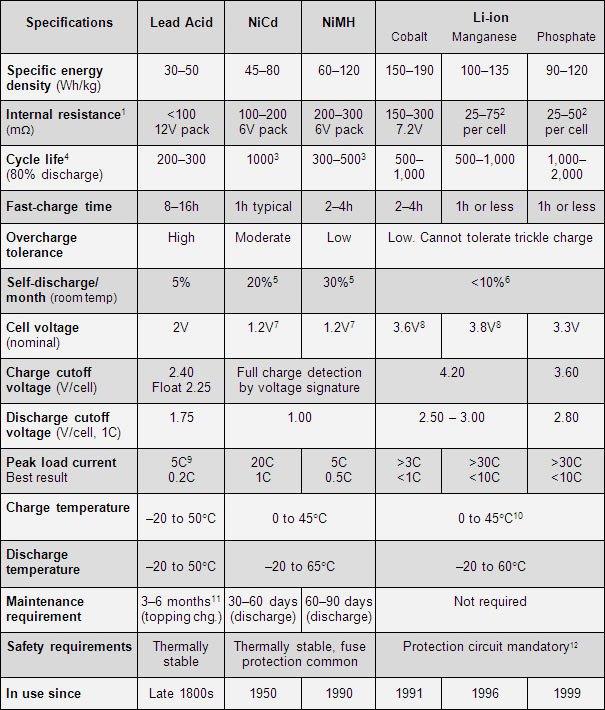
    A deep cycle battery is designed to be regularly discharged to 50–80% of its capacity and then recharged — unlike a car starting battery, which delivers brief high-current bursts and stays near full charge. This fundamental difference in design determines which applications each battery type suits.

    Standard starting batteries use thin positive plates with a large surface area — ideal for delivering 300–600A for engine cranking. Deep cycle batteries use thick solid plates with denser active material — designed to withstand repeated deep discharge without degrading rapidly.

    Key Differences: Deep Cycle vs Starting Battery

    | Feature | Deep Cycle Battery | Starting Battery (Car Battery) | |—|—|—| | Plate design | Thick solid/pasted plates | Thin expanded metal plates | | Active material density | High | Low | | Discharge depth | Designed for 50–80% DoD | Designed for <5% DoD | | Cranking amps (CCA) | Low to moderate | Very high (300–1000A) | | Cycle life | 600–1,500 cycles | Not rated for cycling | | Float life | 8–15 years | 3–5 years | | Typical applications | Solar, traction, marine, UPS | Engine starting |

    Using a starting battery for deep cycle applications — or vice versa — causes premature failure and is a common and costly mistake.

    Types of Deep Cycle Lead-Acid Batteries

    Flooded Lead-Acid Deep Cycle

    The original deep cycle technology. Requires periodic watering maintenance but offers the lowest cost per cycle when properly maintained.

    | Specification | FOB Price (CNY) | Best Application | |—|—|—| | 6V 200Ah deep cycle | ¥320–480 | Golf carts, marine | | 6V 225Ah deep cycle | ¥380–560 | Golf carts, solar | | 12V 100Ah deep cycle | ¥280–420 | Small solar, buffer storage | | 12V 200Ah deep cycle | ¥480–720 | Solar storage, industrial | | 48V 200Ah (4×12V) | ¥1,200–1,800 | Forklifts, EVs |

    AGM Deep Cycle (VRLA)

    Absorbed Glass Mat batteries are sealed, maintenance-free, and offer better vibration resistance than flooded units. More expensive upfront, but no maintenance cost over life.

    | Specification | FOB Price (CNY) | Best Application | |—|—|—| | 12V 65Ah AGM deep cycle | ¥180–280 | UPS backup, solar buffer | | 12V 100Ah AGM deep cycle | ¥280–420 | UPS, solar, telecom | | 12V 150Ah AGM deep cycle | ¥380–580 | Commercial solar, marine | | 12V 200Ah AGM deep cycle | ¥520–780 | Large UPS, industrial solar |

    Tubular Gel OPzV Deep Cycle

    The premium deep cycle option. Gel electrolyte provides the best PSOC performance and highest cycle life of any lead-acid technology.

    | Specification | FOB Price (CNY) | Best Application | |—|—|—| | 2V 200Ah OPzV | ¥600–900 | Commercial/industrial solar | | 2V 500Ah OPzV | ¥1,200–1,800 | Utility-scale solar storage | | 2V 1000Ah OPzV | ¥2,200–3,200 | Telecom, grid storage |

    How to Choose: A Practical Decision Framework

    Choose flooded deep cycle when:

    • Budget is the primary constraint
    • A maintenance team is available for quarterly watering
    • Battery will be discharged to 50–80% DoD daily
    • Application is off-grid solar with long design life

    Choose AGM deep cycle when:

    • Zero maintenance is required
    • Installation is indoors or in a confined space
    • Battery needs to be installed in any orientation
    • Application involves frequent partial discharges with occasional deep cycles

    Choose OPzV tubular gel when:

    • Batteries will be subjected to partial state of charge (PSOC) operation
    • Ambient temperatures regularly exceed 30°C
    • System design life exceeds 10 years
    • Total cost of ownership is the key metric — not upfront cost

    Understanding Cycle Life: What the Numbers Really Mean

    Battery manufacturers state cycle life at specific test conditions. Real-world performance depends on how your actual use matches those conditions.

    | Battery Type | Rated Cycles (50% DoD) | Realistic Cycles (80% DoD, PSOC) | |—|—|—| | Flooded deep cycle | 600–800 | 300–450 | | AGM deep cycle | 700–900 | 350–500 | | OPzV tubular gel | 1,200–1,500 | 800–1,000 |

    A battery rated at 1,000 cycles at 50% DoD tested under ideal lab conditions will deliver fewer cycles in a real-world solar installation where PSOC operation is the norm.

    Common Mistakes When Buying Deep Cycle Batteries

    Mistake 1: Buying a car starting battery instead of a deep cycle battery Starting batteries cannot handle deep cycling — they will fail within months in solar or traction applications.

    Mistake 2: Comparing prices without comparing cycle life A ¥400 battery that lasts 400 cycles costs ¥1.00 per cycle. A ¥700 battery that lasts 1,200 cycles costs ¥0.58 per cycle.

    Mistake 3: Ignoring the battery’s C20 vs C5 capacity rating Battery capacity is stated at a specific discharge rate. A 200Ah battery rated at C5 may show 180Ah at C20. Always compare batteries at the same discharge rate.

    Mistake 4: Not verifying PSOC performance for solar applications Standard cycle test data (IEC 60896-21) does not reflect real-world solar operation. Ask for PSOC cycle test data.

    CHISEN Battery Deep Cycle Range

    CHISEN Battery manufactures the complete range of deep cycle lead-acid batteries:

    • Flooded EVF deep cycle series: 6V, 12V, 48V configurations, 150–400Ah
    • AGM VRLA deep cycle series: 12V, 24V, 48V configurations, 40–250Ah
    • OPzV tubular gel series: 2V single cells, 100–3000Ah
    • Custom voltage configurations: 24V, 36V, 48V, 60V, 72V, 80V systems built to specification
    • Certifications: CE, ISO9001, UKAS, TUV Rheinland
    • MOQ: 20 units for standard specs; custom configurations from 50 units

    Request specifications and FOB pricing for your application: 📧 jack@chisen.cn | WhatsApp: +86 131 6622 6999 | www.chisen.cn

    Need help selecting the right battery for your application?

    CHISEN Battery provides free sizing consultation and technical support for distributors and EPC contractors worldwide. Response within 24 hours.

    Email: sales@chisen.cn | 
    WhatsApp: +86 131 6622 6999 | 
    Website: www.chisen.cn

    About the Author

    Prepared by the CHISEN Battery technical writing team. CHISEN Battery is a professional lead-acid and lithium battery manufacturer in China, ISO 9001 / CE / UL certified, exporting to 50+ countries worldwide.

    Contact: sales@chisen.cn | 
    Website: www.chisen.cn | 
    WhatsApp: +86 131 6622 6999

  • 48V Battery 2026: Complete Guide for Ebikes, Golf Carts, Solar Storage & Telecom

    48V battery guide 2026 ebike golf cart solar telecom applications
    48V battery guide 2026 ebike golf cart solar telecom applications

    48V Battery 2026: Complete Guide for Ebikes, Golf Carts, Solar Storage & Telecom Power Systems

    The 48V battery platform is the most versatile voltage in electric mobility and energy storage. From 48V ebike batteries to solar storage banks to telecom backup power, this single voltage covers an enormous range of applications. This guide explains everything you need to know about sourcing 48V batteries in 2026.

    Why 48V Is the Dominant System Voltage

    48V represents an optimal balance between power delivery and safety:

    • Higher than 24V: Can deliver more power through the same gauge wire
    • Lower than 60V/72V: Does not require the same safety certifications as systems above 60V in most markets
    • Standard rack format: Fits standard 19-inch server/telecom rack mounting
    • Wide availability: More manufacturers make 48V products, driving competition and availability

    The 48V Battery Ecosystem

    | Application | Typical Capacity | Chemistry | Battery Format | |—|—|—|—| | Ebikes / e-scooters | 10–50Ah | LiFePO4 or lead-acid | Custom pack or frame-mounted | | Golf carts | 100–200Ah | Lead-acid EVF or LiFePO4 | Floor-mounted blocs | | Residential solar storage | 50–200Ah | LiFePO4 | Wall-mounted or floor rack | | Telecom backup power | 50–300Ah | AGM / Gel / LiFePO4 | Telecom rack format | | AGV / warehouse robots | 50–200Ah | LiFePO4 | Custom tray mount | | Off-grid solar systems | 100–400Ah | OPzV or LiFePO4 | Floor-standing 2V cells |

    2026 48V Battery Price Reference

    Lead-Acid 48V Battery Packs (EVF / AGM)

    | Specification | Type | FOB Price (CNY) | FOB Price (USD) | Configuration | |—|—|—|—|—| | 48V 20Ah | EVF lead-acid | ¥380–540 | $54–77 | 4 × 12V 20Ah blocs | | 48V 30Ah | EVF lead-acid | ¥540–780 | $77–111 | 4 × 12V 30Ah blocs | | 48V 40Ah | EVF lead-acid | ¥680–980 | $97–140 | 4 × 12V 40Ah blocs | | 48V 50Ah | AGM | ¥800–1,150 | $114–164 | 4 × 12V 50Ah AGM blocs | | 48V 100Ah | OPzV Gel | ¥1,800–2,600 | $257–371 | 24 × 2V 100Ah cells | | 48V 200Ah | OPzV Gel | ¥3,200–4,600 | $457–657 | 24 × 2V 200Ah cells |

    Lithium 48V Battery Packs (LiFePO4)

    | Specification | FOB Price (CNY) | FOB Price (USD) | Application | |—|—|—|—| | 48V 10Ah LiFePO4 | ¥480–700 | $69–100 | Light ebikes | | 48V 20Ah LiFePO4 | ¥680–980 | $97–140 | Standard ebikes | | 48V 30Ah LiFePO4 | ¥920–1,320 | $131–189 | Long-range ebikes | | 48V 50Ah LiFePO4 | ¥1,800–2,600 | $257–371 | Electric scooters / light EVs | | 48V 100Ah LiFePO4 | ¥3,200–4,600 | $457–657 | Solar residential | | 48V 200Ah LiFePO4 | ¥5,800–8,400 | $829–1,200 | Large solar / telecom |

    How to Build a 48V Battery Bank

    From 2V cells (most common for large systems): 48V = 24 cells × 2V in series

    For a 48V 500Ah solar storage bank: → 24 × 2V 500Ah cells in series → Total capacity: 24kWh (at C10 rate) → Can deliver 24kWh × 0.80 (80% DoD) = 19.2kWh usable

    From 12V blocs (alternative): 48V = 4 × 12V blocs in series

    For a 48V 200Ah golf cart bank: → 4 × 12V 200Ah blocs in series → Same 48V system but easier to replace individual units

    Note: Always use identical batteries in a series string. Mixing different ages, capacities, or manufacturers reduces overall bank life.

    Key 48V Battery Specifications to Verify

    • BMS (Battery Management System) for lithium: Over-current, over/under-voltage, over-temperature protection
    • Cell balancing: Passive or active balancing for lithium packs
    • Charge voltage accuracy: 48V LiFePO4 requires 54.4–58.4V bulk charge (varies by cell, check exact spec from manufacturer)
    • IP rating: For outdoor or dusty environments, IP65 or higher recommended
    • Operating temperature range: -20°C to 60°C for LiFePO4; -10°C to 45°C for lead-acid
    • Communication protocol: RS485, CAN bus, or Bluetooth for monitoring (optional)

    CHISEN Battery 48V Product Range

    CHISEN Battery offers the most comprehensive 48V battery range in China:

    • 48V lead-acid EVF packs: Pre-assembled and tested 4×12V bloc configurations, 20–100Ah
    • 48V OPzV gel storage banks: 24 × 2V cell systems, 100–400Ah, for solar and telecom
    • 48V AGM VRLA packs: Rack-mounted format for data center and telecom backup
    • 48V LiFePO4 batteries: 10–200Ah, all with integrated BMS and Bluetooth monitoring
    • 48V battery management: Custom BMS programming and configuration for OEM projects
    • Certifications: CE, IEC 62619, UN38.3, UKAS, TUV Rheinland
    • Sample lead time: 7 days for standard 48V specs; 20 days for custom configurations

    Send your 48V application, required capacity, and chemistry preference for a technical quotation: 📧 jack@chisen.cn | WhatsApp: +86 131 6622 6999 | www.chisen.cn

    Need help selecting the right battery for your application?

    CHISEN Battery provides free sizing consultation and technical support for distributors and EPC contractors worldwide. Response within 24 hours.

    Email: sales@chisen.cn | 
    WhatsApp: +86 131 6622 6999 | 
    Website: www.chisen.cn

    About the Author

    Prepared by the CHISEN Battery technical writing team. CHISEN Battery is a professional lead-acid and lithium battery manufacturer in China, ISO 9001 / CE / UL certified, exporting to 50+ countries worldwide.

    Contact: sales@chisen.cn | 
    Website: www.chisen.cn | 
    WhatsApp: +86 131 6622 6999
  • UPS Battery 2026: How to Size, Maintain & Choose the Right UPS Battery System

    UPS battery sizing maintenance guide 2026 data center backup power
    UPS battery sizing maintenance guide 2026 data center backup power

    UPS Battery 2026: How to Size, Maintain & Choose the Right UPS Battery System

    A UPS battery failure means data loss, equipment damage, and business disruption. This guide covers UPS battery types, sizing methodology, runtime calculations, and maintenance best practices for 2026 — helping data center managers, IT administrators, and facility operators make the right decisions.

    Types of UPS Batteries

    | Battery Type | UPS Application | Advantages | Disadvantages | |—|—|—|—| | VRLA AGM | Most common UPS type | Sealed, maintenance-free, compact | Sensitive to high temperatures | | VRLA Gel | Long backup time UPS | Better high-temp performance | Slightly higher cost | | LiFePO4 | Modern UPS systems | Long life, compact, fast recharge | Higher upfront cost | | Open vented lead-acid | Large UPS / backup systems | Long life, cheap | Requires ventilation and maintenance |

    VRLA AGM is the dominant UPS battery type globally, accounting for over 80% of installed UPS battery capacity.

    2026 UPS Battery Price Reference

    | Specification | Type | FOB Price (CNY) | FOB Price (USD) | UPS Size Example | |—|—|—|—|—| | 12V 7Ah UPS Battery | VRLA AGM | ¥75–120 | $11–17 | Small office / router UPS | | 12V 9Ah UPS Battery | VRLA AGM | ¥90–145 | $13–21 | Desktop UPS, small server | | 12V 18Ah UPS Battery | VRLA AGM | ¥145–230 | $21–33 | Small tower UPS | | 12V 26Ah UPS Battery | VRLA AGM | ¥195–300 | $28–43 | Medium UPS (1–3kVA) | | 12V 40Ah UPS Battery | VRLA AGM | ¥280–420 | $40–60 | Large tower UPS (5–10kVA) | | 12V 65Ah UPS Battery | VRLA AGM | ¥380–560 | $54–80 | Small rack UPS | | 12V 100Ah UPS Battery | VRLA AGM | ¥520–780 | $74–111 | Medium rack UPS | | 12V 40Ah UPS Battery | LiFePO4 | ¥850–1,220 | $121–174 | Premium / long-life UPS |

    UPS batteries are typically sold in sets (e.g., 16 × 12V 9Ah for a 192V UPS string). Check your UPS voltage configuration.

    UPS Battery Sizing: Step by Step

    Step 1: Determine load in watts

    List all equipment to be protected:

    • Server × 4: 400W each = 1,600W
    • Switch: 200W
    • Router: 50W
    • Storage NAS: 150W
    • Total load: 2,000W

    Step 2: Calculate battery current

    Battery current = Total load (W) ÷ UPS DC bus voltage

    For a 192V UPS (typical 3-phase): 2,000 / 192 = 10.4A

    Step 3: Determine required runtime

    | Application | Minimum Runtime Target | |—|—| | Desktop / workstation | 10–15 minutes (shutdown time) | | Small server room | 30–60 minutes | | Data center (Tier II) | 15–30 minutes (generator startup) | | Data center (Tier III+) | 8–12 hours (full autonomy) |

    Step 4: Calculate required battery capacity

    Required Ah = Current (A) × Runtime (hours) ÷ DoD limit

    For 30 minutes at 10.4A on 192V UPS with AGM batteries (50% DoD): Required = 10.4 × 0.5 ÷ 0.5 = 10.4Ah minimum per string → Recommend: 3 × 16 × 12V 9Ah VRLA AGM battery strings

    UPS Battery Maintenance Best Practices

    Annual inspection checklist

    1. Measure and record float charge voltage of each battery block
    2. Check internal resistance of each battery (battery analyzers available from $200)
    3. Inspect terminals and connectors for corrosion
    4. Verify ambient temperature is below 25°C (ideal) or 30°C (maximum)
    5. Check that battery replacement indicators are not illuminated

    Battery replacement trigger points

    • When any battery block reaches 80% of rated design life
    • When internal resistance increases by more than 25% from baseline
    • When float voltage drifts outside manufacturer specification
    • When ambient temperature has averaged above 30°C (consider reducing replacement interval)

    CHISEN Battery UPS Battery Range

    CHISEN Battery supplies UPS batteries for all major UPS brands:

    • VRLA AGM UPS batteries: 12V 7Ah–100Ah, compatible with APC, Eaton, Vertiv, Riello, Huawei UPS systems
    • VRLA Gel UPS batteries: For long-runtime and high-temperature UPS applications
    • Battery monitoring systems: BMS accessories for proactive health monitoring
    • Custom battery strings: Pre-assembled and tested battery packs for specific UPS models
    • Certifications: CE, ISO9001, UL1989 (select models)
    • Warranty: 1 year for UPS applications; extended warranty available

    Send your UPS brand, model, and battery string voltage for compatible replacement pricing: 📧 jack@chisen.cn | WhatsApp: +86 131 6622 6999 | www.chisen.cn

    Need help selecting the right battery for your application?

    CHISEN Battery provides free sizing consultation and technical support for distributors and EPC contractors worldwide. Response within 24 hours.

    Email: sales@chisen.cn | 
    WhatsApp: +86 131 6622 6999 | 
    Website: www.chisen.cn

    About the Author

    Prepared by the CHISEN Battery technical writing team. CHISEN Battery is a professional lead-acid and lithium battery manufacturer in China, ISO 9001 / CE / UL certified, exporting to 50+ countries worldwide.

    Contact: sales@chisen.cn | 
    Website: www.chisen.cn | 
    WhatsApp: +86 131 6622 6999

  • 12V Battery 2026: Complete Guide — Types, Applications, Prices & Selection Tips

    12V battery types applications prices 2026 guide
    12V battery types applications prices 2026 guide

    12V Battery 2026: Complete Guide — Types, Applications, Prices & Selection Tips

    The 12V battery is the world’s most versatile battery format — powering everything from motorcycles and scooters to UPS systems, solar installations, and recreational vehicles. This guide covers every 12V battery type available in 2026 and how to select the right one for your application.

    The 12V Battery Ecosystem: Every Type Explained

    | 12V Battery Type | Technology | Capacity Range | Cold Cranking Amps | Cycle Life | Maintenance | |—|—|—|—|—|—| | Starting / Cranking | Flooded lead-acid | 2–18Ah | 50–300CCA | N/A (starting) | Low / none | | Deep Cycle | Flooded lead-acid (EVF) | 20–200Ah | N/A | 400–800 cycles | Regular | | AGM VRLA | Absorbed Glass Mat | 5–250Ah | 100–900CCA | 500–900 cycles | None | | Gel VRLA | Silica gel electrolyte | 20–200Ah | 100–700CCA | 700–1,200 cycles | None | | LiFePO4 | Lithium iron phosphate | 10–200Ah | Up to 1200A | 3,000–6,000 cycles | None |

    2026 12V Battery Price Reference

    | Specification | Type | FOB Price (CNY) | FOB Price (USD) | Common Uses | |—|—|—|—|—| | 12V 5Ah YT6L / YT7L | Starting flooded | ¥45–75 | $6–11 | Motorcycles, mopeds | | 12V 7Ah YT9L / YT10L | Starting flooded | ¥55–90 | $8–13 | Motorcycles, scooters | | 12V 12Ah sealed lead-acid | AGM / Gel | ¥90–145 | $13–21 | UPS backup, alarm systems | | 12V 20Ah sealed lead-acid | AGM / Gel | ¥150–230 | $21–33 | Solar small systems, buffer | | 12V 40Ah EVF deep cycle | Flooded | ¥280–420 | $40–60 | Solar, electric vehicles | | 12V 65Ah AGM | VRLA AGM | ¥180–280 | $26–40 | UPS, telecom backup | | 12V 100Ah AGM | VRLA AGM | ¥280–420 | $40–60 | UPS large, solar buffer | | 12V 100Ah LiFePO4 | Lithium | ¥850–1,220 | $121–174 | Premium solar, RV | | 12V 150Ah LiFePO4 | Lithium | ¥1,200–1,750 | $171–250 | Off-grid, marine | | 12V 200Ah LiFePO4 | Lithium | ¥1,600–2,300 | $229–329 | Large off-grid, marine |

    Prices FOB China. For DDP/CIF pricing, contact our export team.

    How to Choose the Right 12V Battery

    Application-based selection

    Motorcycle / ATV / Snowmobile: → 12V starting battery (YT / YTX series) → Prioritize CCA rating, not Ah capacity → AGM preferred for modern vehicles with electronic fuel injection

    Solar energy storage (small off-grid): → 12V 40–100Ah AGM or Gel deep cycle → Match to PWM or MPPT charge controller settings → Size for 50% DoD maximum for long life

    UPS / backup power: → 12V 65–100Ah AGM VRLA → Prioritize float life and recharge acceptance → Look for “UPS grade” batteries rated for frequent discharges

    Electric vehicle / golf cart (48V bank): → 12V 150–200Ah EVF deep cycle (assembled into 4S or 8S banks) → Budget option: 6V 200Ah × 8 for 48V system → Better option: 2V cells × 24 for maximum service life

    Marine / RV / recreational: → 12V 100–200Ah dual-purpose (starting + light cycling) or LiFePO4 → LiFePO4 for RV solar systems (weight saving is significant) → AGM or Gel for traditional marine house banks

    Common Mistakes When Buying 12V Batteries

    Mistake 1: Buying a starting battery for a deep cycle application. Starting batteries have thin plates designed for brief high-current discharge — they fail rapidly under deep discharge cycling.

    Mistake 2: Using Ah capacity alone to compare batteries. A 100Ah battery discharged at 5A for 20 hours (C20 rate) delivers 100Ah. The same battery discharged at 50A for 1 hour may deliver only 60Ah. Always compare at the same discharge rate.

    Mistake 3: Ignoring the Battery Council International (BCI) group size. Batteries must physically fit the application space. Always verify dimensions before ordering.

    CHISEN Battery 12V Range

    CHISEN Battery manufactures a complete range of 12V batteries:

    • YT / YTX starting batteries: 12V 4Ah–18Ah for motorcycles, ATVs, snowmobiles
    • EVF deep cycle batteries: 12V 20Ah–200Ah for solar, electric vehicles, industrial
    • AGM VRLA batteries: 12V 7Ah–250Ah for UPS, telecom, renewable energy
    • LiFePO4 batteries: 12V 10Ah–200Ah for premium applications
    • Custom battery packs: Pre-assembled, wired, and tested 12V battery systems
    • Certifications: CE, ISO9001, UKAS, UN38.3
    • OEM branding: Available from 500 units

    Request the full 12V battery specification sheet and pricing: 📧 jack@chisen.cn | WhatsApp: +86 131 6622 6999 | www.chisen.cn

    Need help selecting the right battery for your application?

    CHISEN Battery provides free sizing consultation and technical support for distributors and EPC contractors worldwide. Response within 24 hours.

    Email: sales@chisen.cn | 
    WhatsApp: +86 131 6622 6999 | 
    Website: www.chisen.cn

    About the Author

    Prepared by the CHISEN Battery technical writing team. CHISEN Battery is a professional lead-acid and lithium battery manufacturer in China, ISO 9001 / CE / UL certified, exporting to 50+ countries worldwide.

    Contact: sales@chisen.cn | 
    Website: www.chisen.cn | 
    WhatsApp: +86 131 6622 6999

  • Forklift Battery 2026: Types, Sizing, Charging & Best Practices for Warehouse Operations

    Forklift battery guide 2026 types sizing charging warehouse operations
    Forklift battery guide 2026 types sizing charging warehouse operations

    Forklift Battery 2026: Types, Sizing, Charging & Best Practices for Warehouse Operations

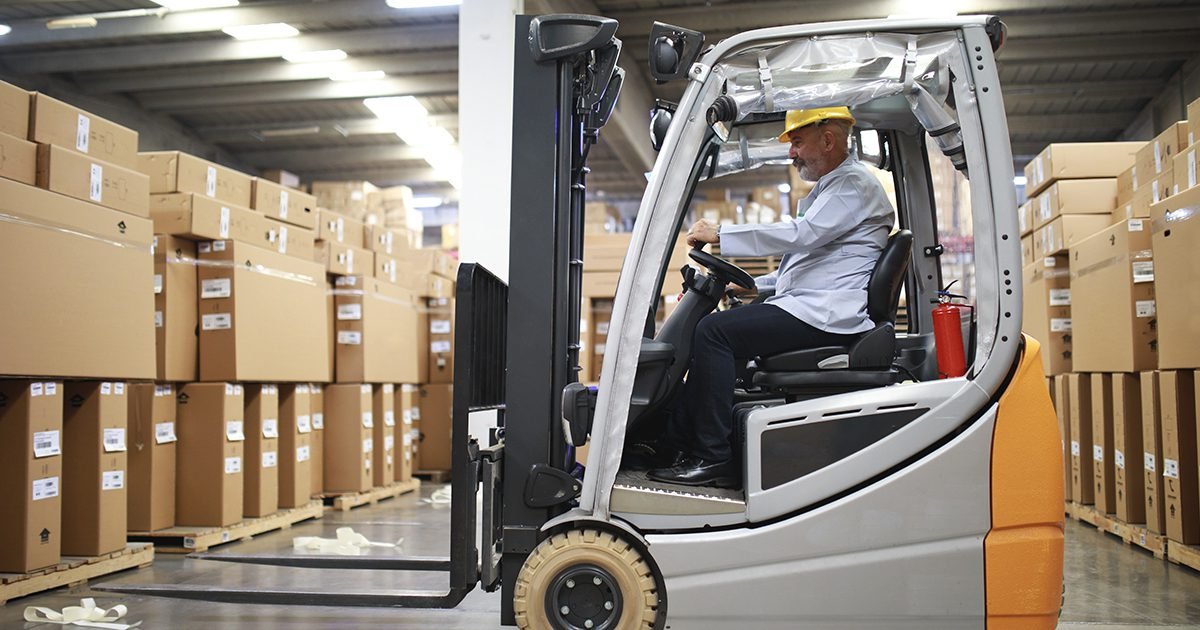
    Forklift batteries are one of the most demanding deep-cycle applications — and the wrong choice can cost a warehouse operator thousands in premature replacements and downtime. This guide covers everything from battery types to charger selection for warehouse managers and fleet operators in 2026.

    Forklift Battery Types Compared

    | Battery Type | Voltage | Capacity Range | Cycle Life | Best For | |—|—|—|—|—| | Lead-acid EVF (flooded) | 24V / 36V / 48V / 72V / 80V | 200–1600Ah | 1,500–2,500 cycles | Heavy-duty counterbalance forklifts | | AGM VRLA | 24V / 48V | 100–400Ah | 800–1,200 cycles | Light-duty / walkie pallet trucks | | LiFePO4 | 24V / 48V / 80V | 200–1000Ah | 3,000–6,000 cycles | Multi-shift operations |

    Common Forklift Voltage Configurations

    | Forklift Class | System Voltage | Battery Config | Typical Capacity | |—|—|—|—| | Class I: Electric counterbalance (1–3 tonne) | 48V | 24 × 2V cells OR 4 × 12V blocs | 400–800Ah | | Class II: Electric narrow-aisle | 36V | 18 × 2V cells OR 3 × 12V blocs | 300–600Ah | | Class III: Electric pallet truck | 24V | 12 × 2V cells OR 2 × 12V blocs | 200–400Ah | | Class V: Heavy counterbalance (4+ tonne) | 80V | 40 × 2V cells | 800–1600Ah |

    2026 Forklift Battery Price Reference

    | Specification | Type | FOB Price (CNY) | FOB Price (USD est.) | |—|—|—|—| | 2V 400Ah Forklift | Lead-acid EVF | ¥800–1,200 | $114–171 | | 2V 500Ah Forklift | Lead-acid EVF | ¥950–1,400 | $136–200 | | 2V 600Ah Forklift | Lead-acid EVF | ¥1,100–1,650 | $157–236 | | 2V 800Ah Forklift | Lead-acid EVF | ¥1,400–2,100 | $200–300 | | 12V 400Ah Forklift Bloc | Lead-acid EVF | ¥900–1,350 | $129–193 | | 48V 400Ah LiFePO4 Pack | Lithium | ¥4,800–6,900 | $686–986 | | 48V 600Ah LiFePO4 Pack | Lithium | ¥6,500–9,300 | $929–1,329 |

    Prices are per unit. A complete forklift battery bank requires multiple cells or blocs in series.

    How to Size a Forklift Battery

    Calculate daily energy demand

    Daily Ah needed = (Motor watts × Hours per shift) ÷ System voltage ÷ 0.85 (efficiency)

    Example: 48V forklift, 8kW motor, 8 hours/day = (8,000 × 8) / 48 / 0.85 = 1,569 Ah/day required

    Size for 60–80% depth of discharge

    Battery capacity needed = Daily Ah ÷ 0.70 (for 70% DoD)

    = 1,569 / 0.70 = 2,241 Ah → recommend 3 × 2V 800Ah cells

    Opportunity Charging: The Key to Multi-Shift Operations

    For warehouses running two or three shifts, opportunity charging (topping up during breaks) can double effective battery life:

    Rules for opportunity charging:

    1. Use opportunity charging only with batteries below 80% SoC
    2. Limit opportunity charges to 30–60 minutes maximum
    3. Perform a full discharge cycle at least once per week
    4. Ensure your charger is compatible with opportunity charging profiles

    Forklift Battery Maintenance Schedule

    Daily (operator checklist)

    • Check connector for heat or damage
    • Ensure battery is properly connected
    • Verify water level (flooded batteries only) before charging

    Weekly (maintenance technician)

    • Check all inter-cell connectors for tightness
    • Clean battery top with damp cloth
    • Check for corrosion on terminals

    Monthly (battery technician)

    • Perform equalization charge (flooded batteries)
    • Check specific gravity of each cell
    • Record all readings for trend analysis

    CHISEN Battery Forklift Battery Range

    CHISEN Battery supplies forklift batteries for all major forklift brands and configurations:

    • EVF deep cycle lead-acid cells: 2V 200Ah–1600Ah for Class I–V electric forklifts
    • 12V blocs for 48V/80V conversions: Pre-assembled battery banks
    • LiFePO4 forklift battery packs: Drop-in 48V and 80V packs with built-in BMS
    • Charger compatibility guidance: Full technical support to match battery with existing chargers
    • Custom configurations: Available for OEM and fleet procurement
    • Certifications: CE, ISO9001, UKAS

    Send your forklift model, voltage requirement, and shift schedule for a sizing recommendation: 📧 jack@chisen.cn | WhatsApp: +86 131 6622 6999 | www.chisen.cn

    Need help selecting the right battery for your application?

    CHISEN Battery provides free sizing consultation and technical support for distributors and EPC contractors worldwide. Response within 24 hours.

    Email: sales@chisen.cn | 
    WhatsApp: +86 131 6622 6999 | 
    Website: www.chisen.cn

    About the Author

    Prepared by the CHISEN Battery technical writing team. CHISEN Battery is a professional lead-acid and lithium battery manufacturer in China, ISO 9001 / CE / UL certified, exporting to 50+ countries worldwide.

    Contact: sales@chisen.cn | 
    Website: www.chisen.cn | 
    WhatsApp: +86 131 6622 6999

  • Gel Battery vs AGM vs Flooded Lead-Acid 2026: Full Comparison for Solar & Industrial Use

    Gel battery vs AGM vs flooded lead acid comparison 2026
    Gel battery vs AGM vs flooded lead acid comparison 2026

    Gel Battery vs AGM vs Flooded Lead-Acid 2026: Full Comparison for Solar & Industrial Use

    Choosing between gel, AGM, and flooded lead-acid batteries is one of the most common procurement decisions in solar and industrial energy storage. This article gives you a definitive, unbiased comparison based on real specifications.

    Electrolyte Technology: The Fundamental Difference

    | Battery Type | Electrolyte Form | Sealed? | Maintenance | |—|—|—|—| | Flooded Lead-Acid | Liquid sulfuric acid | No | Regular watering required | | AGM VRLA | Acid absorbed in glass mats | Yes | None | | Gel VRLA (OPzV) | Silica gel immobilizes electrolyte | Yes | None |

    The electrolyte form determines oxygen recombination efficiency, water loss rate, and high-temperature tolerance — all critical for solar applications.

    Deep Cycle Performance: Gel Wins for Solar

    | Battery Type | Cycles @ 50% DoD | Cycles @ 80% DoD | Design Life | |—|—|—|—| | Flooded Lead-Acid | 600–800 | 300–400 | 3–5 years | | AGM VRLA | 700–900 | 400–500 | 4–6 years | | Tubular Gel OPzV | 1,200–1,500 | 800–1,000 | 8–12 years |

    For daily-cycling solar systems, OPzV delivers the lowest cost per cycle over the battery’s lifetime.

    High-Temperature Performance

    Solar batteries operate in hostile thermal environments. The impact on battery life is dramatic:

    At 35°C ambient temperature (common in rooftop solar):

    • Flooded: Loses approximately 50% of rated life
    • AGM: Loses approximately 40% of rated life
    • OPzV Gel: Loses approximately 20% of rated life

    This thermal resilience is why OPzV Gel dominates solar storage in Southeast Asia, the Middle East, and Africa.

    Price Comparison by Type

    | Type | 2V 500Ah Price (CNY) | 2V 1000Ah Price (CNY) | |—|—|—| | Flooded Lead-Acid | ¥900–1,400 | ¥1,800–2,600 | | AGM VRLA | ¥1,400–2,000 | ¥2,600–3,800 | | OPzV Tubular Gel | ¥1,200–1,800 | ¥2,200–3,200 |

    OPzV Gel is priced between AGM and flooded on upfront cost — but wins clearly on total cost of ownership.

    Decision Framework: When to Choose Which

    Choose Flooded Lead-Acid when:

    • Budget is the primary constraint
    • A dedicated maintenance team is available
    • Battery will not deep cycle regularly
    • Installation area is well-ventilated

    Choose AGM when:

    • Zero maintenance is required
    • Installation is indoors or in a confined space
    • Occasional backup use (not daily cycling)
    • Initial cost must be minimized

    Choose OPzV Gel when:

    • Batteries will deep cycle daily (PSOC operation)
    • Ambient temperature exceeds 30°C regularly
    • System design life exceeds 8 years
    • Total cost of ownership is the priority

    CHISEN Battery: All Three Technologies Available

    CHISEN Battery manufactures all three battery types with full quality control:

    • Flooded deep cycle batteries: For large industrial applications
    • AGM VRLA batteries: 7Ah–250Ah for UPS and backup applications
    • OPzV Tubular Gel: 2V 100Ah–3000Ah for solar and critical infrastructure
    • Certifications: CE, ISO9001, UKAS, TUV Rheinland
    • Custom configurations: Available for OEM projects

    Request specifications and a comparative quotation: 📧 jack@chisen.cn | WhatsApp: +86 131 6622 6999 | www.chisen.cn

    Need help selecting the right battery for your application?

    CHISEN Battery provides free sizing consultation and technical support for distributors and EPC contractors worldwide. Response within 24 hours.

    Email: sales@chisen.cn | 
    WhatsApp: +86 131 6622 6999 | 
    Website: www.chisen.cn

    About the Author

    Prepared by the CHISEN Battery technical writing team. CHISEN Battery is a professional lead-acid and lithium battery manufacturer in China, ISO 9001 / CE / UL certified, exporting to 50+ countries worldwide.

    Contact: sales@chisen.cn | 
    Website: www.chisen.cn | 
    WhatsApp: +86 131 6622 6999

  • Energy Storage Battery 2026: Complete Sizing Guide for Residential & Commercial Projects

    Energy storage battery guide 2026 residential commercial sizing
    Energy storage battery guide 2026 residential commercial sizing

    Energy Storage Battery 2026: Types, Applications & Sizing Guide

    Energy storage is the foundation of modern solar microgrids, backup power systems, and off-grid infrastructure. This guide covers battery technologies, sizing methodology, and real-world pricing for 2026.

    Four Key Energy Storage Battery Technologies

    | Technology | Cycle Life (80% DoD) | Round-Trip Efficiency | Best For | |—|—|—|—| | OPzV Lead-Acid Gel | 800–1,500 cycles | 78–85% | Budget / large stationary storage | | Lithium-ion NMC | 3,000–5,000 cycles | 90–95% | High-energy-density applications | | LiFePO4 (LFP) | 4,000–6,000 cycles | 88–95% | Best safety / life / cost balance | | Flow batteries (VRB) | 10,000–20,000 cycles | 65–75% | Very large, long-duration storage |

    How to Size an Energy Storage Battery Bank

    Step 1: Define your objective

    | Objective | Sizing Rule | |—|—| | Daily solar energy shifting | 1-day autonomy: daily kWh × 1 | | Backup power (grid outage) | Full backup: daily kWh × backup days | | Off-grid primary power | 2–3 days autonomy + generator |

    Step 2: Calculate daily energy requirement (kWh)

    List all loads, multiply by hours of use per day, sum all values.

    Step 3: Size the battery bank

    Battery bank (kWh) = Daily usage × Days autonomy ÷ DoD limit

    Examples:

    • Residential backup (1 day, LiFePO4 80% DoD): 12kWh daily → 15kWh bank needed
    • Commercial (2 days, OPzV 50% DoD): 50kWh daily → 200kWh bank needed

    2026 Energy Storage Battery Price Reference

    Lead-Acid (OPzV / AGM)

    | Specification | FOB Price (CNY) | Application | |—|—|—| | 2V 200Ah OPzV | ¥600–900 | Residential/commercial storage | | 2V 500Ah OPzV | ¥1,200–1,800 | Commercial / small utility | | 2V 1000Ah OPzV | ¥2,200–3,200 | Utility-scale storage | | 2V 2000Ah OPzV | ¥3,800–5,500 | Large utility / telecom | | 12V 100Ah AGM | ¥280–420 | Small home backup | | 12V 200Ah AGM | ¥480–720 | Medium residential systems |

    Lithium (LiFePO4)

    | Specification | FOB Price (CNY) | Application | |—|—|—| | 48V 50Ah LiFePO4 | ¥1,800–2,600 | Small residential | | 48V 100Ah LiFePO4 | ¥3,200–4,600 | Standard residential | | 48V 200Ah LiFePO4 | ¥5,800–8,400 | Large residential / small commercial | | 96V 200Ah LiFePO4 | ¥10,500–15,000 | Commercial systems |

    Specifications to Include in Energy Storage Tenders

    When requesting quotes, always specify: usable capacity (kWh), DoD limit, cycle life at stated DoD with test standard, round-trip efficiency at 25°C, operating temperature range and derating curve, warranty type (performance or replacement), and PSOC performance data for solar-coupled applications.

    CHISEN Battery Energy Storage Solutions

    CHISEN Battery delivers battery systems for every scale:

    • OPzV tubular gel cells (2V): 100Ah–3000Ah — standard for utility-scale solar + storage
    • AGM VRLA battery banks: Pre-assembled 48V and 96V packs for commercial buildings
    • LiFePO4 energy storage systems: 48V residential and 96V–500V commercial racks
    • Certifications: CE, IEC 62619, UN38.3, UL1973 (select models)
    • Project references: Solar + storage installations in 50+ countries

    Send your project specifications for a quotation: 📧 jack@chisen.cn | WhatsApp: +86 131 6622 6999 | www.chisen.cn

    Need help selecting the right battery for your application?

    CHISEN Battery provides free sizing consultation and technical support for distributors and EPC contractors worldwide. Response within 24 hours.

    Email: sales@chisen.cn | 
    WhatsApp: +86 131 6622 6999 | 
    Website: www.chisen.cn

    About the Author

    Prepared by the CHISEN Battery technical writing team. CHISEN Battery is a professional lead-acid and lithium battery manufacturer in China, ISO 9001 / CE / UL certified, exporting to 50+ countries worldwide.

    Contact: sales@chisen.cn | 
    Website: www.chisen.cn | 
    WhatsApp: +86 131 6622 6999

  • Golf Cart Battery 2026: Complete Guide — Types, Sizing, Prices & Maintenance

    Golf cart battery 2026 guide types sizing prices maintenance
    Golf cart battery 2026 guide types sizing prices maintenance

    Golf Cart Battery 2026: Complete Guide — Types, Sizing, Prices & Maintenance Tips

    Whether you’re powering a fleet of golf carts at a resort, a utility vehicle fleet at an airport, or a solar-powered tricycle in rural Southeast Asia, choosing the right battery determines your total operating cost for years. This guide covers golf cart battery types, sizing, pricing, and maintenance best practices for 2026.

    Golf Cart Battery Types Compared

    | Battery Type | Voltage Config | Capacity Range | Cycle Life | Maintenance | Best For | |—|—|—|—|—|—| | Flooded Lead-Acid | 6V / 8V / 12V | 150–250Ah | 600–900 cycles | Monthly watering | Budget / large fleets with maintenance staff | | AGM VRLA | 6V / 8V / 12V | 100–200Ah | 500–800 cycles | None | Cost-sensitive / indoor use | | Tubular Gel (OPzV) | 2V cell × 6/8 | 200–300Ah | 1,000–1,500 cycles | None | Long-term / solar golf carts | | LiFePO4 | 48V / 51.2V | 50–200Ah | 3,000–5,000 cycles | None | Premium / zero-maintenance |

    Golf Cart Voltage Configurations

    Most golf carts run on 36V or 48V systems. Here’s how to configure:

    48V system (most common for 8-passenger / performance carts):

    • 8 × 6V batteries in series (recommended)
    • 4 × 12V batteries in series (alternative)
    • 1 × 48V LiFePO4 pack (modern upgrade)

    36V system (older / standard carts):

    • 6 × 6V batteries in series

    Voltage upgrade tip: Replacing a 36V lead-acid pack with a 48V pack (requires controller upgrade) increases efficiency by approximately 15% — same battery capacity, longer run time.

    2026 Golf Cart Battery Price Reference

    | Specification | Type | FOB Price (CNY) | FOB Price (USD est.) | |—|—|—|—| | 6V 180Ah Golf Cart | Flooded lead-acid | ¥280–420 | $40–60 | | 6V 200Ah Golf Cart | Flooded lead-acid | ¥320–480 | $46–69 | | 6V 225Ah Golf Cart | Flooded lead-acid | ¥380–560 | $54–80 | | 8V 170Ah Golf Cart | Flooded lead-acid | ¥300–440 | $43–63 | | 8V 200Ah Golf Cart | Flooded lead-acid | ¥360–530 | $51–76 | | 12V 75Ah Golf Cart | AGM | ¥220–340 | $31–49 | | 12V 100Ah Golf Cart | AGM | ¥280–420 | $40–60 | | 48V 40Ah Golf Cart | LiFePO4 | ¥1,350–1,950 | $193–279 | | 48V 60Ah Golf Cart | LiFePO4 | ¥1,900–2,750 | $271–393 | | 48V 100Ah Golf Cart | LiFePO4 | ¥2,800–4,000 | $400–571 |

    Complete 48V golf cart set = 8 batteries for 6V config or 4 batteries for 12V config. Prices are per battery unit.

    How to Size Golf Cart Batteries

    Step 1: Know your cart’s voltage system (36V or 48V) This is non-negotiable — never mix voltages.

    Step 2: Calculate daily amp-hour usage Daily Ah used = (motor watts × hours/day) ÷ system voltage ÷ 0.85 (efficiency)

    Step 3: Size for 50% depth of discharge Battery bank capacity = Daily Ah usage × 2

    Example: 48V cart, 700W motor, 4 hours/day = (700 × 4) / 48 / 0.85 = 68.6 Ah/day → 137Ah bank minimum → Recommend 8 × 6V 200Ah or equivalent LiFePO4

    Golf Cart Battery Sizing by Application

    | Application | System Voltage | Recommended Battery Bank | Type | |—|—|—|—| | 18-hole golf course | 48V | 8 × 6V 200Ah | Flooded or AGM | | Resort / hotel fleet | 48V | 8 × 6V 225Ah | Flooded (daily use) | | Airport utility vehicles | 48V | 8 × 6V 180Ah or LiFePO4 | AGM or lithium | | Solar-powered tricycle | 48V | 4 × 12V 100Ah | AGM (partial daily cycles) | | Hunting / off-road cart | 48V | 8 × 6V 200Ah deep cycle | Flooded deep cycle | | Solar golf cart (off-grid) | 48V | 2V cells × 24 or OPzV | OPzV Gel (PSOC) |

    Maintenance Guide: Extending Golf Cart Battery Life

    Flooded lead-acid — monthly checklist

    1. Check water level (top up with distilled water only)
    2. Clean terminals and apply anti-corrosion spray
    3. Check specific gravity of each cell with hydrometer
    4. Equalize charge monthly (if your charger supports it)
    5. Tighten terminal connections

    AGM and Gel — quarterly checklist

    1. Clean terminals
    2. Check connections for corrosion
    3. Verify charging voltage with a multimeter

    LiFePO4 — annual check

    1. Inspect BMS indicator lights
    2. Verify cell balance (all cells at same voltage when fully charged)
    3. Check that connector contacts are clean and tight

    CHISEN Battery Golf Cart Battery Range

    CHISEN Battery is a specialized manufacturer of golf cart and utility vehicle batteries:

    • 6V / 8V / 12V flooded lead-acid golf cart batteries: 150–250Ah, designed for deep discharge cycling
    • Deep cycle AGM batteries: 12V 75–150Ah for 48V golf cart conversions
    • OPzV tubular gel batteries: For solar-powered golf carts and PSOC operation
    • LiFePO4 48V packs: 40–100Ah, drop-in replacement for lead-acid golf cart packs
    • Custom battery banks: Pre-assembled and tested 48V packs available
    • Certifications: CE, ISO9001, UKAS
    • Packing: Battery-safe export cartons with UN38.3 documentation

    Request specifications and pricing for your golf cart voltage configuration: 📧 jack@chisen.cn | WhatsApp: +86 131 6622 6999 | www.chisen.cn

    Need help selecting the right battery for your application?

    CHISEN Battery provides free sizing consultation and technical support for distributors and EPC contractors worldwide. Response within 24 hours.

    Email: sales@chisen.cn | 
    WhatsApp: +86 131 6622 6999 | 
    Website: www.chisen.cn

    About the Author

    Prepared by the CHISEN Battery technical writing team. CHISEN Battery is a professional lead-acid and lithium battery manufacturer in China, ISO 9001 / CE / UL certified, exporting to 50+ countries worldwide.

    Contact: sales@chisen.cn | 
    Website: www.chisen.cn | 
    WhatsApp: +86 131 6622 6999