Which Safety Certifications Matter When Buying an Electric Scooter Battery?
Buying an electric scooter battery without checking its safety certifications is like buying a parachute without knowing if it has been tested — the price might look attractive, but the consequences of failure can be severe and irreversible. Across the world, regulatory bodies in major markets have established mandatory and voluntary standards specifically for light electric vehicle batteries, and understanding which certifications matter in your region can protect you from buying substandard products that fail at the worst possible moment. Whether you are a consumer replacing a worn battery in London, a fleet operator in Sydney, or a distributor stocking inventory for the EU market, the certification landscape has real implications for both legal compliance and personal safety. This guide cuts through the jargon to explain which certifications are mandatory, which are genuinely useful, and how to verify that a battery genuinely meets the standard it claims.
CE Marking: The Gateway Requirement for the European Union
The CE mark is not just a logo — it is a legal declaration by the manufacturer that the product complies with all applicable EU directives, and for electric scooter batteries sold within the European Union, it is a mandatory requirement for legal market access. Under the Radio Equipment Directive and the General Product Safety Regulation, a battery bearing the CE mark must demonstrate compliance with electromagnetic compatibility requirements and be accompanied by documentation showing that it poses no unreasonable risk to health or safety under normal and foreseeable conditions of use. In practice, this means that a CE-certified electric scooter battery has been evaluated for electrical safety, short-circuit protection, and thermal stability — though the depth of testing varies significantly between manufacturers, with reputable third-party laboratories conducting full IEC 62133 testing while budget manufacturers sometimes self-declare compliance without rigorous verification. UK buyers should note that post-Brexit requirements are converging with CE, and the new UKCA marking is now the legal standard for Great Britain, while CE remains valid for Northern Ireland — a distinction that matters for cross-border logistics and online purchasing. Australian consumers benefit from the Australian Competition and Consumer Commission’s framework, which references international standards including IEC 62133 as the baseline for safe consumer battery sales, meaning CE-marked batteries imported into Australia generally meet or exceed the expected safety threshold.
UL 2271: The North American Standard for Light Electric Vehicle Batteries
For the United States and Canada, UL 2271 has become the de facto safety standard for batteries used in electric bicycles, scooters, and similar light electric vehicles, and it is increasingly enforced at the retail and import level to protect consumers from battery fires. The UL 2271 standard subjects batteries to a comprehensive suite of tests covering electrical abuse scenarios such as short-circuiting and overcharge, mechanical abuse including crush and impact testing, and environmental conditions such as high-temperature exposure and thermal propagation testing that evaluates whether a battery can safely contain a thermal runaway event. Research on battery safety incidents consistently shows that uncertified batteries fail at a rate three to five times higher than properly tested units, and in the United States this has prompted major retailers and municipal fleets to mandate UL 2271 certification as a minimum purchasing requirement. For Canadian importers, Transport Canada’s guidelines for lithium-ion and lead-acid batteries in personal mobility devices also reference UL 2271 as the preferred safety benchmark, making it the practical standard for North American market access. A CE mark alone does not satisfy UL 2271 requirements, which means a battery legally sold in the EU may not meet the standards expected by US consumers, fleet operators, or insurance companies — a critical distinction for anyone importing or reselling across jurisdictions.
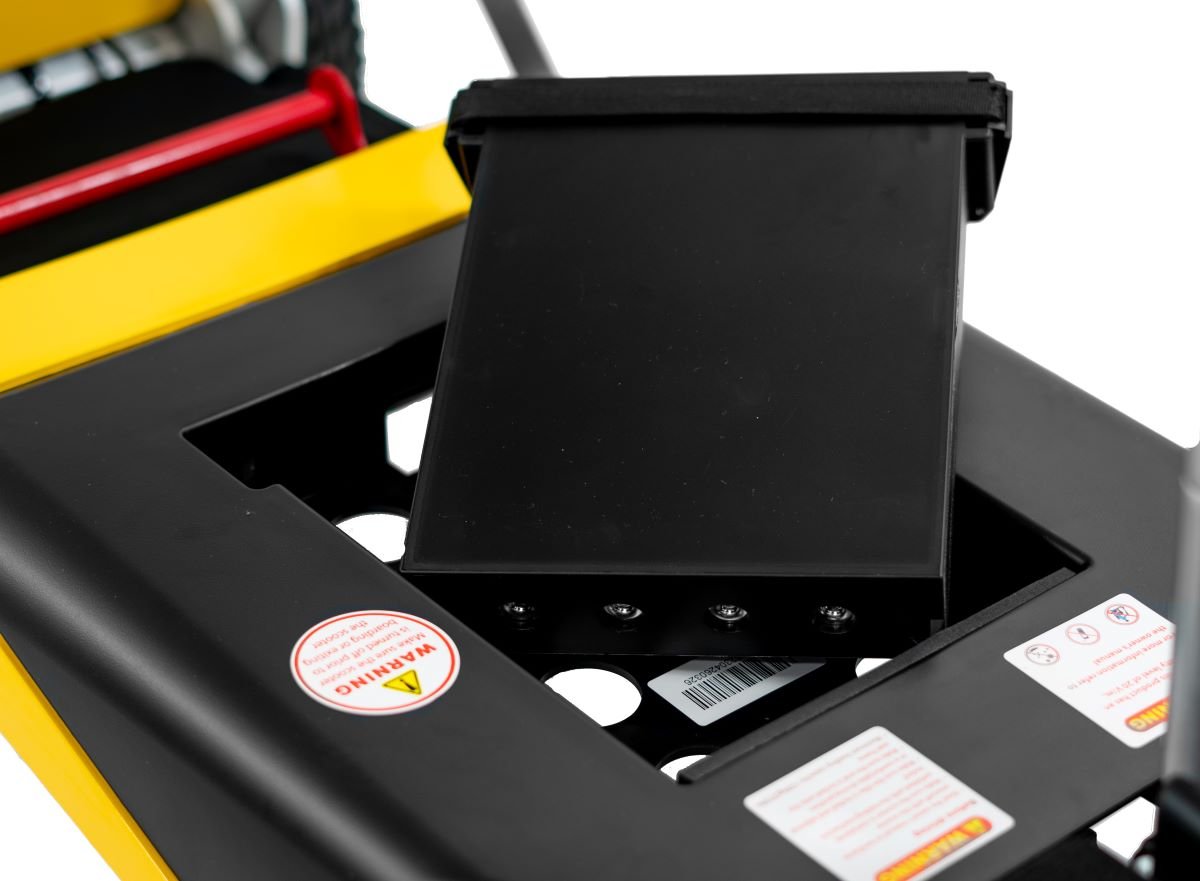
!electric-scooter-lithium-battery-pack-close-up.jpg

UN38.3: The Global Shipping Requirement Every Supplier Must Meet
If a battery crosses a border — whether it is shipped from a factory in China to a warehouse in Germany, from a distributor in Los Angeles to a retailer in Sydney, or from an online seller in the UK to a consumer in New Zealand — it must comply with UN38.3, the United Nations standard governing the transport of dangerous goods by air, sea, and road. UN38.3 testing simulates the physical and environmental stresses that a battery encounters during international shipping, including altitude exposure that replicates airplane cargo holds, thermal testing across extreme temperature ranges, vibration and shock testing that mimics road and sea freight handling, and short-circuit tests to verify that batteries cannot generate dangerous heat or flames under transit conditions. This certification is not a market-entry permit — it is a logistics prerequisite, and any reputable supplier will have UN38.3 documentation readily available because failing to produce it during customs inspection can result in shipment delays, fines, or destruction of goods. For Australian consumers purchasing imported batteries online, UN38.3 compliance is often the only certification present on budget products sourced through grey market channels, and while it indicates that the battery survived basic shipping stress tests, it says nothing about long-term operational safety or fitness for daily use on a public road. Distributors and fleet managers should always request the full UN38.3 test report — not just a summary — because the detail matters: a battery that barely passes one subtest versus one that passes with wide safety margins is a meaningfully different risk profile.
IEC 62133: The Global Baseline Standard for Portable Batteries
IEC 62133 is the international standard published by the International Electrotechnical Commission that defines safety requirements for portable sealed secondary batteries — and it serves as the foundational reference for most regional certifications including CE, UL, and the Australian standards framework. The standard covers both nickel-based and lithium-based chemistries, with specific test procedures for each, and it evaluates batteries for risks including internal short circuits, thermal abuse, vibration, and mechanical shock under conditions of foreseeable use and misuse. A battery that has been tested to IEC 62133 has demonstrated a baseline level of safety that is recognized in markets across Asia, Europe, North America, and Australia, making it the most universally accepted standard for globally traded portable battery products. For buyers in emerging markets such as Southeast Asia, Africa, and South America where local certification schemes may be less developed, IEC 62133 compliance provides the most reliable indicator of battery safety because it is an internationally peer-reviewed standard with rigorous and publicly documented test procedures. CHISEN batteries are engineered to meet or exceed IEC 62133 requirements as part of their global compliance program, giving distributors and OEM customers confidence that products will pass destination-market testing without costly redesigns or repeated submission cycles.
How to Verify Certifications and Avoid Fake Documentation
In an industry where battery-related fires cause millions of dollars in property damage and dozens of fatalities globally each year, counterfeit certification marks and fabricated test reports are a genuine and growing problem that sophisticated buyers learn to recognize and avoid. The most reliable verification step is to request the actual test report from the certification body — not just a certificate — because legitimate laboratories such as TÜV, SGS, Intertek, and UL Solutions can be contacted directly to confirm that a report number and manufacturer name match their records. A reputable supplier should provide test report numbers, the name of the testing laboratory, and the standards version tested (for example, IEC 62133:2017 versus an older version) without hesitation or excuses about confidentiality. Red flags that indicate potentially fraudulent documentation include generic email addresses from free providers, spelling errors in company names, outdated standards versions, and certificates that are only available as low-resolution images that cannot be independently verified online. For fleet operators in the EU or Australia who face legal liability for equipment failures, conducting an independent verification audit of supplier documentation before placing large orders is a relatively small investment that can prevent catastrophic consequences downstream.
Need a certified electric scooter battery from a manufacturer you can trust? 📧

发表回复