The Truth About Electric Scooter Battery Degradation Over Time
If you’ve noticed your electric scooter doesn’t go as far as it used to, you’re not imagining it. Battery degradation is real, measurable, and follows predictable patterns — especially in lead-acid batteries, which degrade through specific, well-understood mechanisms. Understanding exactly what’s happening inside your battery as it ages helps you separate the normal from the alarming, and gives you the knowledge to intervene early when intervention is still possible.
Battery degradation is not a smooth, linear decline. Most lead-acid electric scooter batteries follow an “S-curve” pattern: a slow initial capacity fade during the first 50–100 cycles, a long stable period where capacity remains relatively flat, and then an accelerating decline as the battery approaches its cycle limit. This pattern reflects the underlying chemical and physical processes at work, and recognizing it helps you anticipate when replacement is approaching.
The Three Primary Degradation Mechanisms in Lead-Acid Batteries
Lead-acid batteries degrade through three distinct processes, each with different symptoms and timelines. Understanding all three gives you a complete picture of what’s happening to your electric scooter battery over months and years of use.
Sulfation is the most well-known degradation mechanism and the primary culprit in most premature lead-acid battery failures. During discharge, lead sulfate (PbSO₄) forms on both the positive and negative plates. During normal charging, this lead sulfate is converted back into lead and lead dioxide. But under conditions of low state of charge, incomplete charging, or elevated temperature, some of the lead sulfate crystals grow too large to fully dissolve. These large crystals accumulate as a non-conductive coating, progressively reducing the active surface area of the plates.
The math is stark: a lead-acid battery that has developed moderate sulfation may have lost 15–20% of its plate surface area — permanently. That translates directly into 15–20% less capacity. Severe sulfation can reduce active surface area by 50% or more, rendering the battery essentially useless. The good news is that sulfation is largely preventable through the charging habits described throughout this series.
Grid corrosion affects the positive plate — the structural lead framework that holds the lead dioxide active material. During float and overcharge conditions, the lead grid slowly oxidizes at the positive plate surface, converting lead metal into lead dioxide. This process thickens the grid corrosion layer over time, increasing electrical resistance and consuming active material. Grid corrosion is irreversible and cumulative; every overcharge event, every degree of temperature above 25°C, and every day of float charge at elevated voltage adds to it.
Grid corrosion progresses slowly at first — measurable only in millivolts of increased internal resistance per month — but accelerates as the corrosion layer thickens. By the time a battery shows obvious symptoms of grid corrosion (elevated charging voltage, reduced runtime, excessive heat during discharge), the damage is extensive. At 25°C, grid corrosion might consume 2–3% of the positive plate per year. At 35°C, that rate doubles to 4–6% per year.
Active material shedding occurs when the lead dioxide on the positive plate gradually loosens and falls away from the grid structure. This is a mechanical process accelerated by repeated expansion and contraction of the active material during charge-discharge cycles, and by physical shock or vibration. Shed active material falls to the bottom of the battery cell and accumulates. If it builds up high enough to contact the bottom of the plates, it can cause an internal short — catastrophic and irreversible battery failure.
AGM batteries like CHISEN’s AGM electric scooter batteries are significantly more resistant to active material shedding than flooded lead-acid designs because the compressed glass mat separator holds the plates in place and absorbs the shed material without creating shorts. AGM construction typically extends the shedding-tolerant life of a lead-acid battery by 30–50% compared to flooded designs.
Capacity Fade Curves: What to Expect at Every Stage
Battery researchers and manufacturers typically plot capacity fade curves using cycle number on the horizontal axis and remaining capacity percentage on the vertical axis. A typical curve for a well-maintained sealed lead-acid battery shows: 100% at delivery (or 100–105% after formation), 95–98% after 20–50 cycles (the “break-in” stabilization period), 88–92% after 100 cycles, 75–82% after 200 cycles, 60–68% after 300 cycles, and 50% or below after 400–500 cycles.
These numbers assume cycling at 50% depth of discharge at 25°C with proper charging. At shallower DoD, the curve is shallower — a battery cycled at 25% DoD might show 80% capacity after 300 cycles instead of 60%. At deeper DoD, the curve steepens faster. At elevated temperatures, the entire curve shifts downward — a battery at 35°C might show 75% capacity after 200 cycles instead of 80%.
What does this look like in real-world terms? A 20 km range electric scooter with a fresh battery might deliver 19–20 km in its first months. After 100 cycles (roughly 4–6 months of daily commuting), expect 17–18 km. After 200 cycles (8–12 months), approximately 15–16 km. After 300 cycles (12–18 months of daily use), the range may have dropped to 12–13 km. Once it drops to 11–12 km (55–60% of original), the battery has reached its practical end of life for most riders.
Signs Your Battery Is Entering the Degradation Phase
Early signs of battery degradation are subtle and easy to miss. The first symptom most riders notice is a slight reduction in range — perhaps 5–10% less than they remember getting a year ago. This is normal and not necessarily a sign of impending failure. The second symptom is a longer charging time to reach full charge, even though the battery hasn’t been used more than usual. This indicates rising internal resistance.
More alarming symptoms that indicate accelerated degradation include: charging the battery takes 14+ hours instead of the usual 8–12 hours (suggesting reduced charge acceptance due to sulfation or corrosion); the battery gets noticeably warm during charging (normal batteries stay slightly warm, but hot-to-the-touch indicates problems); and the battery voltage drops rapidly under load — a fully charged battery that shows 11V or lower under acceleration has high internal resistance.
The most definitive test for battery health is a capacity test. Fully charge the battery, then discharge it through a known load (or simply ride until the low-battery cutoff activates) while measuring the elapsed time or distance. A battery delivering less than 60% of its rated capacity is considered end-of-life. A battery delivering 60–80% is in the “fade zone” and will need replacement within 3–6 months.
Can Degradation Be Reversed? The Honest Answer
Mild sulfation — which accounts for the majority of recoverable capacity loss in lead-acid batteries — can often be partially reversed through an equalization charge procedure. This involves charging the battery at 15–16V (well above the normal absorption voltage) for 2–4 hours after a full charge, which drives a controlled overcharge that dissolves softer sulfate crystals. A battery that has lost 15–20% capacity to mild sulfation might recover 8–12% through equalization.
Severe sulfation, grid corrosion, and active material shedding are not reversible. Once the grid structure has corroded or active material has shed from the plates, no charging procedure can restore it. This is why prevention — through proper charging habits, temperature management, and regular equalization — is so much more effective than remediation.
CHISEN’s AGM batteries use premium-grade materials and precision manufacturing to minimize all three degradation mechanisms. Their corrosion-resistant grid alloys, high-density active material formulations, and compression-held plate stacks deliver consistent capacity throughout a longer cycle life than budget alternatives. For riders who want a battery that degrades slowly and predictably rather than suddenly failing, factory quality makes a measurable difference.
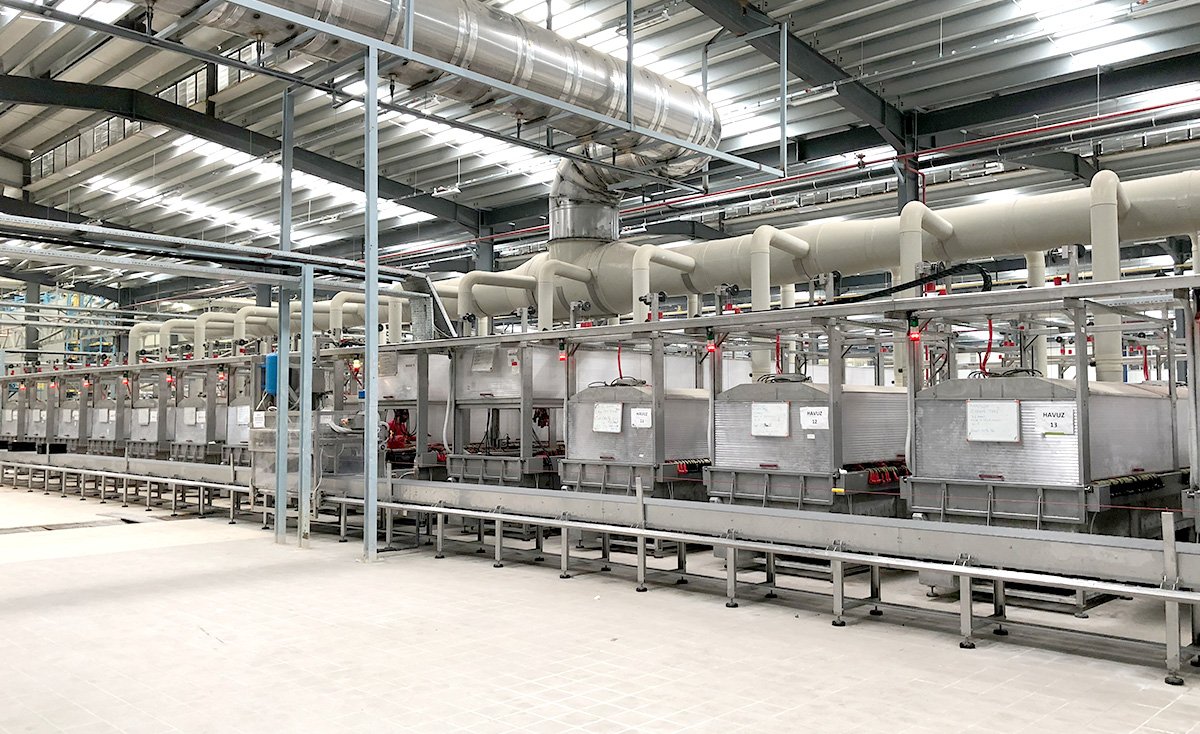
!lead-acid-battery-manufacturing-factory-line.jpg

Setting Realistic Expectations for Your Electric Scooter Battery
Here’s the honest summary for electric scooter owners: expect your lead-acid battery to deliver excellent performance for the first 150–200 cycles (6–12 months of moderate daily use), gradual but manageable fade from cycle 200 to 350 (adding another 6–12 months of reduced-range service), and replacement around cycle 400–500 (1.5–3 years total, depending on usage).
The key to managing battery degradation is not to fear it but to monitor it. Check your range monthly by noting how far you typically ride between charges. When the range drops by 30% or more from what you remember getting when the battery was new, start planning for replacement. This gives you time to shop, compare options, and install a new battery before you’re stranded.
For replacement batteries that meet or exceed original specifications, contact CHISEN with your scooter’s voltage, amp-hour rating, and physical dimensions. Their technical team can recommend the optimal replacement and discuss bulk pricing for fleet operators.

发表回复