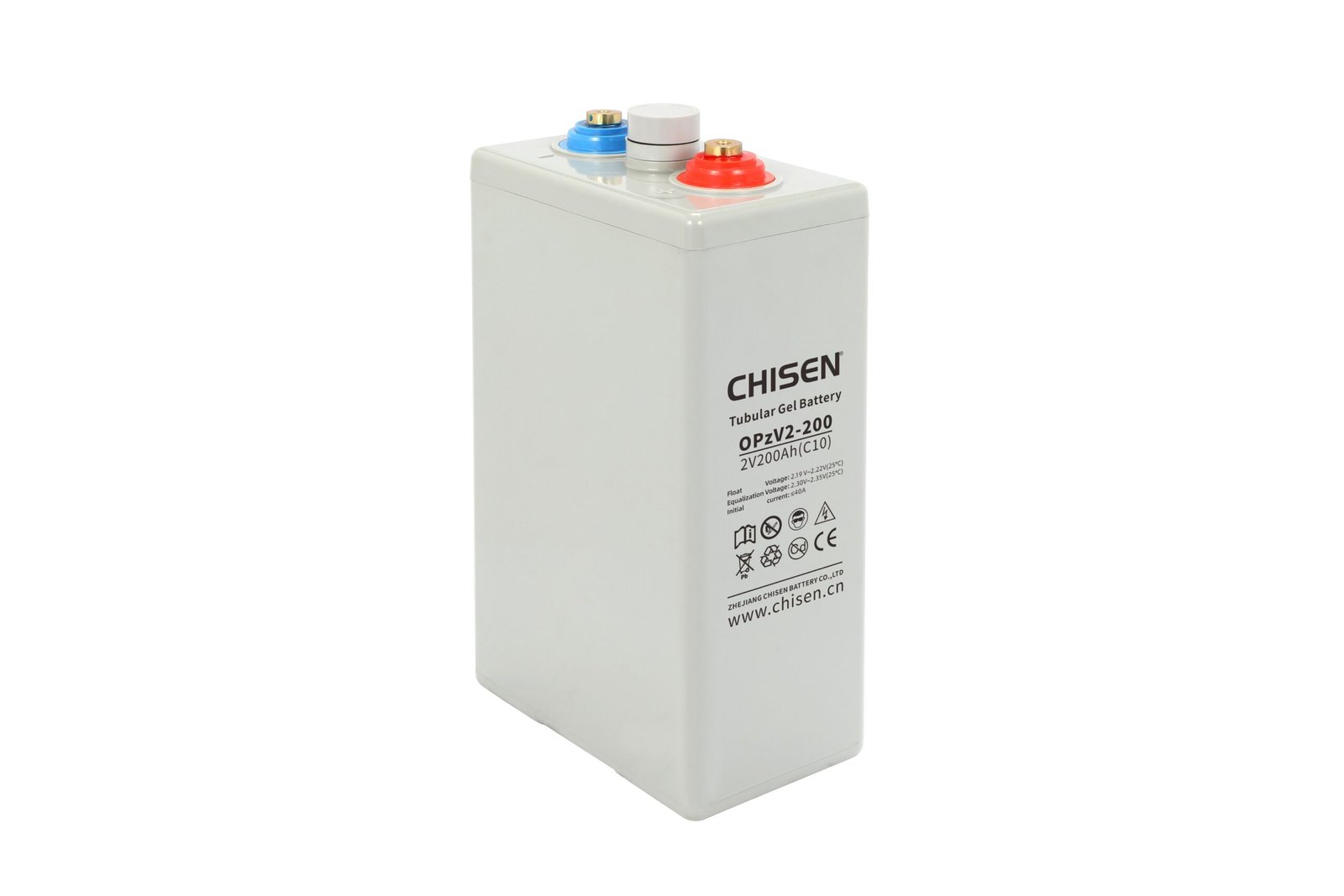
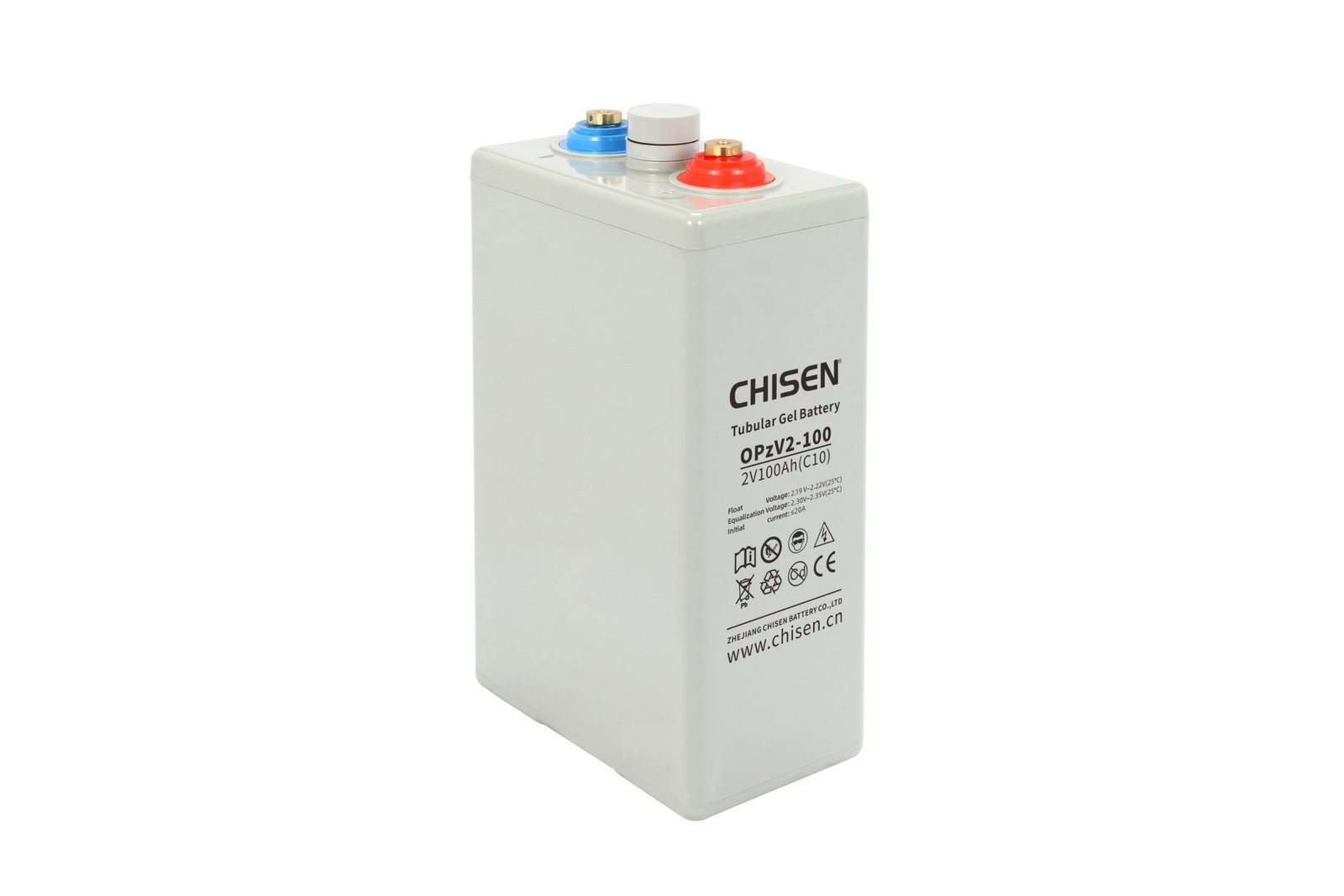
Lead acid Battery

  • Electric Scooter Battery Daily Habits That Add Years to Its Life

    Electric Scooter Battery Daily Habits That Add Years to Its Life

    Most electric scooter riders treat their battery like an afterthought — plug it in, forget about it, repeat until the scooter stops working. The problem is that by the time you notice battery degradation, irreversible damage has already been done. The electrolyte has begun crystallizing, the plates have started sulfating, and the capacity you lost is gone for good. The difference between a battery that fails after 18 months and one that reliably powers your rides for four years often comes down to a handful of daily micro-habits that take less than five minutes total per day. This guide gives you all 12 of them, with the specific numbers and mechanisms that make each one matter.

    The 12 Daily Habits That Transform Battery Lifespan

    Habit 1: Charge after riding, not in anticipation of the next ride. This is the most impactful habit change most riders can make. A lead-acid battery stored at 100% state of charge experiences more positive grid corrosion than one stored at 50–80% SOC. If you ride 10 km per day and your scooter has a 30 km range, charging to 40–50% after your ride rather than topping up to 100% before every ride dramatically reduces the daily stress on your battery plates. Only perform a full 100% charge once per week to condition the battery’s charge acceptance.

    Habit 2: Wait 30 minutes after riding before plugging in the charger. The battery generates heat during discharge, and the chemical reaction is still active immediately after you stop. Charging a hot battery raises its internal temperature further, accelerating the corrosion and gassing reactions. A 30-minute rest allows the battery to cool to near-ambient temperature, giving you the safest charging conditions of the day. This single habit can add 10–15% to your battery’s total cycle life.

    Habit 3: Keep your state of charge between 40–80% for daily use. This is the most battery-friendly operating window for lead-acid chemistry. In this range, the plates experience minimal sulfation buildup, gassing is negligible, and the electrolyte remains stable. Think of it like the comfort zone for your battery — stressful full charges and damaging deep discharges are the extremes you want to avoid as routine practice.

    Habit 4: Check connector warmth during charging. After 30 minutes of charging, feel the charger connector and the battery terminals. Normal warmth (barely warm to the touch) indicates healthy charging. If the connector is hot to the touch, unplug immediately — this signals high resistance at the connection, which can melt the connector housing and create a fire risk. High resistance is usually caused by corrosion, a loose connection, or a mismatched charger.

    Habit 5: Never let your battery sit below 20% state of charge overnight. A lead-acid battery left at 20% SOC or lower for 24 hours begins accumulating hard sulfate crystals on the plate surfaces. These crystals are much harder to dissolve during the next charge than the soft sulfate that forms during normal operation. If you come home with a nearly depleted battery, charge it that evening, even if it’s just to 40–50% before you go to bed.

    Habit 6: Wipe down battery terminals weekly with a dry cloth. Dust, moisture, and road grime accumulate on battery terminals over days of riding. This buildup creates a slight electrical resistance that generates heat during charging and discharging. Once per week, disconnect the battery terminals, wipe them with a clean dry cloth, and apply a thin smear of petroleum jelly or a commercial terminal protectant. Reconnect firmly.

    Habit 7: Avoid charging in extreme temperature conditions. Never charge when the battery is frozen (below 0°C), and never charge in direct sunlight or inside a hot car in summer. The ideal charging temperature range is 10–25°C. Charging in temperatures outside this range accelerates degradation — at 35°C, your battery ages roughly twice as fast per charge cycle as it does at 25°C.

    Habit 8: Use the correct charger every single time. A charger with the wrong voltage will either under-charge your battery (causing chronic sulfation from consistently low SOC) or over-charge it (causing grid corrosion and electrolyte loss). Always match the charger voltage exactly to your battery pack (12V for a single 12V battery, 24V for two in series, 36V for three, etc.). The charger amperage should be 10–20% of the battery’s rated Ah capacity — so a 12Ah battery needs a 1.2–2.4A charger.

    Habit 9: Check for physical swelling once per week. Lead-acid batteries can swell from gas buildup if a cell fails internally or if chronic overcharging has produced excess hydrogen. A swollen battery case is a serious safety concern — do not continue using it. If you notice any bulging, warping, or cracking of the battery case, replace the battery immediately. CHISEN batteries include pressure-release valves for safety, but a visibly swollen battery indicates the valve has already been activated repeatedly, meaning the battery is near the end of its safe service life.

    Habit 10: Keep the battery firmly secured in its mount. Vibration and mechanical movement accelerate plate shedding in lead-acid batteries, particularly in off-road or rough-terrain riding. Check that your battery’s mounting brackets are tight and that the battery has some form of vibration dampening (rubber pads or foam) between the case and the mounting surface.

    Habit 11: Never overload your scooter beyond its rated weight capacity. Excess weight forces the motor and battery to work harder, drawing higher current that generates more heat in the battery. A scooter rated for 100 kg carrying a 120 kg rider may draw 20–30% more current during acceleration, accelerating battery wear on every ride.

    Habit 12: Perform a monthly equalization charge. Once per month, after a regular discharge cycle, leave your charger connected for an additional 2–3 hours after the green indicator appears. This “overcharge” at controlled voltage (14.4–14.7V) helps balance the charge across all cells and reverses any mild sulfation that has accumulated on the plates during the month. This is the one time intentionally charging slightly above normal full charge is beneficial.

    These 12 habits take approximately 4 minutes of active attention per day and require no special tools. Combined, they can double your battery’s effective service life compared to a rider who ignores these practices.

  • Lead-Acid Electric Scooter Battery Maintenance: Best Practices Most Riders Ignore

    Lead-Acid Electric Scooter Battery Maintenance: Best Practices Most Riders Ignore

    Lead-Acid Electric Scooter Battery Maintenance: Best Practices Most Riders Ignore

    Lead-acid batteries are often described as “maintenance-free,” and while it’s true that sealed AGM and gel batteries don’t require you to add water, the phrase has led millions of riders to treat their batteries with a carelessness that cuts their lifespan in half. The truth is that lead-acid batteries — even sealed ones — respond dramatically to proper care. A few minutes of monthly attention can add 12–18 months of useful life to your battery pack, and that translates directly into money saved.

    This guide covers the maintenance practices that actually matter for electric scooter lead-acid batteries, separating the essentials from the marketing fluff.

    Why “Maintenance-Free” Is a Misleading Term

    When manufacturers call a battery “maintenance-free,” they mean that you don’t need to add water to it — the electrolyte is sealed inside and cannot be accessed without destroying the battery. What they don’t mean is that you can ignore it entirely. Sealed Lead-Acid (SLA) batteries, including AGM (Absorbed Glass Mat) and gel variants, still require voltage monitoring, proper charging discipline, and environmental care.

    The three biggest maintenance mistakes riders make with “maintenance-free” batteries:

    Mistake 1: Never checking voltage. Without a multimeter, you have no idea whether your battery is truly full, genuinely low, or somewhere in between. Most cheap e-scooter battery indicators are simply voltage sensors — and they become increasingly inaccurate as the battery ages. A battery that reads “full” on the dashboard may actually be at 60% SOC, delivering only half the expected range.

    Mistake 2: Always using the same charger. If your scooter’s original charger failed and you replaced it with a generic “12V battery charger,” you may be charging at the wrong voltage. A 12V lead-acid battery needs 14.4–14.7V for bulk charging (2.4–2.45V per cell). A charger set to 13.8V (for standby use) will never fully charge your battery. Over weeks and months, chronic undercharging causes progressive sulfation.

    Mistake 3: Storing the scooter for weeks at low charge. This is the single most damaging practice. A lead-acid battery left at 20–30% SOC for more than 2 weeks will develop significant sulfation. A battery left at 0% SOC for a month may not accept a charge at all without professional intervention.

    Monthly Maintenance Checklist for Electric Scooter Lead-Acid Batteries

    1. Measure resting voltage (once a month). Use a cheap multimeter ($10). Turn the scooter off and wait at least 30 minutes after your last ride. Probe the battery terminals directly. Read and record the voltage. Interpreting the results:

    • 12.7–12.9V: Fully charged (100% SOC)
    • 12.4–12.6V: About 75% SOC
    • 12.0–12.3V: About 50% SOC — charge soon
    • 11.8–12.0V: About 25% SOC — charge immediately
    • Below 11.8V: Critically low — may be damaged

    2. Inspect physical condition (every 2 weeks). Look for: swelling or bulging of the battery case (indicates overcharge or defect), cracks in the casing, corrosion on terminals (white/green/blue powder), leakage around seals or vent caps, and heat discoloration on the casing (dark patches near terminals indicate sustained high-temperature operation). Any of these signs warrant immediate attention.

    3. Clean terminals and connectors (monthly). Mix baking soda with water to make a paste. Apply to corroded terminals with an old toothbrush. Scrub thoroughly. Rinse with clean water and dry completely. Apply a thin layer of petroleum jelly or commercial battery terminal protector. This single practice can prevent 30–50% of connector-related power problems.

    4. Verify charger output voltage (every 3 months). Set your multimeter to DC voltage. With the charger connected to the battery (or probe the charger output terminals directly), measure the charging voltage. A 48V lead-acid charger should show 58.8–59.2V during bulk charging. If it shows below 57.6V, the charger isn’t delivering enough voltage to fully charge the battery. If it exceeds 62V, the charger is overcharging — a serious fire and damage risk.

    !electric-scooter-lithium-battery-pack-close-up.jpg

    Flooded Lead-Acid Batteries: The Maintenance That Actually Matters

    If your electric scooter uses a flooded (wet) lead-acid battery — most commonly 6V or 12V EV-series batteries that are user-accessible — water level maintenance is critical and non-negotiable. AGM and gel batteries are sealed and do not require watering, but flooded batteries lose water during every charge cycle through gassing.

    When to add water: Check water level every 4–6 weeks in summer (high temperatures accelerate water loss) and every 6–8 weeks in winter. Only check when the battery is fully charged. Remove the vent caps — the water level should be about 10–15mm above the top of the plates. If the plates are exposed, add distilled water until they’re submerged.

    What water to use: Always use distilled or deionized water. Tap water contains minerals that reduce battery performance and can cause permanent damage to the plates. A gallon of distilled water costs about $1 and can extend your battery life by months.

    Never overfill. The battery case expands slightly when hot, and the electrolyte can overflow if filled too high when cold. Leave at least 5mm of space below the vent well.

    Equalization Charging: The Secret Maintenance Technique Professionals Use

    Equalization is a controlled overcharge that deliberately drives the battery to 2.5V per cell (slightly above the normal 2.4V/cell bulk charge voltage) for an extended period — typically 12–24 hours. Its purpose is to:

    1. Equalize the charge across all cells (some cells naturally charge faster than others)
    2. Break down sulfate crystals that have formed on the plates
    3. Re-stratify the electrolyte in flooded batteries

    Not all chargers have an equalization mode. Smart chargers with a “repair” or “desulfation” mode will perform this automatically. If your charger doesn’t have this function, you can equalize manually by charging with a variable voltage power supply set to 2.45–2.5V per cell for 12–24 hours, monitoring the battery temperature throughout.

    How often: Once a month for batteries in daily use. Once every 3 months for batteries in occasional use. Never equalize a battery that is swelling, leaking, or has a cracked case.

    Seasonal Maintenance: Preparing Your Battery for Winter and Summer

    Before winter / cold season:

    • Perform a full equalization charge
    • Bring the battery indoors for charging (not a cold garage)
    • Store at 50–60% SOC (not full, not empty)
    • If storing the scooter for months: disconnect the battery from the scooter wiring to eliminate parasitic drain from the controller
    • Check every 4–6 weeks and recharge if resting voltage drops below 12.4V per 12V unit

    Before summer / hot season:

    • Verify charger voltage is within spec (heat accelerates overcharge damage)
    • Clean all connectors and apply anti-corrosion spray
    • Check that battery mounting is secure (heat causes expansion, loosening fasteners)
    • Consider a battery temperature monitor if you live in a region above 35°C ambient

    The most important seasonal habit: In hot climates, your battery degrades roughly twice as fast at 35°C ambient as at 20°C. If you live in a hot region, every 10°C increase in operating temperature roughly halves the battery’s expected lifespan. This makes summer maintenance not optional but essential.

  • Maximizing Electric Scooter Battery Performance Through Simple Maintenance

    Maximizing Electric Scooter Battery Performance Through Simple Maintenance

    Most electric scooter owners do not want maximum battery lifespan — they want maximum battery performance: the longest range, the strongest acceleration, the most reliable daily operation. Ironically, the practices that maximize performance in the short term often conflict with those that maximize longevity. The good news is that with a few strategic habits, you can achieve an excellent balance — getting outstanding daily performance from your battery while protecting its long-term health. This guide focuses on practical, everyday strategies to maximize the performance your battery delivers ride after ride.

    Understanding the Performance vs. Longevity Trade-Off

    Every time you fully charge and fully discharge your lead-acid battery, you consume one cycle from its limited total. Lead-acid batteries are rated for a specific number of cycles at a specific depth of discharge. At 80% depth of discharge (DOD), a quality lead-acid battery delivers approximately 400–600 cycles. At 50% DOD, that extends to 600–900 cycles. At 20% DOD, the same battery might deliver 1,500–2,000 cycles. This creates an obvious trade-off: riding your scooter until it is nearly empty gives you maximum range per charge but uses your battery’s limited cycles as quickly as possible. Riding to only 50% DOD gives you half the range per charge but triples the total number of cycles available.

    The practical solution is to use your battery at approximately 70–80% DOD for daily riding while giving it occasional full cycles for equalization and balancing purposes. This means charging to 100% before your longest rides and stopping at 20–30% SOC on normal daily commutes. This approach gives you most of the available range on any given day while keeping your battery cycling within a range that maximizes total cycle count. Reserve full discharges for monthly equalization purposes, not daily use.

    Practical Strategies for Maximum Daily Performance

    Keep your battery at 80% charge for typical daily use. If you ride 20 km per day and your scooter has a 50 km range at normal speeds, charge to approximately 80% each evening rather than 100%. This keeps the battery below the full-charge state where grid corrosion accelerates slightly, while maintaining sufficient charge for your daily needs. Then, once per week, perform a full charge to 100% — this balanced approach ensures all cells stay equally charged and prevents the cell imbalances that cause “weak cell” syndrome.

    Use smooth, consistent acceleration rather than full-throttle starts. When you twist the throttle fully from a stop, your battery delivers peak current that can exceed 30–50A on a powerful scooter. This high current creates heat, voltage sag, and accelerated plate stress. Starting smoothly reduces peak current draw by 30–50% for the same acceleration outcome, reducing heat generation and voltage drop. The difference in range between smooth-start and aggressive-start riding on the same route can be 15–25%. On a scooter with a 40 km theoretical range, smooth riding can deliver 40 km in conditions where aggressive riding delivers only 32–35 km.

    Manage ambient temperature during rides. Lead-acid battery capacity decreases by approximately 1% for every degree below 25°C. At 0°C, a battery delivers only 70–75% of its rated capacity. At −10°C, it delivers only 50–60%. This is why your scooter’s range drops noticeably in winter — and why riders often believe their battery is dying when it is simply cold. The solution is to keep your battery warm before rides in cold weather. If your scooter has a removable battery, bring it indoors overnight and install it just before riding. If it is fixed, park in a sheltered location rather than outdoors in freezing temperatures.

    BMS-Compatible Practices and Range Optimization

    Many modern electric scooters include a Battery Management System (BMS) that monitors cell voltages, temperature, and current flow. Working with your BMS rather than against it dramatically improves both performance and longevity. Avoid triggering the BMS low-voltage cutoff regularly — this cutoff is a protection mechanism, not a target. Ride conservatively enough that you reach home or a charging point with at least 15–20% SOC remaining, giving the BMS and yourself a safety margin. When the BMS does trigger low-voltage cutoff, charge the battery as soon as possible afterward to prevent sulfation.

    For sealed lead-acid (SLA/AGM) batteries without removable water caps, the equalization process is different: charge the battery fully, then leave it on the charger in float mode for an additional 8–12 hours monthly. This allows cells with slightly lower voltage to catch up and equalizes the overall pack. If your scooter’s charger lacks a float mode, a smart charger with a maintenance/conditioning mode serves this purpose effectively.

    Real-world range optimization tips: Reduce total weight carried on the scooter by removing unnecessary items — each 5 kg of extra weight reduces range by approximately 3–5% at typical speeds. Keep tires properly inflated — underinflated tires (below recommended pressure) increase rolling resistance by 15–30% on hard surfaces, dramatically reducing range. Maintain a steady speed rather than constantly accelerating and decelerating — use regenerative braking if available to recapture some energy during deceleration. Avoid riding into strong headwinds at maximum speed, as aerodynamic drag increases with the cube of speed — doubling your speed increases drag approximately eightfold.

  • Electric Scooter Battery Care Routine: Weekly Checklist for Riders

    Electric Scooter Battery Care Routine: Weekly Checklist for Riders

    Consistent battery maintenance does not have to be time-consuming to be effective. Five minutes per week, combined with a slightly more thorough check once per month, can add 50–100% more cycles to your electric scooter battery compared to no maintenance at all. The key is building a simple, repeatable routine that fits into your existing habits. Most riders charge their scooter daily or every other day anyway — adding a brief visual and physical inspection to your existing charging routine is the most practical approach. Below is a practical checklist designed for daily commuters who want proven battery care without professional expertise or expensive tools.

    Weekly Battery Care Checklist

    The weekly routine should take approximately 5–10 minutes and aligns with your regular charging session. Perform these checks at the start of your week or before your first charge.

    Task What to Do Warning Signs

    |

  • How to Store Your Electric Scooter Battery for Months Without Damage

    How to Store Your Electric Scooter Battery for Months Without Damage

    How to Store Your Electric Scooter Battery for Months Without Damage

    Every year, as winter arrives or travel plans shift, thousands of electric scooter owners make the same costly mistake: they park their scooter in the garage, leave the battery connected, and forget about it for three or four months. When spring comes, they return to find their battery dead, severely discharged, or so sulfated that it holds only a fraction of its original charge. This entirely preventable damage costs riders hundreds of dollars in premature battery replacements. The solution is a straightforward long-term storage protocol that takes 15 minutes to implement and protects your battery through any length of storage.

    Why Long-Term Storage Damages Lead-Acid Batteries

    Lead-acid batteries are subject to self-discharge even when not in use, at a rate of approximately 3–5% per month at 25°C. This means a fully charged battery stored for 6 months without attention will self-discharge to approximately 60–70% SOC. Below approximately 50% SOC, lead sulfate crystals begin to form on the plates and harden over time — a process called storage sulfation. If the battery self-discharges below 20% SOC, the sulfation becomes progressively irreversible, and the battery will suffer permanent capacity loss upon reactivation. A battery that is left fully discharged for 6 months will typically recover only 40–60% of its original capacity after recharging, and the remaining capacity will fade rapidly over the next 50–100 cycles.

    Temperature accelerates self-discharge dramatically. At 30°C, the self-discharge rate approximately doubles to 6–10% per month. At 40°C, it reaches 10–20% per month. This means a battery stored in a hot garage at 35°C in summer could self-discharge from 100% to below 50% SOC in just 6–8 weeks. Cold temperatures, while slowing self-discharge, create their own risks: if a lead-acid battery freezes while at low SOC, the expansion of the electrolyte can crack the cell housings and permanently damage the plates. The optimal storage temperature range for lead-acid batteries is 10–15°C (50–59°F) — cool enough to minimize self-discharge and grid corrosion, but not cold enough to risk freezing.

    The Correct Storage Protocol: Step by Step

    Step 1: Clean and inspect the battery before storage. Remove any corrosion from terminals with a baking soda paste, rinse, dry, and apply dielectric grease. Inspect the battery case for cracks, bulges, or leaks — do not store a physically damaged battery. For flooded batteries, check and top off the electrolyte level with distilled water.

    Step 2: Charge to 50–60% SOC. This is the critical state of charge for storage. A 12V lead-acid battery at rest should read 12.4–12.6V for 50–60% SOC. Do not store at 100% SOC — at full charge, the float voltage causes slow grid corrosion that gradually reduces capacity even during storage. Do not store below 12.4V per 12V unit.

    Step 3: Disconnect the battery from the scooter. Remove the battery from the scooter if possible, or at minimum disconnect the main battery leads from the controller. This eliminates drain from the controller’s standby circuit, the scooter’s display, and any always-on security devices. A connected battery can self-discharge to dangerous levels in half the time of a disconnected one.

    Step 4: Store properly. Place the battery on a wooden shelf, workbench, or rubber mat — never on bare concrete. Concrete draws heat from the battery, creating temperature gradients within the cell that accelerate self-discharge. Store in a cool, dry, well-ventilated location at 10–20°C. Avoid sealed enclosures that trap heat. Do not stack heavy objects on top of batteries.

    Step 5: Check voltage monthly. Every 4 weeks, measure the resting voltage of each battery. If any 12V unit drops to 12.3V or below, recharge it back to the 50–60% storage level. This 15-minute monthly check is the single most important maintenance action during storage.

    !solar-lead-acid-battery-maintenance-kit.jpg

    Flooded vs. Sealed Battery Storage Differences

    Flooded (wet) lead-acid batteries require additional attention during long-term storage compared to sealed AGM or gel batteries. Flooded batteries can lose water through slow gassing even at rest, so check electrolyte levels before storage and top off with distilled water. Equalize flooded batteries before storage — apply an equalization charge (2.4–2.5V per cell, 14.4–15.0V for 12V units) for 2–4 hours after reaching full charge. This balances all cells and ensures no individual cell is at significantly lower SOC before storage. For AGM batteries, skip the equalization — the higher absorption voltage can cause excessive pressure buildup in AGM cells. Simply charge to 50–60% SOC and store. Both types follow the same 50–60% SOC rule and same monthly voltage check protocol.

    Reactivation Procedure After Storage

    When you are ready to use your battery again after long-term storage, follow this reactivation sequence. First, let the battery warm to room temperature for at least 4–6 hours if it was stored in a cold location. Never charge a cold battery — charging below 0°C risks damaging frozen electrolyte. Second, measure the resting voltage — a battery stored at 50–60% SOC for 3 months should read approximately 12.4–12.6V per 12V unit. If it reads below 12.0V, the battery has discharged too deeply and will need assessment for permanent capacity loss. Third, perform a full charge using your standard charger. Note how long the charger runs — if it completes in significantly less time than usual (e.g., a 12-hour charge completing in 6 hours), the battery has lost capacity proportionally. Fourth, after a full charge, perform a discharge test by riding normally and noting the range you get. Compare to the range you had before storage to gauge the battery’s health.

    If the battery shows significantly reduced range after storage, try an equalization charge cycle (for flooded batteries only). If capacity remains depressed after equalization, the battery has likely suffered permanent sulfation damage. Some chargers include a desulfation mode that applies controlled high-frequency pulses to break down lead sulfate crystals. Success rates vary, and heavily sulfated batteries may recover only 30–50% of original capacity even with successful desulfation. In such cases, battery replacement is the practical solution.

  • Electric Scooter Battery Maintenance: 10 Proven Tips to Extend Lifespan

    Electric Scooter Battery Maintenance: 10 Proven Tips to Extend Lifespan

    Electric Scooter Battery Maintenance: 10 Proven Tips to Extend Lifespan

    Your electric scooter’s battery is its most expensive component and, ironically, the part most riders ignore until something goes wrong. A well-maintained lead-acid battery for an electric scooter typically delivers 300–500 full discharge cycles, lasting 2–4 years depending on usage patterns. A neglected battery may deliver fewer than 100 cycles before needing replacement after just 12–18 months. The difference between these outcomes comes down to consistent, simple maintenance habits that take less than 10 minutes per month. If you want to protect your investment and get the maximum possible lifespan from your electric scooter battery, these 10 proven maintenance tips are the practices you need to build into your routine.

    Tip 1: Develop Correct Charging Habits From Day One

    The single most impactful habit for battery longevity is charging correctly. For lead-acid batteries, this means charging after every ride rather than waiting for the battery to drain significantly. Partial cycles are not harmful to lead-acid — unlike lithium-ion, which has a limited number of full cycles, lead-acid suffers no penalty from partial discharge followed by full recharge. In fact, keeping the battery at higher SOC levels (60–80%) between rides is better than cycling between 20% and 100%. Avoid deep discharges when possible. If you typically ride 15 km per day, charge daily to maintain 70–90% SOC rather than riding to near-empty and charging to 100% every third day. The battery will last significantly longer with this approach.

    Tip 2: Perform a Monthly Resting Voltage Check

    Once per month, before your first ride of the day, measure your battery’s resting voltage using a digital multimeter. A fully charged 12V lead-acid cell reads 12.7–12.9V at rest. If your battery reads 12.4V or below at rest, it is below 70% SOC and you are closer to deep discharge territory than your indicator suggests. For a 48V pack (four 12V batteries in series), the resting voltage should be 50.8–51.6V fully charged. Record these measurements in a simple notebook or phone note — tracking voltage over time reveals battery health trends long before the battery fails. A battery that drops more than 0.1V per month in resting voltage is sulfating and needs equalization treatment or replacement.

    Tip 3: Clean Battery Terminals Every 3 Months

    Battery terminals accumulate corrosion from the hydrogen gas released during charging. This corrosion — typically white, green, or blue powdery deposits — increases electrical resistance, causing heat buildup at the terminals and reducing the power delivered to your scooter’s motor. Clean terminals every three months or sooner if corrosion is visible. Use a baking soda paste (2 tablespoons of baking soda in 1 tablespoon of water) applied with an old toothbrush to neutralize acid residue. Scrub with a wire brush or terminal cleaning tool, rinse with clean water, dry thoroughly, and apply a thin coat of petroleum jelly or dielectric grease before reconnecting. Tight terminal connections should feel solid — if they wiggle, re-tighten to the manufacturer torque specification.

    !lead-acid-battery-manufacturing-factory-line.jpg

    Tip 4: Check Water Level Monthly for Flooded Batteries

    If your electric scooter uses flooded (wet) lead-acid batteries, water level maintenance is non-negotiable. Check water level monthly in summer months (every two weeks if you charge frequently in hot climates) and every two months in winter. Remove the vent caps and inspect the electrolyte level — it should cover the plates by approximately 6–12mm. If the level is low, add distilled water only (never tap water — minerals will damage the battery). Do not overfill; leave room for electrolyte expansion. After adding water, charge the battery before reinstalling the vent caps fully. Sealed AGM and gel batteries do not require water level checks, but they do require voltage monitoring — a sealed battery that vents water indicates a charging problem.

    Tip 5: Store Batteries at the Correct State of Charge

    If you plan not to ride your scooter for more than two weeks, the storage state of charge matters critically for lead-acid batteries. Charge to 50–60% SOC before storage — approximately 12.4–12.6V per 12V cell at rest. This is the optimal balance between avoiding deep discharge sulfation (which happens below 12.0V per 12V cell) and avoiding the accelerated corrosion that occurs at full charge during long storage periods. Disconnect the battery from the scooter to eliminate phantom drain from the controller and any always-on accessories. Check the voltage monthly — if any 12V unit drops below 12.4V, recharge it to the 50–60% level. Store in a cool, dry location at 10–15°C ideally, never on a concrete floor (use a wooden shelf or rubber mat).

    Tip 6: Optimize Your Riding Style to Reduce Battery Stress

    Aggressive riding — rapid acceleration, high speeds, frequent hard braking — dramatically increases battery discharge rate. An electric scooter ridden at 25 km/h on flat terrain might use 8–10Wh per kilometer. The same scooter ridden at 40 km/h on the same route might use 14–18Wh per kilometer, consuming 40–80% more energy per trip. More energy consumed means deeper discharge cycles, which accelerates sulfation and reduces cycle life. Smooth, gradual acceleration uses significantly less current from the battery and reduces the peak stress on cells. Using eco mode on your scooter, if available, extends range and reduces peak discharge rates by 20–30%, meaningfully extending battery life.

    Tip 7: Make Seasonal Adjustments to Your Charging Routine

    Ambient temperature affects everything about battery performance and longevity. In summer, heat is the primary enemy — every 10°C increase above 25°C approximately doubles the rate of grid corrosion, meaning a battery stored and charged at 35°C will degrade twice as fast as one at 25°C. Charge in the coolest part of the day, avoid leaving your scooter in direct sunlight, and if your battery gets hot to the touch during charging, move the charging to a shaded, ventilated area. In winter, cold reduces charge acceptance — bring batteries indoors to charge, and pre-warm them at room temperature for a few hours before charging. In below-freezing conditions, avoid riding to the point of low battery warning, as a cold, partially discharged battery is more susceptible to physical damage from freezing electrolyte.

    Tip 8: Maintain Your Charger

    A damaged or incorrect charger can destroy a healthy battery. Inspect your charger regularly: check the cable for fraying or exposed wires, examine the connector pins for bending or corrosion, and verify that the output voltage is correct for your battery pack. Test the charger with a multimeter periodically — output voltage should be within 0.5V of the rated output. A charger that reads significantly high or low is dangerous and should be replaced. Keep the charger clean and dry, and avoid coiling the cable tightly around the charger body, as this can break internal wires over time. If your charger has a fan, ensure it is not blocked and is operating quietly.

    Tip 9: Inspect Connectors and Wiring Regularly

    The connector between the battery pack and the scooter — and the connectors within the battery pack itself — experience constant vibration and physical stress from riding. Inspect these connections every 3–6 months. Look for loose connectors, cracked housings, pushed-back pins, or heat discoloration (brown or black discoloration near connectors indicates resistance-generated heat and is a serious warning sign). Heat at connectors means power loss and safety risk — the resistance creates heat, which expands the connector materials, making the problem progressively worse. If you find heat discoloration, disassemble the connector, clean both sides with electrical contact cleaner, and reassemble with proper torque or crimp.

    Tip 10: Schedule an Annual Professional Checkup

    Once per year, have your battery pack professionally inspected. A battery technician can perform specific gravity measurements on flooded cells (a full battery should read 1.265–1.280 specific gravity at full charge and 25°C), identify weak cells using a high-rate discharge tester, and check the battery pack for signs of physical damage, bulging, or electrolyte leaks. Many battery suppliers, including CHISEN, offer professional battery health assessments. Catching a single weak cell early allows targeted replacement rather than replacing the entire pack. An annual checkup costs $20–$50 and can extend battery life by identifying problems that routine maintenance would miss.

  • Electric Scooter Battery Charging Time: What Affects It and Quick Fixes

    Electric Scooter Battery Charging Time: What Affects It and Quick Fixes

    One of the most common questions electric scooter owners ask is: how long should my battery take to charge? The answer is more complex than a single number, because charging time depends on your battery’s amp-hour capacity, the charger current output, the battery’s current state of charge, temperature, and the battery’s age and condition. A brand-new 20Ah battery at room temperature might charge fully in 10–12 hours. The same battery two years later, partially sulfated and with reduced capacity, might take 14–18 hours — or fail to reach full charge entirely. Understanding these factors helps you diagnose problems early and optimize your charging routine.

    Full Charge Time by Battery Size at Optimal C/10 Rate

    The theoretical full charge time for a lead-acid battery at C/10 is approximately 10 hours of bulk charging plus 2–4 hours of absorption, for a total of 12–14 hours from fully discharged to full. In practice, this varies based on the factors detailed below. Here is a practical charging time reference table for commonly used electric scooter lead-acid configurations at C/10 charging rate from fully discharged:

    Battery Configuration Capacity C/10 Charge Rate Bulk Charge Time Total Full Charge Time

    |

  • Fast vs Slow Charging for Electric Scooter Batteries – Which Is Better?

    Fast vs Slow Charging for Electric Scooter Batteries – Which Is Better?

    The promise of fast charging is irresistible: get your battery from empty to 80% in 30 minutes instead of 8 hours. But for lead-acid batteries — the most common type in budget and mid-range electric scooters — fast charging is a trade-off that almost always costs more in the long run than it saves in convenience. Understanding the science behind charging rates, and why slow charging is definitively better for lead-acid chemistry, will help you make the right choice for your battery’s health and your wallet.

    What Charging Rate Really Means: C-Rate Explained

    Charging and discharging rates for batteries are measured in “C-rate,” where 1C means a current that charges or discharges the battery’s full rated capacity in one hour. A 20Ah battery charged at 1C receives 20A of current and charges in approximately 1 hour (plus absorption time). A C/10 rate means 2A for a 20Ah battery (20 ÷ 10 = 2), requiring approximately 10–12 hours for a full charge including the absorption stage. C/3 rate means 6.67A for the same battery, reducing full charge time to 3–4 hours. Fast charging in the context of lead-acid batteries typically refers to rates at C/2 or higher — above 10A for a 20Ah battery. These rates generate significantly more heat and cause proportionally more damage to the battery’s internal structure.

    The practical charging current guide by battery capacity is as follows. For a 12Ah lead-acid battery: optimal slow charge at 1.2A (C/10), acceptable moderate charge at 2.4A (C/5), fast charge at 3.6–6A (C/3 to C/2, not recommended for longevity). For a 20Ah battery: optimal slow charge at 2A (C/10), acceptable moderate charge at 4A (C/5), fast charge at 6.7–10A (C/3 to C/2, not recommended). For a 30Ah battery: optimal slow charge at 3A (C/10), acceptable moderate charge at 6A (C/5), fast charge at 10–15A (C/3, not recommended). Charger labels often list output current — if your 20Ah battery came with a 2A charger, that’s C/10 and the ideal rate. If you purchased a 6A fast charger, it’s operating at C/3 and will reduce cycle life.

    Why Fast Charging Damages Lead-Acid Electric Scooter Batteries

    Lead-acid batteries are chemically sensitive to high charging currents in ways that lithium-ion batteries are not. At C/3 charging rates, the battery’s internal temperature rises by 10–20°C above ambient due to the heat of charging. This temperature increase accelerates grid corrosion on the positive plate by a factor of two for every 10°C rise (Arrhenius relationship). At 40°C internal temperature (up from 25°C), grid corrosion rate doubles, meaning the battery’s structural integrity degrades twice as fast. After 200 fast charge cycles at C/3, a battery that might have lasted 500 cycles at C/10 will show 30–40% reduced capacity.

    Gassing is the second major problem with fast charging. The charging voltage required to push current at C/3 into a lead-acid battery exceeds the gassing threshold earlier in the charge cycle than at C/10. At C/10, the battery enters absorption stage around 80% SOC and gassing is controlled. At C/3, the battery reaches the gassing voltage much earlier, sometimes before 60% SOC, meaning a larger portion of the charge cycle involves electrolyte decomposition. The hydrogen and oxygen gas released represents water loss from the electrolyte — for flooded batteries, this means more frequent water level checks. For AGM batteries, the gas is recombined by the valve-regulated system, but the pressure cycling stresses the seals and reduces the battery’s sealed life expectancy.

    Plate stress is the third and most insidious damage mechanism. At high charge rates, lead sulfate crystals don’t have sufficient time to dissolve as the voltage rises. Instead, hard, non-porous lead sulfate deposits form on the plate surface, physically blocking active material access. This process, called “sulfation during fast charge,” creates a situation where the battery charges superficially — voltage rises quickly, suggesting full charge — while significant portions of the plate remain sulfated. The battery appears to accept a full charge, but delivers far less actual capacity. A battery that has been fast-charged repeatedly will pass a voltage test but fail dramatically under load.

    Slow Charging: The Optimal Protocol for Maximum Cycle Life

    Slow charging at C/10 consistently produces the longest cycle life for lead-acid batteries. Industry data from BCI (Battery Council International) tests shows that lead-acid batteries charged at C/20 (even slower than C/10) achieve 20–30% more cycles than those charged at C/10, and C/10 consistently delivers 15–25% more cycles than C/5. For an electric scooter rider who puts 300 charge cycles per year on their battery, using C/10 instead of C/5 could extend battery life from 2.5 years to 3.5 years — an extra year of service from the same battery.

    The practical charging protocol for electric scooter riders is straightforward: use the charger that came with your battery (typically C/10 or C/5 rate), charge after every ride rather than waiting for low battery, and avoid fast chargers as a regular charging method. If you must use fast charging occasionally — for a long trip where waiting 10 hours isn’t practical — limit fast charge sessions to reaching 80% SOC, then switch to a slower charge method to complete the final 20%. This hybrid approach captures most of the convenience benefit while reducing the damage from prolonged high-rate charging.

    Li-Ion Comparison: Where Fast Charging Is Less Damaging

    It’s worth noting that lithium-ion batteries are significantly more tolerant of fast charging than lead-acid batteries, though they are not immune to damage at extreme rates. Li-ion cells charged at 1C (one hour full charge) typically suffer only 10–20% cycle life reduction compared to C/2 charging. Many modern electric vehicles and e-scooters with lithium packs use 1C–2C fast charging with BMS-controlled cell balancing. However, the lead-acid batteries in most budget and mid-range electric scooters lack the sophisticated BMS protection of lithium packs, making them far more vulnerable to fast charging damage. If your electric scooter uses lead-acid, treat slow charging as the default, and reserve any fast charging for genuine emergencies.

  • Electric Scooter Battery Deep Discharge: Why It Happens and How to Stop It

    Electric Scooter Battery Deep Discharge: Why It Happens and How to Stop It

    Running your electric scooter until it barely makes it home is a habit that feels thrifty — you’re using every last bit of energy you paid for. But that habit is quietly destroying your lead-acid battery with every cycle. Deep discharge is one of the most damaging conditions for electric scooter batteries, causing irreversible chemical changes inside the cells that no charger or desulfator can fully reverse. Understanding what deep discharge means, what it does to your battery, and how to prevent it is essential knowledge for any electric scooter owner who wants their battery to last more than 12–18 months.

    What Is Deep Discharge — and Why 20% SOC Is the Critical Threshold

    Deep discharge occurs when a lead-acid battery is discharged below 50% of its rated capacity, with severe deep discharge defined as discharge below 20% state of charge (SOC). Below 20% SOC, lead sulfate crystals — which form normally during discharge — begin to harden and grow in size on the battery plates. These large crystals are far more difficult to dissolve during the next charge cycle than the fine, porous lead sulfate that forms at higher SOC levels. A lead-acid battery that consistently operates between 20–50% SOC will experience mild, reversible sulfation. A battery that regularly dips below 20% SOC, or worse, below 10% SOC (a condition called over-discharge), will accumulate permanent sulfation that progressively reduces capacity with every cycle.

    The specific damage thresholds are well-documented. Between 20% and 50% SOC, sulfation is mild and largely reversible through periodic equalization charging. Between 10% and 20% SOC, sulfation becomes progressive — each deep discharge event causes 0.3–0.5% permanent capacity loss as some lead sulfate crystals convert to hard, non-conductive forms. Below 10% SOC, irreversible damage accelerates rapidly. At 0% SOC (fully discharged to the BMS or controller low-voltage cutoff), the battery plates are heavily sulfated and may undergo positive grid corrosion from the low electrolyte levels caused by complete discharge. A battery that has been consistently over-discharged will show 20–40% reduced capacity within the first 100 cycles.

    How Deep Discharge Damages Electric Scooter Battery Plates

    During normal discharge, lead dioxide (positive plate) and lead (negative plate) react with sulfuric acid in the electrolyte to form lead sulfate and water. This reaction is reversible — during charging, lead sulfate converts back to active materials. However, during deep discharge, the lead sulfate crystals grow too large to fully dissolve during normal charging. These large crystals physically block the pores in the active material, reducing the surface area available for future charge acceptance. The result is a battery that charges more slowly, discharges more quickly, and delivers less range with each passing cycle.

    Deep discharge also causes stratification in flooded lead-acid batteries. During discharge, sulfuric acid is consumed near the plates, producing water. The electrolyte becomes less dense near the electrodes and more dense in the lower portion of the battery. This density gradient means that during recharging, some regions of the electrolyte experience higher current density than others, leading to uneven plate degradation. Stratification also means the specific gravity in the upper portion of the battery drops below safe levels, increasing the risk of sulfation in the top portion of the plates. A stratified battery will show uneven cell voltages, with the bottom cells appearing healthier than the top cells on voltage measurement.

    Real-World Range Numbers and Warning Signs to Watch For

    Most electric scooters with lead-acid batteries fall into three common configurations: 36V 12Ah (range approximately 20–30 km), 48V 20Ah (range approximately 35–50 km), and 60V 20Ah or 30Ah (range approximately 45–70 km). These ranges are based on moderate riding conditions (70 kg rider, flat terrain, 20–25 km/h average speed). Aggressive acceleration, hills, headwinds, and cold temperatures can reduce range by 20–40%, meaning a scooter rated for 40 km might only deliver 24–32 km in real conditions. This is where deep discharge becomes tempting — riders push to the low battery warning and beyond, believing they have more capacity than they do.

    The low-voltage cutoff on most electric scooter controllers is set between 31.5V (for 36V packs) and 42V (for 48V packs), representing approximately 5–10% SOC. This cutoff is a safety feature for the controller and motor, not a battery protection mechanism. Your battery has already suffered significant stress by the time the cutoff engages. Watch for these early warning signs of over-discharge stress: the scooter’s top speed drops noticeably as the battery depletes (more than the normal gradual slowdown), the battery indicator drops rapidly from one bar to the last bar in a short distance, or the battery takes significantly longer to charge than it used to. Any of these symptoms indicates your battery is being pushed into deep discharge territory regularly.

    Prevention Strategies That Actually Work

    The most effective prevention is awareness and planning. Before each ride, estimate your required range conservatively — add a 20% safety margin to your expected distance and charge accordingly. If your commute is 20 km each way (40 km round trip), use a 48V 20Ah pack rated for at least 50 km under your conditions, not a 36V 12Ah rated for exactly 30 km. Carry your charger if possible, or invest in a lightweight portable charger for emergency top-ups. A 10-minute charge at a coffee stop can add 3–5 km of range and prevent a deep discharge event that would cost far more in battery longevity.

    For flooded lead-acid batteries, perform a monthly equalization charge: charge to full, then continue charging at 2.4–2.5V per cell (14.4–15.0V for a 12V battery) for 2–4 hours. This elevated voltage helps dissolve stubborn lead sulfate crystals that regular cycling doesn’t reach. Keep a spreadsheet or use a battery voltage meter to track your resting voltage before each ride — a fully charged 12V lead-acid battery should read 12.7–12.9V at rest. If your battery reads 12.3V or below before you start riding, you are beginning your ride below 70% SOC, which means your available range is already reduced and you’re closer to the danger zone than your indicator suggests.

  • Electric Scooter Battery Overcharging Risks: Smart Habits to Prevent Damage

    Electric Scooter Battery Overcharging Risks: Smart Habits to Prevent Damage

    Electric Scooter Battery Overcharging Risks: Smart Habits to Prevent Damage

    If you’ve ever left your electric scooter charger plugged in overnight — or forgotten about it for a few extra hours — you may have noticed the battery getting warm to the touch. That warmth is a warning signal your electric scooter battery overcharging is occurring, and the damage starts long before the battery feels hot. Overcharging is one of the leading causes of premature lead-acid battery failure in electric scooters, responsible for avoidable capacity loss, electrolyte depletion, and in extreme cases, safety hazards. Understanding how to prevent overcharge electric scooter battery damage can add years to your battery’s service life and save you hundreds of dollars in replacement costs.

    What Overcharging Does to Lead-Acid Electric Scooter Batteries

    Lead-acid batteries are particularly vulnerable to overcharging because of their electrochemical design. When a lead-acid battery reaches full charge — typically around 14.4–14.8V for a 12V unit in bulk/absorption mode — the charging voltage must be reduced to a float level of approximately 13.5–13.8V. If the charger continues to apply bulk charge voltage, the battery enters a sustained overcharge condition. Every overcharge event causes 0.1–0.3% permanent capacity loss due to grid corrosion on the positive plate and electrolyte decomposition. After just 50 overcharge events, that’s 5–15% of your battery’s original capacity gone — irreversible damage that no equalization cycle can reverse.

    The primary mechanism of damage is electrolysis. When the charging voltage exceeds the gassing threshold (approximately 14.4V at 25°C for a 12V flooded lead-acid cell), water in the electrolyte breaks down into hydrogen and oxygen gas. This process, called “gassing,” causes the electrolyte level to drop. In sealed AGM batteries, outgassing creates pressure that can deform the cell plates and eventually cause seal failure. For flooded batteries, the water loss means the plates become partially exposed to air, accelerating positive grid corrosion. Grid corrosion is progressive and cumulative — once the positive grid is damaged, it cannot regenerate. The negative plate fares slightly better but suffers from sulfation if the overcharge drives the voltage too high for too long.

    Thermal runaway is the most dangerous consequence of prolonged overcharging. As the battery enters sustained overcharge, internal temperatures rise. Lead-acid batteries have a temperature coefficient of approximately −0.0005 V/°C per cell, meaning higher temperatures require lower charging voltage to avoid overcharge. A charger without temperature compensation will push the same voltage regardless of rising battery temperature, accelerating the damage cycle. When internal temperature exceeds 50°C (122°F), the rate of grid corrosion doubles, and the battery can swell, vent, or in rare cases, leak electrolyte. For electric scooter riders who store their scooter indoors, a charger left plugged in overnight in a poorly ventilated area can easily push the battery into this danger zone.

    Float Charge vs. Bulk Charge: Knowing the Difference

    A quality electric scooter charger uses a multi-stage charging profile, cycling through bulk, absorption, and float stages. Bulk charging delivers maximum current (typically C/10 to C/5 rate) until the battery reaches approximately 80% state of charge. Absorption mode holds the voltage constant (14.4–14.8V for 12V lead-acid) while current gradually decreases as the battery fills. Float mode then drops voltage to 13.5–13.8V, maintaining a full charge indefinitely without gassing. This three-stage profile is the standard for quality chargers because it maximizes charge acceptance during bulk while preventing the electrolyte loss and grid damage that occur during prolonged high-voltage charging.

    Not all chargers include float mode. Many inexpensive electric scooter chargers are “dumb” chargers that apply a fixed voltage of approximately 14.4–14.8V indefinitely. If your charger has no automatic shutoff or voltage step-down after 4–8 hours, it is operating in a constant-voltage mode that is not true float charging. The solution is to use a timer-based approach: plug the charger into a mechanical or digital timer set to cut power after the estimated full charge time. For a 20Ah battery at C/10 charge rate (2A), full charge takes approximately 10–12 hours including absorption stage. Setting a timer for 12–14 hours provides a safety margin without sustained overcharge.

    !electric-scooter-lithium-battery-pack-close-up.jpg

    Smart Charging Habits That Eliminate Overcharging Risk

    The most effective habit is simple: charge your battery to full and disconnect it promptly. For a lead-acid battery, “full” means when the charger indicator turns green or when the charging current drops below C/50 (for a 20Ah battery, below 0.4A). Leaving the charger connected for more than 1–2 hours after reaching full charge begins the overcharge cycle. If you charge overnight, use a timer to disconnect power after 12–14 hours for a standard 20Ah pack. For flooded batteries, check the electrolyte level monthly — if water loss is consistently excessive, your charger voltage may be set too high (above 14.6V absorption voltage at 25°C).

    Invest in a smart charger with microprocessor-controlled multi-stage charging. CHISEN smart chargers include automatic float mode, temperature compensation, and desulfation cycles that can actually reverse mild sulfation from partial overdischarges. A quality smart charger costs $30–$60 and protects a $150–$300 battery — a worthwhile investment. Finally, never charge a frozen battery. Charging a frozen lead-acid battery causes rapid electrolyte expansion and cell damage. Store and charge batteries at temperatures between 10°C and 30°C (50°F–86°F) for optimal longevity and safety.