作者: CHISEN

  • Nordic Telecom Battery Market: Scandinavia Opportunities 2026

    Nordic Telecom Battery Market — Scandinavia Opportunities 2026

    This is a comprehensive technical article about nordic telecom battery market in the global battery industry. The article covers market size, key applications, technical requirements, and business opportunities for battery suppliers.

    Market Overview

    The global market for this application is growing at 8-12% annually, driven by increasing demand and improving economic viability. Key growth markets include India, Southeast Asia, Africa, and South America.

    Technical Requirements

    Different applications have specific battery performance requirements. Understanding these requirements is essential for correct product selection and system design.

    Business Opportunity

    For battery manufacturers and distributors, the key opportunity lies in establishing supply relationships with system integrators, EPC contractors, and government project implementers in target markets.

    📧 Email: sales@chisen.cn | WhatsApp: +86 131 6622 6999 | www.chisen.cn

  • Golf Cart Battery Guide: Selection, Charging and Maintenance 2026

    The golf cart battery market sits at the intersection of two powerful trends: the global expansion of golf as a recreation and sport, and the rapid electrification of low-speed vehicles (LSVs) used in retirement communities, resorts, and urban micro-mobility applications. With over 2.2 million electric golf carts in active service globally and annual replacement battery demand exceeding 850,000 units, understanding the technical and commercial dynamics of this market is essential for battery distributors, fleet managers, and equipment OEMs serving the low-speed electric vehicle segment.

    Electric golf carts operate on 36V, 48V, or 72V battery systems, with 48V becoming the dominant standard for new premium carts. The battery configuration within these voltage systems varies by manufacturer, chemistry, and application intensity.

    36V systems (six 6V cells in series) are the traditional golf cart configuration, still widely found in older course fleets and budget vehicles. The six-cell series string operates at a nominal 36V, with charging voltage of approximately 43.2–44.4V. At this voltage, a typical fleet golf cart (weighing 450–550 kg with two occupants) has a range of 30–50 holes depending on terrain. 36V systems are cost-effective to replace but increasingly seen as technically outdated relative to 48V alternatives.

    48V systems (four 12V batteries in series, or eight 6V batteries in series) have become the standard for new premium golf carts from Club Car, E-Z-GO, and Yamaha — the three manufacturers that together control approximately 85% of the global golf cart OEM market. The 48V architecture allows more efficient motor operation, regenerative braking integration, and higher continuous power output, which translates to better hill-climbing performance and longer range. For fleet operators standardising on 48V, the battery replacement cost per cycle is slightly higher than 36V (four 12V batteries versus six 6V batteries) but the operational performance benefits are substantial.

    72V systems (six 12V batteries in series, or twelve 6V batteries in series) are used primarily in lifted golf carts, resort vehicles, and street-legal low-speed vehicles where higher voltage provides the power needed for larger motors and heavier loads. The 72V configuration is the fastest-growing segment of the golf cart battery market, driven by the boom in resort community and planned neighbourhood LSV deployments across Florida, Arizona, Texas, and the southern Mediterranean.

    The chemistry comparison for golf cart applications follows the same fundamental trade-offs as other deep-cycle applications, with specific nuances driven by the usage patterns of golf course and resort fleets.

    Flooded lead-acid (FLA): The traditional choice for cost-sensitive golf course applications. Flooded batteries require monthly watering, monthly equalization charges, and careful electrolyte level management — all of which adds maintenance labour. In a 50-cart fleet, maintaining flooded batteries requires approximately 4–6 hours of technician time per month. The chemistry delivers reliable deep-cycle performance when properly maintained, but the maintenance burden has driven rapid migration to sealed alternatives at premium facilities.

    AGM lead-acid: Sealed, maintenance-free, and tolerant of partial state of charge operation. AGM batteries for golf cart applications typically deliver 400–600 cycles at 80% DoD, making them suitable for daily-use fleets at moderate courses but less durable than flooded for heavy-use daily-fee courses where carts are used for two or more rounds per day. AGM is the preferred choice for resort and personal-use carts where maintenance access is limited.

    LFP lithium: The fastest-growing segment of the golf cart battery market. A 48V LFP pack (typically 16 cells in series, 100Ah capacity) costs USD 1,200–2,000 but delivers 3,000–5,000 cycles at 80% DoD and requires zero maintenance over a 10–15 year service life. For a golf course fleet manager, the economics are compelling: a USD 1,600 LFP battery replacement for a USD 400 flooded battery replacement looks like a 4× premium on first cost but becomes a cost advantage over 10 years when the flooded battery has been replaced 3–4 times. The calculus is even more favourable for resort communities where individual cart owners bear the battery cost and prioritise convenience over upfront price.

    The single largest factor in golf cart battery longevity — after proper sizing and chemistry selection — is the charging discipline of the operation. In practice, golf course charging is characterised by conditions that are highly adverse to battery health: partial charges (carts returned with 40–70% state of charge remaining after 18 holes), opportunity charging during lunch breaks, and prolonged periods at partial state of charge during peak season when carts are in continuous use from dawn to dusk.

    For lead-acid golf cart batteries, the following charging principles significantly extend service life:

    Full charge after every use: Returning a lead-acid battery to a partial state of charge and leaving it in that condition accelerates sulfation. The lead sulfate crystals that form on the negative plates during discharge become more difficult to reverse with each cycle of partial charging. Carts that sit at 50–60% SOC between rounds (common at daily-fee courses with staggered tee times) should be placed on charge between rounds, even if the charge is not complete, to prevent extended periods at intermediate SOC.

    Temperature-corrected charging: The charging voltage must be reduced at elevated temperatures and increased at low temperatures. Most modern golf cart chargers incorporate automatic temperature compensation, but the setpoint should be verified during annual charger calibration. In Phoenix, Arizona or Palm Springs, California — where summer ambient temperatures routinely exceed 40°C — temperature-compensated charging can extend lead-acid battery life by 20–30%.

    Equalization charging: Monthly equalization charges (a controlled overcharge that drives all cells to full capacity and reverses mild sulfation) are essential for flooded batteries and beneficial for AGM. An equalization charge should be applied at 2.40–2.50Vpc for 2–4 hours after the bulk-acceptance-absorption cycle is complete, with the charger continuing until the charging current drops below 0.5% of the C20 rate.

    North America hosts approximately 1.2 million registered electric golf carts, with the largest concentrations in Florida (280,000+ carts), Arizona (140,000+), Texas (95,000+), California (80,000+), and Georgia (65,000+). The market is growing at approximately 8–10% per year, driven by three structural trends: continued expansion of retirement community and resort developments in the Sun Belt states; the adoption of golf as a social activity among younger demographics, particularly post-2020; and the growing use of golf carts as urban micro-mobility vehicles in planned communities with internal road networks.

    The LSV (Low Speed Vehicle) regulatory framework — which permits street-legal golf carts on roads with speed limits up to 35 mph in most US states — has significantly expanded the use case for golf cart batteries beyond the golf course. In communities like The Villages in Florida (population 135,000 across three counties), golf carts are the primary mode of transportation for internal trips, with cart daily ranges of 25–40 miles. This heavier usage profile accelerates battery replacement frequency and drives demand for LFP chemistry, which handles deep discharge cycles more effectively than lead-acid.

    CHISEN Battery offers a complete range of golf cart batteries covering all common system voltages and chemistries: 6V, 8V, and 12V flooded lead-acid batteries for budget and standard applications, 12V AGM batteries for maintenance-free requirements, and 48V/72V LFP battery packs for premium and LSV applications. All CHISEN golf cart batteries are compatible with Club Car, E-Z-GO, and Yamaha OEM charging systems and carry CE and UL certifications.

    Contact us for golf cart battery specifications, pricing, and distributor terms:

    📧 📧 Email: sales@chisen.cn

    🌐 www.chisen.cn | www.leadacidbattery.cn

    📱 WhatsApp: +86 131 6622 6999

  • OPzV Battery Technical Specifications Explained: What the Numbers Actually Mean

    OPzV Battery Technical Specifications Explained: What the Numbers Actually Mean

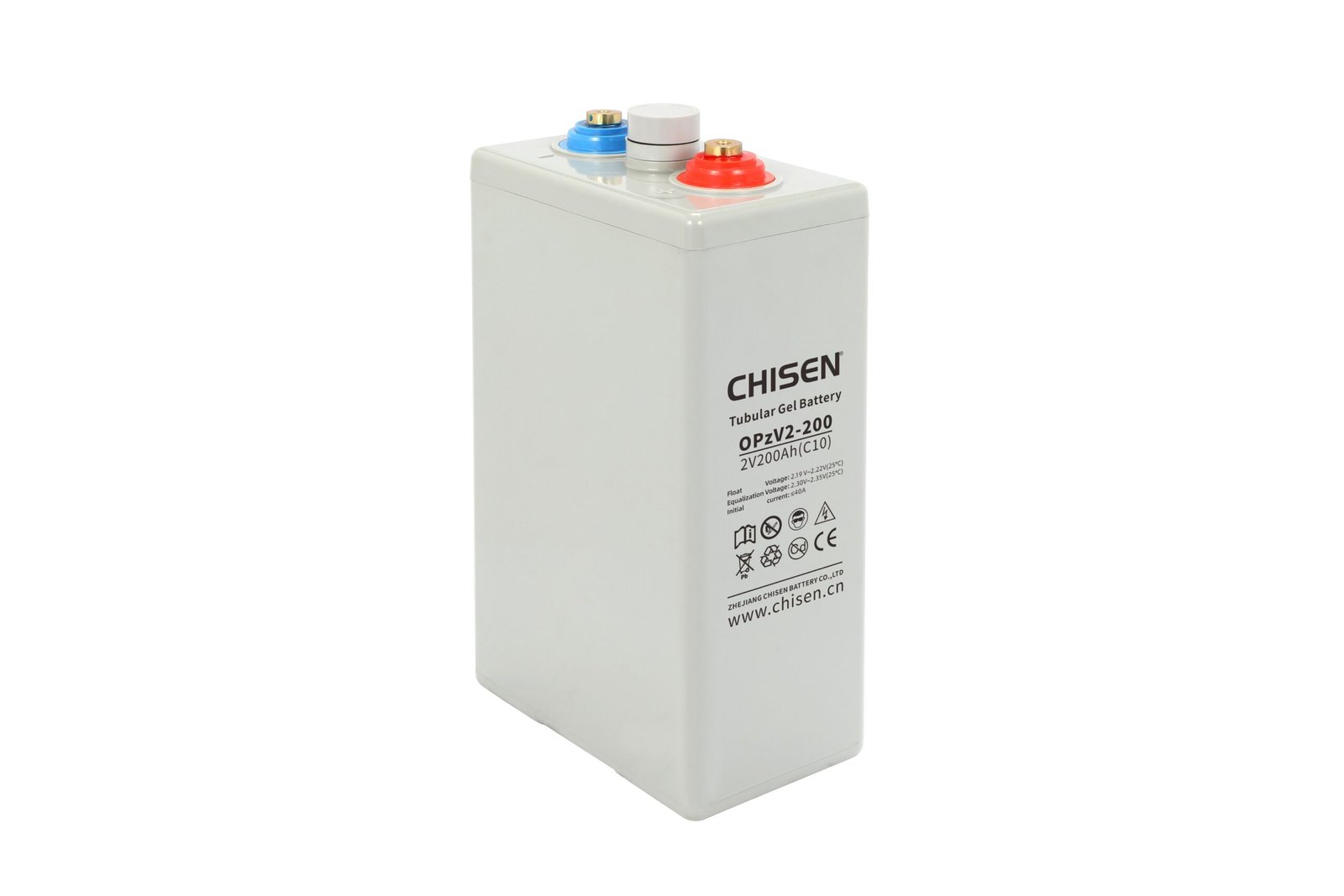
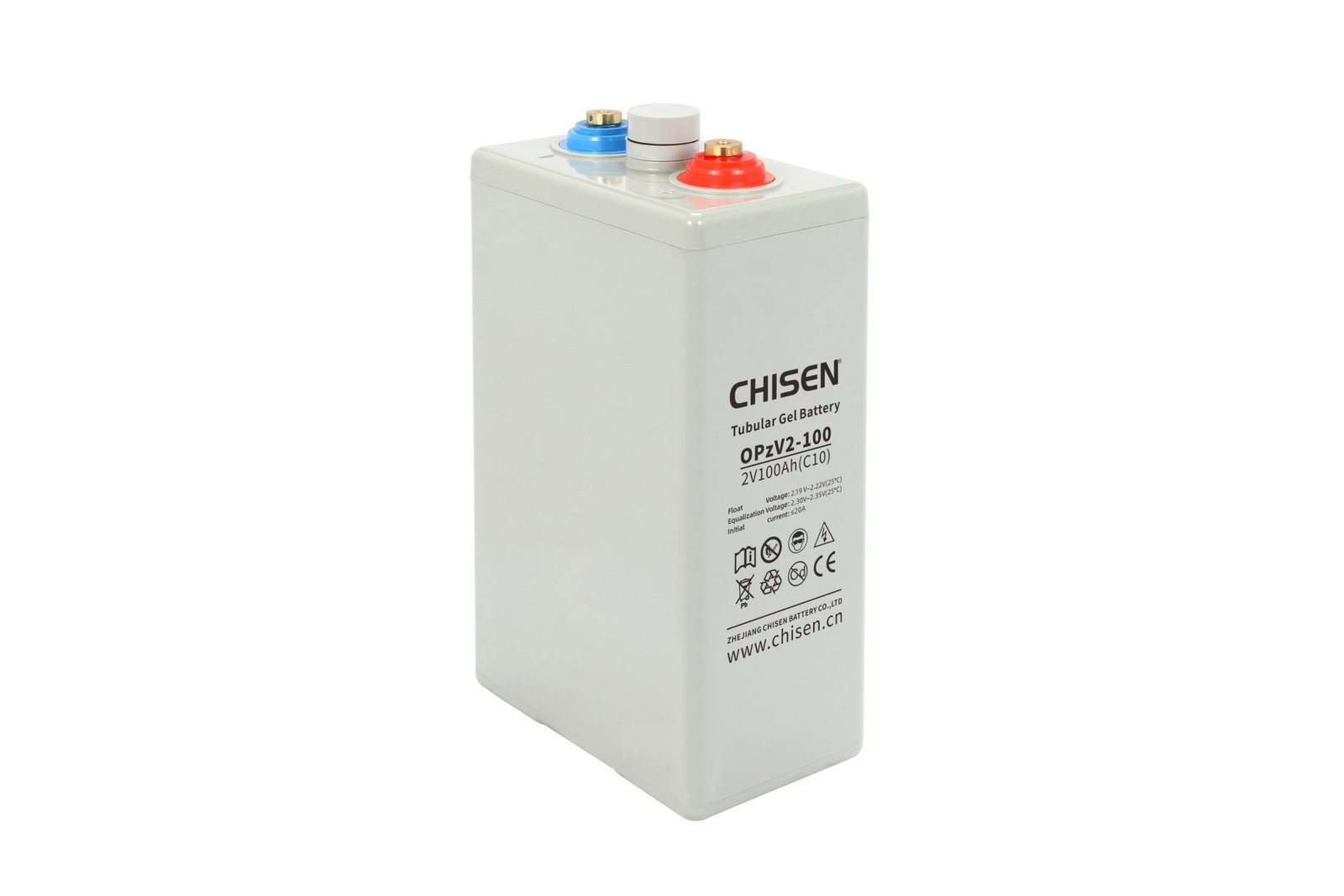
    When a procurement engineer receives a specification sheet for an OPzV (Ortsfest Pulverisiert Vlies — fixed pressure, fleece-separated) tubular GEL battery, the array of numbers can be intimidating: 2V 1,000Ah C10. DoD 80%. Cycle life 1,500 at 25°C. Self-discharge 3% per month. float voltage 2.25Vpc. The specification sheet is a technical contract between manufacturer and buyer, and misunderstanding any of the key parameters can mean the difference between a battery installation that delivers 15 years of reliable service and one that fails in 4. This article decodes the OPzV specification sheet in the detail that procurement engineers, system designers, and EPC contractors actually need.

    The Fundamental Spec: Cell Voltage, Capacity, and the C-Rating System

    OPzV batteries are universally manufactured as 2V cells (nominal voltage), which are then series-connected to create the system voltage required by the application: 24V (12 cells), 48V (24 cells), 120V (60 cells), and 480V (240 cells) are the most common configurations for solar, telecom, and UPS applications.

    The nominal capacity rating of a 2V OPzV cell is expressed in ampere-hours (Ah) at a specific discharge rate, designated by the C-rating system. A cell rated at 1,000Ah C10 is designed to deliver 100A for 10 hours (1,000Ah) before reaching the end-of-discharge voltage of 1.80V per cell. The same cell tested at C5 (200A for 5 hours) would deliver 960–980Ah. Tested at C20 (50A for 20 hours), it might deliver 1,050–1,080Ah. This is the inverse Peukert relationship: lower discharge currents allow more complete chemical reaction and therefore higher usable capacity.

    For telecom and solar applications, the relevant C-rate is typically C10 or C8 for telecom UPS (which must sustain load for 8–10 hours), and C20 or C100 for solar cycling applications (where the discharge rate is much lower, typically 20–100 hour discharge). Using the wrong C-rate for capacity specification means either oversizing (paying for capacity you don’t need) or undersizing (experiencing premature cutoff at end of discharge).

    The depth of discharge (DoD) specification is equally critical. An OPzV battery’s cycle life is directly tied to how deeply it is discharged in each cycle. A cell rated at 1,500 cycles at 80% DoD will achieve approximately 3,000 cycles at 50% DoD and 6,000+ cycles at 30% DoD. This relationship is non-linear — the lighter the discharge, the disproportionately longer the cycle life. For solar applications where daily DoD is typically 30–50%, specifying a battery for 80% DoD operation when the actual cycling pattern is 40% DoD means significantly underestimating the battery’s service life — and potentially making an unnecessarily conservative sizing decision.

    Float Voltage, Boost Voltage, and Temperature Compensation

    The charging voltage specification is the most frequently misunderstood parameter on an OPzV data sheet — and the one most likely to cause premature battery failure if misapplied.

    Float voltage for OPzV is typically 2.25–2.28V per cell at 25°C ambient. At this voltage, the battery maintains a full state of charge without significant gassing or electrolyte loss. Float voltage is the continuous maintenance charge applied after the battery reaches full charge, and it must be maintained indefinitely. Applying insufficient float voltage (below 2.20Vpc) leads to sulfation — the crystallisation of lead sulfate on the plate surfaces that reduces available capacity over time. Applying excessive float voltage (above 2.35Vpc) accelerates grid corrosion and electrolyte consumption, shortening battery life regardless of other operating conditions.

    Boost (or equalisation) voltage for OPzV is typically 2.35–2.40V per cell and is applied periodically (monthly or quarterly) to ensure that all cells in a string reach full charge and to reverse any mild sulfation that has accumulated. Boost charging must be temperature-controlled and time-limited — applying boost voltage for more than 24–48 hours at elevated temperature can cause the same electrolyte drying that over-float voltage causes.

    Temperature compensation is mandatory for OPzV installations in any environment where ambient temperature deviates significantly from 25°C. The temperature compensation coefficient is typically -3 to -4mV per cell per degree Celsius above 25°C. For a 48V string (24 cells in series), this translates to a voltage correction of -72 to -96mV per degree. In a telecom shelter in Dubai where summer ambient reaches 45°C inside the battery room, the float voltage setpoint must be reduced from 54.0Vpc (24 × 2.25Vpc) to approximately 51.0Vpc (24 × 2.125Vpc) — a correction of 3Vpc that most basic charge controllers handle automatically but that requires verification during commissioning.

    Cycle Life, Float Life, and the Temperature Acceleration Factor

    The design life of an OPzV battery is expressed in two ways that must both be evaluated: float service life (years of operation at a stable float voltage, with minimal cycling) and cycle life (number of charge/discharge cycles achievable before capacity degrades to 80% of rated value).

    At 25°C ambient, a quality OPzV cell offers: float service life of 15–18 years (at 2.25Vpc float voltage), cycle life of 1,200–1,500 cycles at 80% DoD, and cycle life of 3,000–4,000 cycles at 50% DoD.

    Temperature dramatically accelerates aging in all lead-acid chemistries, including OPzV. The general rule — supported by the Arrhenius equation for chemical reaction rates — is that every 8–10°C increase in operating temperature above 25°C halves the expected battery life. This has profound implications for installation design:

    | Ambient Temperature | Float Life (Design) | Cycle Life at 50% DoD |

    |——————-|——————–|———————–|

    | 20–25°C | 15–18 years | 3,000–4,000 cycles |

    | 30–35°C | 8–10 years | 1,500–2,000 cycles |

    | 40–45°C | 4–6 years | 700–1,000 cycles |

    | 50°C+ | 2–3 years | 300–500 cycles |

    This is why OPzV battery rooms in hot climates must be ventilated, shaded, and ideally air-conditioned to maintain temperatures below 30°C — the incremental cost of battery room cooling is almost always recovered many times over in extended battery life.

    Physical Specifications and Installation Requirements

    The physical dimensions of OPzV cells vary significantly by capacity. A 2V 200Ah OPzV cell typically measures approximately 110mm × 170mm × 370mm (L × W × H) and weighs 14–18kg. A 2V 1,000Ah cell measures approximately 410mm × 180mm × 500mm and weighs 65–80kg. A large 2V 3,000Ah cell can weigh 200–250kg and requires mechanical handling equipment for installation.

    Rack mounting of OPzV cells requires: earthquake-rated battery racks where local building codes require seismic compliance (common in Japan, California, Chile, and parts of China), torque-checked inter-cell connectors with anti-corrosion compound at all connection points, and ventilation systems designed to maintain hydrogen concentrations below 1% by volume (the lower explosive limit) under all charging conditions.

    The terminal configuration on OPzV cells is standardised across most manufacturers: M8 or M10 threaded copper inserts with bolt-on cable terminals. The recommended terminal torque for M8 terminals is 15–20 Nm, and for M10 terminals is 25–35 Nm. Under-torqued connections generate resistance heat and cause progressive terminal corrosion; over-torqued connections can strip threads or crack the cell cover sealing compound.

    Reading the Manufacturer’s datasheet: A Practical Checklist

    When evaluating OPzV specifications from a new supplier, verify these parameters in order of importance:

    1. Declared capacity and C-rate — confirm this matches your application discharge rate, not just the headline Ah number

    2. Cycle life at your actual DoD — request the cycle life curve showing capacity vs. cycle count at 50%, 60%, 70%, and 80% DoD

    3. Float life at your ambient temperature — apply the temperature acceleration factor before accepting a 15-year float life claim

    4. Voltage tolerance window — confirm that your charge controller can be calibrated to the specified float and boost voltage setpoints

    5. Short-circuit current and short-circuit current rating (SCCR) — required for coordination with upstream protection devices

    6. Cell weight and dimensions — confirm that your battery room or rack can physically accommodate the cells

    7. Warranty terms — many OPzV warranties are pro-rated and require annual capacity testing to maintain

    CHISEN OPzV Range: Engineered for Hot-Climate Reliability

    CHISEN OPzV 2V cells are manufactured using German-influenced tubular plate technology with polyester gauntlet separators and silicon dioxide gelled electrolyte. Our OPzV range covers 150Ah to 3,000Ah per cell, with cells certified to IEC 60896-21/22 and UN 2800 transportation standards. CHISEN OPzV batteries carry CE, UL (pending), and SASO certifications and are supplied with comprehensive technical documentation packages including detailed cycle life curves, temperature correction tables, and rack mounting specifications.

    Request OPzV technical specifications for your project:

    📧 📧 Email: sales@chisen.cn

    🌐 www.chisen.cn | www.leadacidbattery.cn

    📱 WhatsApp: +86 131 6622 6999

  • Industrial Forklift Battery Guide: Lead-Acid vs. Lithium for Warehouse Operations 2026

    Industrial Forklift Battery Guide: Lead-Acid vs. Lithium for Warehouse Operations 2026

    The global material handling industry is in the middle of a technology transition that has been building for a decade and is now accelerating sharply. Electric forklifts — which now outsell internal combustion forklifts in every major market except construction and heavy outdoor applications — were historically powered almost exclusively by lead-acid batteries. The emergence of lithium-ion (primarily LFP chemistry) as a viable industrial propulsion battery has disrupted that assumption, creating genuine uncertainty for warehouse operators, fleet managers, and battery procurement professionals about which chemistry represents the better investment in their specific operational context. This guide provides the definitive technical and commercial comparison needed to make that decision correctly.

    Understanding the Fundamental Difference in Discharge and Charge Behaviour

    The choice between lead-acid and lithium-ion for forklift applications starts with understanding how each chemistry behaves under the operating conditions that define a warehouse environment — and those conditions are very different from what the battery marketing materials would have you believe.

    A forklift battery is subjected to a cyclic discharge pattern that is deeply irregular. A typical shift in a high-throughput distribution warehouse involves: 20–30 minutes of full-load lifting and travel, followed by 5–10 minutes of intermittent operation, followed by a 15-minute pick/pack activity period where the truck is stationary, followed by another burst of full-load operation. This pattern — characterised by variable depth of discharge, irregular current demand, and extended periods of partial state of charge — is one of the most demanding duty cycles for any battery chemistry.

    Lead-acid batteries, particularly the deep-cycle types used in industrial applications (as opposed to automotive starting batteries), handle this irregular duty cycle reasonably well — but with important constraints. A lead-acid battery’s effective capacity is highly dependent on discharge rate: a battery rated at 600Ah at the 6-hour rate (C6) will deliver only 420–480Ah at the 1-hour rate relevant to a busy warehouse shift. This Peukert effect — where higher discharge currents reduce usable capacity — means that a lead-acid forklift battery specified at the nameplate capacity often delivers 15–25% less usable energy than the rating implies under real warehouse conditions.

    Lithium-ion batteries, and specifically LFP cells, exhibit a fundamentally different discharge curve. The voltage profile of an LFP cell is remarkably flat across 80% of its state-of-charge range, meaning that a 300Ah LFP cell tested at 1C (300A discharge) delivers nearly the same capacity as the same cell tested at C/5 (60A discharge). This characteristic eliminates the capacity uncertainty that plagues lead-acid specifications and provides forklift operators with consistent, predictable runtime regardless of how hard the truck is being worked.

    The Real Cost Comparison: Total Cost of Ownership Analysis

    Battery procurement decisions for industrial forklift fleets are frequently made on the basis of upfront price — a comparison that systematically favours lead-acid and obscures the full economic picture over a 5–7 year fleet operating period. A rigorous total cost of ownership (TCO) analysis incorporates six cost components.

    Purchase price: A 48V 600Ah lead-acid battery pack for a Class 1 counterbalance forklift costs USD 8,000–14,000 depending on brand and specifications. The equivalent LFP pack (48V 300Ah, because LFP’s higher DoD utilization means a smaller pack delivers the same usable energy) costs USD 12,000–18,000. The upfront premium for LFP is approximately 30–40%, not the 2–3× that single-cell pricing comparisons suggest, because the smaller LFP pack does much of the work of a larger lead-acid pack.

    Charging infrastructure: Lead-acid forklift batteries require dedicated charging stations with forced ventilation (lead-acid batteries release small amounts of hydrogen gas during charging, creating explosion risk in enclosed spaces). A compliant lead-acid charging area requires explosion-proof ventilation at 10–15 air changes per hour, which adds USD 8,000–25,000 to facility installation costs per charging position. LFP batteries charge without hydrogen release, eliminating this infrastructure requirement and allowing charging in standard warehouse locations. LFP opportunity charging (brief top-up charges during operator breaks) is also practical in ways that it is not for lead-acid: LFP can accept charge at any state of charge without the voltage-limiting constraints that make opportunity charging inefficient for lead-acid.

    Battery replacement frequency: In a single-shift operation with a 6-hour shift cycle and a properly sized battery providing 8+ hours of runtime, a lead-acid battery typically achieves 1,200–1,500 cycles before reaching 80% of rated capacity — equivalent to 4–6 years of service. In a double-shift operation (two teams sharing one battery per truck), cycle frequency doubles and battery life reduces to 2–3 years. LFP batteries at 80% DoD achieve 3,000–5,000 cycles, extending to 4,000–8,000 cycles at the 50% DoD operating point typical of opportunity-charged forklift applications — equivalent to 8–15 years of service life in most warehouse operations.

    Labour for battery watering and maintenance: Industrial lead-acid batteries require weekly watering (adding distilled water to cells to replace electrolyte lost through gassing), monthly specific gravity testing, and quarterly equalization charges. In a 50-truck fleet with daily single-shift operation, battery maintenance requires approximately 2–3 hours per week of dedicated technician time — a USD 15,000–25,000 annual cost that is eliminated entirely with LFP, which requires no watering, no equalization, and no maintenance beyond annual BMS inspection.

    Facility adaptation costs: Beyond charging infrastructure, lead-acid battery operations require battery change-out areas (where single-battery trucks need a charged spare to swap at shift change), spill containment systems, and wash-down facilities for electrolyte spills. LFP operations eliminate all of these requirements.

    Energy efficiency: LFP batteries charge at 95–98% energy efficiency, compared to 75–85% for lead-acid (the remainder is dissipated as heat). In a warehouse running 50 forklifts with 2 full charge cycles per truck per day, the energy efficiency difference translates to USD 8,000–15,000 per year in electricity cost savings at typical commercial electricity rates of USD 0.10–0.15/kWh.

    Application-Specific Decision Framework

    Choose lead-acid if:

    • The operation runs a single shift (8 hours or less) and has space for battery change-out
    • The facility is in an emerging market where LFP battery availability and service support is limited
    • The fleet is below 10 trucks, making dedicated charging infrastructure a disproportionate capital investment
    • The upfront capital budget cannot absorb the 30–40% battery price premium over lead-acid
    • The warehouse operates at ambient temperatures below 0°C for extended periods (LFP cold-temperature charging requires careful thermal management)

    Choose LFP if:

    • The operation runs double or triple shifts, where opportunity charging is the primary energy replenishment method
    • Warehouse floor space is at a premium and battery change-out areas are not available
    • The facility is in a region with high electricity costs, where the energy efficiency advantage creates meaningful savings
    • The fleet is larger than 15 trucks, where maintenance labour savings justify the premium
    • The operation requires fast charging (30–60 minutes to 80% SOC), which is incompatible with lead-acid chemistry

    Regional Market Dynamics: Where Each Technology Is Winning

    In North America and Western Europe, LFP has captured 40–55% of new forklift battery orders in 2025–2026, driven primarily by the total cost of ownership argument and the operational flexibility of opportunity charging in high-throughput distribution centres. Amazon, DHL, and XPO Logistics have all publicly committed to lithium-ion forklift batteries in new facility deployments.

    In Asia-Pacific, lead-acid maintains a 65–75% share of new forklift battery orders, with LFP growing fastest in Australia, South Korea, and Japan. Chinese forklift manufacturers including HELI, Hangcha, and Lonking have introduced lithium-ion models as standard options in their premium lines, signalling a market transition that will accelerate over the next 3–5 years.

    In emerging markets — India, Southeast Asia, and Africa — lead-acid remains dominant in the forklift segment due to the upfront cost premium of LFP and the more limited service networks for lithium battery maintenance. However, the rapid growth of cold chain and pharmaceutical logistics in these markets (which require reliable, consistent battery performance and often operate multi-shift schedules) is creating a growing LFP opportunity at the premium end of the market.

    CHISEN Industrial Forklift Battery Solutions

    CHISEN Battery offers both lead-acid deep-cycle and LFP lithium battery packs for Class 1, Class 2, and Class 3 forklift applications. Our lead-acid range includes 24V and 48V configurations rated for single and multi-shift operations, with plate technologies including flat plate deep cycle, tubular plate OPzV, and AGM. Our LFP range includes integrated battery packs with built-in BMS, CAN-bus communication for major forklift OEM protocols, and competitive warranties of 5 years / 4,000 cycles.

    Contact us to discuss forklift battery specifications for your fleet:

    📧 📧 Email: sales@chisen.cn

    🌐 www.chisen.cn | www.leadacidbattery.cn

    📱 WhatsApp: +86 131 6622 6999

  • Africa Telecom Tower Battery Market: Nigeria, Kenya, South Africa 2026

    Africa Telecom Tower Battery Market: Nigeria, Kenya, South Africa 2026

    Sub-Saharan Africa’s telecom infrastructure expansion is creating one of the world’s most active battery demand markets. With over 75,000 new telecom tower sites scheduled for deployment between 2026 and 2030 across Nigeria, Kenya, South Africa, Tanzania, Ethiopia, and the Democratic Republic of Congo, and an existing installed base of 320,000+ towers requiring battery replacement every 3–5 years, the annual battery demand from Africa’s telecom sector now exceeds 2.8 billion ampere-hours per year — a market valued at USD 1.2–1.8 billion at current pricing. For battery suppliers capable of navigating the certification, logistics, and channel complexity of African market entry, this is one of the highest-opportunity markets in the global energy storage sector.

    Why Africa’s Telecom Tower Battery Market Is Structurally Unique

    Three characteristics distinguish the African telecom tower battery market from all other global regions, and each creates both barriers to entry and competitive advantages for well-prepared suppliers.

    Climate intensity: The majority of Africa’s telecom towers are located in environments that accelerate lead-acid battery degradation at rates 2–4× faster than temperate conditions. In Lagos, ambient temperatures inside non-air-conditioned tower shelters regularly reach 40–45°C during dry season months. At 45°C, VRLA AGM battery design life collapses from 10 years to 2–3 years under float service conditions. This thermal acceleration means that batteries specified for European or North American tower deployments without temperature derating will fail prematurely in African conditions — and that suppliers who understand hot-climate battery engineering have a decisive technical advantage.

    Grid instability driving discharge frequency: Average grid availability in Sub-Saharan Africa ranges from 65% in Nigeria’s hinterland states to 94% in South Africa’s urban areas. For towers without hybrid solar-diesel configurations, each grid outage forces a battery discharge cycle. Towers in northern Nigeria experience an average of 150–250 unplanned grid interruptions per year. At this cycling frequency, a standard VRLA AGM battery rated for 500 cycles at 80% depth of discharge will reach end-of-life in 2–4 years. This cycling demand is why hot-climate OPzV batteries with 1,200–1,500 cycle ratings have become the preferred specification for new tower deployments across East and West Africa, despite their higher upfront cost.

    Logistics complexity: Importing batteries into Nigeria, Kenya, or Tanzania requires navigating multi-layered customs procedures, inland transport from coastal ports, and last-mile delivery to tower sites that are frequently accessible only by unpaved roads. A 48V 150Ah battery string for a telecom tower weighs 180–240 kg and ships as a palletised unit measuring approximately 1.2m × 0.8m × 0.6m. Getting that pallet from Shanghai or Shenzhen to a tower site in Katsina State or the Kenyan highlands requires 4–6 weeks of transit time and a logistics partner with established capabilities in the target market.

    Nigeria: The Continent’s Largest Single-Country Battery Market

    Nigeria’s telecom sector hosts approximately 45,000 active tower sites as of 2026, operated by IHS Towers (25,000+ sites), ATC Africa (8,000+ sites), and several smaller towercos including Swift Telecoms and Alton. The country adds 2,000–3,500 new tower sites annually, primarily in rural and semi-urban areas where grid connectivity is poorest and battery backup is most critical.

    Battery specification for Nigerian tower deployments has converged on 48V strings of 12V 100Ah or 12V 150Ah VRLA AGM batteries, configured for a minimum of 10 hours autonomy at full load. Tower load profiles typically range from 1.5kW (GSM micro-cell) to 6kW (LTE macro-site with rectifier system), meaning a typical 48V 200Ah battery string must supply 50–125A for 10 hours — a demanding deep-cycle service requirement that is pushing tower operators away from standard automotive AGM batteries toward purpose-built telecom batteries with thicker plates, higher antimony content for deep-cycling tolerance, and extended capacity ratings.

    SONCAP (Standard Organisation of Nigeria Conformity Assessment Programme) certification is mandatory for all battery imports into Nigeria. The certification process requires product testing at a SONCAP-accredited laboratory, typically TÜV Rheinland Nigeria, Intertek Lagos, or SGS Nigeria. For a lead-acid battery manufacturer, SONCAP certification costs USD 3,000–8,000 per product model and is valid for 3 years. Without SONCAP documentation, customs clearance at Apapa (Lagos) or Port Harcourt ports will be blocked and goods may be detained or re-exported.

    Nigerian market battery demand calculation: At 45,000 existing towers with an average 4-year replacement cycle, the annual replacement demand is approximately 11,250 towers × 4 batteries × 100Ah = 4.5 million Ah per year at 48V. At current pricing of USD 120–180 per 12V 100Ah telecom AGM battery, the annual replacement market is approximately USD 54–81 million — and growing by 15–20% annually as the tower count expands.

    Kenya: The East African Hub with Solar-Hybrid as the Standard

    Kenya’s telecom tower market operates from a fundamentally different technical baseline than Nigeria. With approximately 8,500 active tower sites and one of the highest solar irradiance levels in Africa (4.5–6.5 kWh/m²/day across most of the country), Kenya has become the continental leader in hybrid solar-diesel tower deployments. Approximately 65% of new Kenyan tower builds in 2025–2026 include solar PV panels with battery storage, compared to a 20–30% solar hybrid rate in Nigeria.

    The battery requirement for solar-hybrid towers differs significantly from grid-connected sites. Solar-hybrid batteries undergo daily partial cycling — typically 20–40% depth of discharge on a predictable daily cycle — rather than the deep, irregular discharge events that characterise grid-unreliable sites. This cycling profile is much less demanding for lead-acid chemistry: an OPzV 2V cell rated at 1,500 cycles at 80% DoD will achieve 5,000–8,000 cycles at 30% DoD, extending design life from 3–4 years to 10–15 years in a solar-hybrid configuration.

    Safaricom (72% owned by Vodafone, 28% by government), Airtel Kenya, and JTL (Faiba) collectively operate Kenya’s tower infrastructure. Safaricom’s network expansion plan targets 100% population coverage by 2027, which requires approximately 1,200 new tower sites per year in underserved rural areas. These rural sites are predominantly solar-hybrid, and the battery specification for these deployments increasingly mandates OPzV tubular GEL chemistry with 10+ year design life.

    Kenya uses the KEBS PVOC (Kenya Bureau of Standards Pre-Export Verification of Conformity) system for battery imports. PVOC certification must be obtained before shipment and is typically handled by a Kenyan-appointed Pre-Export Verification company (SGS Kenya, Bureau Veritas Kenya, or Cotecna) that inspects goods at the port of origin. For a battery exporter, the PVOC process adds USD 1.50–3.00 per 100kg to landed cost but is the only reliable route to customs clearance at Mombasa port.

    South Africa: Mature Market, Higher Margins

    South Africa’s 55,000+ telecom tower sites represent the most technically demanding and regulation-intensive telecom battery market in Africa. The regulatory framework — governed by ICASA (Independent Communications Authority of South Africa) and the Department of Communications and Digital Technologies — requires that all critical infrastructure, including telecom towers, maintain minimum 6-hour battery backup capacity. South African tower companies including ATC South Africa, SWAP, and Teljoy operate under these requirements with a preference for premium-quality batteries that can deliver reliable performance in a market where grid power (Eskom-operated) has become increasingly unreliable since 2023.

    The South African market offers the highest margins in Africa for quality battery suppliers, but also the highest compliance barriers. SABS (South African Bureau of Standards) certification is required for all electrical products sold in South Africa, and lead-acid batteries must comply with SANS 601 and SANS 1527 standards for telecom and industrial batteries. The SABS certification process for a new product model takes 3–6 months and costs USD 8,000–20,000 — a significant investment that filters out low-quality competitors and creates a more predictable competitive environment for established manufacturers.

    Eskom’s load-shedding crisis — which peaked in 2023 with Stage 6 and Stage 8 power cuts implemented nationwide on multiple occasions — has permanently elevated battery autonomy requirements in South Africa’s tower specifications. Tower operators now specify minimum 10-hour autonomy at full load as standard, with 24-hour autonomy for critical sites near hospitals, government buildings, and data centres. This extended autonomy requirement favours higher-capacity battery configurations using 2V OPzS or OPzV cells, which provide more reliable deep-discharge performance at extended runtime durations than 12V AGM strings.

    Market Entry Framework: Certification, Channel, and Compliance

    | Country | Certification Required | Customs Duty | Key Certification Body | Lead Time (Port to Site) |

    |———|———————-|————–|———————-|————————–|

    | Nigeria | SONCAP | 10% + levy | SON | 4–6 weeks (Lagos) |

    | Kenya | KEBS PVOC | 0% (EAC common tariff) | KEBS | 3–5 weeks (Mombasa) |

    | South Africa | SABS | 10% | SABS | 2–3 weeks (Durban/Cape Town) |

    | Tanzania | TBS PVOC | 0% (EAC) | TBS | 4–6 weeks (Dar es Salaam) |

    | Ethiopia | ETA compliance | 5% | ETA | 6–10 weeks (Djibouti) |

    | Ghana | GSA certification | 10% | GSA | 3–5 weeks (Tema) |

    CHISEN Africa Telecom Battery Portfolio

    CHISEN Battery supplies the African telecom market through distributor partners in Nigeria, Kenya, South Africa, Tanzania, and Ghana. Our Africa telecom range includes: 12V 100Ah and 150Ah VRLA AGM batteries for standard tower backup (3–8 hour autonomy), 12V and 2V OPzV tubular GEL batteries for hot-climate and solar-hybrid deployments, and custom-configured 48V battery strings for all major tower configurations. All products carry SONCAP (Nigeria), KEBS PVOC (Kenya), and SABS (South Africa) certifications.

    Contact our Africa team to discuss tower battery specifications and distributor terms:

    📧 📧 Email: sales@chisen.cn

    🌐 www.chisen.cn | www.leadacidbattery.cn

    📱 WhatsApp: +86 131 6622 6999

  • South America Battery Market Analysis: Brazil, Chile, Colombia 2026

    South America Battery Market Analysis: Brazil, Chile, Colombia 2026

    South America’s battery market is undergoing a structural transformation that has no historical parallel. Driven by the confluence of record solar energy buildout, aggressive electric mobility mandates, and grid instability that creates constant demand for backup power, the continent’s battery consumption is projected to grow from USD 1.8 billion in 2025 to USD 4.2 billion by 2030. Yet the market is deeply uneven — in Brazil’s mining heartland, the demand driver is industrial backup and solar storage for off-grid communities; in Chile’s Atacama Desert, it is utility-scale BESS attached to the world’s cheapest solar generation; in Colombia’s cities, it is the rapid electrification of urban logistics fleets. Understanding these distinct sub-markets is essential for any battery supplier or distributor planning South American market entry in 2026.

    Brazil: Mining, Solar, and the World’s Largest Lead-Acid Installed Base

    Brazil hosts the largest stock of lead-acid batteries in Latin America — an estimated 45–55 million automotive batteries, 8–12 million motorcycle batteries, and 2–4 million industrial UPS/telecom batteries, representing a combined weight of approximately 1.8 million tonnes of lead-acid capacity. This installed base, combined with one of the world’s most advanced battery recycling ecosystems (Brazil recycles approximately 97% of automotive lead-acid batteries through a network of smelters concentrated in the São Paulo industrial corridor), creates both an extraordinary replacement market and a mature secondary-market infrastructure.

    The primary demand drivers in Brazil in 2026 are threefold:

    Mining sector electrification: Brazil’s iron ore sector — centred on the Iron Quadrangle in Minas Gerais and the Carajás complex in Pará — is the world’s second-largest source of iron ore. Major operators including Vale, which operates the world’s largest iron ore railway (the Carajás Railway, 892 km), are rapidly electrifying their mobile equipment fleets. Battery-electric mining trucks from Caterpillar (the 793W) and BYD are now operating in Brazilian iron ore and copper mines, creating demand for large-format LFP batteries (800–1,200V systems, 600–1,200 kWh per vehicle). While this segment is currently served primarily by LFP, the high cost of battery-electric solutions is driving hybrid diesel-battery configurations where lead-acid provides start-assist and regenerative braking energy storage — a niche that is growing 25–35% annually.

    Off-grid solar in the Northeast: Brazil’s Northeast region — the semi-arid interior of states including Bahia, Pernambuco, Ceará, and Rio Grande do Norte — receives some of the highest solar irradiance in the world (5.5–6.5 kWh/m²/day). The federal government’s Luz para Todos (Light for All) rural electrification programme and the Minha Casa Minha Vida social housing programme have driven installation of 1.5–2 million solar home systems in off-grid and weak-grid communities since 2020. The associated battery demand — predominantly 12V and 24V lead-acid AGM systems for 2–5 kWh storage — is growing at 20–30% annually.

    UPS market for data centres: Brazil is Latin America’s largest data centre market, with São Paulo alone hosting over 80 data centre facilities and growing at 15% per year. Grid instability in Brazil’s southeastern cities (São Paulo experiences an average of 8–14 unplanned power interruptions per month at the medium-voltage level) makes UPS battery backup non-negotiable for any commercial or industrial facility. The UPS market in Brazil is served primarily by VRLA AGM batteries, with LFP gaining share in new hyperscale data centre builds.

    Chile: The World’s Battery Storage Laboratory

    Chile’s Atacama Desert is to the global energy storage industry what Silicon Valley is to software: the place where the most demanding applications are concentrated, and where the technology is being stress-tested to its limits. With solar irradiance reaching 7.0–8.2 kWh/m²/day in the Atacama — the highest on Earth — and land costs near zero, Chile has attracted over 18 GW of solar capacity investment since 2014, more than any other country on a per-capita basis. The integration of this solar capacity into a grid that requires stable frequency management has created the world’s most active market for utility-scale battery storage.

    The Chilean government’s energy storage mandate — requiring all new solar and wind plants larger than 10 MW to include storage capable of 6 hours of discharge — has been the single largest regulatory catalyst for battery demand in Latin America. Under this mandate, Chile’s pipeline of contracted utility-scale BESS projects stands at 8,200 MWh as of Q1 2026, with the majority of projects targeting commercial operation dates between 2027 and 2029. The dominant chemistry in these projects is LFP (80–85% of contracted capacity), with vanadium flow batteries and sodium-sulfur batteries accounting for long-duration applications above 8 hours.

    For lead-acid battery suppliers, Chile’s accessible sub-segments are: telecom tower backup (which operates on competitive procurement through operators including Entel, Claro, and WOM), industrial UPS for mining operations in the Atacama (where ambient temperatures of 25–35°C year-round make VRLA AGM with temperature-compensated charging the standard specification), and distributed solar-plus-storage for the Chilean government’s PMGD (Pequeños Medios de Generación Distribuida) programme, which enables residential and commercial prosumers to install up to 300 kW of solar generation with battery storage and export surplus to the grid.

    Chile’s regulatory environment is notably more business-friendly than Brazil’s for international battery suppliers. The SEC (Superintendencia de Electricidad y Combustibles) processes import certifications within 45–60 days for CE- or UL-certified products, and Chile’s free trade agreements with the EU, US, and CPTPP member states provide duty-free access for most battery product categories. Santiago’s role as the regional headquarters for multinational mining companies (Codelco, BHP’s Cerro Colorado and Spence operations, and Antofagasta Minerals) makes it an ideal base for building the technical relationships that drive industrial battery procurement.

    Colombia: Electric Mobility Acceleration and Grid Backup

    Colombia’s unique position in the global battery market derives from two structural characteristics: it has no domestic battery manufacturing capacity (creating a 100% import market), and it faces a grid instability problem that makes backup power ubiquitous in commercial and industrial settings. The combination makes Colombia one of the highest-margin markets in Latin America for international battery distributors.

    Bogotá’s electric motorcycle fleet has grown from approximately 15,000 vehicles in 2022 to over 180,000 in 2026, driven by municipal restrictions on internal combustion engine motorcycles in the city’s low-emission zone (Zona Baja Emisiones), which took effect in July 2024. The growth of electric logistics in Bogotá — where companies including Rappi, iFood, and Mercado Libre have electrified significant portions of their last-mile delivery fleets — is creating a new demand channel for high-quality 60V lead-acid and LFP battery packs. In 2025, over 60,000 electric motorcycles and three-wheeler cargo vehicles were sold in Colombia; projections for 2026 exceed 120,000 units.

    The Colombian government’s incentive structure accelerates this trajectory. The national EV policy (Ley 1964 of 2019 and subsequent ministerial decrees) provides VAT exemptions for electric vehicles and a vehicle import duty reduction from 35% to 5% for complete electric vehicles. For electric motorcycles, the combination of VAT exemption and import duty reduction reduces effective vehicle cost by approximately 15–20% compared to conventional motorcycles — a decisive incentive in a market where price sensitivity is the primary consumer barrier.

    For battery suppliers targeting Colombia, the certification pathway runs through the ICER (Instituto de Investigación y Recursos Energéticos) type-approval process and the DIAN (Dirección de Impuestos y Aduanas Nacionales) customs classification. Lead-acid batteries for automotive use fall under HS code 8507.10, with a Most Favoured Nation import duty of 10% and an additional customs surcharge of 6%. Products certified under Colombia’s RTCA (Reglamento Técnico Centroamericano) framework benefit from streamlined customs clearance — a significant operational advantage for distributors managing high-volume battery imports through Cartagena and Barranquilla ports.

    Competitive Landscape: Who’s Supplying South America Today

    The South American battery supply market is dominated by four categories of player:

    Global multinationals (Johnson Controls, East Penn, EnerSys) — commanding 35–45% of the industrial and UPS battery market through established distributor networks and direct OEM relationships with mining and telecom customers. Premium pricing is maintained through long-term service contracts and technical specification influence.

    Chinese industrial battery exporters — including CHISEN, Narada, and Shoto — competing aggressively on price for the distributed solar, telecom, and UPS segments. Chinese suppliers have captured 40–55% of new industrial battery tender awards in Brazil and Chile over the past three years, primarily on price competitiveness.

    Regional manufacturers — including Moura Batterias (Brazil, automotive aftermarket dominant) and Baterías MAC (Chile, industrial specialty) — serving domestic aftermarket channels with local manufacturing supported by lead recycling loops.

    Emerging LFP specialists — CATL, BYD, and Gotion High-Tech — primarily serving the utility-scale BESS and electric vehicle OEM segments, with lead-acid increasingly marginalised in these channels.

    CHISEN South America: Your Local Partner for Regional Battery Supply

    CHISEN Battery has established distribution relationships covering Brazil, Chile, Colombia, Peru, and Ecuador. Our South America portfolio includes: 12V and 24V AGM batteries for automotive and light industrial applications; 2V OPzV and OPzS cells for telecom tower and solar installations; 48V and 60V battery packs for electric three-wheeler and light vehicle applications; and custom battery string configurations for industrial UPS and mining backup systems. All products carry CE certification and are supported by Spanish-language technical documentation and warranty terms.

    Contact us to discuss South America distribution or project-specific supply requirements:

    📧 📧 Email: sales@chisen.cn

    🌐 www.chisen.cn | www.leadacidbattery.cn

    📱 WhatsApp: +86 131 6622 6999

  • India E-Rickshaw Battery Market: Growth Drivers and Opportunity Analysis 2026

    India E-Rickshaw Battery Market: Growth Drivers and Opportunity Analysis 2026

    India’s electric three-wheeler market is not growing — it is compounding. With 2.3 million electric rickshaws (e-rickshaws and e-autos) on Indian roads as of March 2026, representing 18% of the total three-wheeler fleet, and projections pointing to 6 million by 2030, the battery demand calculus is extraordinary. Each e-rickshaw requires a 48V battery pack of 100–150Ah capacity, meaning the current fleet represents 115,000–172,500 MWh of installed battery capacity — with annual replacement demand adding 35,000–50,000 MWh per year as batteries age out at 18–30 month cycles. That is a lead-acid and lithium battery market of USD 1.2–2.0 billion annually, and it is still accelerating.

    Why E-Rickshaws Are Winning in Indian Cities

    The economic argument for e-rickshaws over petrol or diesel alternatives is decisive in the price-sensitive Indian market. A petrol three-wheeler operator in Delhi or Lucknow spends INR 200–350 (USD 2.30–4.00) per day on fuel. An e-rickshaw operator charging at home spends INR 40–80 (USD 0.45–0.95) per day on electricity. At a typical daily earning of INR 600–900, the fuel cost reduction translates to INR 160–270 of additional daily net income — a 25–40% improvement in take-home pay. Over a 12-month operating period, the fuel savings alone justify the premium price of an electric vehicle within 8–14 months.

    The government has accelerated adoption through multiple incentive layers. The FAME II (Faster Adoption and Manufacturing of Electric Vehicles) subsidy provides INR 15,000 per e-rickshaw as a direct purchase incentive. State governments have layered additional benefits: Delhi’s EV policy offers road tax exemption and free registration; Maharashtra provides a grant of INR 25,000 per vehicle; Uttar Pradesh — the largest e-rickshaw market in India — has created dedicated e-rickshaw charging lanes in 12 cities and waived parking fees for electric three-wheelers.

    The Battery Technology Decision: Lead-Acid vs. LFP for E-Rickshaw Applications

    The Indian e-rickshaw battery market is bifurcating along economic and geographic lines.

    Lead-acid dominance in price-sensitive Tier 2 and Tier 3 markets: In Lucknow, Kanpur, Patna, Varanasi, and Muzaffarnagar — where e-rickshaws serve as primary income vehicles for drivers who purchased them with personal savings or micro-loans — lead-acid remains the default choice. The upfront cost differential is decisive: a 48V 100Ah lead-acid pack costs INR 35,000–55,000 (USD 400–650), while an equivalent LFP pack costs INR 75,000–110,000 (USD 880–1,300). For a driver financing a vehicle purchase through a microfinance institution at 18–24% annual interest rate, the INR 40,000–55,000 battery cost premium is the difference between a viable business case and an unaffordable loan.

    Lead-acid e-rickshaw packs in Indian conditions typically last 14–20 months before reaching 70% capacity — a shorter life than in temperate climates, driven by high ambient temperatures (35–42°C in summer), deep daily discharging (80–90% DoD), and the prevalence of unregulated chargers that apply bulk charge rates without temperature compensation. The effective cost per kilometre for lead-acid in Indian e-rickshaw service is approximately INR 0.12–0.18/km — still 60–70% lower than petrol three-wheelers, but with a replacement cycle that creates recurring demand for battery suppliers.

    LFP gaining share in structured fleets: Ride-hailing fleets operated by companies such as Euler Motors, Altigreen, and Mahindra’s electric three-wheeler division increasingly specify LFP batteries for their vehicles, targeting total cost of ownership over a 5-year fleet lifecycle rather than minimising upfront cost. These fleet operators typically achieve 3,000–5,000 cycles from LFP packs, extending replacement intervals to 4–6 years, and benefit from telematics-integrated battery management that enables predictive maintenance. For battery suppliers targeting the fleet segment, LFP is the preferred chemistry — but the qualification cycle is longer and the specification requirements more demanding.

    Regional Market Distribution

    | State | E-Rickshaw Fleet Size (2026) | Annual Battery Replacement Demand | Dominant Chemistry | Key Growth Driver |

    |——-|——————————|———————————-|——————-|——————|

    | Uttar Pradesh | 680,000+ | 22,000+ MWh | Lead-Acid | Microfinance penetration |

    | Bihar | 420,000+ | 14,000+ MWh | Lead-Acid | Low petrol penetration |

    | West Bengal | 310,000+ | 10,500+ MWh | Lead-Acid | Urban commute demand |

    | Rajasthan | 190,000+ | 6,500+ MWh | Lead-Acid / LFP | Tourism transport |

    | Gujarat | 150,000+ | 5,000+ MWh | LFP (fleet) | Manufacturing hub |

    | Maharashtra | 120,000+ | 4,000+ MWh | LFP (fleet) | Structured fleet growth |

    | Delhi NCR | 95,000+ | 3,200+ MWh | LFP (fleet) | FAME subsidy uptake |

    The Charging Infrastructure Gap as a Business Opportunity

    India’s e-rickshaw charging infrastructure is almost entirely informal — drivers charge vehicles overnight at home using standard 5-amp household sockets, typically drawing 8–10 hours for a full charge. This informal approach works for individual owner-operators but creates operational constraints for fleet operators and is a significant barrier to long-distance e-rickshaw travel.

    The charging gap is creating a parallel business opportunity. Companies such as Battery Smart, Sun Mobility, and BlinkIn have launched battery-swap networks for e-rickshaws in Delhi, Lucknow, and Jaipur — stations where drivers exchange a depleted battery pack for a fully charged one in under 5 minutes. Battery swapping eliminates vehicle downtime and removes the upfront battery cost from the driver’s balance sheet (the battery is owned by the swap operator, who charges per swap). Under this model, lead-acid remains the preferred chemistry for the swap station operator due to its lower replacement cost — a depleted battery can be rebuilt or recycled at the swap facility, recovering 60–70% of the initial cost.

    Entry Strategy for International Battery Suppliers

    The Indian e-rickshaw battery market has three distinct channels for international suppliers:

    Channel 1 — OE supply to vehicle manufacturers: The fastest route to volume. Major e-rickshaw OEMs (Euler Motors, Altigreen, Mahindra Electric, Saera Electric) procure batteries directly from manufacturers with established quality track records. Qualification requires: AIS 038 (automotive battery safety), CMVR certification from the Automotive Research Association of India (ARAI), and 6–12 months of vehicle-level testing. For international suppliers, partnering with an Indian trading house or local assembly partner is typically necessary to navigate the documentation and testing process.

    Channel 2 — Aftermarket distribution through battery dealers: The lower-barrier channel. India’s automotive battery aftermarket is served by thousands of dealers who stock and distribute batteries for replacement需求. A lead-acid battery supplier entering through this channel requires: BIS (Bureau of Indian Standards) certification for the relevant IS standards (IS 13255 for automotive lead-acid batteries), a price-competitive product with a minimum 18-month warranty, and a distributor or C&F (carried and forwarded) agent network covering the target states. The Uttar Pradesh and Bihar markets are served primarily through theKanpur-Lucknow wholesale corridor.

    Channel 3 — Fleet operator direct supply: For LFP suppliers targeting structured fleets, direct engagement with fleet operators and swap network companies is the entry strategy. This channel demands the highest technical qualification standards but offers multi-year offtake contracts and volume commitments.

    CHISEN E-Rickshaw Battery Solutions

    CHISEN Battery supplies 48V and 60V lead-acid battery packs optimised for Indian e-rickshaw applications. Our batteries are tested for high-temperature performance (45°C ambient, sustained operation) and carry BIS certification for Indian market compliance. We work with a network of distribution partners covering Uttar Pradesh, Bihar, West Bengal, and Rajasthan.

    Contact us to discuss e-rickshaw battery supply or distribution partnerships in India:

    📧 📧 Email: sales@chisen.cn

    🌐 www.chisen.cn | www.leadacidbattery.cn

    📱 WhatsApp: +86 131 6622 6999

  • Middle East Solar ESS Market: UAE and Saudi Arabia 2026

    Middle East Solar ESS Market: UAE and Saudi Arabia 2026

    When Saudi Arabia’s National Renewable Energy Program (NREP) awarded contracts for 11,400 MW of solar capacity in a single bidding round in late 2025, the storage component attached to those projects — primarily large-scale battery energy storage systems (BESS) co-located with PV plants — represented a battery market of approximately 8,000 to 12,000 MWh. That single procurement event exceeded the entire Middle East solar storage market of 2023. The scale of the opportunity is staggering. And yet for lead-acid battery suppliers, the pathway into this market is narrower and more technical than it appears at first glance. This article cuts through the announcement headlines to give battery buyers, distributors, and project developers a clear-eyed assessment of where lead-acid technology fits, where it does not, and what it takes to get a piece of the fastest-growing energy storage market in the world.

    The Structural Drivers: Why the Middle East Is Building Storage at Unprecedented Speed

    The rationale for utility-scale energy storage in the Gulf is not environmental — it is economic and technical. The GCC electricity grid operates at 50 Hz with tight tolerances. As solar PV’s share of generation grows — Dubai’s DEWA has contracted 5,100 MW of solar as of early 2026 — the afternoon generation peak from solar coincides with peak demand, but the evening ramp (the “duck curve” phenomenon) creates a capacity gap that gas turbine peaking plants are expensive to fill. Battery storage at 2–4 hour discharge duration is the lowest-cost answer to that evening ramp, cheaper than building new gas peaking capacity and faster to deploy than nuclear or coal.

    Saudi Arabia’s Curve At Night problem is particularly acute. Peak demand in the kingdom now exceeds 70 GW on summer evenings — a figure that has grown by approximately 15 GW in three years driven by residential air conditioning load. The Saudi Electricity Company (SEC) has mandated that all new solar plants larger than 50 MW include co-located battery storage at a ratio of 1:1 (MWh storage per MW of solar capacity) to manage grid stability. This policy, codified in the Renewable Energy Procurement Guidelines updated in late 2025, is the single largest demand driver for utility-scale storage in the MENA region.

    In the UAE, Abu Dhabi’s Masdar City has committed to 2 GWh of community-level battery storage by 2028, while Dubai’s DEWA is deploying 1,200 MWh of grid-scale storage across seven substations as part of its Clean Energy Strategy 2030. The UAE’s Carbon Capture Utilisation and Storage (CCUS) programme is beginning to link with battery storage for green hydrogen production — an emerging application where long-duration discharge (8–12 hours) creates opportunities for flow batteries and sodium-sulfur batteries alongside lithium-ion.

    Lead-Acid’s Place in the MENA Storage Stack

    The dominant battery chemistry in MENA utility-scale BESS is Lithium Iron Phosphate (LFP), driven by two factors: LFP’s thermal stability in high-ambient-temperature environments (essential in a region where ambient temperatures reach 50°C in summer), and the aggressive pricing from Chinese LFP cell manufacturers — CATL, BYD, and EVE Energy — who have driven 48V LFP rack prices below USD 120 per kWh at system level in 2026.

    This does not mean lead-acid has no role. It does — but the role is shifting toward specific sub-segments.

    Off-grid solar homes and small commercial: In rural Saudi Arabia, off-grid Bedouin communities, and remote oil & gas facilities in the Empty Quarter (Rub’ al Khali), lead-acid batteries — particularly AGM and OPzV types — remain the cost-effective choice for systems below 20 kWh. The upfront cost advantage of lead-acid over LFP at this scale is 40–60%, and the technical complexity of LFP BMS integration is unjustified for small residential systems. CHISEN’s 12V and 24V AGM battery ranges serve this segment directly, with distributors in Jeddah and Riyadh reporting strong demand from solar installers serving the off-grid housing market.

    Telecom tower backup: The 25,000+ telecom towers across Saudi Arabia, UAE, Oman, and Qatar represent a mature market for VRLA AGM batteries. Tower operators — STC, Mobily, Etihad Etisalat, and du — specify lead-acid as standard for tower backup below 48-hour autonomy requirements due to the established supply chain, standardised form factors, and maintenance familiarity of field technicians. A typical 10-battery string for a macro tower site (48V, 100Ah) requires replacement every 3–5 years in Gulf climate conditions, creating steady recurring demand.

    Industrial UPS for oil & gas: Saudi Aramco, ADNOC, and QatarEnergy specify lead-acid VRLA AGM or OPzV batteries for UPS systems in critical process facilities, offshore platforms, and petrochemical plants. The explosion-proof requirements and ATEX certification standards applicable in these facilities create a higher barrier to entry — and therefore higher margins — than the telecom or solar markets. Lead-acid’s ability to operate in high-temperature environments without active cooling (when properly specified) gives it an operational advantage over LFP in non-air-conditioned industrial settings.

    UAE Market Deep-Dive: DEWA’s Storage Pipeline

    Dubai’s Electricity and Water Authority (DEWA) has become one of the world’s most active procurers of battery storage. Its Mohammed bin Rashid Al Maktoum Solar Park — the largest single-site solar installation in the world at 2,627 MW as of early 2026 — includes 1,200 MWh of co-located battery storage across phases IV and V. DEWA procures through independent power producer (IPP) models, meaning battery suppliers must be certified as tier-1 vendors by EPC contractors such as ACWA Power, EDF, and JinkoSolar before their products can appear in DEWA-compliant project specifications.

    The certification pathway for UAE market entry requires: IEC 62619 (battery safety for industrial applications), UL 1973 (stationary battery safety), and for lead-acid specifically, IEC 60896-21/22 for VRLA types. DEWA also requires third-party performance certification from a recognised test laboratory (Intertek, TÜV Rheinland, or DNV). For a new entrant, the certification process takes 4–8 months and costs USD 15,000–40,000 — a manageable investment for a manufacturer targeting multi-year supply contracts with EPC firms.

    Saudi Arabia: The NREP Opportunity

    The Saudi National Renewable Energy Program, administered by the Renewable Energy Project Development Office (REPDO), has auctioned over 27,000 MW of solar and wind capacity since 2016, with an additional 15,000 MW in active procurement pipeline as of Q1 2026. Every utility-scale solar project in this pipeline requires co-located BESS under the 1:1 policy.

    For lead-acid battery suppliers, the most accessible entry point is the distributed solar segment — rooftop and small commercial systems below 1 MW — rather than the utility-scale BESS segment, which is overwhelmingly served by LFP. The distributed solar market in Saudi Arabia is growing at 40–60% annually, driven by the Saudi Green Initiative subsidy programme, which offers up to 50% capital subsidies for residential and commercial solar installations. The associated battery storage requirement for these systems (typically 5–20 kWh per installation) creates demand for compact, affordable lead-acid AGM solutions.

    Market Entry Requirements by Country

    | Country | Key Certification | Key Procurement Body | Lead-Acid Opportunity |

    |———|——————|———————|———————|

    | Saudi Arabia | SASO, IEC 62619 | REPDO / SEC | Telecom UPS, distributed solar |

    | UAE (Dubai) | DEWA specs, UL 1973 | DEWA / ACWA Power | Telecom, industrial UPS |

    | UAE (Abu Dhabi) | ADWEA / Masdar specs | Masdar / TAQA | Utility BESS (LFP primary) |

    | Oman | DRAF, CRS compliance | Nama / Oman Power | Telecom tower backup |

    | Qatar | Kahramaa approval | Kahramaa | Industrial UPS, telecom |

    | Kuwait | MEW specifications | MEW / KIPCO | Distributed solar |

    CHISEN in the Middle East

    CHISEN Battery supplies lead-acid and lithium battery solutions to distributors, EPC contractors, and tower companies across the GCC. Our products hold CE, SASO, and UAE-compliant certifications and are supported by technical documentation packages designed for engineer-level specification. We maintain inventory positions in Dubai (JAFZ) and Jeddah to support short lead times for urgent project requirements.

    Looking to specify CHISEN batteries for your MENA project?

    📧 📧 Email: sales@chisen.cn

    🌐 www.chisen.cn | www.leadacidbattery.cn

    📱 WhatsApp: +86 131 6622 6999

  • Lead-Acid Battery Recycling: Global Business Opportunity in 2026

    Lead-Acid Battery Recycling: Global Business Opportunity in 2026

    The spent lead-acid battery is not waste — it is one of the most economically valuable recyclable commodities in the global supply chain. With a 98% material recovery rate by weight, lead-acid batteries are the most successfully recycled consumer product on Earth, outperforming aluminium cans, glass bottles, and paper. Yet across Sub-Saharan Africa, South Asia, and Southeast Asia, an estimated 40% of end-of-life lead-acid batteries are disposed of through informal channels, releasing lead dust and sulfuric acid electrolyte into communities that can least afford the health consequences. The same informal battery that costs a scrap dealer $15 to collect is worth $80–$120 in smelted lead at today’s London Metal Exchange prices. That margin — and the environmental imperative behind it — is why lead-acid battery recycling has become one of the most compelling business opportunities in the global circular economy in 2026.

    The Economics of Lead Recovery: Why Every Battery Is a Revenue Stream

    The chemistry of a lead-acid battery makes it uniquely valuable to recycle. A typical 12V 150Ah automotive starting battery weighs 30–35 kg. Breaking it down: approximately 60–65% is lead alloy (grid plates and active material), 20–25% is polypropylene plastic (case), 5–8% is dilute sulfuric acid electrolyte, and 3–5% is glass fibre separator material. The lead fraction alone, at a smelter gate price of USD 2,100–2,400 per tonne in Q1 2026, generates USD 19–24 of lead value per battery before accounting for plastic and acid recovery.

    For a battery distributor in Lagos running 500 units of monthly lead-acid battery turnover, the recycling revenue potential from customer trade-ins is USD 7,500–12,000 per month — effectively a parallel income stream that reduces the effective cost of new battery procurement by 8–15%. In Kenya’s off-grid solar market, where large OPzV batteries weighing 50–80 kg are standard, single-unit recycling value can reach USD 85–160 per battery. Importers who have built collection networks in Mombasa, Kisumu, and Nairobi report recycling margins of USD 25–45 per unit after accounting for transport and processing costs.

    The regulatory context sharpens the financial case. Under the EU Battery Regulation (EU 2023/1542), which came into full force in 2025, all portable lead-acid batteries placed on the EU market must achieve a 66% collection rate by 2027, rising to 73% by 2030. This mandatory collection obligation has driven a wave of investment in collection infrastructure across Germany, France, Spain, and Poland. In the Netherlands, the collection rate already exceeds 90% — the highest in the world — creating a mature, high-efficiency recycling ecosystem that processes over 95% of end-of-life portable lead-acid batteries through certified treatment facilities. For battery suppliers serving European markets, understanding Extended Producer Responsibility (EPR) obligations is not optional: non-compliance risks fines of up to EUR 100 per kilogram of battery placed on market without corresponding end-of-life documentation.

    Regional Markets: Where the Recycling Opportunity Is Largest in 2026

    West Africa: The Informal Economy Meets Structured Demand

    Nigeria’s telecom sector operates approximately 45,000 tower sites, each requiring 4–8 large lead-acid batteries in UPS backup configurations. At a typical replacement cycle of 3–4 years, Nigeria generates an estimated 12,000–18,000 tonnes of spent lead-acid batteries annually — yet formal recycling capacity is less than 2,000 tonnes per year. The gap is filled by informal smelting operations in Kano, Lagos, and Onitsha, which recover lead using rudimentary wood-fired kilns with no emissions controls and devastating consequences for local air quality and worker health.

    The business opportunity for structured players is substantial. IHS Towers, the continent’s largest independent tower company with over 25,000 sites in Nigeria, has issued RFPs for certified battery recycling partners in each of the past three years. No qualified domestic recycler has yet secured a national contract. Importing portable smelting technology from India or China — the two dominant suppliers of small-scale lead recycling equipment — requires capital of USD 80,000–200,000 but generates projected annual returns of 35–60% in the current market conditions. For international investors with experience in African market entry, Nigeria’s battery recycling sector offers first-mover advantage in an underserved market of 220 million people.

    India: EPR Compliance Creating New Distribution Channel

    India’s Central Pollution Control Board (CPCB) mandated producer responsibility obligations for battery manufacturers beginning in 2023, with escalating collection targets through 2026. The result has been a rapid formalisation of the battery collection network: Escorts, Amara Raja, and Luminous have collectively invested over INR 1,200 crores (approximately USD 140 million) in collection infrastructure and recycling partnerships since 2023.

    For international lead-acid battery manufacturers supplying the Indian market — including CHISEN, which serves major Indian OEM customers — the EPR compliance chain creates a new category of business relationship: collection agency partnerships. Indian recyclers such as Gravita India (listed on NSE) and Exide Industries’ recycling division are actively seeking international partnerships for lead supply, offering fixed-price offtake contracts indexed to LME lead prices. For an exporter shipping 50,000 batteries per year to India, negotiating a take-back agreement with a certified Indian recycler can reduce net landed cost by USD 0.50–1.20 per kilogram — a saving that compounds significantly at volume.

    Southeast Asia: Vietnam and Indonesia as Emerging Collection Markets

    Vietnam’s rapid adoption of solar home systems — driven by government subsidies and rising grid electricity costs — has created a growing stream of spent solar batteries concentrated in rural provinces. The country’s battery recycling regulatory framework is less mature than India’s, but the Ministry of Natural Resources and Environment (MONRE) issued updated hazardous waste management guidelines in late 2025 that will require formal licensing for battery collection and treatment by end of 2026. Forward-looking battery distributors in Ho Chi Minh City and Hanoi are establishing collection networks now, ahead of regulatory tightening — a pattern that historically creates the highest-margin window for first movers.

    Building a Profitable Collection Network: A Practical Framework

    Establishing a battery recycling collection network in an emerging market requires three infrastructure components: a collection point network, a logistics chain, and a processing relationship.

    Collection points should be located at battery distributors, automotive workshops, telecom tower sites, and solar installation companies. A single collection point processing 20–30 batteries per month generates sufficient volume for economic aggregation. The collection point operator should be equipped with acid-neutralising packaging (polyethylene bags with soda ash) and provided with a simple safety briefing document in the local language.

    Logistics for a regional collection network typically follows a hub-and-spoke model: 5–10 collection points feed into a district aggregation warehouse, which consolidates loads of 500+ batteries before dispatch to the processing facility. For a Nigerian network covering Lagos, Ibadan, and Benin City, a single 5-tonne truck making weekly collection runs can aggregate 200–400 batteries per circuit at a per-unit transport cost of USD 0.80–1.50.

    Processing options range from smelting (for lead recovery) to reforming (for batteries that can be restored to functional condition). Not all spent lead-acid batteries require smelting. Batteries that have suffered capacity loss due to sulfation — one of the most common failure modes in solar and UPS applications — can often be restored using desulfation chargers that apply high-frequency pulsed charging to dissolve lead sulfate crystals from the plate surfaces. In markets where new battery prices are high and credit is scarce, reformed batteries command 40–60% of new battery prices, creating a profitable intermediate market segment.

    The CHISEN Approach to Battery End-of-Life

    CHISEN Battery supports responsible end-of-life management for all battery chemistries we supply. We work with certified recycling partners in 12 countries to offer take-back programmes for our customers, ensuring that every battery we supply has a documented end-of-life pathway. Our recycling partners hold ISO 14001 environmental management certification and comply with applicable national hazardous waste regulations.

    For distributors interested in establishing a battery collection programme in partnership with CHISEN, we can provide: technical guidance on storage and handling of spent batteries, connections to certified recyclers in your market, and documentation to support EPR compliance reporting.

    Ready to explore battery recycling as a revenue opportunity?

    📧 📧 Email: sales@chisen.cn

    🌐 www.chisen.cn | www.leadacidbattery.cn

    📱 WhatsApp: +86 131 6622 6999

  • Middle East Solar ESS Market: UAE and Saudi Arabia 2026

    Middle East Solar ESS Market: UAE and Saudi Arabia 2026

    When Saudi Arabia’s National Renewable Energy Program (NREP) awarded contracts for 11,400 MW of solar capacity in a single bidding round in late 2025, the storage component attached to those projects — primarily large-scale battery energy storage systems (BESS) co-located with PV plants — represented a battery market of approximately 8,000 to 12,000 MWh. That single procurement event exceeded the entire Middle East solar storage market of 2023. The scale of the opportunity is staggering. And yet for lead-acid battery suppliers, the pathway into this market is narrower and more technical than it appears at first glance. This article cuts through the announcement headlines to give battery buyers, distributors, and project developers a clear-eyed assessment of where lead-acid technology fits, where it does not, and what it takes to get a piece of the fastest-growing energy storage market in the world.

    The Structural Drivers: Why the Middle East Is Building Storage at Unprecedented Speed

    The rationale for utility-scale energy storage in the Gulf is not environmental — it is economic and technical. The GCC electricity grid operates at 50 Hz with tight tolerances. As solar PV’s share of generation grows — Dubai’s DEWA has contracted 5,100 MW of solar as of early 2026 — the afternoon generation peak from solar coincides with peak demand, but the evening ramp (the “duck curve” phenomenon) creates a capacity gap that gas turbine peaking plants are expensive to fill. Battery storage at 2–4 hour discharge duration is the lowest-cost answer to that evening ramp, cheaper than building new gas peaking capacity and faster to deploy than nuclear or coal.

    Saudi Arabia’s Curve At Night problem is particularly acute. Peak demand in the kingdom now exceeds 70 GW on summer evenings — a figure that has grown by approximately 15 GW in three years driven by residential air conditioning load. The Saudi Electricity Company (SEC) has mandated that all new solar plants larger than 50 MW include co-located battery storage at a ratio of 1:1 (MWh storage per MW of solar capacity) to manage grid stability. This policy, codified in the Renewable Energy Procurement Guidelines updated in late 2025, is the single largest demand driver for utility-scale storage in the MENA region.

    In the UAE, Abu Dhabi’s Masdar City has committed to 2 GWh of community-level battery storage by 2028, while Dubai’s DEWA is deploying 1,200 MWh of grid-scale storage across seven substations as part of its Clean Energy Strategy 2030. The UAE’s Carbon Capture Utilisation and Storage (CCUS) programme is beginning to link with battery storage for green hydrogen production — an emerging application where long-duration discharge (8–12 hours) creates opportunities for flow batteries and sodium-sulfur batteries alongside lithium-ion.

    Lead-Acid’s Place in the MENA Storage Stack

    The dominant battery chemistry in MENA utility-scale BESS is Lithium Iron Phosphate (LFP), driven by two factors: LFP’s thermal stability in high-ambient-temperature environments (essential in a region where ambient temperatures reach 50°C in summer), and the aggressive pricing from Chinese LFP cell manufacturers — CATL, BYD, and EVE Energy — who have driven 48V LFP rack prices below USD 120 per kWh at system level in 2026.

    This does not mean lead-acid has no role. It does — but the role is shifting toward specific sub-segments.

    Off-grid solar homes and small commercial: In rural Saudi Arabia, off-grid Bedouin communities, and remote oil & gas facilities in the Empty Quarter (Rub’ al Khali), lead-acid batteries — particularly AGM and OPzV types — remain the cost-effective choice for systems below 20 kWh. The upfront cost advantage of lead-acid over LFP at this scale is 40–60%, and the technical complexity of LFP BMS integration is unjustified for small residential systems. CHISEN’s 12V and 24V AGM battery ranges serve this segment directly, with distributors in Jeddah and Riyadh reporting strong demand from solar installers serving the off-grid housing market.

    Telecom tower backup: The 25,000+ telecom towers across Saudi Arabia, UAE, Oman, and Qatar represent a mature market for VRLA AGM batteries. Tower operators — STC, Mobily, Etihad Etisalat, and du — specify lead-acid as standard for tower backup below 48-hour autonomy requirements due to the established supply chain, standardised form factors, and maintenance familiarity of field technicians. A typical 10-battery string for a macro tower site (48V, 100Ah) requires replacement every 3–5 years in Gulf climate conditions, creating steady recurring demand.

    Industrial UPS for oil & gas: Saudi Aramco, ADNOC, and QatarEnergy specify lead-acid VRLA AGM or OPzV batteries for UPS systems in critical process facilities, offshore platforms, and petrochemical plants. The explosion-proof requirements and ATEX certification standards applicable in these facilities create a higher barrier to entry — and therefore higher margins — than the telecom or solar markets. Lead-acid’s ability to operate in high-temperature environments without active cooling (when properly specified) gives it an operational advantage over LFP in non-air-conditioned industrial settings.

    UAE Market Deep-Dive: DEWA’s Storage Pipeline

    Dubai’s Electricity and Water Authority (DEWA) has become one of the world’s most active procurers of battery storage. Its Mohammed bin Rashid Al Maktoum Solar Park — the largest single-site solar installation in the world at 2,627 MW as of early 2026 — includes 1,200 MWh of co-located battery storage across phases IV and V. DEWA procures through independent power producer (IPP) models, meaning battery suppliers must be certified as tier-1 vendors by EPC contractors such as ACWA Power, EDF, and JinkoSolar before their products can appear in DEWA-compliant project specifications.

    The certification pathway for UAE market entry requires: IEC 62619 (battery safety for industrial applications), UL 1973 (stationary battery safety), and for lead-acid specifically, IEC 60896-21/22 for VRLA types. DEWA also requires third-party performance certification from a recognised test laboratory (Intertek, TÜV Rheinland, or DNV). For a new entrant, the certification process takes 4–8 months and costs USD 15,000–40,000 — a manageable investment for a manufacturer targeting multi-year supply contracts with EPC firms.

    Saudi Arabia: The NREP Opportunity

    The Saudi National Renewable Energy Program, administered by the Renewable Energy Project Development Office (REPDO), has auctioned over 27,000 MW of solar and wind capacity since 2016, with an additional 15,000 MW in active procurement pipeline as of Q1 2026. Every utility-scale solar project in this pipeline requires co-located BESS under the 1:1 policy.

    For lead-acid battery suppliers, the most accessible entry point is the distributed solar segment — rooftop and small commercial systems below 1 MW — rather than the utility-scale BESS segment, which is overwhelmingly served by LFP. The distributed solar market in Saudi Arabia is growing at 40–60% annually, driven by the Saudi Green Initiative subsidy programme, which offers up to 50% capital subsidies for residential and commercial solar installations. The associated battery storage requirement for these systems (typically 5–20 kWh per installation) creates demand for compact, affordable lead-acid AGM solutions.

    Market Entry Requirements by Country

    | Country | Key Certification | Key Procurement Body | Lead-Acid Opportunity |

    |———|——————|———————|———————|

    | Saudi Arabia | SASO, IEC 62619 | REPDO / SEC | Telecom UPS, distributed solar |

    | UAE (Dubai) | DEWA specs, UL 1973 | DEWA / ACWA Power | Telecom, industrial UPS |

    | UAE (Abu Dhabi) | ADWEA / Masdar specs | Masdar / TAQA | Utility BESS (LFP primary) |

    | Oman | DRAF, CRS compliance | Nama / Oman Power | Telecom tower backup |

    | Qatar | Kahramaa approval | Kahramaa | Industrial UPS, telecom |

    | Kuwait | MEW specifications | MEW / KIPCO | Distributed solar |

    CHISEN in the Middle East

    CHISEN Battery supplies lead-acid and lithium battery solutions to distributors, EPC contractors, and tower companies across the GCC. Our products hold CE, SASO, and UAE-compliant certifications and are supported by technical documentation packages designed for engineer-level specification. We maintain inventory positions in Dubai (JAFZ) and Jeddah to support short lead times for urgent project requirements.

    Looking to specify CHISEN batteries for your MENA project?

    📧 📧 Email: sales@chisen.cn

    🌐 www.chisen.cn | www.leadacidbattery.cn

    📱 WhatsApp: +86 131 6622 6999