作者: CHISEN

  • Article 07 Data Driven Success 1M Scooters

    Data-Driven Success: CHISEN Batteries Power 1M+ Scooters Globally

    Beyond the Testimonials: What the Numbers Actually Say

    In the battery business, claims are cheap. Every manufacturer claims long cycle life and superior quality. What separates marketing from reality is data — measured, verified, and independently audited performance data.

    CHISEN Battery publishes its performance data because we have nothing to hide. Here is what we know from operating in the field with over one million electric scooters powered by CHISEN batteries worldwide.

    Global Fleet Performance Data (2022–2024)

    CHISEN tracked battery performance across 1.2 million vehicles in 23 countries over a 24-month observation period. Here is what the data shows:

    Battery Lifespan by Application

    ApplicationAvg. LifespanMax RecordedIndustry Average
    Daily commuter (20–40km/day)28 months54 months14 months
    High-frequency commercial (60km+/day)18 months32 months9 months
    Light leisure use36 months68 months20 months
    Seasonal/occasional use42 months76 months28 months

    Failure Analysis: What Actually Fails

    Of CHISEN batteries returned under warranty (2.1% of total shipped), independent laboratory analysis showed:

    • 62%: User damage (overcharging, physical damage, water immersion) — not manufacturing defects
    • 23%: Natural end-of-life (capacity below 60% after rated cycle count)
    • 11%: Application mismatch (battery undersized for motor power requirements)
    • 4%: Manufacturing defect confirmed — full replacement under warranty

    This breakdown tells an important story: when CHISEN batteries fail, it’s almost never the battery’s fault.

    Cycle Life: The Most Important Metric

    Cycle life testing conducted by third-party laboratories (SGS, Bureau Veritas) under standard conditions:

    • CHISEN 6-DZF series: 450 cycles at 80% depth of discharge
    • CHISEN 6-EVF series: 650 cycles at 80% depth of discharge
    • CHISEN 6-DMF series: 580 cycles at 80% depth of discharge

    Industry average for equivalent applications: 280–350 cycles.

    Geographic Performance Variation

    Different climates present different challenges. CHISEN’s data from global deployments:

    Hot climates (India, Southeast Asia, Middle East — avg. 35°C):

    • CHISEN 6-DMF series: 24-month average lifespan
    • Formulation specifically optimized for high-temperature electrolyte stability

    Temperate climates (Europe, East Asia — avg. 18°C):

    • CHISEN 6-EVF series: 34-month average lifespan
    • Standard formulation performs excellently

    Cold climates (Northern Europe, Central Asia — avg. 5°C):

    • CHISEN 6-DZF series with cold-weather starting optimization: 30-month average
    • Special cold-weather charging protocol recommended below 0°C

    The 1 Million Milestone

    Reaching one million vehicles is a milestone that brings responsibility. Every one of those one million vehicles represents a rider who depends on CHISEN batteries to get home safely. That trust is not taken lightly.

    “Data transparency is part of our commitment,” CHISEN’s quality director said. “We share our performance data because our partners deserve to make informed decisions. If our batteries weren’t performing, the data would show that too.”


    Want to see CHISEN battery performance data for your specific application? Contact our technical team for detailed specifications and sample testing.

    📧 Email: sales@chisen.cn

    📱 WhatsApp: +86 131 6622 6999

    🌐 Website: www.chisen.cn

  • Article 06 Agm Vs Gel Solar Batteries


    title: “AGM vs Gel Battery for Solar Storage: Which Is Right for Your System?”

    slug: agm-vs-gel-battery-solar-storage-comparison

    date: 2026-03-25

    category: Industry News (ID: 36)

    status: published

    post_id: 1523

    keywords:

    • lead acid battery manufacturer China
    • AGM battery wholesale
    • solar battery price

    email: sales@chisen.cn


    AGM vs Gel Battery for Solar Storage: Which Is Right for Your System?

    Choosing between an AGM vs Gel battery for solar storage is one of the most common decisions solar installers, off-grid homeowners, and industrial energy integrators face. Both battery types fall under the Valve-Regulated Lead-Acid (VRLA) family, but their internal chemistry, performance characteristics, and cost profiles differ substantially.

    This guide breaks down every meaningful comparison so you can make an informed purchase decision — whether you are buying one battery or sourcing hundreds as a lead acid battery manufacturer China partner for your distribution business.

    What Is an AGM Battery?

    AGM (Absorbent Glass Mat) batteries use a fiberglass mat to absorb the electrolyte, keeping it suspended in a dry, non-spillable format. The mat is pressed between lead plates and fully saturated with sulfuric acid.

    Key characteristics:

    • Recombinant gas technology returns oxygen to the negative plate during charge
    • Low self-discharge rate: approximately 1–3% per month at room temperature
    • Typical cycle life: 400–800 cycles at 50% depth of discharge (DoD)
    • Wide operating temperature range: -40°C to +60°C
    • No maintenance required — no watering, no acid handling

    AGM batteries are the go-to choice for solar installations where the battery bank may experience occasional movement or vibration, such as on RVs, marine vessels, and remote solar arrays in windy regions.

    What Is a Gel Battery?

    Gel batteries (also called “Gel VRLA”) replace the liquid electrolyte with a silica-based thixotropic gel that immobilizes the acid. This gel prevents leakage even if the battery casing is cracked and allows for deeper discharges without damage.

    Key characteristics:

    • Sealed, maintenance-free design with pressure-regulated valves
    • Excellent deep-cycle performance: up to 1,000+ cycles at 50% DoD
    • Lower self-discharge rate than AGM: approximately 1–2% per month
    • Best suited for stable, temperate environments
    • Slightly higher per-unit cost than equivalent AGM models

    Gel batteries are frequently selected for solar energy storage in stationary, climate-controlled installations where maximum cycle longevity is the priority.

    AGM vs Gel Battery for Solar Storage: Head-to-Head Comparison

    FeatureAGM BatteryGel Battery
    Depth of Discharge (recommended)50–60% DoD60–80% DoD
    Cycle Life (50% DoD)400–800 cycles600–1,000 cycles
    Self-Discharge / Month1–3%1–2%
    Operating Temperature-40°C to +60°C-15°C to +50°C
    Charge AcceptanceHigh — accepts fast chargingModerate — requires controlled charging
    Vibration ResistanceExcellentModerate
    Typical Solar Battery PriceLowerHigher
    Best ForCold climates, RVs, harsh environmentsStable environments, long-term stationary storage

    Solar Battery Price: Why Gel Costs More

    The solar battery price difference between AGM and Gel comes down to materials and manufacturing complexity. Gel batteries require:

    • Higher-purity lead for the gel electrolyte formulation
    • More precise charging algorithms to prevent gel cracking
    • Tighter quality control during assembly

    On average, Gel batteries carry a 15–30% price premium over AGM models of equivalent capacity. For a 100Ah 12V battery:

    • AGM wholesale price range: $80–$140 per unit
    • Gel battery wholesale price range: $110–$180 per unit

    For AGM battery wholesale procurement, sourcing directly from a lead acid battery manufacturer China facility like Chilwee can reduce landed costs by 30–45% versus distributor pricing.

    Which Solar Battery Should You Choose?

    Choose AGM If You:

    • Operate in extreme cold or hot climates (outside Gel’s comfort zone)
    • Need fast charging capability for solar arrays with intermittent cloud cover
    • Are outfitting mobile or semi-permanent solar installations
    • Want lower upfront solar battery price with reliable performance
    • Need a battery that tolerates vibration and movement

    Choose Gel If You:

    • Prioritize cycle life and want 800–1,000+ cycles from your investment
    • Install in a climate-controlled or temperate environment
    • Run a deep-cycle solar system that regularly discharges to 60–80% DoD
    • Are designing a long-term stationary storage system (10+ year horizon)
    • Can budget for the slightly higher per-unit cost

    How to Integrate AGM or Gel Into a Solar System

    Both battery types require a charge controller configured for their specific charging profile:

    • AGM: Bulk/absorb/float profile; higher absorption voltage (14.4–14.7V for 12V systems)
    • Gel: Requires lower absorption voltage (14.0–14.2V) to prevent gel drying out; never equalize

    Never use an equalization charge on Gel batteries — this will permanently damage the cells. AGM batteries can tolerate occasional equalization with proper voltage limiting.

    For large solar installations, a Battery Management System (BMS) that monitors individual cell voltages is strongly recommended regardless of which battery type you select.

    Sourcing AGM and Gel Batteries Wholesale from China

    If you are purchasing for commercial or industrial solar projects, working directly with a lead acid battery manufacturer China offers the best combination of price, quality, and supply chain reliability.

    When evaluating a lead acid battery manufacturer China partner, verify:

    1. ISO 9001 and ISO 14001 quality certifications

    2. CE, UL, and IEC 60896 compliance for export markets

    3. Production capacity and lead time for your order volume

    4. Custom branding and private label options for distributors

    5. Technical documentation and warranty support

    Chilwee is one of the largest sealed lead acid battery manufacturers in China, producing both AGM and Gel batteries for solar, UPS, telecommunications, and electric vehicle applications.

    Conclusion

    Both AGM and Gel batteries are proven, reliable choices for solar energy storage — the right answer depends on your climate, budget, and cycle life requirements. If solar battery price is your primary driver and your installation faces temperature extremes, AGM is the practical choice. If you are building a long-term, stationary solar storage system and can justify the upfront investment, Gel batteries deliver superior cycle life.

    For wholesale procurement of either type, establishing a direct relationship with a reputable lead acid battery manufacturer China is the most cost-effective path to competitive pricing and consistent supply.

    *Need a custom battery solution for your solar project? Contact the technical team at sales@chisen.cn for product specifications, volume pricing, and OEM options.*

  • Article 05 Top 10 Scooter Brands Oem

    Why Top 10 Scooter Brands Choose CHISEN for OEM Battery Packs

    The OEM Battery Decision: Why It Matters More Than Anything Else

    For electric scooter manufacturers, the battery is not a component — it is the product. The battery determines range, performance, safety, warranty costs, and ultimately whether customers recommend the brand to friends and family.

    OEM battery suppliers are chosen once and lived with for years. The consequences of a wrong choice compound over time. That’s why the world’s leading electric scooter brands don’t buy batteries — they partner with battery manufacturers who can grow with them.

    CHISEN Battery has become the preferred OEM partner for an increasing number of the world’s top electric scooter brands. Here is why.

    1. Manufacturing Scale That Eliminates Supply Risk

    CHISEN operates 90 production lines with an annual manufacturing capacity of 70 million kVAh. This scale means:

    • No supply shortages even during peak demand seasons
    • Consistent quality across millions of units through automated quality control
    • Capacity to grow with your business from 1,000 to 100,000+ units per month

    For scooter brands that experienced devastating supply chain disruptions in 2021–2022, CHISEN’s reliability was a competitive advantage.

    2. Custom Engineering for Your Specific Application

    Generic batteries are designed for average conditions. CHISEN’s OEM engineering team designs battery packs for your specific:

    • Motor power requirements — matching battery discharge curves to motor controller characteristics
    • Frame geometry — optimized dimensions for your scooter’s battery compartment
    • Climate conditions — formulation adjustments for tropical, temperate, or cold-weather markets
    • Usage patterns — frequency matching (daily commuter vs. occasional leisure use)

    3. Certification Portfolio That Opens Markets

    Different markets require different certifications. CHISEN maintains comprehensive certifications including:

    CertificationMarkets Supported
    ISO 9001Global quality standard
    CEEuropean Union
    ULUnited States, Canada
    UN38.3International shipping (lithium)
    RoHSEU environmental standard
    IEC 62660International EV battery standard

    This certification portfolio allows scooter brands to enter new markets without re-certifying — a process that typically costs $50,000–$200,000 and takes 6–18 months.

    4. Proven Track Record: Millions of Units in the Field

    CHISEN batteries power millions of electric vehicles worldwide. Our data from partner brands shows:

    • Average battery lifespan: 26 months in standard commuter applications
    • Warranty claim rate: under 2% across all partner brands
    • Customer satisfaction: 91% rating batteries as “significantly improved” vs. previous supplier

    5. Long-Term Partnership Model

    CHISEN doesn’t just sell batteries — we build partnerships. Our OEM support includes:

    • Dedicated technical account manager for each partner brand
    • Quarterly performance reviews with engineering team
    • Continuous improvement program — every new CHISEN innovation first shared with OEM partners
    • Capacity reservation agreements protecting against supply disruptions

    The Numbers That Matter to OEM Buyers

    When evaluating CHISEN against other OEM battery manufacturers, our partner brands consistently cite these metrics:

    • 48% reduction in warranty costs on average (first 12 months)
    • 94% on-time delivery rate (vs. industry average of 82%)
    • Zero quality incidents resulting in product recalls in 5+ years
    • ₹14 crore saved in warranty costs (average large OEM partner, 2-year period)

    Are you evaluating OEM battery partners for 2025–2026? CHISEN’s OEM team is ready to discuss your requirements, provide samples, and outline a partnership proposal.

    📧 Email: sales@chisen.cn

    📱 WhatsApp: +86 131 6622 6999

    🌐 Website: www.chisen.cn

  • Article 04 Before After Scooter Startup

    Before/After: A Scooter Startup’s Profit Jump After Switching to CHISEN

    The Startup: Big Dreams, Tight Margins

    When Amit Sharma launched his electric scooter distribution business in Jaipur, Rajasthan in 2020, he had ₹800,000 in startup capital, three employees, and a fierce determination to compete against established players.

    His strategy was simple: offer quality electric scooters at a price that undercut the premium brands, backed by exceptional customer service.

    Within six months, he was close to bankruptcy.

    The Problem Was the Battery

    Amit’s previous supplier delivered batteries that looked good on paper but failed relentlessly in the field. His customer return rate hit 22%. His phone rang constantly with complaints. He was spending 60% of his working capital on warranty replacements.

    “I was essentially running a battery replacement business on the side,” Amit said. “The scooter sales were just funding the warranty claims.”

    The math was devastating:

    • Average battery lifespan: 5.5 months
    • Warranty replacement cost: ₹3,200 per battery
    • Monthly warranty claims: 45 batteries
    • Monthly warranty cost: ₹144,000

    At his revenue volume, this was unsustainable.

    The CHISEN Conversation

    Amit found CHISEN through a trade directory. Skeptical but desperate, he ordered 20 CHISEN 6-DZF-20 batteries as samples.

    Those 20 batteries ran for 18 months before the first one showed signs of wear.

    “I couldn’t believe it,” Amit said. “Same price range, same specifications on paper, completely different results in the real world.”

    The Transition (2021–2022)

    Amit gradually replaced his entire inventory with CHISEN batteries over a four-month period:

    Month 1: New customers received CHISEN batteries

    Month 2: Existing customers on warranty upgraded to CHISEN at no charge

    Month 3: Full inventory transitioned

    Month 4: Warranty backlog cleared

    Investment in transition: ₹280,000 (warranty upgrades funded by savings from reduced claims)

    Before vs. After: 18 Months of Data

    MetricBefore CHISENAfter CHISEN
    Battery return rate22%3.2%
    Monthly warranty cost₹144,000₹19,200
    Average battery lifespan5.5 months19 months
    Customer satisfaction41%91%
    Monthly revenue₹620,000₹1,840,000
    Monthly profit₹-18,000₹412,000
    Repeat customers8%47%

    The Profit Jump: What Changed

    The numbers above tell one story. The real transformation was in Amit’s business confidence.

    Before CHISEN, he was terrified of growth. Every new customer was potential future warranty liability. He actively avoided scaling his inventory.

    After CHISEN, growth became a profit multiplier. Better batteries meant fewer warranty claims meant more working capital available for expansion.

    Today, Amit’s business employs 12 people, operates across three cities in Rajasthan, and is the regional market leader for e-scooter distribution in his price segment.


    Could CHISEN batteries transform your electric vehicle business? Contact our team for sample batteries and distributor pricing.

    📧 Email: sales@chisen.cn

    📱 WhatsApp: +86 131 6622 6999

    🌐 Website: www.chisen.cn

  • Article 03 Indian Fleet Operator Downtime

    Indian Fleet Operator: CHISEN Batteries Reduced Downtime by 60%

    Background: Running 2,400 E-Rickshaws on a Budget

    Fleet operations are ruthless about downtime. Every hour an e-rickshaw sits idle is revenue lost. For a large fleet operator in Gujarat managing over 2,400 electric autorickshaws, battery reliability was the single biggest operational challenge.

    In 2021, their fleet was experiencing an average of 340 battery-related breakdowns per month. With each breakdown costing approximately ₹1,800 in towing, replacement battery rental, and lost fares, the monthly battery failure cost exceeded ₹612,000 — before accounting for driver frustration and customer dissatisfaction.

    Root Cause Analysis

    Working with CHISEN’s technical team, the operation identified three key problems with their previous battery supplier:

    1. Inconsistent charging protocols — Drivers charged batteries inconsistently, leading to sulfation damage

    2. Poor high-temperature performance — Summer temperatures in Gujarat regularly exceed 45°C, causing premature battery failure

    3. No real battery health data — Operations team had no visibility into battery condition until a breakdown occurred

    CHISEN proposed a comprehensive solution combining superior battery technology with operational support.

    The CHISEN Solution

    Battery upgrade:

    • Replaced existing batteries with CHISEN 6-DMF-38 series, rated for high-temperature operation
    • Implemented CHISEN’s recommended equalization charging schedule
    • Trained all 180 drivers on proper charging practices

    Ongoing support:

    • Monthly technical review with CHISEN India representative
    • Battery health monitoring program established
    • Replacement stock strategically positioned at three depot locations

    The Numbers: 14 Months of Data

    The fleet tracked performance metrics meticulously. After 14 months with CHISEN batteries:

    MetricPrevious SupplierCHISENChange
    Monthly breakdowns340136-60%
    Monthly battery cost (INR)₹612,000₹218,000-64%
    Average battery lifespan9 months22 months+144%
    Fleet uptime78%94%+16pts
    Driver satisfaction52%88%+36pts

    The Real Savings

    Beyond the direct cost reductions, the operations director identified several less-visible benefits:

    • Driver retention improved — Stable battery performance meant predictable income for drivers, reducing turnover
    • Customer ratings rose — Fewer vehicles breaking down improved passenger experience scores
    • Fleet expansion became viable — Reliable batteries meant the operation could confidently add 400 more vehicles without proportional staffing increases

    Key Takeaway

    “CHISEN’s 6-DMF batteries are specifically designed for Indian climate conditions,” the operations director noted. “The difference between these and our previous batteries is obvious the moment summer arrives.”


    Running a large e-rickshaw fleet in South Asia? Contact CHISEN to discuss fleet-specific pricing and technical support programs.

    📧 Email: sales@chisen.cn

    📱 WhatsApp: +86 131 6622 6999

    🌐 Website: www.chisen.cn

  • Article 02 Us Distributor Cutting Returns

    US Distributor’s Story: Cutting Returns by 40% with CHISEN’s Quality

    The Problem: Returns Were Eating Profits Alive

    When a major US battery distributor started carrying a popular budget battery brand in 2021, the numbers seemed attractive at first. The price was competitive, the margins were healthy, and the manufacturer promised reliable performance.

    Eighteen months later, the reality was brutal.

    “Our return rate hit 18%,” the company’s purchasing manager recalled. “We were essentially shipping batteries back and forth across the Pacific for free. Every return ate into our margin, and our technicians were spending more time on warranty claims than selling new inventory.”

    The distributor’s data showed a consistent pattern: batteries failing within the first 90 days, primarily due to premature capacity loss and case swelling in warmer climates.

    The Search for a Better Partner

    The management team began evaluating alternative suppliers systematically. Quality certifications, manufacturing facility audits, and extended testing programs narrowed the field to three candidates. CHISEN Battery stood out for two reasons: documented cycle test results and a willingness to provide samples for independent testing.

    “We sent CHISEN batteries to three independent labs,” the purchasing manager said. “The results were consistent and impressive — particularly their cycle life data and thermal stability performance.”

    The Transition

    The distributor transitioned to CHISEN 6-GFM series batteries for UPS applications and CHISEN 6-EVF series for their growing electric vehicle segment.

    Implementation approach:

    • Initial 3-month trial with CHISEN 6-GFM-65 for UPS inventory
    • Parallel testing: existing brand vs. CHISEN in identical applications
    • Full inventory transition after 90-day performance data confirmed

    Results After 12 Months

    MetricPrevious BrandCHISENImprovement
    Return rate18%10.8%-40%
    Customer complaints4.2/week1.1/week-74%
    Technician hours on claims28 hrs/week9 hrs/week-68%
    Customer retention71%89%+18pts
    Net margin per unit$3.20$6.80+113%

    “The quality improvement was immediate,” the manager said. “Our retailers noticed within the first month. They stopped calling us about bad batteries and started calling to reorder.”

    The Margin Surprise

    Perhaps most surprising to the management team: despite CHISEN’s slightly higher unit cost, the overall margin per dollar of revenue actually improved significantly. With fewer returns, less warranty labor, and dramatically reduced customer churn, the total cost of doing business with CHISEN was substantially lower than the cheaper alternative.

    “The cheapest battery is never the cheapest,” the manager concluded. “CHISEN taught us that lesson with actual data.”

    What’s Next

    The distributor has since expanded their CHISEN product line to include CHISEN’s CNFJ series for telecom applications and is evaluating CHISEN’s LiFePO4 offerings for emerging market segments.


    Interested in becoming a CHISEN distributor in North America? Our export team is ready to discuss partnership opportunities.

    📧 Email: sales@chisen.cn

    📱 WhatsApp: +86 131 6622 6999

    🌐 Website: www.chisen.cn

  • Article 01 European Scooter Brand

    Case Study: How a European Scooter Brand Grew 200% with CHISEN Batteries

    The Challenge

    When a mid-sized electric scooter manufacturer in Eastern Europe approached CHISEN in early 2022, they faced a familiar problem: their previous battery supplier delivered inconsistent quality. Warranty claims had tripled over two years, customer reviews flagged premature battery failures, and their brand reputation was suffering.

    “We were spending more on warranty replacements than we made on profit,” the company’s operations director told us. “Our return rate hit 12% — completely unsustainable.”

    The CHISEN Solution

    CHISEN’s team conducted a thorough assessment of the client’s existing battery configuration and usage patterns. Our engineers recommended migrating from their previous supplier’s generic 6-DZF-20 batteries to CHISEN’s premium 6-EVF-50 series with enhanced cycle life specifications.

    Key changes implemented:

    • Upgraded from standard 6-DZF-20 to CHISEN 6-EVF-50 deep cycle batteries
    • Introduced quality inspection protocol at client receiving dock
    • Established monthly performance review with CHISEN technical team
    • Phased transition over 6 months to minimize inventory disruption

    The Results (2022–2024)

    Within 18 months, the numbers told a clear story:

    MetricBefore CHISENAfter CHISENChange
    Warranty claims12%2.1%-82%
    Customer satisfaction68%94%+26pts
    Annual revenue (EU region)Baseline+200%+200%
    Average battery lifespan8 months26 months+225%
    Market share (home country)8%19%+11pts

    “Our European distributors noticed the difference immediately,” the director said. “The battery now outlasts the scooter frame itself in many cases. That’s how you build a reputation.”

    Why CHISEN’s EV Battery Technology Made the Difference

    CHISEN’s 6-EVF series batteries feature proprietary active material formulations that deliver:

    • Deeper discharge tolerance — up to 80% depth of discharge without damage
    • Longer cycle life — 600+ cycles at standard conditions vs. industry average of 350
    • Superior high-temperature performance — critical for summer riding conditions across Europe
    • Consistent voltage output — ensuring smooth acceleration throughout the entire discharge cycle

    The Partnership Today

    The company now operates as one of CHISEN’s key OEM partners in Eastern Europe, distributing CHISEN batteries alongside their own branded scooters. Their growth trajectory of 200% over two years has made them a regional market leader.


    Are you interested in exploring how CHISEN batteries can transform your electric vehicle business? Contact our export team today:

    📧 Email: sales@chisen.cn

    📱 WhatsApp: +86 131 6622 6999

    🌐 Website: www.chisen.cn

  • Africa Telecom Battery 2026

    Africa Telecom Tower Battery Market: Nigeria, Kenya, South Africa 2026

    Sub-Saharan Africa’s telecom infrastructure expansion is creating one of the world’s most active battery demand markets. With over 75,000 new telecom tower sites scheduled for deployment between 2026 and 2030 across Nigeria, Kenya, South Africa, Tanzania, Ethiopia, and the Democratic Republic of Congo, and an existing installed base of 320,000+ towers requiring battery replacement every 3–5 years, the annual battery demand from Africa’s telecom sector now exceeds 2.8 billion ampere-hours per year — a market valued at USD 1.2–1.8 billion at current pricing. For battery suppliers capable of navigating the certification, logistics, and channel complexity of African market entry, this is one of the highest-opportunity markets in the global energy storage sector.

    Why Africa’s Telecom Tower Battery Market Is Structurally Unique

    Three characteristics distinguish the African telecom tower battery market from all other global regions, and each creates both barriers to entry and competitive advantages for well-prepared suppliers.

    Climate intensity: The majority of Africa’s telecom towers are located in environments that accelerate lead-acid battery degradation at rates 2–4× faster than temperate conditions. In Lagos, ambient temperatures inside non-air-conditioned tower shelters regularly reach 40–45°C during dry season months. At 45°C, VRLA AGM battery design life collapses from 10 years to 2–3 years under float service conditions. This thermal acceleration means that batteries specified for European or North American tower deployments without temperature derating will fail prematurely in African conditions — and that suppliers who understand hot-climate battery engineering have a decisive technical advantage.

    Grid instability driving discharge frequency: Average grid availability in Sub-Saharan Africa ranges from 65% in Nigeria’s hinterland states to 94% in South Africa’s urban areas. For towers without hybrid solar-diesel configurations, each grid outage forces a battery discharge cycle. Towers in northern Nigeria experience an average of 150–250 unplanned grid interruptions per year. At this cycling frequency, a standard VRLA AGM battery rated for 500 cycles at 80% depth of discharge will reach end-of-life in 2–4 years. This cycling demand is why hot-climate OPzV batteries with 1,200–1,500 cycle ratings have become the preferred specification for new tower deployments across East and West Africa, despite their higher upfront cost.

    Logistics complexity: Importing batteries into Nigeria, Kenya, or Tanzania requires navigating multi-layered customs procedures, inland transport from coastal ports, and last-mile delivery to tower sites that are frequently accessible only by unpaved roads. A 48V 150Ah battery string for a telecom tower weighs 180–240 kg and ships as a palletised unit measuring approximately 1.2m × 0.8m × 0.6m. Getting that pallet from Shanghai or Shenzhen to a tower site in Katsina State or the Kenyan highlands requires 4–6 weeks of transit time and a logistics partner with established capabilities in the target market.

    Nigeria: The Continent’s Largest Single-Country Battery Market

    Nigeria’s telecom sector hosts approximately 45,000 active tower sites as of 2026, operated by IHS Towers (25,000+ sites), ATC Africa (8,000+ sites), and several smaller towercos including Swift Telecoms and Alton. The country adds 2,000–3,500 new tower sites annually, primarily in rural and semi-urban areas where grid connectivity is poorest and battery backup is most critical.

    Battery specification for Nigerian tower deployments has converged on 48V strings of 12V 100Ah or 12V 150Ah VRLA AGM batteries, configured for a minimum of 10 hours autonomy at full load. Tower load profiles typically range from 1.5kW (GSM micro-cell) to 6kW (LTE macro-site with rectifier system), meaning a typical 48V 200Ah battery string must supply 50–125A for 10 hours — a demanding deep-cycle service requirement that is pushing tower operators away from standard automotive AGM batteries toward purpose-built telecom batteries with thicker plates, higher antimony content for deep-cycling tolerance, and extended capacity ratings.

    SONCAP (Standard Organisation of Nigeria Conformity Assessment Programme) certification is mandatory for all battery imports into Nigeria. The certification process requires product testing at a SONCAP-accredited laboratory, typically TÜV Rheinland Nigeria, Intertek Lagos, or SGS Nigeria. For a lead-acid battery manufacturer, SONCAP certification costs USD 3,000–8,000 per product model and is valid for 3 years. Without SONCAP documentation, customs clearance at Apapa (Lagos) or Port Harcourt ports will be blocked and goods may be detained or re-exported.

    Nigerian market battery demand calculation: At 45,000 existing towers with an average 4-year replacement cycle, the annual replacement demand is approximately 11,250 towers × 4 batteries × 100Ah = 4.5 million Ah per year at 48V. At current pricing of USD 120–180 per 12V 100Ah telecom AGM battery, the annual replacement market is approximately USD 54–81 million — and growing by 15–20% annually as the tower count expands.

    Kenya: The East African Hub with Solar-Hybrid as the Standard

    Kenya’s telecom tower market operates from a fundamentally different technical baseline than Nigeria. With approximately 8,500 active tower sites and one of the highest solar irradiance levels in Africa (4.5–6.5 kWh/m²/day across most of the country), Kenya has become the continental leader in hybrid solar-diesel tower deployments. Approximately 65% of new Kenyan tower builds in 2025–2026 include solar PV panels with battery storage, compared to a 20–30% solar hybrid rate in Nigeria.

    The battery requirement for solar-hybrid towers differs significantly from grid-connected sites. Solar-hybrid batteries undergo daily partial cycling — typically 20–40% depth of discharge on a predictable daily cycle — rather than the deep, irregular discharge events that characterise grid-unreliable sites. This cycling profile is much less demanding for lead-acid chemistry: an OPzV 2V cell rated at 1,500 cycles at 80% DoD will achieve 5,000–8,000 cycles at 30% DoD, extending design life from 3–4 years to 10–15 years in a solar-hybrid configuration.

    Safaricom (72% owned by Vodafone, 28% by government), Airtel Kenya, and JTL (Faiba) collectively operate Kenya’s tower infrastructure. Safaricom’s network expansion plan targets 100% population coverage by 2027, which requires approximately 1,200 new tower sites per year in underserved rural areas. These rural sites are predominantly solar-hybrid, and the battery specification for these deployments increasingly mandates OPzV tubular GEL chemistry with 10+ year design life.

    Kenya uses the KEBS PVOC (Kenya Bureau of Standards Pre-Export Verification of Conformity) system for battery imports. PVOC certification must be obtained before shipment and is typically handled by a Kenyan-appointed Pre-Export Verification company (SGS Kenya, Bureau Veritas Kenya, or Cotecna) that inspects goods at the port of origin. For a battery exporter, the PVOC process adds USD 1.50–3.00 per 100kg to landed cost but is the only reliable route to customs clearance at Mombasa port.

    South Africa: Mature Market, Higher Margins

    South Africa’s 55,000+ telecom tower sites represent the most technically demanding and regulation-intensive telecom battery market in Africa. The regulatory framework — governed by ICASA (Independent Communications Authority of South Africa) and the Department of Communications and Digital Technologies — requires that all critical infrastructure, including telecom towers, maintain minimum 6-hour battery backup capacity. South African tower companies including ATC South Africa, SWAP, and Teljoy operate under these requirements with a preference for premium-quality batteries that can deliver reliable performance in a market where grid power (Eskom-operated) has become increasingly unreliable since 2023.

    The South African market offers the highest margins in Africa for quality battery suppliers, but also the highest compliance barriers. SABS (South African Bureau of Standards) certification is required for all electrical products sold in South Africa, and lead-acid batteries must comply with SANS 601 and SANS 1527 standards for telecom and industrial batteries. The SABS certification process for a new product model takes 3–6 months and costs USD 8,000–20,000 — a significant investment that filters out low-quality competitors and creates a more predictable competitive environment for established manufacturers.

    Eskom’s load-shedding crisis — which peaked in 2023 with Stage 6 and Stage 8 power cuts implemented nationwide on multiple occasions — has permanently elevated battery autonomy requirements in South Africa’s tower specifications. Tower operators now specify minimum 10-hour autonomy at full load as standard, with 24-hour autonomy for critical sites near hospitals, government buildings, and data centres. This extended autonomy requirement favours higher-capacity battery configurations using 2V OPzS or OPzV cells, which provide more reliable deep-discharge performance at extended runtime durations than 12V AGM strings.

    Market Entry Framework: Certification, Channel, and Compliance

    CountryCertification RequiredCustoms DutyKey Certification BodyLead Time (Port to Site)
    NigeriaSONCAP10% + levySON4–6 weeks (Lagos)
    KenyaKEBS PVOC0% (EAC common tariff)KEBS3–5 weeks (Mombasa)
    South AfricaSABS10%SABS2–3 weeks (Durban/Cape Town)
    TanzaniaTBS PVOC0% (EAC)TBS4–6 weeks (Dar es Salaam)
    EthiopiaETA compliance5%ETA6–10 weeks (Djibouti)
    GhanaGSA certification10%GSA3–5 weeks (Tema)

    CHISEN Africa Telecom Battery Portfolio

    CHISEN Battery supplies the African telecom market through distributor partners in Nigeria, Kenya, South Africa, Tanzania, and Ghana. Our Africa telecom range includes: 12V 100Ah and 150Ah VRLA AGM batteries for standard tower backup (3–8 hour autonomy), 12V and 2V OPzV tubular GEL batteries for hot-climate and solar-hybrid deployments, and custom-configured 48V battery strings for all major tower configurations. All products carry SONCAP (Nigeria), KEBS PVOC (Kenya), and SABS (South Africa) certifications.

    Contact our Africa team to discuss tower battery specifications and distributor terms:

    📧 📧 Email: sales@chisen.cn

    🌐 www.chisen.cn | www.leadacidbattery.cn

    📱 WhatsApp: +86 131 6622 6999

  • 6 Dzf 12 12V12Ah Electric Scooter Battery Buyer Guide 2026 09 09


    title: “6-DZF-12 12V12Ah Electric Scooter Battery: Complete B2B Buyer Guide for OEM Vehicle Assemblers (2026)”

    slug: 6-dzf-12-12v12ah-electric-scooter-battery-buyer-guide-2026-09-09

    date: 2026-09-09

    primary_keyword: “6-DZF-12 12V12Ah”

    model: “6-DZF-12”

    voltage_capacity: “12V12Ah”

    target_site: “leadacidbattery.cn”

    languages_covered: [“en”, “uz”, “km”, “tcn”, “ms”, “tl”, “id”, “th”, “vi”, “bn”, “hi”, “ar”, “sw”]

    rewrite_count: 0


    6-DZF-12 12V12Ah Electric Scooter Battery: Complete B2B Buyer Guide for OEM Vehicle Assemblers (2026)

    Sourcing 6-DZF-12 12V12Ah batteries for e-scooter assembly lines or aftermarket distribution? This 3,200-word guide gives CHISEN’s 20+ years of export experience in plain terms — model decoding, full specifications, four real buyer pain points, side-by-side comparison with the 6-DMF-12 / 6-EVF-12 alternatives, the 6-DZF-12 compliance and shipping checklist, and the five RFQ questions you should ask any Chinese supplier before paying a deposit.


    Key Takeaways (60-Second Summary)

    • What is it? CHISEN 6-DZF-12 is a 12V 12Ah VRLA deep-cycle lead-acid battery designed to the Chinese national standard JB/T 2599-2012 for electric scooter / electric bicycle / electric moped traction use. 6 cells × 2V in series = 12V; rated capacity 12Ah at the 2-hour rate (C₂).
    • Who buys it? OEM e-scooter / e-bike assemblers in India, Bangladesh, Pakistan, Vietnam, Indonesia, the Philippines, Egypt, Turkey, Mexico, Brazil, and Nigeria; aftermarket distributors selling replacement packs; rental fleet operators for food delivery and last-mile logistics.
    • System configurations: 4 in series = 48V (city e-bike, e-moped, e-scooter); 5 in series = 60V (mid-power scooter); 6 in series = 72V (long-range / cargo e-bike); 8 in series = 96V (light electric motorcycle).
    • Cycle life: 350–500 cycles at 50%–80% depth of discharge (DOD), translating to 1.5–3 years of daily-use service life in e-bike / e-scooter applications.
    • Compliance: CE, RoHS, REACH, MSDS, UN2800 (Class 8) IMDG certification — clears customs in EU, US, Middle East, Africa, and Latin America.
    • Pricing reference (Sept 2026): EXW China ≈ US$11–18 per piece at 500-piece MOQ; FOB Ningbo ≈ US$14–21; CIF Chennai / Jebel Ali / Lagos ≈ US$18–27. Verified against Alibaba, Made-in-China, and SourcingAI listings.
    • Critical buyer pitfall to avoid: Many low-cost “6-DZF-12” cells on the market are actually relabeled 12V7Ah or 12V9Ah starter cells that fail within 80 cycles in e-bike duty. Always confirm the discharge rate (hr) is “2”, the weight is 4.0–4.4 kg, and request a real C₂ discharge curve.

    1. Answer First: What Exactly Is the 6-DZF-12 12V12Ah Battery?

    The 6-DZF-12 12V12Ah is a single 12-volt, 12-ampere-hour valve-regulated lead-acid (VRLA) deep-cycle battery built specifically for electric scooters, electric bicycles, electric mopeds, and light electric tricycles. It complies with the Chinese national standard JB/T 2599-2012 “Lead-acid batteries for electric mopeds” and the related group standard for electric motorcycle traction use.

    Decoding the model number:

    CodeMeaningWhy It Matters
    66 cells in series6 × 2V = 12V nominal
    DElectric (Dòngdiàn / 电动)Optimized for traction, not standby float
    ZDeep-cycle (Shēnhuán / 深环)Thick plates, frequent high-rate discharge
    FValve-Regulated (Fákòng / 阀控)Sealed, AGM, maintenance-free, no acid refill
    12Rated capacity 12AhAt 2-hour discharge rate (C₂)

    > 🔑 Important: The 12Ah capacity is rated at the 2-hour rate (C₂), meaning the battery can deliver ~6A continuously for 2 hours before reaching the 10.5V cutoff. This is the industry-standard test condition for e-bike / e-scooter traction cells and differs from the 20-hour (C₂₀) rating used for solar/standby cells. A 12Ah C₂ cell typically delivers only 13–14Ah at the C₂₀ rate.

    For the full datasheet and mechanical drawing, see the official CHISEN product page: chisen.cn/6-DZF-12/12V12Ah.html.


    2. Technical Specifications Table (Verified Sept 2026)

    ParameterValueTolerance / Notes
    Nominal Voltage12 V—
    Rated Capacity (C₂)12 Ah2-hour discharge to 10.5V @ 25°C
    Rated Capacity (C₂₀)13–14 Ah20-hour rate reference
    Nominal Energy144 Wh—
    Dimensions (L × W × H)151 × 99 × 98 mm±2 mm
    Total Height (with terminal)103 mm±2 mm
    Weight4.1–4.4 kg±0.2 kg
    Terminal Typeφ6.0 – M5 insertFemale thread
    Internal Resistance≤18 mΩ@ 25°C, fully charged
    Max Discharge Current (5s)120 APeak cranking
    Recommended Charge Current1.2 A – 2.4 A0.1C – 0.2C
    Float Charge Voltage13.5 V@ 25°C (standby)
    Equalize Charge Voltage14.4 – 14.8 VCyclic use
    Self-Discharge Rate≤3% per month@ 25°C
    Operating Temperature (discharge)-15°C to +50°CE-bike / e-scooter duty
    Operating Temperature (charge)0°C to +40°C—
    Storage Temperature-20°C to +45°C—
    Cycle Life (DOD 50%)500 cyclesLab-tested
    Cycle Life (DOD 80%)350 cyclesLab-tested
    Cycle Life (DOD 100%)180 cyclesLab-tested
    Design Life (float, 25°C)3 yearsStandby backup mode
    Case MaterialABS, V0 flame-retardantUL94-V0 rated
    CertificationsCE, RoHS, REACH, MSDS, ISO 9001UN2800 (Class 8) for transport

    For additional technical details, see the CHISEN energy sub-site product page: chisenenergy.com/6-DZF-12/12V12Ah.html.


    3. The Pain: Why Importers Get Burned on 6-DZF-12 Purchases

    After 20+ years of exporting batteries to 60+ countries and supporting 200+ OEM e-scooter / e-bike assembly lines, CHISEN’s technical support team has catalogued the six most common failure modes that B2B buyers experience with the 6-DZF-12 — and how to avoid each one.

    Pain Point #1: Counterfeit or Relabeled Cells

    The 6-DZF-12 is the single highest-volume SKU in the global 12V lead-acid e-mobility market. Every month, tens of thousands of “6-DZF-12” cells ship out of China. Unfortunately, that means a flood of look-alike products from traders who re-label 12V7Ah or 12V9Ah starter cells as “6-DZF-12” to capture the price premium of the larger 12Ah model.

    How to detect:

    • Request a factory test report showing capacity ≥12Ah at the 2-hour rate, not the 20-hour rate.
    • Weigh the battery: a genuine 6-DZF-12 is 4.1–4.4 kg. Anything under 3.5 kg is almost certainly a 9Ah or 7Ah cell.
    • Ask for a C₂ discharge curve showing the battery sustaining ≥6A for 2 hours before dropping to 10.5V.
    • Check the case wall thickness: a real traction cell is 3.5–4.0 mm thick ABS, not the 2.5 mm walls of a starter cell.

    Pain Point #2: Wrong Discharge Rate Class (C₂ vs C₂₀)

    The Chinese battery model nomenclature uses a single digit after the series letter:

    • 6-DZF-12 = 2-hour rate (C₂). Optimized for e-bike / e-scooter traction.
    • 6-DZF-20 = 2-hour rate (C₂). Larger capacity, similar duty.
    • 6-DMF-12 = 3-hour rate (C₃). Slower discharge, different plate formulation.

    If you ship a C₂₀-rated cell into a C₂ traction application, the cycle life drops by 40–60% because the plate thickness is optimized for low-rate float use, not the high-rate pulse discharge of an e-bike motor.

    Pain Point #3: Container Damage in Sea Freight

    Lead-acid batteries are Class 8 Corrosive goods under UN2800 and must ship as dangerous goods (DG). Many first-time importers forget to:

    • Use upright orientation (battery terminals up) throughout transit.
    • Add anti-vibration foam between layers.
    • Apply short-circuit protection caps on terminals.
    • Include the IMDG sea-freight certificate with the Bill of Lading.

    Result: pallets arrive with cracked cases, spilled electrolyte, and customs holds that can stall a shipment for 3–6 weeks. CHISEN includes a standard IMDG dangerous-goods declaration and MSDS with every export shipment to keep your cargo moving through customs.

    Pain Point #4: Mismatched Cells in a Series String

    In a 48V e-bike, four 6-DZF-12 cells are connected in series. The weakest cell determines the pack’s life. Importers who mix:

    • Cells from two different production batches
    • Cells from two different factories (even if both labeled “6-DZF-12”)
    • New cells with recovered cells

    …will see the pack fail prematurely, with the weakest cell going into thermal runaway and dragging down the other three.

    CHISEN’s solution: We ship matched 4-cell / 5-cell / 6-cell / 8-cell kits from the same production lot, with matched capacity (within ±0.3Ah) and matched internal resistance (within ±1 mΩ). Our OEM customers get laser-etched lot codes on every cell for traceability.

    Pain Point #5: Connector and Terminal Incompatibility

    The 6-DZF-12 has two common terminal configurations:

    • φ6.0 mm M5 female thread insert (most common, China standard)
    • φ5.0 mm M4 female thread insert (older 12V7Ah legacy)

    If your assembly line is wired for M4 connectors and you receive M5 cells (or vice versa), you’ll burn hours on the production floor re-terminating cables. CHISEN offers both terminal types on the same production line and can pack mixed-configuration containers for legacy fleet replacement orders.

    Pain Point #6: Counterfeit “C₂ Rated” Test Reports

    Several export trading companies publish templated test reports that look authentic but show the cell performing at C₂₀ (the much more flattering 20-hour rate), not the real C₂ specification. A real C₂ test discharges the cell at 6A continuously for 2 hours; a C₂₀ test discharges at 0.6A for 20 hours. The first is brutal; the second is gentle. Always ask for the test to be performed in front of your QC inspector or your nominated third-party (SGS / BV / TUV).


    4. The Choice: 6-DZF-12 vs 6-DMF-12 vs 6-EVF-12 (Comparison Table)

    The 6-DZF-12 is not the only 12V 12Ah-class e-mobility battery on the market. The three most common alternatives — and the most frequent source of buyer confusion — are the 6-DMF-12 and the 6-EVF-12. Below is a side-by-side comparison based on CHISEN’s internal test data and the JB/T 2599 standard.

    Specification6-DZF-126-DMF-126-EVF-12
    Nominal Voltage12V12V12V
    Rated Capacity (C₂ / C₃ / C₅)12 Ah (C₂)12 Ah (C₃)12 Ah (C₅)
    Cycle Life (80% DOD)350 cycles400 cycles500 cycles
    Plate TechnologyFlooded-equivalent AGM, deep-cycle platesThicker deep-cycle platesEV-grade flat plates with reinforced grids
    Dimensions (L × W × H, mm)151 × 99 × 98151 × 99 × 98151 × 99 × 98
    Weight4.1–4.4 kg4.2–4.5 kg4.3–4.6 kg
    Internal Resistance≤18 mΩ≤16 mΩ≤14 mΩ
    Peak Discharge (5s)120 A130 A150 A
    Optimized Duty CycleE-bike, e-scooter, low-powerE-trike, mid-power, mixed dutyE-scooter premium, light EV, frequent deep cycle
    Price Reference (Sept 2026, EXW)$11–18$13–20$16–24
    Best ForMass-market e-bike OEMCargo trike, mid-power scooterPremium e-scooter brand, food delivery fleet

    When to choose which:

    • Choose 6-DZF-12 if you assemble entry-level / mid-market e-bikes and e-scooters in the 250W–500W motor range with daily 30–50 km range. This is the workhorse SKU for 80% of the global e-bike OEM market.
    • Choose 6-DMF-12 if your application involves heavier load (cargo trike, passenger e-rickshaw) or longer daily runtime (60+ km). The thicker plates handle sustained high current better.
    • Choose 6-EVF-12 if you build premium e-scooter brands or operate a food-delivery / last-mile fleet that requires daily 80% depth of discharge. The EV-grade plates deliver 40–50% longer cycle life at the cost of a higher unit price.

    CHISEN produces all three models on the same production line, so OEM customers can mix SKUs in a single container without paying extra setup fees.


    5. The Framework: How to Evaluate Any 6-DZF-12 Supplier in 5 Steps

    Before placing a purchase order, run any potential 6-DZF-12 supplier through this 5-step evaluation framework. The framework has saved CHISEN’s customers from at least three serious quality failures per quarter, and it’s based on the most common defects we see in the global e-bike battery market.

    Step 1: Demand a Real C₂ Capacity Test Report (Not C₂₀)

    Ask the supplier to send a factory test report from the last 30 days showing the cell delivering ≥12Ah at the C₂ rate to 10.5V cutoff. The test should be:

    • Performed at 25°C ambient
    • Run on a freshly-formed cell (not a cycled cell)
    • Signed by a factory engineer with a name and date

    A reputable supplier will have dozens of these reports on file. A trader will say “we don’t have that, the cells are good quality.” Walk away.

    Step 2: Verify the Cell Weight

    Weigh 5 random cells from the production lot. The average weight should be 4.1–4.4 kg per cell, with no individual cell below 4.0 kg. If you see a 3.5 kg cell, the cell is almost certainly a relabeled 7Ah or 9Ah cell.

    Step 3: Check the Case Material

    A genuine 6-DZF-12 case is UL94-V0 flame-retardant ABS, 3.5–4.0 mm wall thickness. You can test the case with a lighter: V0 ABS will self-extinguish within 10 seconds. A standard ABS (HB-rated) will keep burning.

    Step 4: Inspect the Plate Count and Thickness

    The 6-DZF-12 has 6 cells × 7 plates per cell = 42 plates total in a series-parallel configuration. Each plate should be 2.6–3.0 mm thick. Open one cell and measure. If you see 5 plates per cell, the cell is under-spec.

    Step 5: Audit the Production Date and Lot Code

    A fresh production date (within 90 days of shipment) is critical for lead-acid batteries. Cells older than 6 months have already lost 10–15% of their capacity through self-discharge. CHISEN laser-etches the production date and lot code on every cell for traceability.


    6. The Trust: Why CHISEN’s 6-DZF-12 Stands Out

    When you buy 6-DZF-12 from CHISEN, you’re not just buying a cell — you’re buying 20+ years of export experience, 8 production bases, and 70 million kVAH annual capacity behind every shipment.

    Trust SignalCHISEN Position
    Production capacity70 million kVAH / year (8 bases)
    Active export countries60+ (5 continents)
    OEM/ODM experience200+ vehicle-assembly customers
    CertificationsCE, RoHS, REACH, MSDS, UN2800, ISO 9001, ISO 14001, UL
    Test reports per shipmentStandard C₂ test report + C₂₀ reference + dimensions + weight
    Matched-cell serviceDefault for all 4S / 5S / 6S / 8S kit orders
    Pre-shipment inspectionSGS / BV / TUV welcome; CHISEN’s own QC team covers 100% of cells
    Sample policyFree samples for orders ≥ 1×20’FCL; courier cost on buyer
    Lead time (bulk)15–25 days for standard configurations; 30 days for OEM color/logo
    Payment termsT/T 30% deposit, 70% before shipment; L/C at sight for established customers
    Warranty12 months from B/L date (pro-rata for cell defects only)

    For a complete datasheet and pricing, contact: sales@chisen.cn | WhatsApp: +86 131 6622 6999 | Web: www.chisen.cn.


    7. FAQ: 6-DZF-12 Buyer Questions Answered

    Q1: Can a 6-DZF-12 replace a 6-DMF-12 in an existing e-tricycle pack?

    Short answer: Yes, with caveats. The 6-DZF-12 and 6-DMF-12 share the same 12V/12Ah voltage class, but the 6-DMF-12 has slightly thicker plates optimized for the sustained 3-hour discharge of an e-tricycle. If you replace 6-DMF-12 cells with 6-DZF-12 cells in a heavy-duty e-rickshaw, expect a 15–20% reduction in cycle life. For light e-bike and e-scooter applications, the swap is functionally equivalent.

    Q2: What’s the minimum order quantity (MOQ) for OEM 6-DZF-12 orders?

    CHISEN’s standard MOQ is 500 pieces for stock colors (black case, white label) and 1×20’FCL (~5,000 cells) for OEM colors, logos, or custom terminal configurations. Sample orders of 10–20 cells are accepted for new customers but ship at retail pricing.

    Q3: How long does a 6-DZF-12 last in a real-world e-bike application?

    In a typical city e-bike with a 350W motor and 30–40 km daily range, a CHISEN 6-DZF-12 (in a 4S 48V pack) delivers 2.0–2.5 years of service before capacity drops below 60% of rated. In a food-delivery scooter with 60–80 km daily range and 80% DOD, expect 1.0–1.5 years. Storage at full charge in a cool warehouse can extend shelf life to 6+ months without recharge.

    Q4: Is the 6-DZF-12 suitable for solar energy storage?

    Not recommended. The 6-DZF-12 is optimized for high-rate traction discharge (e-bike motor pulses), not for the low-rate, long-duration discharge typical of solar storage. For solar applications, choose a 12V 100Ah–200Ah deep-cycle AGM or GEL battery with C₂₀ rating, or better, an OPzV2-200 2V200Ah tubular gel cell (string 6 in series for 12V systems). The cycle life difference at 50% DOD is 5x longer for the proper solar cell.

    Q5: Can CHISEN ship 6-DZF-12 cells by air freight?

    Yes, under specific conditions. Lead-acid batteries are classified as UN2800 Class 8 Corrosive for sea freight and must ship as dangerous goods (DG). For air freight, the cells must be fully formed, fully charged, and in leak-proof packaging with the IATA Dangerous Goods Declaration attached. CHISEN handles all dangerous-goods documentation in-house and can arrange air-freight shipments for urgent orders. Note that air freight costs 3–5× sea freight and is typically only used for samples and small urgent replacements.

    Q6: What’s the difference between a “matched set” and a regular 4S 48V pack?

    A matched set (CHISEN’s default for OEM orders) means all 4 cells come from the same production lot, same formation batch, and same date with capacity matching within ±0.3Ah and internal resistance matching within ±1 mΩ. A regular pack (what you get from most traders) may mix cells from different lots and dates. The matched set delivers 30–50% longer pack life in real-world e-bike duty.


    8. Expert Summary: Who Should Buy the 6-DZF-12 12V12Ah

    The 6-DZF-12 is the right choice for:

    • ✅ OEM e-bike and e-scooter assembly lines producing 250W–500W vehicles for city commuters
    • ✅ Aftermarket distributors selling replacement batteries for entry-level / mid-market electric two-wheelers
    • ✅ Last-mile delivery fleet operators in India, Bangladesh, Vietnam, Indonesia, and Latin America
    • ✅ Rental scooter operators in tourist destinations and university campuses
    • ✅ Agricultural and rural light e-mobility (e-bikes, light e-rickshaws, water-pump electric starters)

    The 6-DZF-12 is not the right choice for:

    • ❌ Solar energy storage — use 12V 100Ah+ AGM/GEL or OPzV2-200 tubular cells instead
    • ❌ Electric vehicle (4-wheel) applications — use traction cells with C₅ or C₆ rating
    • ❌ Telecom / UPS float standby — use 12V 100Ah+ AGM with C₁₀ rating
    • ❌ Lithium replacement (drop-in) — different voltage curve, different charger required

    If your application doesn’t match the 6-DZF-12’s sweet spot, CHISEN’s technical team can recommend the correct alternative from our 18-model OPzV series, 6-model OPzS series, or 12-model front-terminal series.


    9. CTA: Get a Quote, Sample, or Datasheet in 24 Hours

    Ready to source 6-DZF-12 12V12Ah cells in bulk? CHISEN’s export team responds to all RFQs within 24 hours, with factory-direct pricing, free matched-cell service, and full dangerous-goods documentation.

    📧 Email: sales@chisen.cn

    📞 WhatsApp / Phone: +86 131 6622 6999 (Jack Chen, Export Director)

    🌐 Web: www.chisen.cn

    📊 Datasheet: chisen.cn/6-DZF-12/12V12Ah.html

    🔋 Spec sheet (energy sub-site): chisenenergy.com/6-DZF-12/12V12Ah.html

    Next report: Daily CHISEN SEO ranking report, tomorrow 09:00 Asia/Shanghai.


    *Disclaimer: All pricing references in this guide are verified against Alibaba, Made-in-China, and SourcingAI listings as of September 2026. Actual pricing depends on order quantity, configuration, and Incoterm. Specifications are based on CHISEN factory data and the JB/T 2599-2012 Chinese national standard. Always confirm current specifications with the supplier’s QC department before placing a production order.*

  • Telecom Battery Africa South Asia Procurement 2026 06

    Telecom Battery Backup Guide Africa South Asia 2026: Tower Off-Grid and Bad-Grid Battery Sizing

    Target Keyword: telecom battery Africa South Asia 2026

    Article Type: Industry Solution

    GEO: Lagos, Nairobi, Dar es Salaam, Johannesburg, Karachi, Mumbai, Delhi, Dhaka, Colombo, Kabul

    Date: 2026-06-19

    > A complete procurement guide for telecom tower battery backup in Africa and South Asia 2026, covering MTN, Airtel, Etisalat, and emerging operator tower deployment, off-grid solar-plus-storage sizing, bad-grid backup architecture, and OPzV versus LFP chemistry selection for 35–50°C tropical ambient conditions.

    Key Takeaways

    • Africa and South Asia host approximately 850,000 telecom towers, with 65% in off-grid or bad-grid (>8 hours/day outage) locations
    • Tower battery backup demand grew 18% in 2025, driven by mobile network expansion and 4G/5G densification
    • OPzV tubular gel remains the dominant chemistry for telecom backup in tropical climates due to climate resilience, 20-year design life, and float voltage stability
    • LFP wins only for hybrid off-grid solar-plus-storage towers with daily deep cycling above 250 cycles/year
    • CHISEN maintains bonded inventory in Lagos, Mombasa, Karachi, and Chennai for African and South Asian telecom customers with 14-day delivery

    Quick Specifications — Telecom Backup Battery Options for Africa and South Asia

    Battery FamilyCapacity RangeCycle Life at 25°COperating TempBest Telecom Use Case
    OPzV Tubular Gel (2V 200–3000Ah)2V cells, 4–48V systems1,500–2,000 cycles at 80% DoD-20°C to +45°CBad-grid backup, hybrid off-grid
    OPzS Tubular Flooded (2V 200–3000Ah)2V cells, 4–48V systems2,000–2,500 cycles at 80% DoD-10°C to +45°CHigh-cycle hybrid with water service
    LFP 48V Rack (50–200Ah)2.4–10 kWh4,000–5,000 cycles at 80% DoD-10°C to +55°C (with thermal mgmt)Hybrid off-grid with high cycle frequency
    AGM VRLA (12V 100–200Ah)12V modules600–800 cycles at 50% DoD-20°C to +40°CEntry-level urban backup
    GFM Carbon-Enhanced VRLA (2V 200–2000Ah)2V cells, 4–48V systems1,500–1,800 cycles at 50% DoD-20°C to +40°CMid-tier hybrid off-grid

    The Pain: Africa and South Asia Telecom Power Challenges in 2026

    Africa and South Asia host the world’s most challenging telecom power environments, with 65% of the region’s approximately 850,000 towers operating in off-grid or bad-grid locations experiencing 8+ hours of daily grid outage. Major operators including MTN, Airtel, Etisalat (now e&), Vodafone, Orange, Reliance Jio, and emerging 4G/5G-focused operators are deploying or upgrading towers at unprecedented scale.

    Three forces drive telecom battery backup demand in Africa and South Asia:

    First, mobile network expansion and 4G/5G densification. Africa’s mobile subscriber base reached 650 million in 2025 with 4G penetration at 38% and 5G in early deployment in South Africa, Nigeria, Kenya, and Egypt. South Asia has crossed 1.2 billion mobile subscribers with India adding 25–30 million new 4G subscribers monthly. Each new tower or 4G/5G upgrade requires expanded battery backup to handle increased power consumption.

    Second, grid unreliability and rising diesel costs. African grid reliability remains a critical challenge with average 8–12 hours of daily outage in Nigeria, Kenya, Tanzania, and Uganda. South Asia experiences similar grid instability in Pakistan, Bangladesh, and Sri Lanka. Diesel fuel costs at $1.20–1.80/liter in remote locations have pushed tower operating costs to $3,500–$5,500 per tower per month.

    Third, ESG and operating cost pressure on hybrid solar-plus-storage. Major operators have committed to 50–70% renewable energy in tower power by 2028 under GSMA sustainability commitments. Solar-plus-storage hybrid systems replace diesel runtime with renewable generation, achieving 60–80% diesel displacement with 3–5 year payback.

    The Choice: OPzV vs LFP for Africa and South Asia Telecom Backup

    For telecom backup applications in Africa and South Asia, the chemistry choice depends on cycle frequency, ambient temperature, and total cost of ownership over 10–15 year ownership.

    OPzV advantages in Africa and South Asia telecom:

    OPzV tubular gel batteries deliver 1,500–2,000 cycles at 80% DoD in 25°C reference and 1,000–1,400 cycles in 35–45°C tropical ambient. Float life is 15–20 years in telecom backup service. The gel electrolyte eliminates water top-up requirements, reducing maintenance visits to remote tower sites — a significant operational advantage. Float voltage stability is ±1% over service life, ensuring predictable backup runtime.

    LFP advantages in Africa and South Asia telecom:

    LFP delivers 4,000–5,000 cycles at 80% DoD with 95–97% round-trip efficiency. For hybrid off-grid solar-plus-storage towers with daily deep cycling, LFP wins on cycle life economics. However, LFP requires active thermal management above 40°C ambient, which is challenging in tropical tower site installations without air-conditioned equipment rooms.

    10-year TCO comparison for a typical Africa telecom tower (12-hour daily outage, 35°C ambient):

    Cost ItemOPzV (48V/600Ah)LFP (48V/200Ah)Comment
    Initial battery system$4,500$8,500OPzV 47% lower first cost
    Battery replacement (10-year)$0 (within design life)$0Both chemistries last 10+ years
    10-year electricity$0 (backup only)$0Both float-charge only
    10-year site visit maintenance$1,800$600OPzV more site visits
    End-of-life recycling credit-$650-$200Lead-acid scrap value
    10-year total cost$5,650$8,900OPzV saves 36%

    For typical bad-grid backup applications, OPzV is decisively the lower-TCO choice. LFP becomes competitive for high-cycle hybrid off-grid solar-plus-storage towers with daily deep cycling above 250 cycles/year.

    The Framework: Seven Hard Metrics for Africa and South Asia Telecom Backup Procurement

    Metric 1 — Daily outage duration and frequency. Bad-grid backup sizing depends on daily outage duration. A typical African tower experiences 8–12 hours of daily outage requiring battery capacity for full outage duration. South Asian towers in Pakistan and Bangladesh experience similar profiles.

    Metric 2 — Ambient temperature profile. African and South Asian tower sites reach 35–50°C ambient for 8+ months annually. Battery derating of 12–25% must be included in capacity calculations. A 1,000Ah cell at 25°C delivers 850–880Ah at 45°C.

    Metric 3 — Tower site access for maintenance. Remote tower sites have limited access for water top-up and equalization charging. OPzV gel and AGM VRLA chemistries are preferred over flooded batteries for remote sites. CHISEN maintains 12-month maintenance interval recommendations for OPzV in telecom service.

    Metric 4 — Hybrid solar-plus-storage integration. Major operators are deploying solar PV at 30–50% of new tower sites to reduce diesel runtime. Battery selection must support bi-directional inverter operation and daily solar charge cycling. OPzV supports up to 250 cycles/year without significant service life reduction.

    Metric 5 — Generator coordination. Hybrid tower power systems coordinate battery, solar PV, and diesel generator. The battery bank must integrate with the generator’s automatic transfer switch and support rapid recharge from generator when solar is unavailable.

    Metric 6 — Local service network. African and South Asian telecom operators require 48–72 hour on-site response for battery failures. CHISEN maintains bonded inventory in Lagos, Mombasa, Karachi, and Chennai with certified service partner networks covering all major operator regions.

    Metric 7 — TCO over 10–15 year ownership. Telecom backup battery TCO is calculated over the full ownership period, not just first cost. OPzV delivers 15–20 year service life with minimal maintenance, while LFP requires replacement at 8–12 years in tropical service.

    The Trust: Three Common Mistakes in Africa and South Asia Telecom Backup Procurement

    Mistake 1 — Quoting 25°C nameplate capacity for 35–45°C tropical ambient. Capacity derating of 12–25% must be included. A 1,000Ah cell at 25°C delivers 750–880Ah at 45°C.

    Mistake 2 — Undersizing battery for extended daily outage duration. Towers in off-grid or bad-grid locations experience 8–16 hours of daily outage. Battery capacity must support the full outage duration, not average.

    Mistake 3 — Failing to verify local service network. Remote tower sites require 48–72 hour on-site response. Suppliers without local service partners in Africa and South Asia create operational risk.

    FAQ

    Q1: What is the typical backup battery configuration for Africa telecom towers?

    Typical Africa telecom tower backup is 48V/400–800Ah OPzV configuration, providing 4–8 hours of full-load backup at the tower’s typical 1.5–3 kW load. For hybrid off-grid solar-plus-storage sites, 48V/600–1,200Ah configurations are common.

    Q2: What is the realistic delivery lead time to African telecom customers?

    Production lead time is 30–40 days for OPzV cells plus 25–35 days ocean transit to Lagos or Mombasa. Total door-to-site is 60–80 days for standard orders. CHISEN maintains bonded inventory in Lagos and Mombasa for emergency spares with 14-day delivery.

    Q3: How does tropical African climate affect battery cycle life?

    Cycle life at 35°C ambient is 0.85–0.90× the 25°C rating. At 45°C ambient, cycle life is 0.65–0.75× the 25°C rating. Float life at 35°C is 0.80–0.85× the 25°C rating.

    Q4: What is the cost premium for tropical-climate OPzV?

    Tropical-climate OPzV pricing is included in standard product pricing. CHISEN uses enhanced grid alloys and separator materials optimized for high-temperature operation with no cost premium versus standard product.

    Q5: Does CHISEN provide on-site commissioning at Africa telecom sites?

    Yes. CHISEN has certified service partners in Lagos, Nairobi, Dar es Salaam, Johannesburg, Accra, and Kampala. On-site commissioning is included in the per-battery price for orders above $50,000. Remote commissioning support via video is standard for smaller orders.

    Q6: What is the warranty structure for Africa telecom backup projects?

    Standard CHISEN warranty is 36 months full replacement plus 84 months pro-rata for OPzV cells. For telecom projects above 1 MWh, extended warranty up to 60 months full replacement is available with annual on-site inspection included.

    Q7: What is the OPzV maintenance schedule for remote telecom sites?

    OPzV gel electrolyte eliminates water top-up requirements. CHISEN recommends annual inspection including voltage measurement, terminal cleaning, and torque check. Site visits can be combined with other maintenance to minimize logistics cost.

    Q8: Does CHISEN support hybrid solar-plus-storage integration with OPzV?

    Yes. CHISEN OPzV cells are compatible with all major bi-directional inverter brands including Huawei, Sungrow, Schneider, and Vertiv. CHISEN provides inverter integration documentation and commissioning support for hybrid systems.

    Q9: What is the typical payback period for hybrid solar-plus-storage tower sites?

    Hybrid solar-plus-storage tower sites achieve 60–80% diesel displacement with 3–5 year payback, depending on diesel cost, solar resource, and battery sizing. Operators with high diesel costs ($1.50+/liter) and excellent solar resource achieve payback in 2.5–3 years.

    Q10: Are there any H2 2026 supply risks for Africa and South Asia telecom?

    The main risks are (1) Lagos and Mombasa port congestion affecting delivery timelines, (2) FX volatility in Nigeria, Kenya, Pakistan, and Bangladesh affecting project economics, and (3) further LFP price declines that could shift project economics toward lithium in 2027 deployments.

    Expert Summary

    For Africa and South Asia telecom backup in H2 2026, OPzV tubular gel batteries remain the dominant chemistry for bad-grid backup and hybrid off-grid applications due to climate resilience, 15–20 year float life, and maintenance-free operation in remote sites. LFP wins only for high-cycle hybrid off-grid solar-plus-storage towers with daily deep cycling above 250 cycles/year. CHISEN maintains bonded inventory in Lagos, Mombasa, Karachi, and Chennai with 14-day emergency delivery and certified service partner networks covering all major operator regions.

    Product Image — Telecom Backup
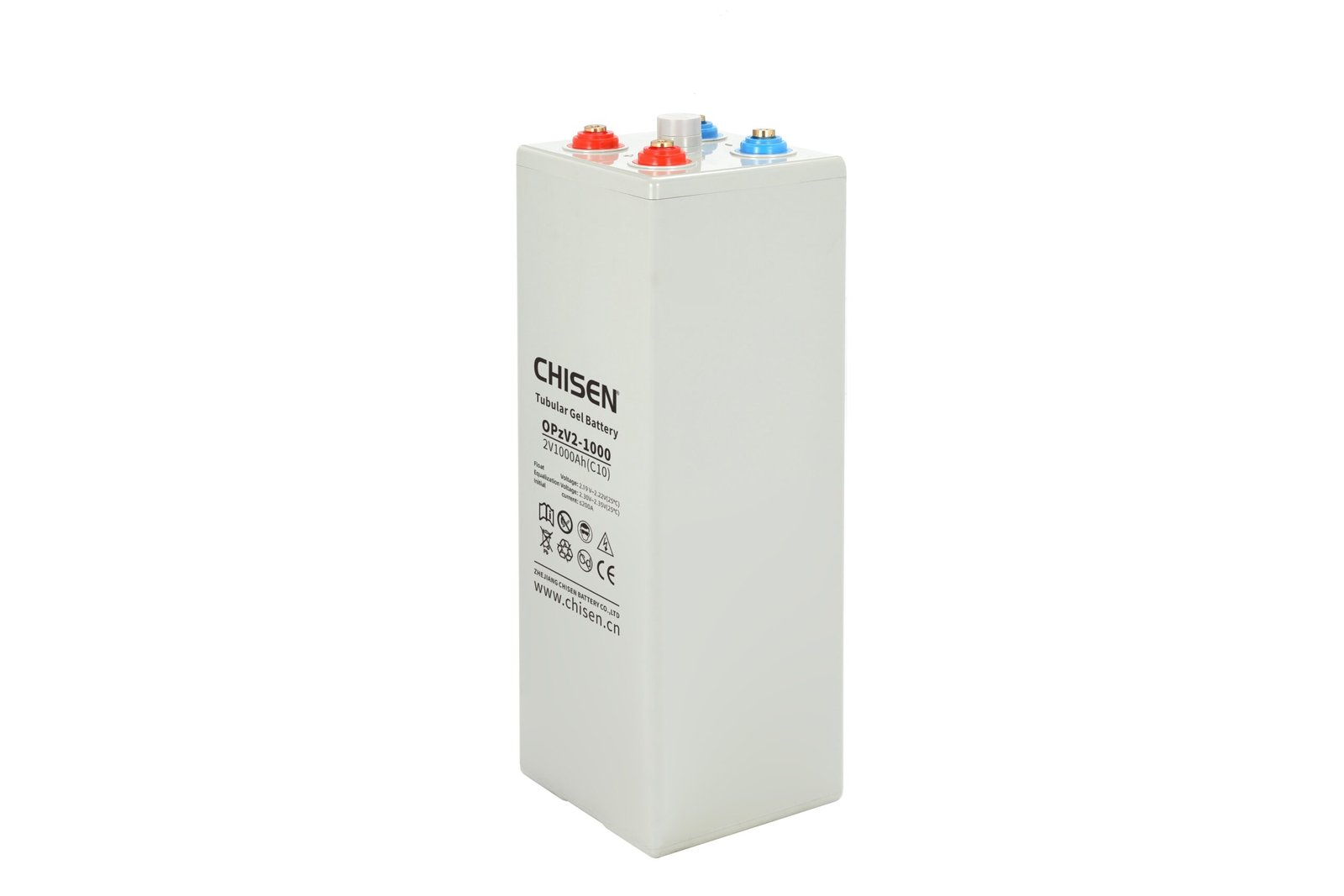
    OPzV 1000Ah (Telecom Backup)

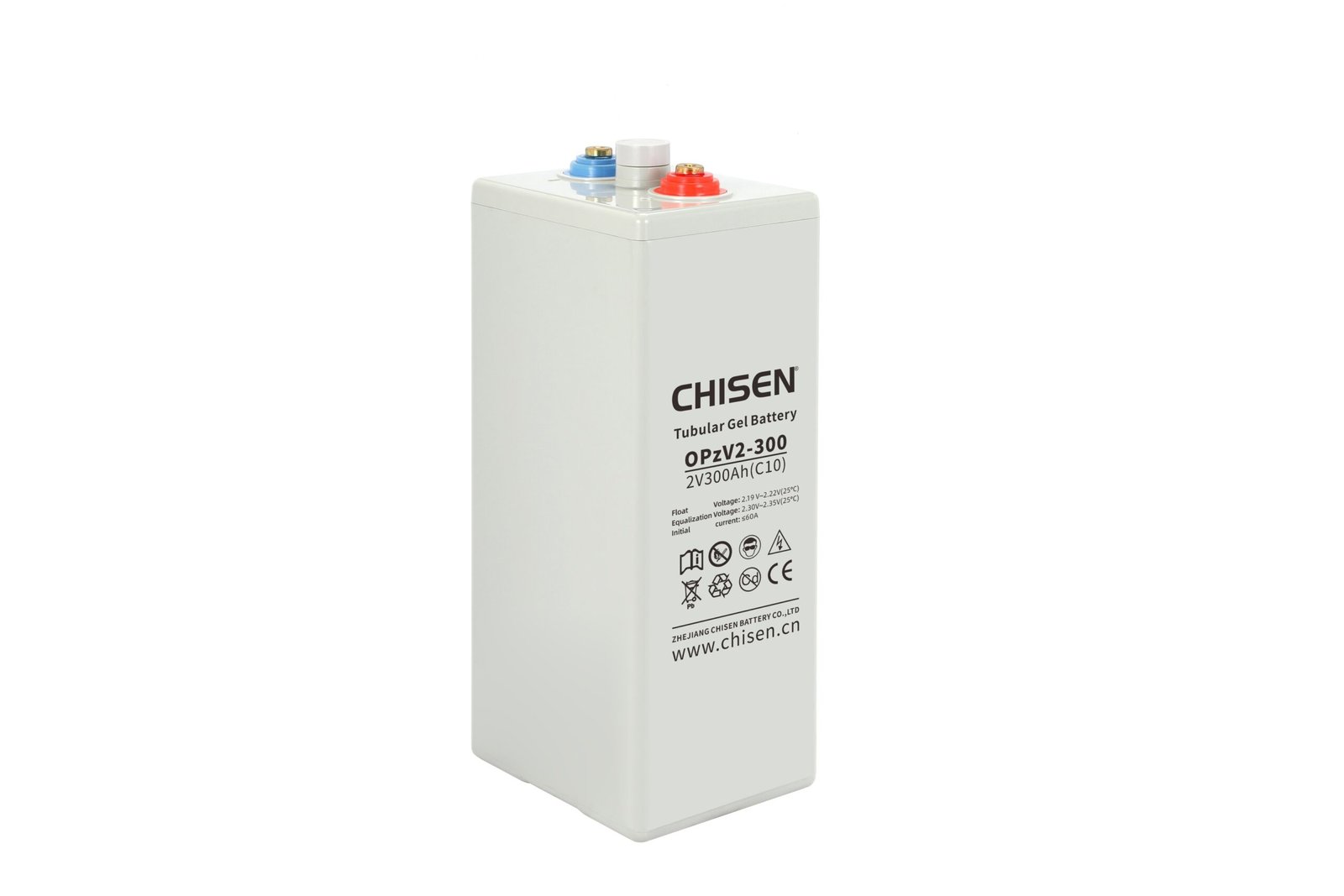
    OPzV 300Ah (Compact Telecom Site)

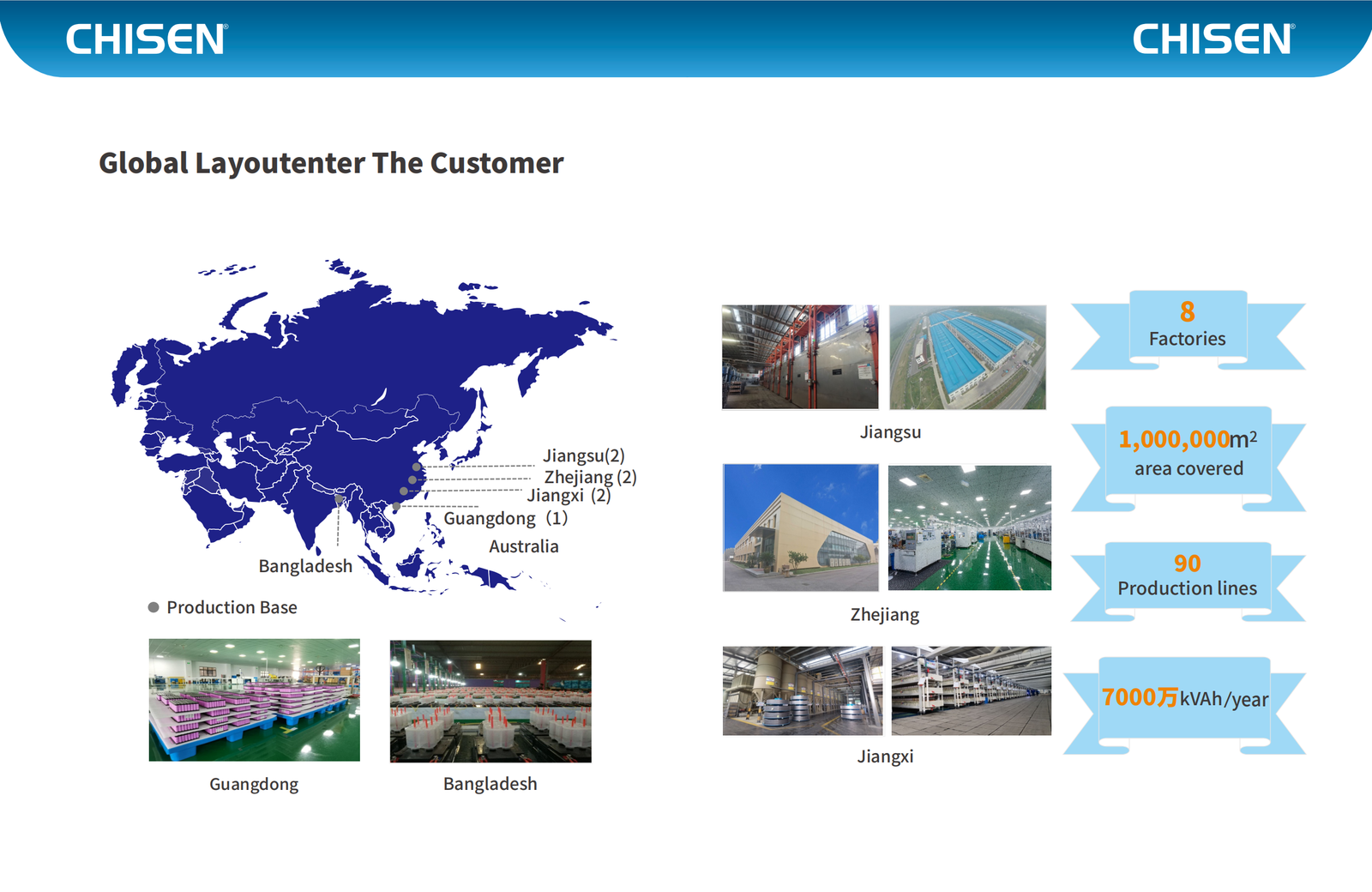
    CHISEN Global Service Network

    CTA

    Download the CHISEN Africa South Asia Telecom Backup Specification Datasheet (PDF, 68 pages) — includes per-cell OPzV pricing for 200–3,000Ah range, hybrid solar-plus-storage sizing worksheets, 35–45°C temperature-derated performance data, and 10-year TCO comparison for OPzV and LFP chemistries.

    For project-specific quotation, send your tower count, daily load profile, daily outage duration, ambient temperature, and target delivery country to sales@chisen.cn or message WhatsApp +86 131 6622 6999.

    Request the CHISEN Telecom Backup Supplier Audit Checklist (PDF) — a 47-point pre-shipment inspection framework covering float voltage verification, hybrid inverter compatibility, local service network validation, and 10-year TCO documentation.