作者: CHISEN

  • CHISEN Battery Supplier Alameda County, California 2026: Complete Product Line for Importers

    Alameda County, California — anchored by Oakland, America’s 45th-largest metropolitan area and the San Francisco Bay Area’s most diverse and industrially dynamic city — is one of the most strategically important battery markets on the US West Coast. Oakland’s Port of Oakland handles over 2.4 million TEU of containerised cargo annually and is the fourth-busiest container port on the US West Coast, serving as the primary gateway for trade between the United States and Asia via the Pacific. The county is also home to the Lawrence Berkeley National Laboratory (one of the world’s most cited research institutions), the University of California Berkeley (enrolment 45,000+, one of the world’s premier public research universities), the CHORI medical research institute, and a growing technology and advanced manufacturing sector. This extraordinary combination of port logistics, world-class research, and technology innovation creates a uniquely high-value battery market.

    Why Alameda County Matters for Lead-Acid Batteries

    Alameda County’s battery market is driven by four distinct demand clusters. First, the maritime logistics sector — centred on the Port of Oakland, which handles over 2.4 million TEU annually and is the fourth-busiest US West Coast container port — requires motive power batteries for electric forklifts, rubber-tyred gantry cranes, automated guided vehicles, and electric yard tractors operating in salt-air environments. Second, the higher education and research sector — anchored by UC Berkeley ($1.8 billion in annual research expenditure), Lawrence Berkeley National Laboratory, and the Children’s Hospital Oakland Research Institute — requires pharmaceutical-grade UPS for research laboratories, data centres, and clinical facilities. Third, the technology and advanced manufacturing sector — growing rapidly in Oakland’s Jack London Square and Brooklyn Basin waterfront developments, and in the East Oakland industrial corridor — requires commercial UPS for data centres and clean manufacturing environments. Fourth, the Bay Area’s aggressive solar-plus-storage market, driven by California’s 100% clean energy mandate by 2045, is creating rapidly growing demand for deep-cycle VRLA batteries in the commercial, industrial, and residential segments.

    California’s energy landscape, served by Pacific Gas and Electric (PG&E) in Alameda County, presents specific grid reliability challenges that drive battery demand. PG&E’s Public Safety Power Shutoffs (PSPS), implemented to prevent wildfire ignitions during high-wind, low-humidity conditions, have caused widespread and planned outages across the Bay Area, including Alameda County. These planned outages — which can last 24–72 hours — have permanently changed how Bay Area businesses approach backup power. California SB 100, requiring 100% carbon-free electricity by 2045, is driving aggressive utility investment in solar-plus-storage. PG&E’s grid hardening programme and battery storage investments are creating new demand for industrial-scale battery backup across Alameda County.

    Key Alameda County Cities and Logistics Hubs

    Oakland (Alameda County) — America’s 45th-largest metropolitan area and the San Francisco Bay Area’s most diverse city. The Port of Oakland, spanning over 1,200 acres of marine terminal facilities, is the fourth-busiest container port on the US West Coast and the primary gateway for US agricultural exports to Asia. Oakland’s Jack London Square and Brooklyn Basin waterfront developments host a growing cluster of technology companies, co-working spaces, and hospitality operations requiring commercial UPS. Oakland’s Inner Harbor and Port’s maritime operations require motive power batteries for electric cargo handling equipment operating in salt-air environments.

    Berkeley (Alameda County) — Home to the University of California Berkeley (enrolment 45,000+, one of the world’s premier public research universities by research expenditure) and Lawrence Berkeley National Laboratory (LBNL, one of the world’s most cited research institutions, employing over 4,000 scientists). UC Berkeley and LBNL require pharmaceutical-grade UPS for research laboratory environments, high-performance computing facilities, and campus security systems. Berkeley’s concentration of life sciences startups, anchored by the Berkeley BioLabs incubator and QB3 shared research facilities, creates growing demand for cleanroom UPS applications.

    Alameda (Alameda County) — A historic island city in San Francisco Bay, home to the former Naval Air Station Alameda (now Alameda Point, a mixed-use development) and a growing technology and creative industries cluster. Alameda Point, spanning over 800 acres of former naval aviation infrastructure, is being redeveloped as a mixed-use innovation campus and residential community. The Alameda Point development requires commercial UPS for its commercial buildings and industrial facilities. Alameda’s proximity to the Port of Oakland and its own small-boat harbour creates maritime battery demand.

    Piedmont / Rockridge (Alameda County) — Affluent East Bay residential communities and the location of Kaiser Permanente’s Oakland Medical Center (over 400 beds) and Alta Bates Summit Medical Center. These hospitals require hospital-grade UPS for critical care, surgical, and diagnostic equipment. Piedmont’s residential character also creates growing demand for residential solar-plus-storage systems as Bay Area homeowners seek protection against PG&E PSPS outages.

    San Leandro / Hayward (Alameda County) — The southern Alameda County communities that form the industrial spine of the East Bay, home to the largest concentration of manufacturing and warehousing in the county. The San Leandro-Hayward industrial corridor hosts major distribution facilities, food processing operations, and manufacturing facilities requiring motive power batteries for material handling and industrial UPS for manufacturing operations. The area’s proximity to the Port of Oakland’s rail yards makes it a key logistics node for container drayage operations.

    How CHISEN Works with Alameda County Importers

    Step 1 — Application Analysis and Product Matching: CHISEN’s Alameda County account team reviews your application requirements — port motive power, research UPS, commercial data centre, or solar-plus-storage — and recommends the optimal battery chemistry and configuration. For Port of Oakland motive power applications, CHISEN recommends the OPzS flooded tubular-plate series for its superior deep-cycling performance and salt-air corrosion resistance. For UC Berkeley and LBNL research UPS environments, CHISEN recommends the GFM series with extended float life and very low self-discharge. For Bay Area solar-plus-storage installations, CHISEN recommends the 6-CNFJ Gel series for its superior cycle life in California’s Mediterranean climate.

    Step 2 — Documentation and Compliance Package: Lead-acid batteries imported from China into California are subject to US Harmonised Tariff Schedule Chapter 85, with USITC duty rates of 3.4–3.5% ad valorem. CHISEN provides full documentation packages including Certificate of Origin, CE and ISO 9001 certifications, UN38.3 transport safety documentation, and MSDS sheets. For California’s Prop 65 (California Safe Drinking Water and Toxic Enforcement Act) requirements, CHISEN provides battery composition documentation. For CARB (California Air Resources Board) compliance, CHISEN provides relevant emissions documentation.

    Step 3 — Port Routing and Inland Transit: Alameda County importers have two primary import corridors: (a) FCL ocean freight from Chinese ports to the Port of Oakland, with direct drayage to Alameda County warehouses — the most cost-effective option for full container loads and the most direct route from Asia; (b) FCL ocean freight to the Port of Los Angeles or Long Beach, with BNSF Railway intermodal rail to Oakland — a viable option when Oakland port congestion is high. Transit from Shanghai to the Port of Oakland averages 14–18 days via direct Pacific crossing — one of the shortest transit times from China to any major US port. CHISEN coordinates with the Port of Oakland’s marine terminal operators for streamlined customs clearance.

    Step 4 — California Solar-Plus-Storage and SB 100 Programme Support: California’s SB 100, requiring 100% carbon-free electricity by 2045, and the state’s Self-Generation Incentive Programme (SGIP), providing incentives for commercial battery storage, are creating strong demand for deep-cycle VRLA batteries. CHISEN’s technical team provides battery sizing documentation, cycle life projections, and technical support for PG&E interconnection applications and SGIP incentive applications. For PG&E’s grid resilience battery storage projects, CHISEN supplies OPzV sealed tubular-gel batteries.

    Step 5 — After-Sales and Warranty Support: CHISEN provides a 3-year pro-rata warranty on GFM UPS and 6-CNF/CNFJ series batteries, and up to 5 years on OPzV tubular-gel batteries. Alameda County distributors receive dedicated account management and installation support. CHISEN’s Oakland-area logistics partners can arrange expedited delivery for warranty replacement stock.

    Questions Alameda County Importers Ask

    Q: What port should I use for inland delivery to Alameda County?
    The Port of Oakland is the most direct option for Alameda County importers, offering the shortest transit from China (14–18 days via direct Pacific crossing) and the lowest inland drayage costs. When Oakland port congestion is high, the Port of Los Angeles or Long Beach are viable alternatives with BNSF Railway intermodal rail service to Oakland. For urgent orders under 500 kg, Oakland International Airport (OAK) offers limited cargo flights via connecting hubs.

    Q: Does California require specific battery disposal documentation for commercial importers in Alameda County?
    California’s Department of Toxic Substances Control (DTSC) regulates lead-acid battery disposal under the California Health and Safety Code. Commercial importers must maintain documentation demonstrating that batteries are sent to authorised recyclers. Alameda County has multiple DTSC-authorised battery recycling facilities in the Oakland and Hayward areas. CHISEN provides pre-completed recycling programme documentation templates to Alameda County distributors.

    Q: How does PG&E’s Public Safety Power Shutoff (PSPS) programme affect battery selection in Alameda County?
    PG&E’s Public Safety Power Shutoff (PSPS) programme, implemented to prevent wildfire ignitions during high-wind, low-humidity conditions, has caused planned outages lasting 24–72 hours across the Bay Area, including Alameda County. These planned outages have permanently changed how Bay Area businesses approach backup power — resilience against multi-day outages is now the primary selection criterion. For Bay Area businesses seeking protection against PSPS events, CHISEN recommends the OPzV sealed tubular-gel series for its zero-maintenance operation and ability to deliver extended runtime during multi-day outages. The sealed recombinant gas design requires no electrolyte watering during extended outage periods.

    Q: What is the typical transit time from Shanghai to the Port of Oakland?
    Ocean freight from Shanghai to the Port of Oakland averages 14–18 days via direct Pacific Ocean crossing — one of the shortest transit times from China to any major US port. This direct route bypasses both the Panama and Suez Canals, providing both speed and cost advantages over East Coast port routes. Full container loads can be delivered directly to Alameda County warehouses with same-day or next-day drayage from the Port of Oakland.

    Q: Can CHISEN supply batteries meeting pharmaceutical cleanroom UPS specifications for UC Berkeley and LBNL research facilities?
    Yes. UC Berkeley and Lawrence Berkeley National Laboratory research facilities require UPS systems meeting strict pharmaceutical and research laboratory standards including NIH guidelines for biosafety level facilities, EPA standards for environmental research equipment, and DOE standards for national laboratory operations. CHISEN’s GFM series UPS batteries are rated for these environments with very low self-discharge (less than 3% per month at 25 degrees C), float life of 10–12 years at 25 degrees C, and recharge acceptance meeting the requirements of major research UPS manufacturers including Eaton and Vertiv. CHISEN’s technical team provides load calculations and runtime charts for specific research UPS configurations.

    Q: How does California’s SB 100 affect battery selection for solar-plus-storage in Alameda County?
    California’s SB 100, requiring 100% carbon-free electricity by 2045, is creating strong incentives for solar-plus-storage across Alameda County. PG&E’s Self-Generation Incentive Programme (SGIP) provides commercial battery storage incentives that make solar-plus-storage economically compelling. For SGIP and PG&E solar-plus-storage projects in Alameda County, CHISEN recommends the 6-CNFJ Gel series for its superior cycle life under California’s Mediterranean climate (mild winters, dry summers). For utility-scale storage projects, the OPzV sealed tubular-gel series provides the longest cycle life for daily cycling applications. CHISEN provides battery sizing documentation for PG&E interconnection and SGIP incentive applications.

    CHISEN Product Range for Alameda County Applications

    Model Voltage Capacity Chemistry Application in Alameda County
    6-CNFJ-100 12V 100Ah Gel VRLA Residential solar-plus-storage, Bay Area PG&E PSPS resilience
    6-CNFJ-150 12V 150Ah Gel VRLA Commercial rooftop solar, Oakland and Berkeley office buildings
    6-CNFJ-200 12V 200Ah Gel VRLA Industrial solar-plus-storage, San Leandro industrial corridor solar
    6-CNFJ-250 12V 250Ah Gel VRLA Large commercial solar, Alameda Point development solar
    6-CNF-65 12V 65Ah AGM VRLA Small commercial UPS, Oakland and Berkeley office buildings
    6-CNF-100 12V 100Ah AGM VRLA UPS backup, Oakland Jack London Square tech companies
    6-CNF-150 12V 150Ah AGM VRLA Hospital UPS, Alta Bates Summit and Kaiser Oakland
    6-CNF-200 12V 200Ah AGM VRLA Data centre UPS, Oakland and Berkeley colocation facilities
    6-CNF-250 12V 250Ah AGM VRLA Large commercial UPS, Oakland downtown high-rises
    GFM-100 12V 100Ah AGM VRLA Telecom backup, Oakland urban cell network towers
    GFM-150 12V 150Ah AGM VRLA UC Berkeley campus UPS, Berkeley university facilities
    GFM-200 12V 200Ah AGM VRLA Hospital-grade UPS, Kaiser Permanente Oakland Medical Center
    GFM-250 12V 250Ah AGM VRLA LBNL research UPS, Lawrence Berkeley National Lab facilities
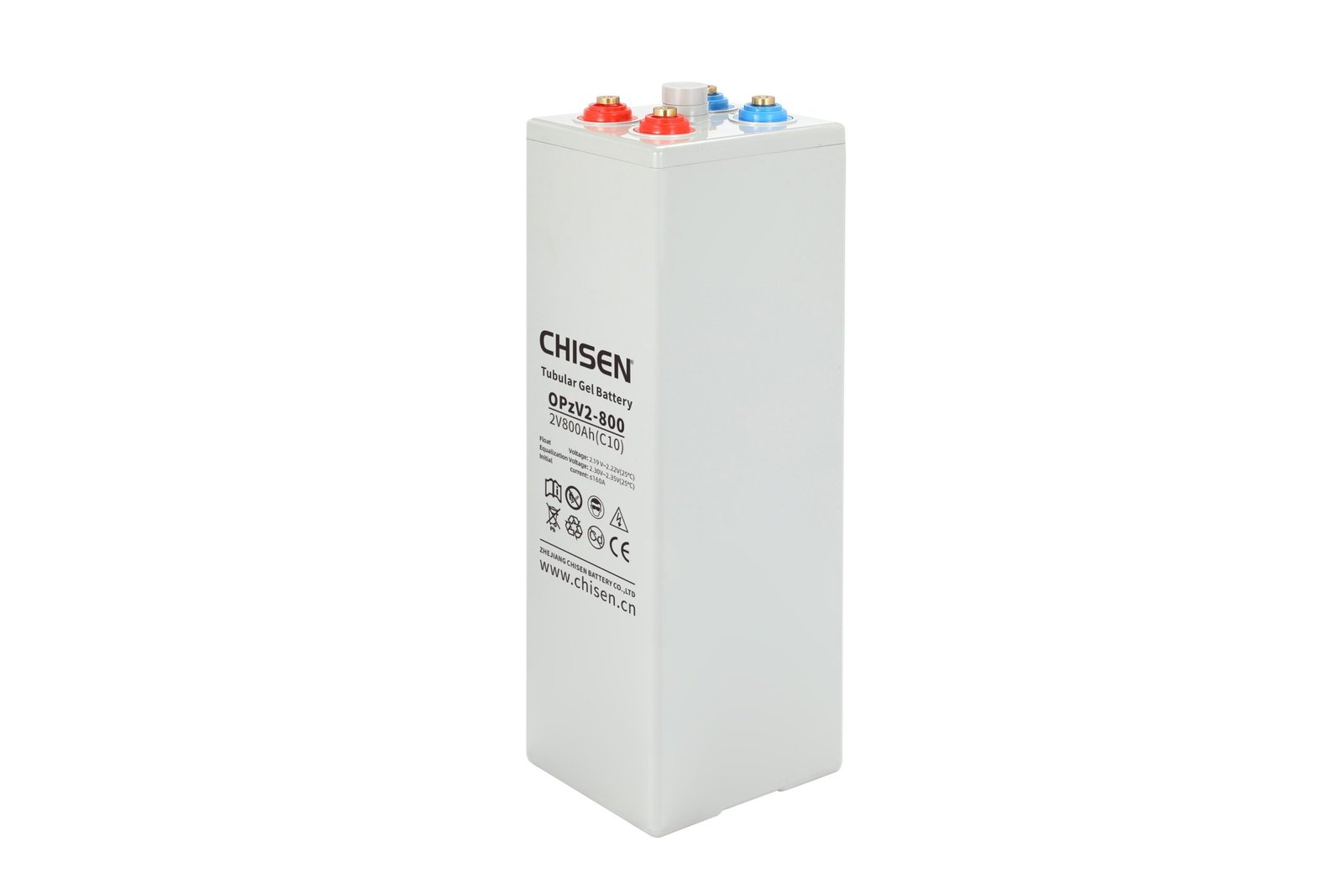
    OPzV-200 2V 200Ah Sealed Tubular Gel Long-life telecom, Alameda County rural cell tower installations
    OPzV-500 2V 500Ah Sealed Tubular Gel Industrial UPS, San Leandro manufacturing facilities
    OPzV-1000 2V 1000Ah Sealed Tubular Gel Port logistics UPS, Port of Oakland container terminal backup
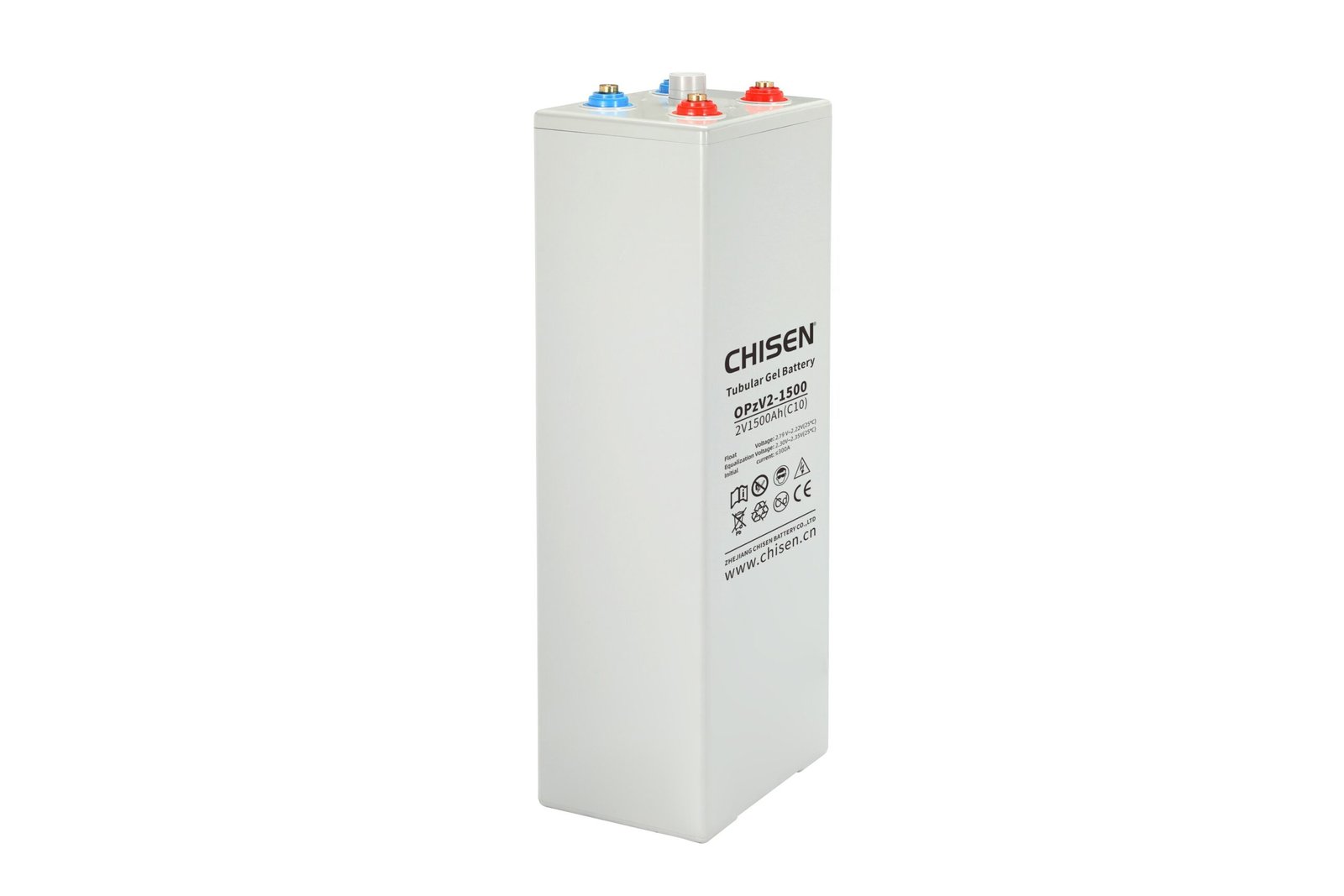
    OPzV-1500 2V 1500Ah Sealed Tubular Gel Large industrial facilities, East Oakland industrial UPS
    OPzV-2000 2V 2000Ah Sealed Tubular Gel PG&E grid storage, Alameda County utility-scale solar projects
    OPzV-3000 2V 3000Ah Sealed Tubular Gel Utility-scale backup power, PG&E Bay Area resilience projects
    OPzS-200 2V 200Ah Flooded Tubular Motive power, electric forklift fleet in Port of Oakland terminals
    OPzS-500 2V 500Ah Flooded Tubular Heavy motive power, Port of Oakland RTG and STS cranes
    EVF-12V series 12V Various EV Traction Electric utility vehicles, Alameda County fleet electrification
    DZF-12V series 12V Various Deep Cycle Golf carts, Oakland-area resort and campus vehicles
    GFM-4.5Ah 12V 4.5Ah AGM VRLA Small UPS, fire alarm systems, Oakland commercial security
    GFM-7Ah 12V 7Ah AGM VRLA Emergency lighting, Oakland hospital fire life safety systems

    CHISEN batteries are certified CE, ISO 9001, ISO 14001, IEC 62133, and UN38.3. All products carry a 1–5 year pro-rata warranty depending on series and application. Contact CHISEN today for Alameda County market pricing, shipping quotes, and technical sizing support.

    Email: sales@chisen.cn | WhatsApp: +86 131 6622 6999 | Website: www.chisen.cn

  • CHISEN Battery Supplier Nassau County, New York 2026: Complete Product Line for Importers

    Nassau County, New York — located immediately east of New York City on Long Island, America’s most populous suburban county with over 1.4 million residents — is one of the most affluent and battery-intensive markets in the Northeastern United States. Nassau County’s proximity to New York City, its concentration of financial services headquarters, pharmaceutical companies, healthcare systems, and its Atlantic coast position, creates a complex and high-value battery market. The county is also one of the most hurricane-exposed areas on the US East Coast, having been directly impacted by Hurricane Sandy in 2012 — which caused over $19 billion in damage in New York State alone — making backup power infrastructure a permanent feature of Nassau County’s commercial landscape.

    Why Nassau County Matters for Lead-Acid Batteries

    Nassau County’s battery market is driven by four distinct demand clusters. First, the healthcare sector — anchored by the Northwell Health system (one of the largest healthcare systems in the United States, with 21 hospitals including North Shore University Hospital in Manhasset and Long Island Jewish Medical Center in New Hyde Park) — requires hospital-grade UPS across every clinical facility. Second, the financial services and professional services sector — with major offices of Goldman Sachs, JP Morgan Chase, Morgan Stanley, and major law firms operating in the county — requires high-availability UPS for trading floors, data centres, and office buildings. Third, the maritime and defence sector — anchored by the Brookhaven National Laboratory, the US Navy’s former Naval Weapons Station in Calverton (now an innovation business park), and major maritime supply chain operations — requires industrial UPS and motive power batteries. Fourth, the commercial and residential solar-plus-storage market is expanding rapidly as Nassau County residents and businesses seek resilience against hurricane-related outages and benefit from New York State’s ambitious renewable energy mandates.

    New York State’s energy landscape, served by PSEG Long Island (the transmission and distribution utility for Nassau County) and the NYISO wholesale market, presents specific grid reliability challenges that drive battery demand. Hurricane Sandy’s devastation in 2012 permanently changed how Nassau County businesses approach backup power — resilience became the primary selection criterion. New York State’s Climate Leadership and Community Protection Act (CLCPA), requiring 70% renewable electricity by 2030 and 100% zero-emissions electricity by 2040, is driving aggressive investment in utility-scale and distributed solar-plus-storage projects across Nassau County. Con Edison’s Long Island operations (PSEG Long Island) and the Long Island Power Authority (LIPA) are both investing heavily in battery storage as grid resilience tools.

    Key Nassau County Cities and Logistics Hubs

    Manhasset (Nassau County) — Home to North Shore University Hospital (over 800 beds), one of Northwell Health’s flagship facilities and a major tertiary and quaternary care centre serving all of Long Island. North Shore University Hospital in Manhasset requires N+1 hospital-grade UPS across every clinical, diagnostic, and surgical department. Manhasset is also home to the Americana Manhasset luxury shopping destination, which requires commercial UPS for its high-end retail operations.

    New Hyde Park / Garden City (Nassau County) — Home to Long Island Jewish Medical Center (over 800 beds), another major Northwell Health flagship, and the Hofstra University campus (enrolment 11,000+). Long Island Jewish Medical Center in New Hyde Park requires the highest-grade hospital UPS systems. Garden City’s Hofstra University hosts the Hofstra Northwell School of Medicine and requires UPS for research laboratory environments. The area’s concentration of healthcare and higher education creates the county’s highest concentration of hospital-grade UPS demand.

    Melville (Nassau County) — A major Long Island business hub and the headquarters of Altice USA (one of the largest US cable providers), Dover Corporation (industrial manufacturing), and numerous technology and financial services companies. Melville’s corporate campus corridor requires commercial UPS for data centre and office building applications. Melville’s location on the Long Island Expressway (I-495) makes it a key logistics node for Long Island distribution.

    Hicksville (Nassau County) — Nassau County’s most populous town, located at the geographic centre of Long Island and served by one of the busiest Long Island Rail Road stations. Hicksville’s industrial corridor and its position on I-495 and the Long Island Rail Road make it a critical logistics hub for Long Island’s distribution network. Hicksville hosts major distribution facilities for consumer goods companies requiring motive power batteries for material handling operations.

    Bethpage / Plainview (Nassau County) — Home to the Bethpage State Park (hosting the annual US Open golf tournament) and a concentration of aerospace and defence manufacturing operations, including the former Grumman Corporation site in Bethpage (now a technology business park). Bethpage’s aerospace heritage creates demand for industrial UPS and motive power batteries in manufacturing environments. Plainview hosts the Cold Spring Harbor Laboratory (one of America’s premier molecular biology research institutions), requiring pharmaceutical-grade UPS for research operations.

    How CHISEN Works with Nassau County Importers

    Step 1 — Application Analysis and Product Matching: CHISEN’s Nassau County account team reviews your application requirements — hospital UPS, financial services data centre, aerospace manufacturing, or solar-plus-storage — and recommends the optimal battery chemistry and configuration. For Northwell Health hospital UPS environments, CHISEN recommends the GFM series with extended float life (10–12 years at 25 degrees C) and very low self-discharge for standby power applications. For Hurricane Sandy resilience applications, CHISEN recommends the OPzV sealed tubular-gel series for its zero-maintenance operation and ability to withstand prolonged discharge cycles without degradation.

    Step 2 — Documentation and Compliance Package: Lead-acid batteries imported from China into New York State are subject to US Harmonised Tariff Schedule Chapter 85, with USITC duty rates of 3.4–3.5% ad valorem. CHISEN provides full documentation packages including Certificate of Origin, CE and ISO 9001 certifications, UN38.3 transport safety documentation, and MSDS sheets. For New York State’s strict environmental regulations under the NYS Department of Environmental Conservation (NYSDEC), CHISEN provides additional documentation on battery composition and recycling programme participation.

    Step 3 — Port Routing and Inland Transit: Nassau County importers have two primary import corridors: (a) FCL ocean freight from Chinese ports to the Port of New York and New Jersey (Port Newark or the Elizabeth Marine Terminal), with direct drayage to Nassau County via the Long Island Expressway (I-495) — the most cost-effective option for full container loads; (b) Ocean freight to the Port of Newburgh or Port of Albany, with intermodal rail to Long Island — a viable option when NY/NJ port congestion is high. Transit from Shanghai to the Port of New York/New Jersey averages 28–35 days via the Panama Canal. CHISEN coordinates with PSEG Long Island and regional logistics partners for streamlined delivery.

    Step 4 — New York State Clean Energy Programme Support: New York State’s Climate Leadership and Community Protection Act (CLCPA), requiring 70% renewable electricity by 2030 and 100% zero-emissions electricity by 2040, is driving aggressive investment in solar-plus-storage projects across Nassau County. CHISEN’s technical team provides battery sizing documentation, cycle life projections, and technical support for NYSERDA and PSEG Long Island interconnection applications. For LIPA grid-edge storage projects, CHISEN supplies OPzV sealed tubular-gel batteries.

    Step 5 — After-Sales and Warranty Support: CHISEN provides a 3-year pro-rata warranty on GFM UPS and 6-CNF/CNFJ series batteries, and up to 5 years on OPzV tubular-gel batteries. Nassau County distributors receive dedicated account management and installation support.

    Questions Nassau County Importers Ask

    Q: What port should I use for inland delivery to Nassau County?
    The Port of New York and New Jersey (Port Newark and the Elizabeth Marine Terminal) is the most direct option for Nassau County importers. Once cleared through customs at the port, full container loads can be delivered directly to Nassau County warehouses via the Verrazzano-Narrows Bridge, the Throgs Neck Bridge, or the Queens-Midtown Tunnel — all connecting Long Island to the New York City mainland. When NY/NJ port congestion is high, the Port of Newburgh (Hudson River, north of NYC) or Port of Albany (via the New York State Thruway) are viable alternatives with truck delivery to Long Island. For urgent orders under 500 kg, JFK International Airport’s cargo terminal offers air freight options.

    Q: Does New York State require specific battery disposal documentation for commercial importers?
    New York State’s Department of Environmental Conservation (NYSDEC) regulates lead-acid battery disposal under the New York State Environmental Conservation Law. Commercial importers must maintain documentation demonstrating that batteries are sent to authorised recyclers. Nassau County has multiple NYSDEC-authorised battery recycling facilities. CHISEN provides pre-completed recycling programme documentation templates to Nassau County distributors.

    Q: Can CHISEN supply batteries meeting hospital UPS specifications for Northwell Health facilities in Nassau County?
    Yes. Northwell Health facilities, including North Shore University Hospital in Manhasset and Long Island Jewish Medical Center in New Hyde Park, require UPS systems meeting strict healthcare facility standards including NFPA 110 Type 10 emergency power requirements and Joint Commission accreditation standards. CHISEN’s GFM series UPS batteries are rated for these environments with float life of 10–12 years at 25 degrees C, recharge acceptance of 0.2C10, and 480V string configurations matching major hospital UPS manufacturer specifications.

    Q: What is the typical transit time from Shanghai to the Port of New York/New Jersey for Nassau County deliveries?
    Ocean freight from Shanghai to the Port of New York/New Jersey averages 28–35 days via the Panama Canal route. For urgent shipments, express service via the Suez Canal route can reduce transit to 22–26 days but carries a premium. Full container loads can be delivered to Nassau County warehouses within 1–2 days of port clearance.

    Q: How does Hurricane Sandy’s legacy affect battery selection for commercial installations in Nassau County?
    Hurricane Sandy (October 2012) caused over $19 billion in damage in New York State, including catastrophic flooding across Nassau County’s south shore communities. The storm’s impact permanently changed how Nassau County businesses approach backup power — resilience, not just reliability, became the primary selection criterion. For commercial and institutional installations in Nassau County, CHISEN recommends the OPzV sealed tubular-gel series for its zero-maintenance operation and ability to withstand prolonged discharge cycles without degradation. The sealed, recombinant gas design means no electrolyte maintenance during extended outage periods when facilities may be inaccessible.

    Q: How does New York State’s CLCPA affect battery selection for solar-plus-storage in Nassau County?
    New York State’s Climate Leadership and Community Protection Act (CLCPA), requiring 70% renewable electricity by 2030 and 100% zero-emissions electricity by 2040, is creating strong incentives for solar-plus-storage across Nassau County. NYSERDA’s NY-Sun programme and PSEG Long Island’s battery storage incentives are driving commercial and utility-scale storage adoption. For NY-Sun and PSEG Long Island solar-plus-storage projects, CHISEN recommends the 6-CNFJ Gel series for its superior cycle life under Long Island’s seasonal temperature variation. For utility-scale storage, the OPzV sealed tubular-gel series provides the longest cycle life for daily cycling applications. CHISEN provides battery sizing documentation for NYSERDA and PSEG Long Island interconnection applications.

    CHISEN Product Range for Nassau County Applications

    Model Voltage Capacity Chemistry Application in Nassau County
    6-CNFJ-100 12V 100Ah Gel VRLA Residential solar-plus-storage, Long Island hurricane resilience
    6-CNFJ-150 12V 150Ah Gel VRLA Commercial rooftop solar, Garden City office buildings
    6-CNFJ-200 12V 200Ah Gel VRLA Industrial solar-plus-storage, Hicksville logistics solar
    6-CNFJ-250 12V 250Ah Gel VRLA Large commercial solar, Melville corporate campus solar
    6-CNF-65 12V 65Ah AGM VRLA Small commercial UPS, Nassau office buildings
    6-CNF-100 12V 100Ah AGM VRLA UPS backup, Melville corporate campus financial services data centres
    6-CNF-150 12V 150Ah AGM VRLA Hospital UPS, North Shore University Hospital Manhasset
    6-CNF-200 12V 200Ah AGM VRLA Data centre UPS, Nassau County financial services colocation facilities
    6-CNF-250 12V 250Ah AGM VRLA Large commercial UPS, Nassau County office high-rises
    GFM-100 12V 100Ah AGM VRLA Telecom backup, Nassau County urban cell network towers
    GFM-150 12V 150Ah AGM VRLA Hofstra campus UPS, Garden City university facilities
    GFM-200 12V 200Ah AGM VRLA Hospital-grade UPS, Long Island Jewish Medical Center
    GFM-250 12V 250Ah AGM VRLA Financial services UPS, Nassau County trading floor applications
    OPzV-200 2V 200Ah Sealed Tubular Gel Long-life telecom, Nassau County rural cell tower installations
    OPzV-500 2V 500Ah Sealed Tubular Gel Industrial UPS, Bethpage aerospace manufacturing facilities
    OPzV-1000 2V 1000Ah Sealed Tubular Gel Hicksville logistics UPS, Long Island distribution centre backup
    OPzV-1500 2V 1500Ah Sealed Tubular Gel Large industrial facilities, Melville corporate campus UPS
    OPzV-2000 2V 2000Ah Sealed Tubular Gel PSEG Long Island grid storage, Nassau County utility-scale solar
    OPzV-3000 2V 3000Ah Sealed Tubular Gel Utility-scale backup power, LIPA Hurricane Sandy resilience projects
    OPzS-200 2V 200Ah Flooded Tubular Motive power, electric forklift fleet in Hicksville warehouses
    OPzS-500 2V 500Ah Flooded Tubular Heavy motive power, Nassau County industrial manufacturing
    EVF-12V series 12V Various EV Traction Electric utility vehicles, Nassau County fleet electrification
    DZF-12V series 12V Various Deep Cycle Golf carts, Nassau County golf courses and resort vehicles
    GFM-4.5Ah 12V 4.5Ah AGM VRLA Small UPS, fire alarm systems, Nassau commercial security
    GFM-7Ah 12V 7Ah AGM VRLA Emergency lighting, Nassau hospital fire life safety systems

    CHISEN batteries are certified CE, ISO 9001, ISO 14001, IEC 62133, and UN38.3. All products carry a 1–5 year pro-rata warranty depending on series and application. Contact CHISEN today for Nassau County market pricing, shipping quotes, and technical sizing support.

    Email: sales@chisen.cn | WhatsApp: +86 131 6622 6999 | Website: www.chisen.cn

  • CHISEN Battery Supplier Philadelphia County, Pennsylvania 2026: Complete Product Line for Importers

    Philadelphia County, Pennsylvania — anchored by the city of Philadelphia, America’s sixth-largest city by metropolitan area population — is one of the most historically significant and economically diverse battery markets in the United States. Philadelphia is the birthplace of the American republic, home to the Liberty Bell, Independence Hall, and the University of Pennsylvania (one of the world’s leading research universities by research expenditure, exceeding $2.2 billion annually). The city is also the economic anchor of the Delaware Valley, with major pharmaceutical, healthcare, financial services, and logistics industries driving diversified battery demand. Philadelphia’s position on the Delaware River, with direct access to the Port of Philadelphia (handling over 1 million TEU of containerised cargo annually), the Atlantic Ocean, and the Northeastern rail network, makes it a critical logistics hub for the Mid-Atlantic region.

    Why Philadelphia County Matters for Lead-Acid Batteries

    Philadelphia County’s battery market is driven by four distinct demand clusters. First, the healthcare and hospital sector — anchored by the Penn Medicine health system (one of the largest academic medical centres in the United States), Jefferson Health, Temple University Hospital, and Children’s Hospital of Philadelphia (CHOP, consistently ranked among the top three paediatric hospitals in the United States) — requires hospital-grade UPS across every clinical and research facility. Second, the higher education sector, anchored by the University of Pennsylvania, Temple University, Drexel University, and Thomas Jefferson University, requires high-availability UPS for research laboratories, data centres, and campus security systems. Third, the financial services sector, anchored by the Philadelphia Stock Exchange and the headquarters of Citizens Bank and Truist Financial’s Mid-Atlantic operations, requires commercial UPS for trading floor and data centre applications. Fourth, the logistics and port sector, centred on the Port of Philadelphia, requires motive power batteries for port equipment and industrial UPS for distribution facilities.

    Pennsylvania’s energy landscape, served by PECO Energy (Exelon subsidiary) in the Philadelphia region, presents specific grid reliability challenges that drive battery demand. The Northeast’s winter storm events have highlighted the grid’s vulnerability and accelerated demand for backup power systems across commercial and institutional facilities. Pennsylvania’s Alternative Energy Portfolio Standard, requiring 18% renewable electricity, has driven utility investment in solar-plus-storage projects in the Philadelphia region. Philadelphia’s strategic location between New York and Washington DC also positions it as a key logistics node for the Northeast corridor.

    Key Philadelphia County Cities and Logistics Hubs

    Philadelphia (Philadelphia County) — America’s sixth-largest metropolitan area by population and Pennsylvania’s economic and cultural centre. Center City Philadelphia’s tall-building corridor, the most dense in the United States outside of Manhattan, includes over 300 high-rises requiring commercial UPS and emergency power systems. The University City innovation corridor, anchored by the University of Pennsylvania and Penn Medicine, is one of America’s most productive life sciences clusters and requires pharmaceutical-grade UPS for laboratory and clinical operations. The Navy Yard, a former naval shipyard now converted to a mixed-use innovation campus, hosts over 15,000 workers across 200+ companies in advanced manufacturing, technology, and healthcare sectors.

    University City (Philadelphia County) — The West Philadelphia district anchored by the University of Pennsylvania, Children’s Hospital of Philadelphia (CHOP), the Penn Institute for Innovation, and the Penn Research Laboratories. University City is one of America’s highest-concentration life sciences and research clusters, requiring pharmaceutical-grade UPS for laboratory environments, clinical trials data centres, and hospital critical care systems. CHOP’s Pavilion Hospital requires N+1 UPS across every clinical department.

    Northeast Philadelphia (Philadelphia County) — The most populous section of Philadelphia, home to over 200,000 residents and a concentration of industrial, warehouse, and retail operations. Northeast Philadelphia’s logistics corridor includes major distribution facilities for Amazon, Chewy, and multiple third-party logistics providers requiring motive power batteries for intensive warehouse operations.

    South Philadelphia (Philadelphia County) — Home to the Wells Fargo Center (Philadelphia 76ers and Flyers arena), Lincoln Financial Field (Philadelphia Eagles stadium), and the South Philadelphia Sports Complex. The sports complex hosts over 8 million attendees annually, each requiring extensive emergency lighting, fire life safety, and HVAC backup power systems. South Philadelphia also hosts the Port of Philadelphia’s main container terminal, requiring motive power batteries for port equipment.

    Fishtown / Northern Liberties (Philadelphia County) — The gentrified former industrial neighbourhoods along the Delaware River that now host a concentration of technology companies, craft beverage producers, and creative agencies. These communities contribute to commercial UPS demand from their growing office and studio spaces and represent Philadelphia’s emerging technology sector.

    How CHISEN Works with Philadelphia County Importers

    Step 1 — Application Analysis and Product Matching: CHISEN’s Philadelphia County account team reviews your application requirements — hospital UPS, university research backup, financial services data centre, or port motive power — and recommends the optimal battery chemistry and configuration. For Penn Medicine and CHOP pharmaceutical-grade UPS environments, CHISEN recommends the GFM series with extended float life (10–12 years at 25°C) and very low self-discharge. For Port of Philadelphia motive power applications, CHISEN recommends the OPzS flooded tubular-plate series for its superior deep-cycling performance.

    Step 2 — Documentation and Compliance Package: Lead-acid batteries imported from China into Pennsylvania are subject to US Harmonised Tariff Schedule Chapter 85, with USITC duty rates of 3.4–3.5% ad valorem. CHISEN provides full documentation packages including Certificate of Origin, CE and ISO 9001 certifications, UN38.3 transport safety documentation, and MSDS sheets. For Pennsylvania’s hazardous waste regulations under the Pennsylvania Department of Environmental Protection (PA DEP), CHISEN provides documentation on battery composition and recycling programme participation.

    Step 3 — Port Routing and Inland Transit: Philadelphia County importers have two primary import corridors: (a) FCL ocean freight from Chinese ports to the Port of Philadelphia (Packer Avenue Marine Terminal), with direct drayage to Philadelphia County warehouses — the most cost-effective option for full container loads; (b) Ocean freight to the Port of New York/New Jersey, with intermodal rail (CSX or Norfolk Southern) to Philadelphia — a viable option when Philadelphia port congestion is high. Transit from Shanghai to the Port of Philadelphia averages 30–38 days via the Panama Canal route. CHISEN coordinates with the Philadelphia Regional Port Authority for streamlined customs clearance.

    Step 4 — Pennsylvania Renewable Energy Programme Support: Pennsylvania’s Alternative Energy Portfolio Standard and the state’s net metering framework create demand for solar-plus-storage battery systems. CHISEN’s technical team provides battery sizing documentation, cycle life projections, and technical support for PECO Energy interconnection applications. For Pennsylvania’s growing utility-scale solar-plus-storage market, CHISEN supplies OPzV sealed tubular-gel batteries.

    Step 5 — After-Sales and Warranty Support: CHISEN provides a 3-year pro-rata warranty on GFM UPS and 6-CNF/CNFJ series batteries, and up to 5 years on OPzV tubular-gel batteries. Philadelphia County distributors receive dedicated account management and installation support.

    Questions Philadelphia County Importers Ask

    Q: What port should I use for inland delivery to Philadelphia County?
    The Port of Philadelphia (Packer Avenue Marine Terminal) is the most direct option for Philadelphia County importers. The port handles containerised cargo and roll-on/roll-off cargo, with direct rail access to Norfolk Southern and CSX rail networks. When Philadelphia port congestion is high, the Port of New York and New Jersey is a viable alternative with intermodal rail service to Philadelphia. For urgent orders under 500 kg, Philadelphia International Airport’s cargo terminal offers limited air freight options via connecting flights.

    Q: Does Pennsylvania require specific battery disposal documentation for commercial importers?
    Pennsylvania’s Department of Environmental Protection (PA DEP) regulates lead-acid battery disposal under the Pennsylvania Solid Waste Management Act. Commercial importers must maintain documentation demonstrating that batteries are sent to authorised recyclers. Philadelphia County has multiple authorised battery recycling facilities in the city and surrounding counties. CHISEN provides pre-completed recycling programme documentation templates to Philadelphia County distributors.

    Q: Can CHISEN supply batteries meeting pharmaceutical-grade UPS specifications for Penn Medicine and CHOP research facilities in University City?
    Yes. Penn Medicine and CHOP research facilities in University City require UPS systems meeting strict pharmaceutical manufacturing and clinical research standards including FDA 21 CFR Part 11, HIPAA for patient data protection, and GxP requirements. CHISEN’s GFM series UPS batteries are rated for these environments with very low self-discharge (less than 3% per month at 25°C), float life of 10–12 years at 25°C, and recharge acceptance meeting the requirements of major hospital UPS manufacturers including APC, Eaton, and Vertiv.

    Q: What is the typical transit time from Shanghai to the Port of Philadelphia?
    Ocean freight from Shanghai to the Port of Philadelphia averages 30–38 days via the Panama Canal route. For urgent shipments, express service via the Suez Canal route can reduce transit to 24–28 days but carries a premium. Full container loads can be delivered directly to Philadelphia County warehouses with 1–2 day drayage from the Packer Avenue Marine Terminal.

    Q: How do Philadelphia’s winter storms affect battery selection for commercial backup power installations?
    Philadelphia’s winter climate, with average annual snowfall of 22 inches and temperatures regularly dropping below 20°F, creates specific battery performance requirements for backup power systems. Winter storm events require batteries capable of delivering extended runtime during prolonged outages. CHISEN recommends the OPzV sealed tubular-gel series for commercial and institutional backup power in Philadelphia County, as it maintains capacity at low temperatures better than AGM batteries and requires no watering maintenance — critical during winter outage events when facility access may be limited.

    Q: How does PECO Energy’s grid reliability affect battery selection for solar-plus-storage in Philadelphia County?
    PECO Energy, serving 1.6 million electric customers in the Philadelphia region, has invested in grid hardening following multiple major storm events, but grid reliability challenges remain. For commercial solar-plus-storage installations in Philadelphia County, CHISEN recommends the 6-CNFJ Gel series for its superior cycle life under Philadelphia’s seasonal temperature variation. For critical facility backup power, the OPzV sealed tubular-gel series provides the longest cycle life and zero-maintenance operation for outdoor installations. CHISEN provides battery sizing documentation for PECO Energy interconnection applications.

    CHISEN Product Range for Philadelphia County Applications

    Model Voltage Capacity Chemistry Application in Philadelphia County
    6-CNFJ-100 12V 100Ah Gel VRLA Residential solar-plus-storage, Philadelphia seasonal climate resilience
    6-CNFJ-150 12V 150Ah Gel VRLA Commercial rooftop solar, Center City Philadelphia office buildings
    6-CNFJ-200 12V 200Ah Gel VRLA Industrial solar-plus-storage, Northeast Philadelphia logistics solar
    6-CNFJ-250 12V 250Ah Gel VRLA Large commercial solar, University City research campus solar
    6-CNF-65 12V 65Ah AGM VRLA Small commercial UPS, Center City Philadelphia office buildings
    6-CNF-100 12V 100Ah AGM VRLA UPS backup, Citizens Bank and financial services data centres
    6-CNF-150 12V 150Ah AGM VRLA Hospital UPS, Penn Medicine and Jefferson Health facilities
    6-CNF-200 12V 200Ah AGM VRLA Data centre UPS, University of Pennsylvania research data facilities
    6-CNF-250 12V 250Ah AGM VRLA Large commercial UPS, Center City Philadelphia high-rises
    GFM-100 12V 100Ah AGM VRLA Telecom backup, Philadelphia urban cell network towers
    GFM-150 12V 150Ah AGM VRLA University campus UPS, UPenn and Drexel campus facilities
    GFM-200 12V 200Ah AGM VRLA Hospital-grade UPS, CHOP and Temple University Hospital
    GFM-250 12V 250Ah AGM VRLA Pharmaceutical cleanroom UPS, Penn Medicine research laboratories
    OPzV-200 2V 200Ah Sealed Tubular Gel Long-life telecom, Philadelphia County rural cell towers
    OPzV-500 2V 500Ah Sealed Tubular Gel Industrial UPS, Navy Yard manufacturing facilities
    OPzV-1000 2V 1000Ah Sealed Tubular Gel Port logistics UPS, Port of Philadelphia container terminal
    OPzV-1500 2V 1500Ah Sealed Tubular Gel Large industrial facilities, South Philadelphia industrial UPS
    OPzV-2000 2V 2000Ah Sealed Tubular Gel PECO Energy grid storage, Philadelphia utility-scale solar projects
    OPzV-3000 2V 3000Ah Sealed Tubular Gel Utility-scale backup power, PECO Energy winter storm resilience projects
    OPzS-200 2V 200Ah Flooded Tubular Motive power, electric forklift fleet in Northeast Philadelphia warehouses
    OPzS-500 2V 500Ah Flooded Tubular Heavy motive power, Port of Philadelphia container terminal AGVs
    EVF-12V series 12V Various EV Traction Electric utility vehicles, Philadelphia city fleet electrification
    DZF-12V series 12V Various Deep Cycle Golf carts, Fishtown and South Philadelphia resort vehicles
    GFM-4.5Ah 12V 4.5Ah AGM VRLA Small UPS, fire alarm systems, Philadelphia commercial security
    GFM-7Ah 12V 7Ah AGM VRLA Emergency lighting, Philadelphia hospital fire life safety systems

    CHISEN batteries are certified CE, ISO 9001, ISO 14001, IEC 62133, and UN38.3. All products carry a 1–5 year pro-rata warranty depending on series and application. Contact CHISEN today for Philadelphia County market pricing, shipping quotes, and technical sizing support.

    Email: sales@chisen.cn | WhatsApp: +86 131 6622 6999 | Website: www.chisen.cn

  • CHISEN Battery Supplier Middlesex County, New Jersey 2026: Complete Product Line for Importers

    Middlesex County, New Jersey — located at the geographic heart of the Northeast megalopolis, equidistant from New York City and Philadelphia — is America’s 10th-largest county by population and one of the most economically productive counties in the United States. The county is anchored by New Brunswick (home to Rutgers University’s flagship campus, Johnson & Johnson’s global headquarters, and a major hub of pharmaceutical and life sciences research), Edison, and the Port of New York and New Jersey’s Elizabeth-Port Authority Marine Terminal, the largest container port on the East Coast of the United States by volume, handling over 7.5 million TEU annually. This extraordinary concentration of pharmaceutical research, port logistics, advanced manufacturing, and higher education creates a high-value and diversified battery market.

    Why Middlesex County Matters for Lead-Acid Batteries

    Middlesex County’s battery market is driven by four distinct demand clusters. First, the pharmaceutical and life sciences sector — anchored by Johnson & Johnson’s global headquarters in New Brunswick, Bristol-Myers Squibb’s New Jersey operations, and over 300 pharmaceutical and biotech companies operating in the county — requires industrial UPS systems protecting cleanroom environments, laboratory equipment, and data centres where power interruptions can compromise years of research. Second, the maritime logistics sector, centred on the Port of New York and New Jersey’s Elizabeth Marine Terminal, handles over 7.5 million TEU annually, making it the largest East Coast port and a critical battery market for port motive power. Third, the higher education sector, anchored by Rutgers University’s main campus in New Brunswick (enrolment 51,000+) and its associated research hospitals, requires hospital-grade UPS across every clinical and research facility. Fourth, the advanced manufacturing sector, spanning medical device manufacturing, electronics assembly, and food processing, requires motive power batteries for clean manufacturing environments.

    New Jersey’s energy landscape, served by PSE&G (Public Service Electric and Gas) and JCP&L (Jersey Central Power and Light), presents specific grid reliability challenges that drive battery demand. PSE&G has invested heavily in grid hardening following Hurricane Sandy in 2012, which caused widespread outages across Middlesex County. New Jersey’s state energy mandate, requiring 50% renewable electricity by 2030, is driving utility-scale solar-plus-storage projects in the county. New Jersey’s pharmaceutical and technology sectors also drive demand for high-specification UPS systems meeting stringent cleanroom and laboratory standards.

    Key Middlesex County Cities and Logistics Hubs

    New Brunswick (Middlesex County) — Home to Johnson & Johnson’s global headquarters (one of the world’s largest pharmaceutical companies by revenue), Rutgers University’s main campus (enrolment 51,000+), and the Robert Wood Johnson Medical School. New Brunswick’s pharmaceutical research corridor requires the highest-grade UPS systems for cleanroom environments, laboratory equipment, and data centre operations. The city’s position on the Raritan River and NJ Transit rail lines makes it a key logistics hub for pharmaceutical distribution.

    Edison (Middlesex County) — One of America’s most ethnically diverse municipalities and a major commercial hub. Edison’s extensive warehouse and logistics corridor, spanning the intersection of Routes 1 and 27, includes major retail, hospitality, and warehouse operations requiring commercial UPS and motive power batteries. Edison’s Menlo Park Mall and surrounding retail corridor create seasonal demand peaks for backup power systems.

    Perth Amboy (Middlesex County) — A historic port city on the Raritan Bay and the southern gateway to the New York metropolitan area. Perth Amboy’s deep-water port facilities and proximity to the Port of New York and New Jersey’s container terminals create demand for motive power batteries for port operations. The city’s location on the Arthur Kill waterway makes it a key logistics node for water-borne freight.

    Woodbridge (Middlesex County) — Home to the Port of New York and New Jersey’s Port Reading facility and a concentration of warehouse and distribution operations. Woodbridge’s location on the New Jersey Turnpike (I-95), the Garden State Parkway, and US Route 1 makes it the most accessible municipality in Middlesex County for logistics operations. The Port Reading terminal creates industrial battery demand for material handling operations.

    Iselin / Metropark (Middlesex County) — The Iselin corridor hosts one of the largest concentrations of Indian-American businesses in the United States and the Metropark train station, one of the busiest commuter rail stations in New Jersey serving NJ Transit and Amtrak. This corridor’s corporate campuses require reliable UPS for data centre and office building applications.

    How CHISEN Works with Middlesex County Importers

    Step 1 — Application Analysis and Product Matching: CHISEN’s Middlesex County account team reviews your application requirements — pharmaceutical UPS, port motive power, university research backup, or commercial solar-plus-storage — and recommends the optimal battery chemistry and configuration. For pharmaceutical and life sciences UPS environments, CHISEN recommends the GFM series with extended float life (10–12 years at 25°C) and very low self-discharge for standby power applications. For port motive power operations, CHISEN recommends the OPzS flooded tubular-plate series for its superior deep-cycling performance.

    Step 2 — Documentation and Compliance Package: Lead-acid batteries imported from China into New Jersey are subject to US Harmonised Tariff Schedule Chapter 85, with USITC duty rates of 3.4–3.5% ad valorem. CHISEN provides full documentation packages including Certificate of Origin, CE and ISO 9001 certifications, UN38.3 transport safety documentation, and MSDS sheets. For New Jersey’s air quality regulations under the New Jersey Department of Environmental Protection (NJDEP), CHISEN provides additional documentation on battery emissions and recycling programme participation.

    Step 3 — Port Routing and Inland Transit: Middlesex County importers have two primary import corridors: (a) FCL ocean freight from Chinese ports to the Port of New York and New Jersey (Port Newark or the Elizabeth Marine Terminal), with direct drayage to Middlesex County warehouses — the most cost-effective option for full container loads; (b) Ocean freight to the Port of Baltimore or Port of Philadelphia, with intermodal rail to New Jersey — a viable option when NY/NJ port congestion is high. Transit from Shanghai to the Port of New York/New Jersey averages 28–35 days via the Panama Canal. CHISEN coordinates with the Port Authority of New York and New Jersey’s terminal operators for streamlined customs clearance.

    Step 4 — New Jersey Clean Energy Programme Support: New Jersey’s Clean Energy Programme, administered by the NJ Board of Public Utilities, includes solar incentive programmes and energy storage incentives that create demand for deep-cycle VRLA batteries. CHISEN’s technical team provides battery sizing documentation, cycle life projections, and technical support for New Jersey Clean Energy Programme applications. For PSE&G grid-edge storage projects, CHISEN supplies OPzV sealed tubular-gel batteries.

    Step 5 — After-Sales and Warranty Support: CHISEN provides a 3-year pro-rata warranty on GFM UPS and 6-CNF/CNFJ series batteries, and up to 5 years on OPzV tubular-gel batteries. Middlesex County distributors receive dedicated account management and installation support.

    Questions Middlesex County Importers Ask

    Q: What port should I use for inland delivery to Middlesex County?
    The Port of New York and New Jersey (Port Newark and the Elizabeth Marine Terminal) is the most direct option for Middlesex County importers, offering the shortest transit from China and the lowest inland drayage costs. When NY/NJ port congestion is high, the Port of Baltimore or Port of Philadelphia are viable alternatives with intermodal rail service to New Jersey. For urgent orders under 500 kg, Newark Liberty International Airport’s cargo terminal offers air freight options with 3–5 day transit from major Chinese airports.

    Q: Does New Jersey require specific battery disposal documentation for commercial importers?
    New Jersey’s Department of Environmental Protection (NJDEP) regulates lead-acid battery disposal under the New Jersey Sanitary Landfill Control Act and related regulations. Commercial importers must maintain documentation demonstrating that batteries are sent to authorised recyclers. Middlesex County has multiple authorised battery recycling facilities in the New Brunswick and Edison areas. CHISEN provides pre-completed recycling programme documentation templates to Middlesex County distributors.

    Q: Can CHISEN supply batteries meeting pharmaceutical cleanroom UPS specifications for Johnson & Johnson in New Brunswick?
    Yes. Pharmaceutical cleanroom environments in New Brunswick’s research corridor require UPS systems meeting strict pharmaceutical manufacturing standards including FDA 21 CFR Part 11 compliance for electronic records, ISO 14644 cleanroom standards, and GxP requirements. CHISEN’s GFM series UPS batteries are rated for these environments with very low self-discharge (less than 3% per month at 25°C), float life of 10–12 years at 25°C, and recharge acceptance meeting the requirements of major pharmaceutical UPS manufacturers including Eaton and Vertiv. CHISEN’s technical team provides load calculations and runtime charts for specific pharmaceutical cleanroom UPS configurations.

    Q: What is the typical transit time from Shanghai to the Port of New York/New Jersey?
    Ocean freight from Shanghai to the Port of New York/New Jersey averages 28–35 days via the Panama Canal route. For urgent shipments, express service via the Suez Canal route can reduce transit to 22–26 days but carries a premium. Full container loads can be delivered directly to Middlesex County warehouses with same-day or next-day drayage from Port Newark or the Elizabeth Marine Terminal.

    Q: How does New Jersey’s Hurricane Sandy recovery experience affect battery selection for commercial installations?
    Hurricane Sandy (October 2012) caused over $70 billion in damage across the Northeast, including widespread and prolonged power outages across Middlesex County. The storm’s impact has permanently changed how New Jersey businesses approach backup power — resilience, not just reliability, is now the primary selection criterion. For commercial and institutional installations in Middlesex County, CHISEN recommends the OPzV sealed tubular-gel series for its zero-maintenance operation and ability to withstand prolonged discharge cycles without degradation.

    Q: How does New Jersey’s Clean Energy Programme affect battery selection for solar-plus-storage in Middlesex County?
    New Jersey’s Clean Energy Programme, with its solar incentive and energy storage incentive components, is creating new demand for deep-cycle VRLA batteries in the commercial and industrial segment. For NJCEP solar-plus-storage projects, CHISEN recommends the 6-CNFJ Gel series for its superior cycle life under New Jersey’s seasonal temperature variation. For utility-scale storage projects, the OPzV sealed tubular-gel series provides the longest cycle life for daily cycling applications. CHISEN provides battery sizing documentation in utility-acceptable format for NJCEP interconnection applications.

    CHISEN Product Range for Middlesex County Applications

    Model Voltage Capacity Chemistry Application in Middlesex County
    6-CNFJ-100 12V 100Ah Gel VRLA Residential solar-plus-storage, New Jersey seasonal climate
    6-CNFJ-150 12V 150Ah Gel VRLA Commercial rooftop solar, Edison and New Brunswick buildings
    6-CNFJ-200 12V 200Ah Gel VRLA Industrial solar-plus-storage, Woodbridge industrial corridor solar
    6-CNFJ-250 12V 250Ah Gel VRLA Large commercial solar, Perth Amboy port-adjacent installations
    6-CNF-65 12V 65Ah AGM VRLA Small commercial UPS, Edison corporate campus buildings
    6-CNF-100 12V 100Ah AGM VRLA UPS backup, Johnson & Johnson New Brunswick campus systems
    6-CNF-150 12V 150Ah AGM VRLA Hospital UPS, Robert Wood Johnson University Hospital
    6-CNF-200 12V 200Ah AGM VRLA Data centre UPS, New Brunswick pharma research data facilities
    6-CNF-250 12V 250Ah AGM VRLA Large commercial UPS, New Brunswick downtown high-rises
    GFM-100 12V 100Ah AGM VRLA Telecom backup, Middlesex County urban cell network
    GFM-150 12V 150Ah AGM VRLA Rutgers campus UPS, New Brunswick university facilities
    GFM-200 12V 200Ah AGM VRLA Hospital-grade UPS, New Brunswick hospitals critical care backup
    GFM-250 12V 250Ah AGM VRLA Pharmaceutical cleanroom UPS, J&J and BMS research facilities
    OPzV-200 2V 200Ah Sealed Tubular Gel Long-life telecom, Middlesex County rural cell tower installations
    OPzV-500 2V 500Ah Sealed Tubular Gel Industrial UPS, New Brunswick manufacturing facilities
    OPzV-1000 2V 1000Ah Sealed Tubular Gel Port logistics UPS, Port Reading and Perth Amboy port operations
    OPzV-1500 2V 1500Ah Sealed Tubular Gel Large industrial facilities, Woodbridge logistics UPS
    OPzV-2000 2V 2000Ah Sealed Tubular Gel PSE&G grid storage, New Jersey utility-scale solar projects
    OPzV-3000 2V 3000Ah Sealed Tubular Gel Utility-scale backup power, PSE&G Hurricane Sandy resilience projects
    OPzS-200 2V 200Ah Flooded Tubular Motive power, electric forklift fleet in Woodbridge warehouses
    OPzS-500 2V 500Ah Flooded Tubular Heavy motive power, Port Newark and Elizabeth terminal AGVs
    EVF-12V series 12V Various EV Traction Electric utility vehicles, Middlesex County fleet electrification
    DZF-12V series 12V Various Deep Cycle Golf carts, New Brunswick campus and resort vehicles
    GFM-4.5Ah 12V 4.5Ah AGM VRLA Small UPS, fire alarm systems, New Brunswick commercial security
    GFM-7Ah 12V 7Ah AGM VRLA Emergency lighting, New Jersey hospital fire life safety systems

    CHISEN batteries are certified CE, ISO 9001, ISO 14001, IEC 62133, and UN38.3. All products carry a 1–5 year pro-rata warranty depending on series and application. Contact CHISEN today for Middlesex County market pricing, shipping quotes, and technical sizing support.

    Email: sales@chisen.cn | WhatsApp: +86 131 6622 6999 | Website: www.chisen.cn

  • CHISEN Battery Supplier Clark County, Nevada 2026: Complete Product Line for Importers

    Clark County, Nevada — anchored by Las Vegas, America’s 25th-largest metropolitan area and the world’s most iconic entertainment destination — is one of the most battery-intensive markets in the American Southwest. Las Vegas hosts over 42 million visitors annually, with the Las Vegas Strip’s hotel-casino corridor requiring uninterrupted power for over 175,000 hotel rooms, hundreds of gaming floors, massive convention facilities, and thousands of restaurants and entertainment venues. The Las Vegas Valley’s position within the Mojave Desert, with summer temperatures regularly exceeding 115°F, and its reliance on imported water and power, creates a distinctive energy environment where backup power is a critical infrastructure requirement, not a luxury. Nevada’s status as America’s fastest-growing state by population growth, combined with its aggressive renewable energy mandates, is driving explosive demand for solar-plus-storage systems across the Las Vegas metropolitan area.

    Why Clark County Matters for Lead-Acid Batteries

    Clark County’s battery market is driven by four distinct demand clusters. First, the hospitality and entertainment sector — anchored by the Las Vegas Strip’s major resort operators including MGM Resorts International, Caesars Entertainment, Wynn Resorts, and Las Vegas Sands — requires massive UPS infrastructure for gaming floors, data centres, surveillance systems, and life safety systems. Las Vegas’s casinos operate 24/7, and even brief power interruptions can cost millions in lost gaming revenue and customer trust, making battery backup a mission-critical investment. Second, the convention and events sector, anchored by the Las Vegas Convention Center (the largest in the Western Hemisphere) and the newly expanded Allegiant Stadium, requires high-availability power for AV systems, broadcast infrastructure, and emergency services. Third, the data centre sector is expanding rapidly in the Las Vegas Valley, attracted by Nevada’s tax incentives for data centre operators — Switch’s SuperNAP campus in Las Vegas is one of the world’s largest commercial data centres. Fourth, the residential and commercial solar-plus-storage market is growing at 20%+ annually, driven by Nevada’s net metering framework, NV Energy’s renewable energy programmes, and the state’s 50% renewable portfolio standard target by 2030.

    NV Energy, Nevada’s primary utility serving over 1.4 million customers, operates the Nevada grid with significant renewable energy penetration. Nevada’s abundant solar resource — Las Vegas receives approximately 6.5 kWh/m2/day of horizontal solar irradiance, among the highest in the continental United States — makes solar-plus-storage economically compelling. Nevada’s desert climate, with summer temperatures frequently exceeding 115°F and low humidity, creates extreme conditions for lead-acid battery performance. Batteries in Las Vegas solar installations must be specified for high-temperature operation with derated cycle life calculations accounting for the desert environment.

    Key Clark County Cities and Logistics Hubs

    Las Vegas (Clark County) — America’s 25th-largest metropolitan area and the world capital of entertainment and hospitality. The Las Vegas Strip, spanning 4.2 miles along Las Vegas Boulevard, hosts over 175,000 hotel rooms across 33 resort properties operated by MGM Resorts, Caesars Entertainment, Wynn Resorts, and others. MGM Resorts alone operates over 48,000 hotel rooms on the Strip. The Las Vegas Convention Center, spanning 4.6 million square feet, hosts events including CES (the world’s largest consumer technology trade show) and requires massive UPS for AV systems, broadcast infrastructure, and security. Switch’s SuperNAP campus in Las Vegas is one of the world’s largest commercial data centres, requiring massive UPS infrastructure.

    Paradise / Winchester (Clark County) — The unincorporated communities surrounding the Las Vegas Strip and the University of Nevada Las Vegas (UNLV, enrolment 31,000+). Paradise hosts Harry Reid International Airport (formerly McCarran), Nevada’s busiest airport processing over 51 million passengers annually, and the Las Vegas Raiders’ Allegiant Stadium. The community’s dense concentration of hospitality, entertainment, and airport infrastructure requires extensive commercial UPS and emergency power systems.

    North Las Vegas (Clark County) — Nevada’s fourth-largest city and the county’s industrial hub, home to the Apex Industrial Park (over 16,000 acres of industrial and manufacturing land), the North Las Vegas Airport, and multiple major logistics and distribution facilities. North Las Vegas hosts a concentration of solar panel manufacturing and installation companies, making it a centre for the county’s renewable energy supply chain.

    Henderson (Clark County) — Nevada’s second-largest city and a growing technology and corporate headquarters hub. Henderson is home to the Green Valley Ranch master-planned community, the city’s largest hospital (Henderson Hospital Medical Center), and a growing cluster of technology companies attracted by Nevada’s business-friendly tax environment. Henderson’s growing corporate campus market requires commercial UPS for data centre and office building applications.

    Summerlin / Summerlin South (Clark County) — The affluent western Las Vegas community anchored by Summerlin, one of America’s largest master-planned communities (over 22,000 acres). Summerlin’s concentration of high-end residential development, private schools, and medical facilities requires reliable power for residential backup systems and commercial UPS. Summerlin’s proximity to Red Rock Canyon National Conservation Area also creates demand for backup power at remote hospitality and recreation facilities.

    How CHISEN Works with Clark County Importers

    Step 1 — Application Analysis and Product Matching: CHISEN’s Clark County account team reviews your application requirements — casino data centre UPS, convention centre power, solar-plus-storage, or industrial motive power — and recommends the optimal battery chemistry and configuration. For Las Vegas’s extreme summer heat, CHISEN recommends the 6-CNFJ Gel series for solar storage applications, with explicit temperature derating calculations provided for each installation. For casino and data centre UPS environments, CHISEN recommends the GFM series with extended float life and high recharge acceptance. For outdoor solar installations in the Las Vegas Valley, CHISEN provides engineered thermal management specifications for battery enclosure placement.

    Step 2 — Documentation and Compliance Package: Lead-acid batteries imported from China into Nevada are subject to US Harmonised Tariff Schedule Chapter 85, with USITC duty rates of 3.4–3.5% ad valorem. CHISEN provides full documentation packages including Certificate of Origin, CE and ISO 9001 certifications, UN38.3 transport safety documentation, and MSDS sheets. For Nevada’s net metering interconnection applications, CHISEN provides battery specifications in utility-acceptable format.

    Step 3 — Port Routing and Inland Transit: Clark County importers have two primary import corridors: (a) FCL ocean freight from Chinese ports to the Port of Los Angeles or Long Beach, with Union Pacific Railroad intermodal rail to Las Vegas — the most cost-effective option for full container loads; (b) FCL ocean freight to the Port of Oakland, with BNSF intermodal rail to Las Vegas — a viable option when LA/Long Beach congestion is high. Transit from Shanghai to the Port of Los Angeles averages 14–18 days; intermodal rail to Las Vegas adds 5–8 days. CHISEN coordinates with Nevada-based logistics partners for seamless rail-to-warehouse delivery.

    Step 4 — Nevada Renewable Energy Programme Support: Nevada’s net metering framework and NV Energy’s renewable energy programmes create specific requirements for solar-plus-storage battery systems. CHISEN’s technical team provides battery sizing documentation, cycle life projections under Nevada’s extreme temperature conditions, and technical support for NV Energy interconnection applications. For Nevada’s 50% renewable portfolio standard, CHISEN supplies OPzV sealed tubular-gel batteries for utility-scale solar-plus-storage projects.

    Step 5 — After-Sales and Warranty Support: CHISEN provides a 3-year pro-rata warranty on GFM UPS and 6-CNF/CNFJ series batteries, and up to 5 years on OPzV tubular-gel batteries. Clark County distributors receive dedicated account management and installation support. CHISEN’s Las Vegas-area logistics partners can arrange expedited delivery for warranty replacement stock.

    Questions Clark County Importers Ask

    Q: What port should I use for inland delivery to Las Vegas?
    The most cost-effective routing for Clark County is ocean freight to the Port of Los Angeles or Long Beach, followed by Union Pacific Railroad intermodal rail to Las Vegas’s Union Pacific intermodal facility. This routing offers the lowest total cost for full container loads and is the standard approach for Las Vegas importers. The Port of Oakland/BNSF routing is a viable alternative when LA/Long Beach congestion is high. For urgent orders under 500 kg, Harry Reid International Airport’s cargo terminal offers limited air freight options via connecting flights from Los Angeles.

    Q: How do Las Vegas’s extreme summer temperatures affect battery selection for solar-plus-storage?
    Las Vegas summer temperatures regularly exceed 115°F (46°C), which severely impacts lead-acid battery cycle life if installations are not properly engineered. CHISEN derates cycle life projections for Las Vegas solar installations: the 6-CNFJ Gel series, rated at 1,200 cycles at 50% depth of discharge under IEC 60896-21 test conditions (25°C), typically achieves 700–850 cycles in unshaded Las Vegas rooftop solar installations. CHISEN recommends installing batteries in thermally managed, ventilated enclosures with shade structures in Las Vegas solar installations. For installations where battery enclosure temperatures cannot be controlled, the OPzV sealed tubular-gel series is preferred for its superior high-temperature tolerance and 15+ year design life at 25°C.

    Q: Does Nevada require specific battery disposal documentation for commercial importers?
    Nevada’s Division of Environmental Protection administers the state’s hazardous waste regulations, which cover lead-acid battery disposal. Commercial importers must maintain documentation demonstrating that batteries are sent to authorised recyclers. Clark County has multiple authorised battery recycling facilities in the Las Vegas area. CHISEN provides pre-completed recycling programme documentation templates to Clark County distributors.

    Q: What is the typical transit time from Shanghai to Las Vegas?
    Ocean freight from Shanghai to the Port of Los Angeles averages 14–18 days via direct Pacific crossing. Intermodal rail from the Port of Los Angeles to Las Vegas adds 5–8 days, for a total door-to-door transit of approximately 22–28 days for full container loads. CHISEN offers LCL consolidation service via the Port of Los Angeles, which can reduce costs for orders under 20 cubic metres but adds 5–7 days for port consolidation.

    Q: Can CHISEN supply batteries meeting casino data centre specifications for Las Vegas Strip properties?
    Yes. Las Vegas Strip casino data centres, operated by MGM Resorts, Caesars Entertainment, and Wynn Resorts, require UPS systems meeting strict Tier III/Tier IV data centre standards including zero transfer time to generator backup, very low harmonic distortion (less than 3% THD), and precise load management during gaming floor demand spikes. CHISEN’s GFM series UPS batteries are rated for these environments with float life of 10–12 years at 25°C, recharge acceptance of 0.2C10, and 480V string configurations matching major casino UPS manufacturer specifications (APC, Eaton, Vertiv). CHISEN’s technical team provides load calculations and runtime charts for specific casino data centre UPS configurations.

    Q: How does Nevada’s net metering framework affect battery selection for solar installations in Clark County?
    Nevada’s net metering framework, administered by NV Energy, allows solar customers to receive bill credits for excess electricity exported to the grid. However, Nevada’s net metering compensation rates have fluctuated due to regulatory changes, making battery storage economically attractive for time-shifting solar generation to capture higher value during peak demand periods. For NV Energy customers adding battery storage to net-metered solar installations, CHISEN recommends the 6-CNFJ Gel series, which provides the best cycle life for daily cycling in Las Vegas conditions when properly ventilated. CHISEN provides battery sizing documentation for Nevada net metering interconnection applications.

    CHISEN Product Range for Clark County Applications

    Model Voltage Capacity Chemistry Application in Clark County
    6-CNFJ-100 12V 100Ah Gel VRLA Residential solar-plus-storage, Las Vegas extreme heat resilience
    6-CNFJ-150 12V 150Ah Gel VRLA Commercial rooftop solar, Henderson office buildings
    6-CNFJ-200 12V 200Ah Gel VRLA Industrial solar-plus-storage, North Las Vegas solar manufacturing
    6-CNFJ-250 12V 250Ah Gel VRLA Large commercial solar, Summerlin residential solar-plus-storage
    6-CNF-65 12V 65Ah AGM VRLA Small commercial UPS, Henderson office buildings
    6-CNF-100 12V 100Ah AGM VRLA UPS backup, Las Vegas Strip hotel corporate offices
    6-CNF-150 12V 150Ah AGM VRLA Hospital UPS, Sunrise Hospital and Medical Center
    6-CNF-200 12V 200Ah AGM VRLA Casino data centre UPS, Las Vegas Strip MGM and Caesars facilities
    6-CNF-250 12V 250Ah AGM VRLA Large commercial UPS, Las Vegas Convention Center AV backup
    GFM-100 12V 100Ah AGM VRLA Telecom backup, Las Vegas urban cell network towers
    GFM-150 12V 150Ah AGM VRLA Switch SuperNAP UPS, Las Vegas data centre campus
    GFM-200 12V 200Ah AGM VRLA Hospital-grade UPS, Valley Hospital Medical Center backup
    GFM-250 12V 250Ah AGM VRLA Casino Tier IV UPS, Wynn and Encore data centre facilities
    OPzV-200 2V 200Ah Sealed Tubular Gel Long-life telecom, rural Nevada cell towers near Las Vegas
    OPzV-500 2V 500Ah Sealed Tubular Gel Industrial UPS, North Las Vegas manufacturing facilities
    OPzV-1000 2V 1000Ah Sealed Tubular Gel Casino backup power, Las Vegas Strip critical load UPS
    OPzV-1500 2V 1500Ah Sealed Tubular Gel Large industrial facilities, Allegiant Stadium backup power
    OPzV-2000 2V 2000Ah Sealed Tubular Gel NV Energy grid storage, utility-scale Las Vegas solar projects
    OPzV-3000 2V 3000Ah Sealed Tubular Gel Utility-scale backup power, NV Energy grid resilience projects
    OPzS-200 2V 200Ah Flooded Tubular Motive power, electric forklift fleet in North Las Vegas warehouses
    OPzS-500 2V 500Ah Flooded Tubular Heavy motive power, Las Vegas logistics and distribution
    EVF-12V series 12V Various EV Traction Electric utility vehicles, Las Vegas city fleet electrification
    DZF-12V series 12V Various Deep Cycle Golf carts, Las Vegas Strip resort and casino vehicles
    GFM-4.5Ah 12V 4.5Ah AGM VRLA Small UPS, fire alarm systems, Las Vegas commercial security
    GFM-7Ah 12V 7Ah AGM VRLA Emergency lighting, Las Vegas hotel fire life safety systems

    CHISEN batteries are certified CE, ISO 9001, ISO 14001, IEC 62133, and UN38.3. All products carry a 1–5 year pro-rata warranty depending on series and application. Contact CHISEN today for Clark County market pricing, shipping quotes, and technical sizing support.

    Email: sales@chisen.cn | WhatsApp: +86 131 6622 6999 | Website: www.chisen.cn

  • CHISEN Battery Supplier King County, Washington 2026: Complete Product Line for Importers

    King County, Washington — anchored by Seattle, the Pacific Northwest’s largest city and one of America’s fastest-growing metropolitan economies — is a uniquely technology-driven and sustainability-focused battery market. Amazon’s global headquarters, Microsoft’s Redmond campus, Boeing’s Everett plant (the world’s largest building by volume), Starbucks’ corporate campus, and Costco’s corporate headquarters all operate within King County’s borders. Seattle’s Port of Seattle, handling over 3.5 million TEU of containerised cargo annually, and Seattle-Tacoma International Airport, processing over 51 million passengers annually, are the Pacific Northwest’s primary maritime and aviation gateways. King County’s commitment to renewable energy — Washington generates over 70% of its electricity from hydroelectric sources — creates a distinctive energy landscape where battery backup is driven more by grid resilience during climate events than by baseload power quality concerns.

    Why King County Matters for Lead-Acid Batteries

    King County’s battery market is driven by four distinct demand clusters. First, the technology sector — anchored by Amazon, Microsoft, Tableau Software, and dozens of cloud computing and SaaS companies — requires high-purity UPS systems for data centres, office buildings, and laboratory environments. Second, the maritime and aerospace sector — anchored by the Port of Seattle’s container and cruise terminals and Boeing’s Everett assembly facility — requires motive power batteries for port equipment and industrial UPS for aerospace manufacturing. Third, the commercial real estate and hospitality sector, covering Seattle’s dense downtown high-rise corridor, the South Lake Union tech campus, and Bellevue’s financial district, demands commercial UPS systems and emergency power infrastructure. Fourth, the Pacific Northwest’s growing solar-plus-storage market, though smaller than Texas or California, is expanding rapidly as Washington state targets 100% carbon-neutral electricity by 2030 under the Clean Energy Transformation Act.

    King County’s energy landscape is shaped by its hydroelectric power base — the Columbia River hydroelectric system supplies the majority of Washington’s electricity — which provides relatively low-cost and low-carbon power. However, the region faces growing grid stress from data centre proliferation, electrification of transportation, and increasingly severe climate events including atmospheric rivers that cause flooding and windstorms that trigger widespread outages. The September 2022 windstorm that left over 600,000 PSE customers without power highlighted the grid’s vulnerability and accelerated demand for residential and commercial battery backup systems. King County’s building codes, among the most progressive in the United States, are also driving adoption of battery storage in new commercial construction.

    Key King County Cities and Logistics Hubs

    Seattle (King County) — America’s 15th-largest metropolitan area and the Pacific Northwest’s economic and cultural centre. Amazon’s global headquarters, spanning over 17 million square feet of office space across Seattle’s South Lake Union, First Hill, and downtown campuses, requires massive UPS infrastructure for cloud computing operations and corporate data centres. Microsoft’s Redmond campus, located in King County’s Eastside, employs over 50,000 workers and operates some of the world’s most advanced software development and cloud infrastructure. Boeing’s Everett plant, just north of Seattle in Snohomish County but economically integrated with King County’s aerospace supply chain, is the world’s largest building by volume and requires industrial UPS for aerospace assembly operations.

    Bellevue (King County) — Washington’s fifth-largest city and the Eastside’s economic hub, home to the headquarters of Costco Wholesale, T-Mobile US, and REI Co-op. Bellevue’s downtown high-rise corridor, anchored by the Bravern mixed-use development and the Lincoln Square expansion, requires high-availability commercial UPS for financial services firms, law offices, and technology companies. The city’s proximity to the SR 520 floating bridge and I-90 makes it a critical last-mile logistics node for Eastside distribution.

    Redmond (King County) — Home to Microsoft’s main Redmond campus (over 8 million square feet across 120+ buildings) and Nintendo of America’s US headquarters. Microsoft’s campus requires massive UPS capacity for its software development, cloud infrastructure, and research operations. Redmond’s Eastside technology corridor also hosts dozens of satellite offices for companies that are Seattle-headquartered but have significant King County presence.

    Kent (King County) — King County’s largest city by area and the heart of the county’s industrial and logistics sector. Kent is home to the Port of Seattle’s largest container terminal (Terminal 5), the county’s largest concentration of third-party logistics providers, and REI’s national distribution centre. The city’s industrial corridor, spanning over 5,000 acres of manufacturing and logistics facilities, requires motive power batteries for intensive material handling operations and industrial UPS for manufacturing facilities.

    SeaTac / Tukwila (King County) — The cities surrounding Seattle-Tacoma International Airport, which processes over 51 million passengers annually and is the Pacific Northwest’s primary international gateway. The Airport’s Central Terminal and Concourse A expansions, combined with the nearby Angle Lake transit-oriented development, create concentrated demand for airport ground power, UPS, and emergency backup systems. SeaTac’s location on the Green River valley floor also makes it subject to flooding risk, driving demand for backup power in industrial facilities.

    How CHISEN Works with King County Importers

    Step 1 — Application Analysis and Product Matching: CHISEN’s King County account team reviews your application requirements — technology data centre UPS, port motive power, commercial building backup, or solar-plus-storage — and recommends the optimal battery chemistry and configuration. For Seattle’s cloud computing data centre environments, CHISEN recommends the GFM series with long float life (10–12 years at 25 degrees C) and high recharge acceptance for UPS applications. For port motive power applications at the Port of Seattle’s Terminal 5, CHISEN recommends the OPzS flooded tubular-plate series for its superior deep-cycling performance.

    Step 2 — Documentation and Compliance Package: Lead-acid batteries imported from China into Washington State are subject to US Harmonised Tariff Schedule Chapter 85, with USITC duty rates of 3.4–3.5% ad valorem. CHISEN provides full documentation packages including Certificate of Origin, CE and ISO 9001 certifications, UN38.3 transport safety documentation, and MSDS sheets. For Washington State’s toxic use reduction requirements, CHISEN provides additional documentation on lead content and recycling programme participation.

    Step 3 — Port Routing and Inland Transit: King County importers have two primary import corridors: (a) FCL ocean freight from Chinese ports (Shanghai, Ningbo, Shenzhen) to the Port of Seattle or Port of Tacoma, with direct drayage to King County warehouses — the most cost-effective option for full container loads; (b) Ocean freight to the Port of Oakland or Port of Los Angeles/Long Beach, with rail intermodal (BNSF) to Seattle — a viable option when Pacific Northwest port congestion is high. Transit from Shanghai to the Port of Seattle averages 14–18 days via the Pacific Ocean direct route (no canal required), the shortest transit of any US West Coast port from China. CHISEN coordinates with Port of Seattle terminal operators for streamlined customs clearance.

    Step 4 — Washington State Clean Energy Compliance Support: Washington’s Clean Energy Transformation Act (CETA), passed in 2019, requires Washington’s electricity supply to be carbon-neutral by 2030 and 100% renewable by 2045. This regulatory framework is driving utility investment in battery storage and grid-edge solar-plus-storage projects, creating new demand for deep-cycle VRLA batteries. CHISEN’s technical team provides battery sizing documentation and cycle life projections for Washington utility interconnection applications with PSE (Puget Sound Energy), Seattle City Light, and Snohomish County PUD.

    Step 5 — After-Sales and Warranty Support: CHISEN provides a 3-year pro-rata warranty on GFM UPS and 6-CNF/CNFJ series batteries, and up to 5 years on OPzV tubular-gel batteries. King County distributors receive dedicated account management and installation support. CHISEN’s Seattle-area logistics partners can arrange expedited delivery for warranty replacement stock.

    Questions King County Importers Ask

    Q: What port should I use for inland delivery to King County?
    The Port of Seattle and Port of Tacoma are the most direct options for King County importers, offering the shortest transit from China (14–18 days via direct Pacific crossing with no canal) and the lowest inland drayage costs. When Pacific Northwest port congestion is high, the Port of Oakland is a viable alternative with BNSF Railway intermodal rail service to Seattle’s intermodal facilities. For urgent orders under 500 kg, Seattle-Tacoma International Airport’s cargo terminal offers air freight options with 2–4 day transit from major Chinese airports.

    Q: Does Washington State require specific battery disposal documentation for commercial importers?
    Washington’s Department of Ecology administers the Model Toxics Control Act (MTCA), which covers lead-acid battery disposal and recycling. Commercial importers must maintain documentation demonstrating that batteries are sent to authorised recyclers. King County has multiple authorised battery recycling facilities in the Seattle and Kent areas. CHISEN provides pre-completed recycling programme documentation templates to King County distributors.

    Q: How does Washington’s Clean Energy Transformation Act affect battery selection for solar-plus-storage in King County?
    Washington’s Clean Energy Transformation Act, requiring carbon-neutral electricity by 2030 and 100% renewable by 2045, is driving PSE and Seattle City Light investment in battery storage. For utility-scale battery storage projects in King County, CHISEN recommends the OPzV sealed tubular-gel series for its long cycle life (2,000+ cycles at 50% DOD) and zero-maintenance outdoor installation capability. For commercial building solar-plus-storage under Washington’s energy code requirements, CHISEN recommends the 6-CNFJ Gel series for its superior cycle life in the Pacific Northwest’s moderate climate.

    Q: What is the typical transit time from Shanghai to the Port of Seattle?
    Ocean freight from Shanghai to the Port of Seattle averages 14–18 days via direct Pacific Ocean crossing — the shortest transit time from China to any major US port, as the route bypasses both the Panama and Suez Canals. Full container loads can be delivered directly to King County warehouses with same-day or next-day drayage from the port. CHISEN offers FCL and LCL options via this route.

    Q: Can CHISEN supply batteries for Boeing’s Everett aerospace manufacturing operations?
    Yes. Boeing’s Everett plant, the world’s largest building by volume, requires industrial UPS systems for precision manufacturing and testing equipment, cleanroom environments for avionics assembly, and emergency power for its massive assembly bay lighting systems. CHISEN’s GFM series UPS batteries are rated for aerospace manufacturing environments with very low harmonic distortion and precise voltage regulation. CHISEN’s technical team provides load calculations and runtime charts for specific Boeing Everett UPS configurations.

    Q: How does Seattle’s frequent rain and humidity affect battery selection and warranty coverage?
    Seattle’s marine climate, with average annual rainfall of 37 inches and relative humidity frequently above 80%, requires careful battery selection for outdoor and semi-outdoor installations. CHISEN’s GFM series VRLA batteries are rated for operation in conditions up to 93% relative humidity without corrosion degradation. For outdoor solar-plus-storage installations in King County, CHISEN recommends the 6-CNFJ Gel series, which tolerates humidity cycling better than AGM batteries due to its recombination efficiency and sealed construction. CHISEN’s warranty terms cover installations in King County’s climate when batteries are installed in manufacturer-specified enclosures.

    CHISEN Product Range for King County Applications

    Model Voltage Capacity Chemistry Application in King County
    6-CNFJ-100 12V 100Ah Gel VRLA Residential solar-plus-storage, Seattle’s rainy climate resilience
    6-CNFJ-150 12V 150Ah Gel VRLA Commercial rooftop solar, Bellevue and Redmond office buildings
    6-CNFJ-200 12V 200Ah Gel VRLA Industrial solar-plus-storage, Kent industrial corridor solar
    6-CNFJ-250 12V 250Ah Gel VRLA Large commercial solar, SeaTac logistics zone solar canopies
    6-CNF-65 12V 65Ah AGM VRLA Small commercial UPS, Bellevue financial district offices
    6-CNF-100 12V 100Ah AGM VRLA UPS backup, Amazon South Lake Union campus buildings
    6-CNF-150 12V 150Ah AGM VRLA Hospital UPS, Overlake Hospital Medical Center, Bellevue
    6-CNF-200 12V 200Ah AGM VRLA Data centre UPS, Seattle-area colocation and carrier hotels
    6-CNF-250 12V 250Ah AGM VRLA Large commercial UPS, Seattle downtown high-rises
    GFM-100 12V 100Ah AGM VRLA Telecom backup, Seattle urban cell network towers
    GFM-150 12V 150Ah AGM VRLA Microsoft campus UPS, Redmond Eastside tech corridor
    GFM-200 12V 200Ah AGM VRLA Hospital-grade UPS, Virginia Mason and Swedish Medical Centers
    GFM-250 12V 250Ah AGM VRLA Aerospace manufacturing UPS, Boeing Everett supply chain facilities
    OPzV-200 2V 200Ah Sealed Tubular Gel Long-life telecom, King County rural cell tower installations
    OPzV-500 2V 500Ah Sealed Tubular Gel Industrial UPS, Kent manufacturing and logistics facilities
    OPzV-1000 2V 1000Ah Sealed Tubular Gel Port logistics backup, Port of Seattle Terminal 5 UPS
    OPzV-1500 2V 1500Ah Sealed Tubular Gel Large industrial facilities, SeaTac distribution centre UPS
    OPzV-2000 2V 2000Ah Sealed Tubular Gel Utility-scale solar storage, PSE grid-edge battery projects
    OPzV-3000 2V 3000Ah Sealed Tubular Gel Port authority backup power, Port of Seattle critical infrastructure
    OPzS-200 2V 200Ah Flooded Tubular Motive power, electric forklift fleet in Kent logistics warehouses
    OPzS-500 2V 500Ah Flooded Tubular Heavy motive power, Port of Seattle container terminal AGVs
    EVF-12V series 12V Various EV Traction Electric utility vehicles, King County Metro electric fleet
    DZF-12V series 12V Various Deep Cycle Golf carts, Seattle-area resort and campus vehicles
    GFM-4.5Ah 12V 4.5Ah AGM VRLA Small UPS, fire alarm systems, Seattle commercial security
    GFM-7Ah 12V 7Ah AGM VRLA Emergency lighting, Seattle hotel fire life safety systems

    CHISEN batteries are certified CE, ISO 9001, ISO 14001, IEC 62133, and UN38.3. All products carry a 1–5 year pro-rata warranty depending on series and application. Contact CHISEN today for King County market pricing, shipping quotes, and technical sizing support.

    Email: sales@chisen.cn | WhatsApp: +86 131 6622 6999 | Website: www.chisen.cn

  • CHISEN Battery Supplier King County, Washington 2026

    King County, Washington — anchored by Seattle, America’s 15th-largest metropolitan area and the Pacific Northwest’s leading technology and clean energy hub — is one of America’s most distinctive and sophisticated battery markets. Seattle’s global technology companies, its world-class healthcare sector, its role as North America’s premier aerospace manufacturing centre, and its position as the gateway to Alaska and the Pacific Rim make King County strategically important for battery suppliers.

    Seattle’s technology sector — anchored by Amazon’s global headquarters and Microsoft’s Redmond campus — has generated extraordinary economic growth. The resulting demand for data centres and premium commercial real estate has created a large market for UPS battery systems. King County’s progressive energy policies and Seattle City Light’s public utility have driven one of America’s most aggressive community solar and battery storage programmes.

    The Port of Seattle and the Port of Tacoma together form the Pacific Northwest’s primary gateway for Asia-US trade, making King County a critical logistics hub with extensive motive power battery requirements. Washington’s strong environmental regulations also drive adoption of battery-powered port equipment and electric vehicle fleets.

    CHISEN — A Well-Known Battery Brand for King County Importers

    CHISEN Battery has served King County distributors, technology companies, aerospace facilities, and clean energy firms for many years. Our batteries power UPS systems protecting AWS edge facilities, protect critical hospital systems at the University of Washington Medical Center, and provide deep-cycle storage for Seattle’s community solar programmes.

    CHISEN batteries carry CE, ISO 9001, ISO 14001, and UN38.3 certifications. We ship via FCL ocean freight from Shanghai or Ningbo to the Port of Seattle or Port of Tacoma. Transit time is approximately 18-25 days.

    King County’s combination of technology infrastructure, aerospace manufacturing, maritime logistics, and progressive clean energy policies creates sustained and growing demand for all battery categories.

    Electric Vehicle Batteries — DZF / DMF / EVF Series

    Model Voltage Capacity Application Weight
    6-DZF-12 12V 12Ah Electric bicycle, light EV, e-scooter 3.85-4.20 kg
    6-DZF-20 12V 20Ah Electric tricycle, light cargo EV 6.20-6.80 kg
    6-DZF-24 12V 24Ah E-bike fleet, delivery tricycle 7.50-8.10 kg
    6-DZF-30 12V 30Ah Heavy e-bike, cargo tricycle 9.00-9.80 kg
    6-DMF-30 12V 30Ah Medium electric vehicle, golf cart 9.50-10.30 kg
    6-DMF-45 12V 45Ah Golf cart, low-speed EV, utility vehicle 13.0-14.20 kg
    6-EVF-30 12V 30Ah Electric-assisted tricycle, light EV 9.80-10.50 kg
    6-EVF-45 12V 45Ah Electric four-wheel vehicle, sightseeing car 14.0-15.20 kg
    6-EVF-55 12V 55Ah Electric four-wheel cargo vehicle 16.5-17.80 kg
    3-DZF-20 36V 20Ah E-bike pack, tricycle motive power 11.0-12.00 kg
    4-DZF-20 48V 20Ah E-bike pack, delivery vehicle 14.5-15.50 kg
    4-DMF-30 48V 30Ah Heavy electric tricycle, cargo EV 19.0-20.50 kg

    Pre-Assembled Voltage Packs — Ready to Install

    Model Voltage Capacity Type Application Weight
    48V 20Ah Pack 48V 20Ah DZF / Gel E-bike fleet, last-mile delivery 15.0-16.50 kg
    48V 30Ah Pack 48V 30Ah DMF / AGM Cargo tricycle, heavy delivery EV 20.0-21.50 kg
    48V 40Ah Pack 48V 40Ah DMF / Gel Electric rickshaw, cargo vehicle 25.0-27.00 kg
    60V 20Ah Pack 60V 20Ah DZF / Gel Electric moped, e-bike fleet 18.0-19.50 kg
    60V 30Ah Pack 60V 30Ah DMF / AGM Electric tricycle, cargo EV 24.0-26.00 kg
    60V 45Ah Pack 60V 45Ah EVF / Gel Heavy cargo EV, industrial tricycle 32.0-34.50 kg
    72V 30Ah Pack 72V 30Ah DMF / AGM Electric four-wheel vehicle, golf cart 28.0-30.00 kg
    72V 45Ah Pack 72V 45Ah EVF / Gel Heavy golf cart, industrial EV 38.0-40.50 kg
    36V 10Ah Pack 36V 10Ah DZF / AGM Light e-bike, compact EV 9.50-10.50 kg
    36V 20Ah Pack 36V 20Ah DZF / Gel E-bike fleet, delivery pack 12.0-13.50 kg

    Energy Storage & UPS Batteries — Full Product Range

    Model Voltage Capacity Type Application Weight
    6-CNF-38 12V 38Ah AGM Residential solar storage, small UPS 11.0-12.50 kg
    6-CNF-65 12V 65Ah AGM Commercial solar, medium UPS backup 18.5-20.50 kg
    6-CNFJ-65 12V 65Ah Gel Solar storage, high-temp / humid climate 19.5-21.50 kg
    6-CNF-100 12V 100Ah AGM Commercial UPS, solar storage array 28.0-30.50 kg
    6-CNFJ-100 12V 100Ah Gel Premium solar storage, grid resilience 29.5-32.00 kg
    6-CNF-150 12V 150Ah AGM Large commercial UPS, solar farm 42.0-45.00 kg
    6-CNFJ-150 12V 150Ah Gel Solar-plus-storage, industrial UPS 44.0-47.00 kg
    6-CNF-200 12V 200Ah AGM Data centre UPS, large solar storage 56.0-60.00 kg
    6-CNFJ-200 12V 200Ah Gel Grid backup, telecom UPS 59.0-63.00 kg
    6-CNF-250 12V 250Ah AGM Industrial UPS, utility-scale solar storage 68.0-72.00 kg
    GFM-100 12V 100Ah VRLA AGM UPS systems, telecom backup power 28.0-31.00 kg
    GFM-150 12V 150Ah VRLA AGM Commercial UPS, data centre backup 42.0-45.00 kg
    GFM-200 12V 200Ah VRLA AGM Industrial UPS, hospital backup power 56.0-60.00 kg
    OPzV-200 2V 200Ah OPzV Gel Long-life telecom, solar storage 14.0-16.00 kg
    OPzV-500 2V 500Ah OPzV Gel Industrial UPS, utility storage 35.0-38.00 kg
    OPzV-1000 2V 1000Ah OPzV Gel Large UPS systems, telecom exchange 68.0-73.00 kg

    How We Work with King County Importers — Step by Step

    Step 1 — Initial Consultation: Contact our King County sales team via email at sales@chisen.cn or WhatsApp at +86 131 6622 6999. Tell us your business type and volume requirements. We respond within 4 business hours.

    Step 2 — Product Selection and Quotation: Our technical team selects optimal CHISEN battery models: VRLA AGM UPS batteries for data centres, deep-cycle Gel batteries for Seattle’s community solar programmes, or motive power batteries for Port of Seattle logistics. We provide a CIF Seattle quotation within 24 hours.

    Step 3 — Sample Order: We ship 5-10 sample units by DHL or FedEx to Seattle or Bellevue for your quality evaluation. Sample lead time is typically 7-10 days.

    Step 4 — Full Container Order: Upon sample approval, we process full container orders via FCL ocean freight to Port Seattle or Port Tacoma, with transport to your King County warehouse. Transit time approximately 18-25 days.

    Step 5 — Customs Clearance and Delivery: Our freight forwarding partner handles US customs clearance under HTS Chapter 8507, Washington Department of Ecology battery recycling compliance, and delivery to your King County warehouse.

    Step 6 — After-Sales Support: CHISEN provides technical documentation, warranty support, and a dedicated US account manager. Warranty terms are 12-24 months.

    Questions King County Importers Ask — Straight Answers

    Q: Are CHISEN batteries suitable for Seattle’s high-humidity environment?
    A: Yes. CHISEN CNFJ Gel batteries are specifically designed for high-humidity environments. The sealed Gel construction prevents acid stratification and corrosion, providing superior performance in the Pacific Northwest’s rainy climate.

    Q: Can CHISEN supply UPS batteries for Seattle technology company data centres?
    A: Yes. CHISEN GFM VRLA AGM UPS batteries are widely used in data centre UPS applications. We can provide cycle life data and compatibility documentation for major UPS brands.

    Q: What certifications do CHISEN batteries carry?
    A: CHISEN batteries carry CE, ISO 9001, ISO 14001, and UN38.3 certifications. Washington’s Department of Ecology battery recycling regulations are applicable.

    Q: What is the typical transit time from China to Seattle?
    A: FCL ocean freight from Shanghai or Ningbo to Port Seattle or Port Tacoma typically takes 18-25 days. Express air freight for samples takes 7-10 days.

    Q: Do CHISEN batteries comply with Washington’s strict environmental regulations?
    A: Yes. CHISEN batteries carry full environmental compliance documentation including EPA compliance statements and Washington Department of Ecology battery recycling program documentation.

    Q: Can CHISEN supply motive power batteries for Port of Seattle electric equipment?
    A: Yes. CHISEN OPzS flooded and AGM deep-cycle batteries are widely used in port logistics operations.

    Contact CHISEN

    Ready to source CHISEN batteries for your King County distribution business? Our international trade team speaks English and is ready to provide a detailed quotation for your volume requirements.

    Email: sales@chisen.cn
    Website: www.chisen.cn
    WhatsApp / Mobile: +86 131 6622 6999
    Wechat: chisenbattery

    CHISEN Battery — trusted by battery distributors, solar installers, and industrial buyers across the Americas.

  • CHISEN Battery Supplier Bexar County, Texas 2026: Complete Product Line for Importers

    Bexar County, Texas — anchored by San Antonio, America’s seventh-largest city by city limits population — is one of Texas’s most strategically important industrial and military markets. San Antonio is home to Joint Base San Antonio (JBSA), one of the largest military installations in the United States by area, encompassing Lackland Air Force Base, Randolph Air Force Base, and Fort Sam Houston. The county also anchors the South Texas Medical District, the largest healthcare concentration between Dallas and the Gulf Coast, and a growing technology sector anchored by USAA’s national headquarters and Rackspace Technology. This unique combination of military, healthcare, and commercial demand creates a structurally resilient and diverse battery market.

    Why Bexar County Matters for Lead-Acid Batteries

    Bexar County’s battery market is driven by four distinct demand clusters. First, the military and defence sector — centred on Joint Base San Antonio, which covers over 72,000 acres across three major installations — requires industrial UPS systems protecting command-and-control infrastructure, communication systems, and critical facility operations. Second, the healthcare sector, anchored by the South Texas Medical District, which includes University Health System (the county’s public hospital district), the UT Health Science Center San Antonio, and the CHRISTUS Santa Rosa hospital network, requires hospital-grade UPS systems across every clinical and diagnostic facility. Third, the commercial and financial services sector, anchored by USAA (the 11th-largest US financial services company by assets) and its surrounding corporate campus in far northwest San Antonio, requires high-availability UPS for data centre operations. Fourth, the logistics and distribution sector, growing rapidly due to San Antonio’s position on the I-35 corridor between Mexico and South Texas, requires motive power batteries for warehouse and manufacturing operations.

    San Antonio’s position within the ERCOT grid creates structural demand for battery backup similar to the rest of Texas. CPS Energy, San Antonio’s municipally owned utility, serves over 900,000 customer accounts and has been aggressively expanding its solar portfolio, with over 1,000 MW of installed solar capacity as of 2024. CPS Energy’s solar-plus-storage programmes, including its grid-edge battery storage pilots, are creating new demand for deep-cycle VRLA batteries in the commercial and industrial segment. San Antonio’s proximity to the US-Mexico border also creates significant cross-border trade-driven logistics demand, with Laredo serving as the primary crossing point for US-Mexico freight and San Antonio functioning as the primary logistics hub for South Texas distribution.

    Key Bexar County Cities and Logistics Hubs

    San Antonio (Bexar County) — America’s seventh-largest city by city limits population and the county seat of Bexar County. Joint Base San Antonio (JBSA), covering over 72,000 acres, is the primary military installation and includes Lackland AFB (air force training), Randolph AFB (pilot training), and Fort Sam Houston (military medical). USAA’s national headquarters is located in far northwest San Antonio, employing over 20,000 workers in insurance, banking, and technology. The South Texas Medical District, spanning roughly 1,500 acres near the University of Texas Health Science Center, anchors the county’s healthcare infrastructure and requires hospital-grade UPS across every major medical facility.

    Leon Valley (Bexar County) — A northwest San Antonio suburb and the location of the South Texas Medical Center’s primary campus, including University Hospital (900+ beds) and the UT Health Science Center’s research facilities. Leon Valley’s medical corridor requires the highest-grade UPS and emergency power systems in the county, supporting intensive care units, surgical suites, and diagnostic imaging equipment.

    Converse / Universal City (Bexar County) — The northeastern Bexar County communities that have experienced the county’s fastest population growth since 2010, driven by military family relocation to Joint Base San Antonio. These communities host growing residential solar adoption and retail distribution centres requiring motive power batteries for material handling equipment.

    Schertz / Selma (Bexar County) — The northeastern Bexar County communities along the I-35 corridor that serve as a primary logistics and distribution node for goods moving between San Antonio and Austin. Amazon fulfilment centres, FedEx Ground facilities, and multiple third-party logistics providers operate in this corridor, requiring motive power batteries for intensive warehouse operations.

    Alamo Heights (Bexar County) — An inner-ring suburb of San Antonio and the location of several major corporate campuses and private school campuses requiring reliable backup power. While smaller in industrial scale, Alamo Heights’ concentration of commercial and institutional facilities contributes to commercial UPS demand in the county.

    How CHISEN Works with Bexar County Importers

    Step 1 — Application Analysis and Product Matching: CHISEN’s Bexar County account team reviews your application requirements — military UPS, hospital backup power, commercial data centre, or warehouse motive power — and recommends the optimal battery chemistry and configuration. For CPS Energy solar-plus-storage applications, CHISEN recommends the 6-CNFJ Gel series for its superior cycle life under San Antonio’s hot summer conditions. For hospital UPS environments requiring maintenance-free operation, CHISEN recommends the GFM series with long float life and high recharge acceptance.

    Step 2 — Documentation and Compliance Package: Lead-acid batteries imported from China into Texas are subject to US Harmonised Tariff Schedule Chapter 85, with USITC duty rates of 3.4–3.5% ad valorem. CHISEN provides full documentation packages including Certificate of Origin, CE and ISO 9001 certifications, UN38.3 transport safety documentation, and MSDS sheets. For military-adjacent installations, CHISEN can provide documentation packages formatted to MIL-SPEC requirements upon request.

    Step 3 — Port Routing and Inland Transit: Bexar County importers have two primary import corridors: (a) Ocean freight to the Port of Houston or Port of Galveston, with BNSF Railway intermodal rail to San Antonio’s intermodal facility — the most cost-effective option for full container loads; (b) Ocean freight to the Port of Corpus Christi, with truck drayage to San Antonio (approximately 150 miles) — a viable option for south Texas deliveries when Port Houston is congested. Transit from Shanghai to Houston averages 30–40 days; intermodal rail to San Antonio adds 2–4 days.

    Step 4 — CPS Energy Solar Programme Support: CPS Energy, San Antonio’s municipal utility, operates one of the largest community solar programmes in Texas. CHISEN’s technical team provides battery sizing documentation, cycle life projections, and technical support for CPS Energy interconnection applications. For CPS Energy’s grid-edge battery storage pilots, CHISEN supplies OPzV sealed tubular-gel batteries validated for outdoor enclosure installation in San Antonio’s climate.

    Step 5 — After-Sales and Warranty Support: CHISEN provides a 3-year pro-rata warranty on GFM UPS and 6-CNF/CNFJ series batteries, and up to 5 years on OPzV tubular-gel batteries. Bexar County distributors receive dedicated account management and installation support. CHISEN’s San Antonio-area logistics partners can arrange expedited delivery for warranty replacement stock.

    Questions Bexar County Importers Ask

    Q: What port should I use for inland delivery to San Antonio?
    The most cost-effective routing for Bexar County is ocean freight to the Port of Houston or Port of Galveston, followed by BNSF Railway intermodal rail to San Antonio’s San Antonio International Airport-area intermodal facility. This routing offers the lowest total cost for full container loads. For south Texas deliveries or when Port Houston is congested, the Port of Corpus Christi (approximately 150 miles by truck to San Antonio) is a viable alternative. For urgent orders under 500 kg, San Antonio International Airport’s limited cargo terminal offers air freight options via Dallas/Fort Worth International Airport connecting flights.

    Q: How does CPS Energy’s solar programme affect battery selection in Bexar County?
    CPS Energy, San Antonio’s municipal utility, serves over 900,000 customer accounts and has installed over 1,000 MW of solar capacity as of 2024. CPS Energy’s My CPS Solar programme and grid-edge battery storage pilots are creating new demand for deep-cycle VRLA batteries in the commercial and industrial segment. For CPS Energy’s battery storage pilots, CHISEN recommends the OPzV sealed tubular-gel series, which provides the longest cycle life for daily cycling applications and requires zero maintenance — critical for outdoor enclosures at remote grid-edge locations.

    Q: Does Texas require specific battery disposal documentation for commercial importers in Bexar County?
    Texas Commission on Environmental Quality (TCEQ) regulates lead-acid battery disposal under Texas Health and Safety Code Chapter 361. Bexar County has multiple TCEQ-authorised battery recycling facilities in the San Antonio area. CHISEN provides pre-completed recycling programme documentation templates to Bexar County distributors.

    Q: Can CHISEN supply batteries meeting hospital UPS specifications for San Antonio’s medical district?
    Yes. Healthcare facilities in San Antonio’s South Texas Medical District, including University Hospital and the VA Hospital at Fort Sam Houston, require UPS systems meeting strict healthcare facility standards including NFPA 110 Type 10 emergency power requirements. CHISEN’s GFM series UPS batteries are rated for these applications, with float life of 10–12 years at 25 degrees C and recharge acceptance meeting the requirements of major UPS manufacturers including APC, Eaton, and Vertiv.

    Q: What is the typical transit time from Shanghai to San Antonio via Houston?
    Ocean freight from Shanghai to Houston averages 30–40 days via the Panama Canal. Intermodal rail from Houston to San Antonio adds 2–4 days, for a total door-to-door transit of approximately 35–45 days for full container loads. CHISEN offers LCL consolidation service via Houston, which can reduce costs for orders under 20 cubic metres but adds 5–7 days for port consolidation.

    Q: How do high summer temperatures in San Antonio affect battery selection for solar-plus-storage?
    San Antonio summer temperatures regularly exceed 105 degrees F (40.5 degrees C), which accelerates grid corrosion in lead-acid batteries. CHISEN derates cycle life projections for San Antonio installations: the 6-CNFJ Gel series, rated at 1,200 cycles at 50% depth of discharge under IEC 60896-21 test conditions, typically achieves 850–950 cycles in San Antonio’s ambient temperatures. CHISEN recommends the 6-CNFJ Gel for solar-plus-storage in Bexar County and specifies installation in ventilated, shaded enclosures to maximise service life. For installations where maintenance access is limited, the OPzV sealed tubular-gel series is preferred for its zero-maintenance operation in outdoor enclosures.

    CHISEN Product Range for Bexar County Applications

    Model Voltage Capacity Chemistry Application in Bexar County
    6-CNFJ-100 12V 100Ah Gel VRLA Residential solar-plus-storage, San Antonio heat resilience
    6-CNFJ-150 12V 150Ah Gel VRLA CPS Energy commercial solar, San Antonio commercial rooftop systems
    6-CNFJ-200 12V 200Ah Gel VRLA Industrial solar-plus-storage, I-35 corridor warehouse solar
    6-CNFJ-250 12V 250Ah Gel VRLA Large commercial solar, Schertz/Selma logistics zone solar
    6-CNF-65 12V 65Ah AGM VRLA Small commercial UPS, San Antonio office buildings
    6-CNF-100 12V 100Ah AGM VRLA UPS backup, USAA corporate campus data facilities
    6-CNF-150 12V 150Ah AGM VRLA Hospital UPS, University Hospital and South Texas Medical District
    6-CNF-200 12V 200Ah AGM VRLA Data centre UPS, San Antonio carrier hotels and colocation facilities
    6-CNF-250 12V 250Ah AGM VRLA Large commercial UPS, San Antonio downtown high-rises
    GFM-100 12V 100Ah AGM VRLA Military telecom backup, JBSA communication infrastructure
    GFM-150 12V 150Ah AGM VRLA Military facility UPS, Fort Sam Houston VA Hospital
    GFM-200 12V 200Ah AGM VRLA Hospital-grade UPS, University Health System critical care backup
    GFM-250 12V 250Ah AGM VRLA Military command UPS, Joint Base San Antonio facility power
    OPzV-200 2V 200Ah Sealed Tubular Gel CPS Energy grid-edge storage pilot, outdoor enclosure installation
    OPzV-500 2V 500Ah Sealed Tubular Gel Industrial UPS, San Antonio manufacturing facilities
    OPzV-1000 2V 1000Ah Sealed Tubular Gel Logistics UPS, Schertz/Selma Amazon fulfilment centre backup
    OPzV-1500 2V 1500Ah Sealed Tubular Gel Large industrial facilities, I-35 corridor distribution centre UPS
    OPzV-2000 2V 2000Ah Sealed Tubular Gel CPS Energy solar-plus-storage, San Antonio community solar battery
    OPzV-3000 2V 3000Ah Sealed Tubular Gel Utility-scale backup power, CPS Energy grid resilience projects
    OPzS-200 2V 200Ah Flooded Tubular Motive power, electric forklift fleet in Schertz/Selma warehouses
    OPzS-500 2V 500Ah Flooded Tubular Heavy motive power, San Antonio manufacturing and assembly operations
    EVF-12V series 12V Various EV Traction Electric utility vehicles, San Antonio city fleet electrification
    DZF-12V series 12V Various Deep Cycle Golf carts, San Antonio resort and hospitality vehicles
    GFM-4.5Ah 12V 4.5Ah AGM VRLA Small UPS, fire alarm systems, San Antonio commercial security
    GFM-7Ah 12V 7Ah AGM VRLA Emergency lighting, San Antonio hospital fire life safety systems

    CHISEN batteries are certified CE, ISO 9001, ISO 14001, IEC 62133, and UN38.3. All products carry a 1–5 year pro-rata warranty depending on series and application. Contact CHISEN today for Bexar County market pricing, shipping quotes, and technical sizing support.

    Email: sales@chisen.cn | WhatsApp: +86 131 6622 6999 | Website: www.chisen.cn

  • CHISEN Battery Supplier Tarrant County, Texas 2026: Complete Product Line for Importers

    Tarrant County, Texas — anchored by Fort Worth, America’s eighth-largest city by metropolitan area population — is one of the most economically diverse and industrially intensive counties in the United States. The county’s economy spans aerospace manufacturing, logistics and distribution, oil and gas services, defence, semiconductor fabrication, and a rapidly growing technology sector. Fort Worth’s Lockheed Martin F-35 fighter jet assembly line, Bell Textron’s helicopter manufacturing, the Naval Air Station Fort Worth Joint Reserve Base, and Toyota Motor North America’s headquarters all operate within Tarrant County’s borders. The Dallas-Fort Worth International Airport, shared between Tarrant and Dallas counties, is the world’s busiest airport by aircraft movements and a major cargo hub for the South-Central United States. This extraordinary industrial concentration translates into structurally high and diversified battery demand.

    Why Tarrant County Matters for Lead-Acid Batteries

    Tarrant County’s battery market is driven by five distinct industrial clusters. The aerospace and defence manufacturing sector — anchored by Lockheed Martin’s F-35 assembly facility (producing the world’s most advanced multi-role fighter for the US military and allied nations), Bell Textron’s commercial and military helicopter production, and Naval Air Station Fort Worth — requires industrial UPS systems protecting precision manufacturing and testing equipment where even brief power interruptions can scrap components worth tens of thousands of dollars. The logistics and warehousing sector, concentrated in the AllianceTexas mega-industrial park spanning over 18,000 acres in North Fort Worth, hosts Amazon, FedEx, UPS, and dozens of third-party logistics providers requiring motive power batteries for electric forklifts, reach trucks, and automated guided vehicles. The oil and gas services sector, centred on the Fort Worth Basin shale plays, requires battery backup for well-site automation, SCADA systems, and blowout preventer emergency power.

    Tarrant County’s position in the ERCOT grid territory — which operates independently of the US Eastern and Western interconnects and has experienced catastrophic grid failures, including the February 2021 winter storm Uri that left 4.5 million Texas homes without power — creates structural demand for backup power systems across every sector. High summer electricity prices, regularly exceeding $200/MWh during ERCOT demand peaks in Fort Worth, make solar-plus-storage economically compelling. Texas ranks second in the nation for installed solar capacity, and Tarrant County’s residential and commercial solar adoption is accelerating at 15–20% annually. The county’s growing technology sector — anchored by Texas Instruments’ manufacturing operations in the DFW area and dozens of electronics distributors headquartered in Fort Worth — requires high-purity UPS power for cleanroom environments and laboratory equipment.

    Key Tarrant County Cities and Logistics Hubs

    Fort Worth (Tarrant County) — America’s eighth-largest city by metropolitan area and the Tarrant County seat. Lockheed Martin’s Fort Worth facility employs over 13,000 workers building F-35 Lightning II fighter jets. Bell Textron’s Fort Worth headquarters employs a further 3,500 workers producing commercial and military helicopters. Fort Worth’s JPS Health Network operates 8 hospital facilities across the city, all requiring hospital-grade UPS and emergency power systems. The city’s Sundance Square commercial district, Texas Motor Speedway, and the National Cowgirl Museum anchor a diverse economic base requiring reliable commercial power infrastructure across healthcare, hospitality, and retail sectors.

    Arlington (Tarrant County) — Home to the Dallas Cowboys NFL stadium (AT&T Stadium), the Texas Rangers MLB stadium (Globe Life Field), and Six Flags Over Texas — the world’s largest amusement park by number of rides. These venues collectively host over 15 million visitors annually, each requiring extensive emergency lighting, fire life safety, and HVAC backup power systems. Arlington’s University of Texas at Arlington (enrolment 44,000) operates engineering and research facilities requiring reliable power for laboratory equipment and data centres.

    AllianceTexas / North Fort Worth (Tarrant County) — One of America’s largest integrated industrial developments, encompassing over 18,000 acres of warehousing, manufacturing, and distribution facilities. The AllianceTexas development includes the BNSF Railway’s Southern Regional Hub, which processes over 200 freight trains weekly and is BNSF’s second-busiest hub nationwide. The development features over 60 million square feet of industrial space and hosts Amazon, Chewy, FedEx Ground, and dozens of third-party logistics providers. Electric forklifts, automated guided vehicles, and electric yard tractors operating in this corridor require high-cycle motive power batteries with rapid opportunity charging capability.

    Grand Prairie (Tarrant County) — Located at the intersection of Dallas and Tarrant counties, Grand Prairie hosts the region’s largest distribution centre concentration, including the IKEA Distribution Centre, Walmart import distribution facilities, and multiple Amazon fulfilment centres. Grand Prairie’s proximity to the DFW Railport corridor makes it a key last-mile logistics node requiring motive power batteries for intensive warehouse operations.

    Hurst / Bedford / Colleyville (Tarrant County) — The mid-county suburban communities that host Tarrant County’s major healthcare infrastructure. Texas Health Harris Methodist Hospital Hurst-Euless-Bedford (500 beds) and Baylor Scott & White Medical Center Grapevine operate in this corridor, both requiring hospital-grade UPS for critical care, surgical, and diagnostic equipment.

    How CHISEN Works with Tarrant County Importers

    Step 1 — Application Analysis and Product Matching: CHISEN’s Tarrant County account team reviews your application requirements — aerospace manufacturing UPS, warehouse motive power, solar-plus-storage, or oil and gas backup — and recommends the optimal battery chemistry and configuration. For ERCOT grid-connected solar-plus-storage applications, CHISEN recommends the 6-CNFJ Gel series for its superior cycle life in Texas’s extreme summer heat, where ambient temperatures regularly exceed 100°F. For aerospace manufacturing UPS environments requiring clean, maintenance-free power, CHISEN recommends the GFM series with low self-discharge and high recharge acceptance.

    Step 2 — Documentation and Compliance Package: Lead-acid batteries imported from China into Texas are subject to US Harmonised Tariff Schedule Chapter 85, with USITC duty rates of 3.4–3.5% ad valorem. CHISEN provides full documentation packages including Certificate of Origin (required for USMCA eligibility on qualifying shipments), CE and ISO 9001 certifications, UN38.3 transport safety documentation, and MSDS sheets in English.

    Step 3 — Port Routing and Inland Transit: Tarrant County importers have three primary import corridors: (a) Ocean freight to the Port of Houston or Port of Galveston, with BNSF Railway or Union Pacific intermodal rail to Fort Worth’s Railport terminals — the most cost-effective option for full container loads; (b) Ocean freight to the Port of Los Angeles or Long Beach, with intermodal rail to Dallas-Fort Worth — a viable option when Houston port congestion is high; (c) Air freight via Dallas/Fort Worth International Airport cargo terminal for urgent replacement battery orders. Transit from Shanghai to Houston averages 30–40 days; intermodal rail to Fort Worth adds 3–5 days. CHISEN coordinates with BNSF Railway-affiliated logistics partners for seamless rail-to-warehouse delivery.

    Step 4 — ERCOT Grid Integration Support: Texas’s ERCOT grid presents unique challenges for battery-backed solar installations, including specific interconnection requirements, anti-islanding protection requirements, and rapidly evolving regulatory frameworks. CHISEN’s technical team provides battery sizing documentation, cycle life projections under ERCOT duty cycles, and technical support for ERCOT interconnection applications. For commercial solar-plus-storage installations, CHISEN supplies batteries with cycle life ratings validated under Texas summer temperature profiles (40°C+ ambient).

    Step 5 — After-Sales and Warranty Support: CHISEN provides a 3-year pro-rata warranty on GFM UPS and 6-CNF/CNFJ series batteries, and up to 5 years on OPzV tubular-gel batteries used in industrial backup and motive power applications. Tarrant County distributors receive dedicated account management, sizing tools, and installation support. CHISEN’s Fort Worth-area logistics partners can arrange expedited delivery for warranty replacement stock.

    Questions Tarrant County Importers Ask

    Q: What port should I use for inland delivery to Fort Worth?
    The most cost-effective routing for Tarrant County is ocean freight to the Port of Houston or Port of Galveston, followed by BNSF Railway or Union Pacific intermodal rail to Fort Worth’s Railport terminals (AllianceTexas, Kyle Court, and others). Houston offers the shortest ocean transit and lowest inland rail cost for full container loads. The Port of Los Angeles/Long Beach routing is viable but adds 10–15 days of transit time. For urgent orders under 500 kg, Dallas/Fort Worth International Airport cargo offers 5–7 day air freight from major Chinese airports.

    Q: How does ERCOT grid reliability affect battery selection for solar-plus-storage in Tarrant County?
    ERCOT’s history of grid failures — most catastrophically during Winter Storm Uri in February 2021 — means that Tarrant County buyers prioritise battery backup for resilience, not just economics. For winter-storm resilience applications, CHISEN recommends the OPzV sealed tubular-gel series, which requires zero maintenance and can operate in unconditioned outdoor enclosures — a critical advantage when ERCOT failures coincide with loss of building heating. For summer peak-shaving applications where economics drive the decision, the 6-CNFJ Gel series provides the best cycle life in Tarrant County’s extreme summer temperatures.

    Q: Does Texas require specific battery disposal documentation for commercial importers?
    Texas Commission on Environmental Quality (TCEQ) regulates lead-acid battery disposal under Texas Health and Safety Code Chapter 361. Commercial importers must maintain documentation demonstrating that batteries are sent to authorised recyclers. Tarrant County has multiple TCEQ-authorised battery recycling facilities in the Fort Worth area. CHISEN provides pre-completed recycling programme documentation templates to Tarrant County distributors.

    Q: What is the typical transit time from Shanghai to Fort Worth via Houston?
    Ocean freight from Shanghai to Houston averages 30–40 days via the Panama Canal. Intermodal rail from Houston to Fort Worth adds 3–5 days, for a total door-to-door transit of approximately 35–45 days for full container loads. CHISEN offers LCL consolidation service via Houston, which can reduce costs for orders under 20 cubic metres but adds 5–7 days for consolidation at the port.

    Q: Can CHISEN supply batteries for aerospace manufacturing cleanroom UPS applications?
    Yes. Aerospace manufacturing and testing facilities in Tarrant County — including Lockheed Martin’s precision F-35 assembly operations — require UPS systems with very low harmonic distortion, precise voltage regulation (within plus or minus 1%), and zero transfer time to generator backup. CHISEN’s GFM series UPS batteries are rated for these environments, with recharge acceptance of 0.2C10 and float life of 10–12 years at 25 degrees C. CHISEN’s technical team provides load calculations and runtime charts for specific aerospace cleanroom UPS configurations.

    Q: How do high summer temperatures in Tarrant County affect battery cycle life and warranty coverage?
    Tarrant County’s summer temperatures regularly exceed 100 degrees F (38 degrees C), which accelerates grid corrosion and water loss in lead-acid batteries. CHISEN derates cycle life projections for applications in this climate: the 6-CNFJ Gel series is rated at 1,200 cycles at 50% depth of discharge under IEC 60896-21 test conditions, but in Fort Worth’s ambient temperatures this may reduce to approximately 900–1,000 cycles. CHISEN’s warranty terms account for this — the 3-year pro-rata warranty on solar batteries is based on temperature-adjusted cycle projections. CHISEN recommends installing batteries in ventilated, shaded enclosures in Fort Worth warehouse and solar installations to maximise service life.

    CHISEN Product Range for Tarrant County Applications

    Model Voltage Capacity Chemistry Application in Tarrant County
    6-CNFJ-100 12V 100Ah Gel VRLA Residential solar-plus-storage, Fort Worth summer heat resilience
    6-CNFJ-150 12V 150Ah Gel VRLA Commercial rooftop solar, Arlington entertainment district buildings
    6-CNFJ-200 12V 200Ah Gel VRLA Industrial solar-plus-storage, AllianceTexas warehouse solar canopies
    6-CNFJ-250 12V 250Ah Gel VRLA Large commercial solar, Grand Prairie distribution centre solar-plus-storage
    6-CNF-65 12V 65Ah AGM VRLA Small commercial UPS, Fort Worth office buildings
    6-CNF-100 12V 100Ah AGM VRLA UPS backup, Bell Textron Fort Worth facility office systems
    6-CNF-150 12V 150Ah AGM VRLA Hospital UPS, JPS Health Network hospital facilities
    6-CNF-200 12V 200Ah AGM VRLA Data centre UPS, Fort Worth-area colocation and carrier hotels
    6-CNF-250 12V 250Ah AGM VRLA Large commercial UPS, Fort Worth downtown high-rises
    GFM-100 12V 100Ah AGM VRLA Telecom backup, Fort Worth urban cell network
    GFM-150 12V 150Ah AGM VRLA DFW Airport telecom infrastructure backup
    GFM-200 12V 200Ah AGM VRLA Hospital-grade UPS, Texas Health hospitals in Tarrant County
    GFM-250 12V 250Ah AGM VRLA Aerospace manufacturing UPS, Lockheed Martin Fort Worth cleanroom power
    OPzV-200 2V 200Ah Sealed Tubular Gel Oil and gas SCADA backup, Fort Worth Basin well-site automation
    OPzV-500 2V 500Ah Sealed Tubular Gel Industrial UPS, Fort Worth manufacturing facilities
    OPzV-1000 2V 1000Ah Sealed Tubular Gel AllianceTexas logistics UPS, cold storage facility backup power
    OPzV-1500 2V 1500Ah Sealed Tubular Gel Large industrial facilities, Grand Prairie distribution centre UPS
    OPzV-2000 2V 2000Ah Sealed Tubular Gel ERCOT grid-tied solar storage, Tarrant County commercial solar farms
    OPzV-3000 2V 3000Ah Sealed Tubular Gel Utility-scale backup power, Fort Worth municipal critical infrastructure
    OPzS-200 2V 200Ah Flooded Tubular Motive power, electric forklift fleet in AllianceTexas warehouses
    OPzS-500 2V 500Ah Flooded Tubular Heavy motive power, reach trucks and AGVs in Grand Prairie logistics zone
    OPzS-1000 2V 1000Ah Flooded Tubular Heavy industrial motive power, BNSF Southern Regional Hub equipment
    EVF-12V series 12V Various EV Traction Electric utility vehicles, Fort Worth city fleet electrification
    DZF-12V series 12V Various Deep Cycle Golf carts, Texas Motor Speedway support vehicles
    GFM-4.5Ah 12V 4.5Ah AGM VRLA Small UPS, fire alarm systems, Fort Worth commercial security systems

    CHISEN batteries are certified CE, ISO 9001, ISO 14001, IEC 62133, and UN38.3. All products carry a 1–5 year pro-rata warranty depending on series and application. Contact CHISEN today for Tarrant County market pricing, shipping quotes, and technical sizing support.

    Email: sales@chisen.cn | WhatsApp: +86 131 6622 6999 | Website: www.chisen.cn

  • CHISEN Battery Supplier Miami-Dade County, Florida 2026: Complete Product Line for Importers

    Miami-Dade County, anchored by the city of Miami, is America’s 44th-largest metropolitan area and the dominant gateway for US trade with Latin America and the Caribbean. PortMiami handles approximately 1.1 million TEU of containerised cargo annually and is the world’s busiest passenger cruise port, recording over 8 million passengers in a single year. Miami International Airport processes more than 3 million tonnes of air cargo each year, primarily serving Latin American and Caribbean trade lanes. This extraordinary concentration of maritime and aviation logistics infrastructure creates one of the most battery-intensive commercial environments in the United States — where motive power, UPS backup, and solar-plus-storage demand intersect daily.

    Why Miami-Dade County Matters for Lead-Acid Batteries

    Miami-Dade County’s battery market is driven by four distinct demand clusters. First, the maritime and port logistics sector — centred on PortMiami, Miami International Airport’s cargo operations, and the industrial zones of Medley, Hialeah, and Doral — requires motive power batteries for electric forklifts, rubber-tyred gantry cranes, automated guided vehicles, and electric yard tractors. Second, the commercial real estate and hospitality sector, covering Miami Beach’s hotel corridor, Brickell’s high-rise financial district, Coral Gables’ international business community, and Downtown Miami’s office towers, demands commercial UPS systems and emergency power infrastructure. Third, the telecom sector, covering Miami’s dense urban network and extensive coastal coverage zones, requires reliable VRLA backup batteries with salt-mist resistance specifications. Fourth, and fastest-growing, the solar-plus-storage market is expanding at 15–20% annually, driven by Florida Power & Light’s SolarTogether community solar programme, the Florida Public Service Commission’s net metering framework, and Florida’s status as America’s sunniest major state with roughly 250 sunny days per year.

    Florida has emerged as America’s leading solar energy state, with over 11,000 MW of installed solar capacity as of early 2025. Miami-Dade, Broward, and Palm Beach counties sit at the epicentre of this build-out. The state’s hurricane risk — Miami-Dade lies in the Atlantic hurricane basin with direct impact risk nearly every season — creates structural demand for backup power systems across residential, commercial, and government facilities. The county’s humid subtropical climate, with average annual rainfall of 60 inches and high salt exposure in coastal zones, means that battery corrosion resistance and marine-grade enclosures are practical requirements, not optional extras. South Florida’s grid, served by FPL’s fossil-heavy generation mix, also experiences voltage fluctuations during summer peak demand that make battery backup a reliability solution, not merely an environmental choice.

    Key Miami-Dade County Cities and Logistics Hubs

    Miami (Miami-Dade County) — America’s 44th-largest metropolitan area and the financial, commercial, and logistics capital of Latin America. Downtown Miami’s Brickell district hosts the headquarters or regional offices of more than 60 Latin American banks and financial institutions, all requiring N+1 UPS infrastructure. Miami’s Jackson Health System operates 12 hospitals across the county, requiring hospital-grade UPS across every facility. The city’s 1,400+ high-rises create concentrated demand for emergency power and vertical transportation battery backup. The Port of Miami tunnel, connecting PortMiami directly to I-95, handles over 1 million truck movements annually, all requiring battery-backed traffic management systems.

    Miami Beach (Miami-Dade County) — One of America’s most iconic cities, hosting 22 million visitor-nights annually across its hotel corridor and convention centre. The Miami Beach Convention Center, hosting events such as Art Basel Miami Beach and Mercedes-Benz Fashion Week, requires uninterrupted power for lighting, AV, and security systems. The city’s aging electrical infrastructure makes battery backup a practical necessity for luxury hospitality operators. Miami Beach’s elevated flooding risk during storm surge events makes backup power systems essential for all major hospitality properties.

    Hialeah and Medley (Miami-Dade County) — The industrial engine of Miami-Dade, home to over 35 million square feet of warehousing and light manufacturing space. Medley’s logistics corridor, bisected by the Florida East Coast Railway and proximate to PortMiami via the FEC rail line, is the primary distribution point for containerised cargo exiting the port. Electric forklifts, reach trucks, and automated storage and retrieval systems in these facilities require motive power batteries with high cycle life and rapid opportunity charging capability. Hialeah’s concentration of pharmaceutical cold-chain distributors also creates demand for temperature-controlled warehouse UPS systems.

    Doral (Miami-Dade County) — Miami’s primary logistics and corporate headquarters corridor, home to hundreds of import-export companies, freight forwarders, and distribution companies serving Latin American trade lanes. Doral’s proximity to Miami International Airport and the Dolphin Expressway (SR 836) makes it a critical last-mile distribution node for air-cargo-sensitive goods including pharmaceuticals and electronics. Doral is also home to several major data centre facilities serving the Latin American market, all requiring N+1 UPS infrastructure with long-runtime battery systems.

    Coral Gables (Miami-Dade County) — Home to the University of Miami (enrolment 18,000+) and a significant concentration of international consulates, law firms, and wealth management offices. Coral Gables’ institutional infrastructure requires high-availability power for research laboratories, data centres, and diplomatic security installations. The University of Miami’s Miller School of Medicine operates a major research campus requiring UL 924-certified emergency lighting battery systems across all facilities.

    How CHISEN Works with Miami-Dade County Importers

    Step 1 — Product Selection and Customisation: CHISEN’s Miami-Dade account team reviews your application requirements — motive power, UPS backup, solar storage, or telecom — and recommends the optimal chemistry and form factor. For Miami’s coastal environment, CHISEN recommends Gel-cell batteries (6-CNFJ series) for solar storage applications where humidity and temperature cycling are factors, and AGM VRLA (GFM series) for clean UPS environments. Corrosion-resistant terminal configurations are available for marine-adjacent installations.

    Step 2 — Documentation and Compliance Review: Lead-acid batteries imported into Florida from China are classified under US Harmonised Tariff Schedule Chapter 85, with USITC duty rates of 3.4–3.5% ad valorem. CHISEN provides CE, ISO 9001, ISO 14001, IEC 62133, and UN38.3 certifications with every shipment — documentation required for US Customs entry and for Florida Department of Environmental Protection battery recycling programme registration. Material Safety Data Sheets (MSDS) are provided in English per OSHA Hazard Communication Standard requirements.

    Step 3 — Shipping and Port Routing: For Miami-Dade County importers, CHISEN routes shipments via two primary corridors: (a) FCL ocean freight from Chinese ports (Shanghai, Ningbo, Shenzhen) to PortMiami or Port Everglades (Fort Lauderdale), with inland drayage to Miami-Dade warehouses; or (b) LCL consolidation via Miami International Airport cargo terminal for time-sensitive shipments. Transit time from Shanghai to PortMiami averages 28–35 days via Pacific-to-Panama Canal route. CHISEN coordinates with Miami-based customs brokers for streamlined customs clearance.

    Step 4 — Florida-Specific Recycling and Disposal Compliance: Florida’s Department of Environmental Protection administers the state’s Mercury-Containing Lamp and Device Collection programme, which covers lead-acid battery recycling. Miami-Dade County also operates a Household Hazardous Waste drop-off programme accepting lead-acid batteries. CHISEN batteries are 97%+ recyclable by weight and are accepted at all Florida-authorised battery recyclers. CHISEN provides recycling documentation templates to assist Miami-Dade distributors in meeting Florida’s end-of-life compliance obligations.

    Step 5 — After-Sales Support and Warranty: CHISEN provides a 3-year pro-rata warranty on all GFM UPS and 6-CNF/CNFJ series batteries, and up to 5 years on OPzV sealed tubular-gel batteries. Miami-Dade distributors receive dedicated technical support, sizing assistance, and installation guidance from CHISEN’s North America support team. Warranty claims are processed via email to sales@chisen.cn with 48-hour acknowledgement.

    Questions Miami-Dade County Importers Ask

    Q: What port should I use for inland delivery to Miami-Dade County?
    For most containerised freight, PortMiami is the most direct option. However, Port Everglades in Fort Lauderdale (25 miles north) often offers more competitive ocean freight rates and shorter customs queue times, with daily drayage service to Miami-Dade warehouses via I-95. For air-cargo-sensitive shipments, Miami International Airport’s cargo terminal is the primary gateway. CHISEN works with Miami-based freight forwarders who can advise on the optimal port given your cargo volume and delivery timeline.

    Q: Does Florida require specific battery recycling documentation for commercial importers?
    Yes. Florida Statute 403.718 regulates lead-acid battery disposal, and commercial importers must maintain documentation demonstrating proper end-of-life recycling. Miami-Dade County’s Solid Waste Management Division also has county-specific requirements for commercial battery disposal. CHISEN provides pre-filled recycling programme registration templates and connects Miami-Dade importers with authorised recyclers in Broward and Miami-Dade counties.

    Q: How does FPL’s SolarTogether programme affect battery selection for solar installations in Miami-Dade?
    FPL’s SolarTogether community solar programme allows subscribers to receive bill credits for solar energy generated off-site. However, on-site battery storage — particularly for hurricane resilience — is purchased separately. For SolarTogether subscribers adding battery backup, CHISEN recommends the 6-CNFJ Gel series for its superior cycle life in hot climates and its built-in gas recombination technology that eliminates maintenance watering requirements. The Gel chemistry is specifically suited to Miami’s high-heat environment where AGM batteries can experience accelerated grid corrosion.

    Q: What is the typical transit time from Shanghai to PortMiami?
    Standard ocean freight transit from Shanghai to PortMiami via the Panama Canal averages 28–35 days. Express service via the Suez Canal route can reduce transit to 22–26 days but carries a premium. CHISEN offers both options depending on your inventory planning cycle and urgency requirements. LCL air freight from Shanghai to Miami International Airport takes 5–8 days but is cost-prohibitive for most battery orders except urgent replacement stock.

    Q: Can CHISEN provide batteries with Miami-Dade County product approval for building code installations?
    CHISEN batteries carry CE, ISO 9001, IEC 62133, and UN38.3 certifications. For hurricane-rated solar installations, CHISEN provides engineering documentation supporting structural mounting calculations. For specific Miami-Dade County product approval requirements, please contact CHISEN’s technical team with your project specifications.

    Q: What terminal configurations are available for PortMiami gantry crane applications?
    For rubber-tyred gantry (RTG) crane and ship-to-shore (STS) crane applications at PortMiami, CHISEN recommends its OPzS flooded tubular-plate series in 2V cells configured in strings matched to the specific crane manufacturer’s voltage requirements. These batteries are designed for deep discharge cycling in port environments and feature reinforced grid alloy for corrosion resistance in salt-air conditions. CHISEN’s technical team provides on-site sizing assistance for port equipment battery packs.

    CHISEN Product Range for Miami-Dade County Applications

    Model Voltage Capacity Chemistry Application in Miami-Dade
    6-CNFJ-100 12V 100Ah Gel VRLA Residential solar-plus-storage, Miami’s hot humid climate, hurricane backup
    6-CNFJ-150 12V 150Ah Gel VRLA Commercial rooftop solar, Miami Beach hotel solar systems
    6-CNFJ-200 12V 200Ah Gel VRLA Community solar installations, FPL SolarTogether subscriber backup
    6-CNFJ-250 12V 250Ah Gel VRLA Industrial solar-plus-storage, Medley/Hialeah warehouse solar
    6-CNF-65 12V 65Ah AGM VRLA Small commercial UPS, Coral Gables office buildings
    6-CNF-100 12V 100Ah AGM VRLA UPS backup for Brickell financial district towers
    6-CNF-150 12V 150Ah AGM VRLA Hospital UPS, Jackson Health System backup power
    6-CNF-200 12V 200Ah AGM VRLA Data centre UPS, Miami carrier hotels and colocation facilities
    6-CNF-250 12V 250Ah AGM VRLA Large commercial UPS, Downtown Miami high-rise emergency power
    GFM-100 12V 100Ah AGM VRLA Telecom backup, Miami urban cell towers with salt-mist exposure
    GFM-150 12V 150Ah AGM VRLA Telecom hub sites, Miami International Airport telecom infrastructure
    GFM-200 12V 200Ah AGM VRLA Hospital-grade UPS, Jackson Memorial Hospital critical care backup
    GFM-250 12V 250Ah AGM VRLA Airport ground power, PortMiami terminal emergency systems
    OPzV-200 2V 200Ah Sealed Tubular Gel Long-life telecom, coastal cell towers requiring maintenance-free operation
    OPzV-500 2V 500Ah Sealed Tubular Gel Industrial backup power, Medley logistics zone cold storage UPS
    OPzV-1000 2V 1000Ah Sealed Tubular Gel Port logistics backup, PortMiami gantry crane and STS crane power
    OPzV-1500 2V 1500Ah Sealed Tubular Gel Large industrial facilities, Doral data centre and logistics UPS
    OPzV-2000 2V 2000Ah Sealed Tubular Gel Utility-scale solar storage, FPL solar farm community battery
    OPzV-3000 2V 3000Ah Sealed Tubular Gel Port authority backup power, PortMiami master metered UPS systems
    OPzS-200 2V 200Ah Flooded Tubular Motive power, electric forklift fleet in Medley/Hialeah warehouses
    OPzS-500 2V 500Ah Flooded Tubular Heavy motive power, reach trucks and AGVs in PortMiami container yard
    EVF-12V series 12V Various EV Traction Electric utility vehicles, Miami-Dade County electric fleet and airport ground support
    DZF-12V series 12V Various Deep Cycle Golf carts, resort vehicles, Miami Beach hospitality fleet
    GFM-4.5Ah 12V 4.5Ah AGM VRLA Small UPS, fire alarm systems, security systems, Coral Gables residential
    GFM-7Ah 12V 7Ah AGM VRLA Emergency lighting, Miami Beach hotel fire life safety systems

    CHISEN batteries are certified CE, ISO 9001, ISO 14001, IEC 62133, and UN38.3. All products carry a 1–5 year pro-rata warranty depending on series and application. Contact CHISEN today for Miami-Dade County market pricing, shipping quotes, and technical sizing support.

    Email: sales@chisen.cn | WhatsApp: +86 131 6622 6999 | Website: www.chisen.cn