作者: CHISEN

  • CHISEN Battery Supplier Missouri 2026

    Missouri — anchored by St. Louis and Kansas City, America’s 20th and 21st-largest metropolitan areas — is one of America’s most economically significant Midwestern states. Missouri’s GDP exceeds $300 billion, making it the 21st-largest state economy.

    St. Louis is home to the headquarters of Boeing Defense, Space & Security, Express Scripts (now part of Cigna), and a major Anheuser-Busch brewing complex. Kansas City is a significant telecommunications and data centre hub. Both cities are major logistics centres.

    Missouri has growing renewable energy ambitions, with utility-scale solar installations expanding throughout the state. Kansas City Power & Light has driven solar-plus-storage adoption through its renewable energy programmes.

    CHISEN — A Well-Known Battery Brand for Missouri Importers

    CHISEN Battery has served Missouri distributors, aerospace manufacturers, and solar installers for many years. Our batteries serve aerospace manufacturing, logistics operations, and Missouri’s growing solar market.

    CHISEN batteries carry CE, ISO 9001, ISO 14001, and UN38.3 certifications. We ship via FCL ocean freight to the Port of Baltimore or Port of New York and New Jersey, with overland transport to Missouri. Transit time is approximately 22-30 days.

    Missouri represents an outstanding opportunity for battery distributors. Missouri’s combination of Boeing aerospace manufacturing, major logistics sector, and growing renewable energy market creates sustained battery market opportunity.

    Electric Vehicle Batteries — DZF / DMF / EVF Series

    Model Voltage Capacity Application Weight
    6-DZF-12 12V 12Ah Electric bicycle, light EV, e-scooter 3.85-4.20 kg
    6-DZF-20 12V 20Ah Electric tricycle, light cargo EV 6.20-6.80 kg
    6-DZF-24 12V 24Ah E-bike fleet, delivery tricycle 7.50-8.10 kg
    6-DZF-30 12V 30Ah Heavy e-bike, cargo tricycle 9.00-9.80 kg
    6-DMF-30 12V 30Ah Medium electric vehicle, golf cart 9.50-10.30 kg
    6-DMF-45 12V 45Ah Golf cart, low-speed EV, utility vehicle 13.0-14.20 kg
    6-EVF-30 12V 30Ah Electric-assisted tricycle, light EV 9.80-10.50 kg
    6-EVF-45 12V 45Ah Electric four-wheel vehicle, sightseeing car 14.0-15.20 kg
    6-EVF-55 12V 55Ah Electric four-wheel cargo vehicle 16.5-17.80 kg
    3-DZF-20 36V 20Ah E-bike pack, tricycle motive power 11.0-12.00 kg
    4-DZF-20 48V 20Ah E-bike pack, delivery vehicle 14.5-15.50 kg
    4-DMF-30 48V 30Ah Heavy electric tricycle, cargo EV 19.0-20.50 kg

    Pre-Assembled Voltage Packs — Ready to Install

    Model Voltage Capacity Type Application Weight
    48V 20Ah Pack 48V 20Ah DZF / Gel E-bike fleet, last-mile delivery 15.0-16.50 kg
    48V 30Ah Pack 48V 30Ah DMF / AGM Cargo tricycle, heavy delivery EV 20.0-21.50 kg
    48V 40Ah Pack 48V 40Ah DMF / Gel Electric rickshaw, cargo vehicle 25.0-27.00 kg
    60V 20Ah Pack 60V 20Ah DZF / Gel Electric moped, e-bike fleet 18.0-19.50 kg
    60V 30Ah Pack 60V 30Ah DMF / AGM Electric tricycle, cargo EV 24.0-26.00 kg
    60V 45Ah Pack 60V 45Ah EVF / Gel Heavy cargo EV, industrial tricycle 32.0-34.50 kg
    72V 30Ah Pack 72V 30Ah DMF / AGM Electric four-wheel vehicle, golf cart 28.0-30.00 kg
    72V 45Ah Pack 72V 45Ah EVF / Gel Heavy golf cart, industrial EV 38.0-40.50 kg
    36V 10Ah Pack 36V 10Ah DZF / AGM Light e-bike, compact EV 9.50-10.50 kg
    36V 20Ah Pack 36V 20Ah DZF / Gel E-bike fleet, delivery pack 12.0-13.50 kg

    Energy Storage & UPS Batteries — Full Product Range

    Model Voltage Capacity Type Application Weight
    6-CNF-38 12V 38Ah AGM Residential solar storage, small UPS 11.0-12.50 kg
    6-CNF-65 12V 65Ah AGM Commercial solar, medium UPS backup 18.5-20.50 kg
    6-CNFJ-65 12V 65Ah Gel Solar storage, high-temp / humid climate 19.5-21.50 kg
    6-CNF-100 12V 100Ah AGM Commercial UPS, solar storage array 28.0-30.50 kg
    6-CNFJ-100 12V 100Ah Gel Premium solar storage, grid resilience 29.5-32.00 kg
    6-CNF-150 12V 150Ah AGM Large commercial UPS, solar farm 42.0-45.00 kg
    6-CNFJ-150 12V 150Ah Gel Solar-plus-storage, industrial UPS 44.0-47.00 kg
    6-CNF-200 12V 200Ah AGM Data centre UPS, large solar storage 56.0-60.00 kg
    6-CNFJ-200 12V 200Ah Gel Grid backup, telecom UPS 59.0-63.00 kg
    6-CNF-250 12V 250Ah AGM Industrial UPS, utility-scale solar storage 68.0-72.00 kg
    GFM-100 12V 100Ah VRLA AGM UPS systems, telecom backup power 28.0-31.00 kg
    GFM-150 12V 150Ah VRLA AGM Commercial UPS, data centre backup 42.0-45.00 kg
    GFM-200 12V 200Ah VRLA AGM Industrial UPS, hospital backup power 56.0-60.00 kg
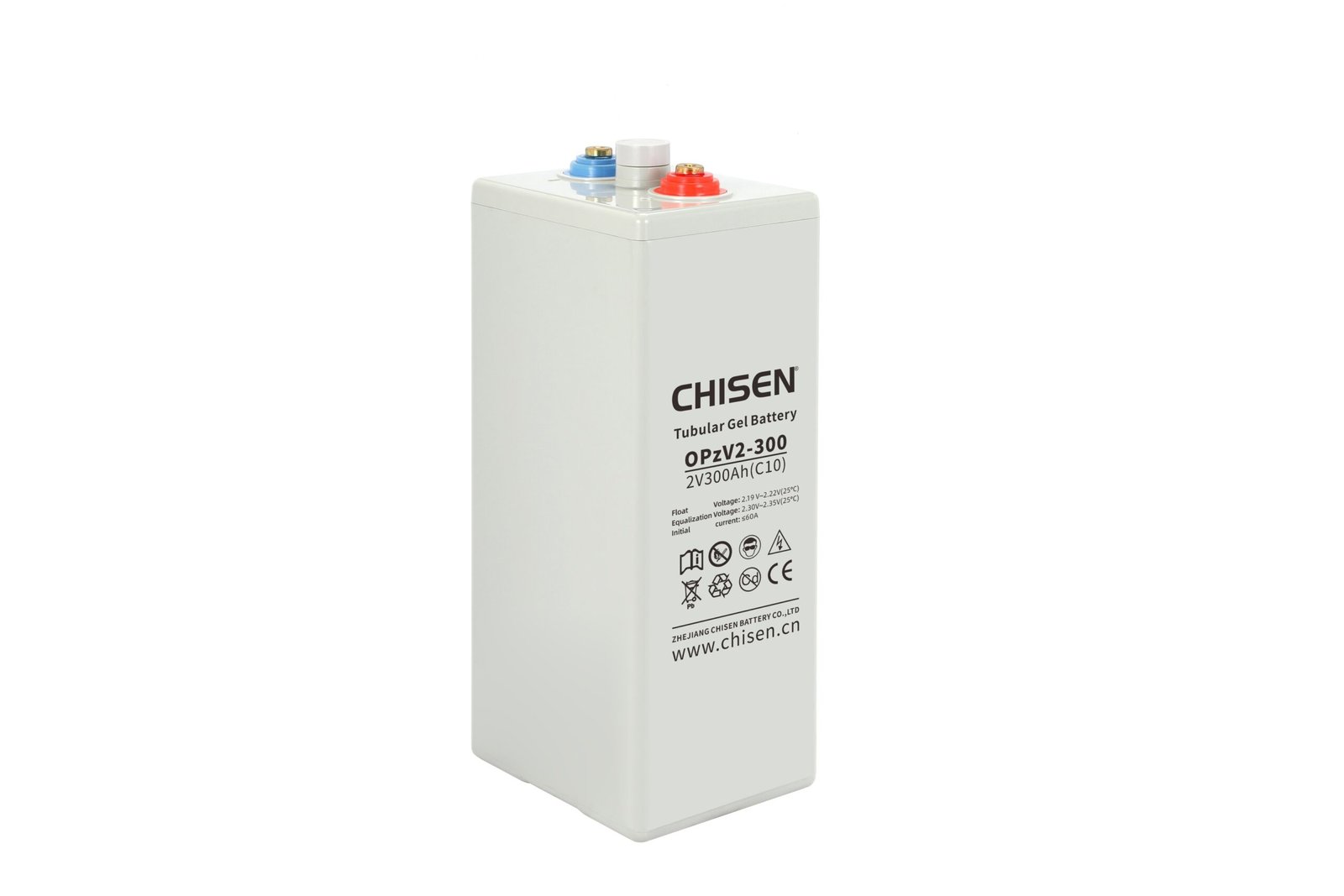
    OPzV-200 2V 200Ah OPzV Gel Long-life telecom, solar storage 14.0-16.00 kg
    OPzV-500 2V 500Ah OPzV Gel Industrial UPS, utility storage 35.0-38.00 kg
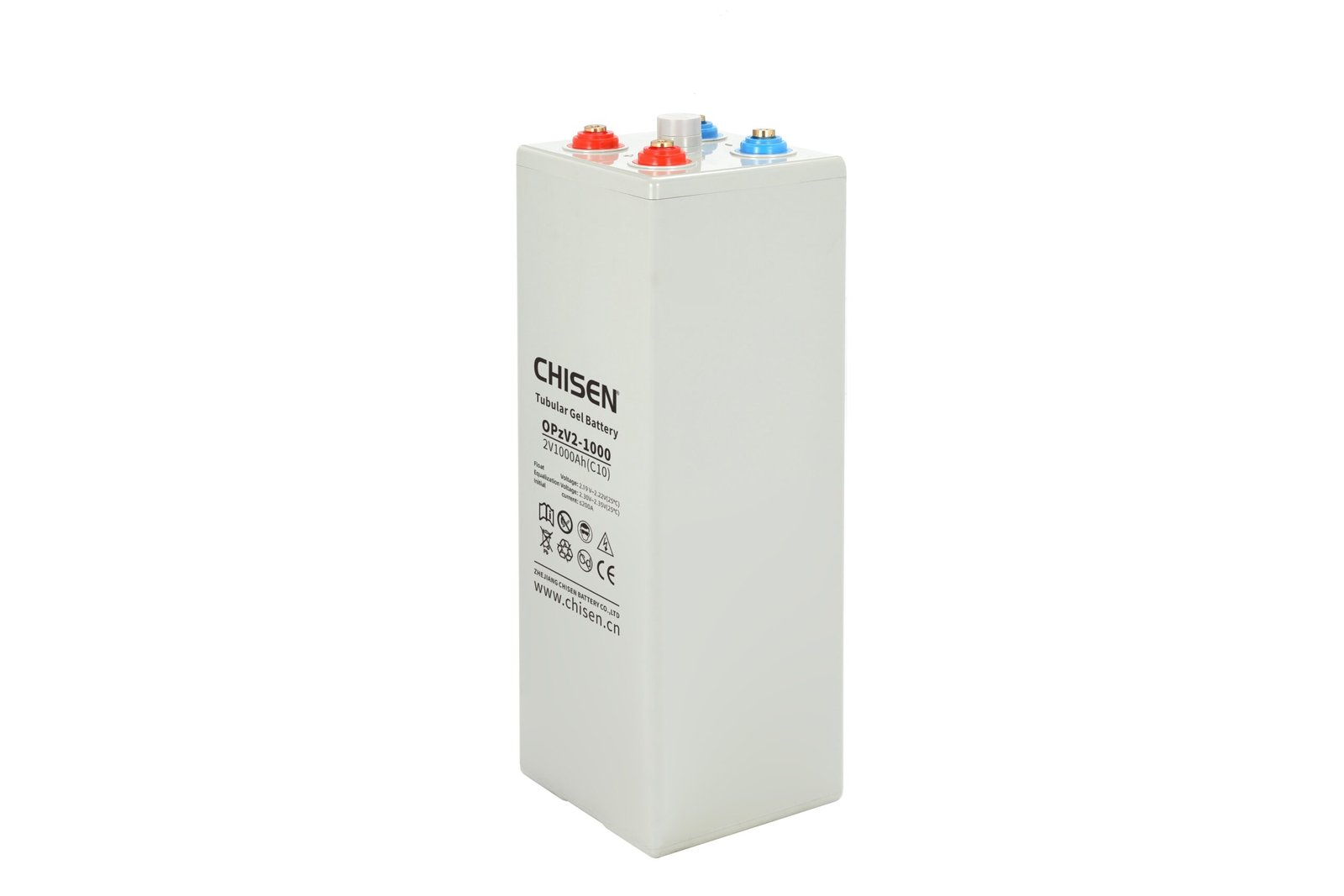
    OPzV-1000 2V 1000Ah OPzV Gel Large UPS systems, telecom exchange 68.0-73.00 kg

    How We Work with Missouri Importers — Step by Step

    Step 1 — Initial Consultation: Contact our Missouri sales team via email at sales@chisen.cn or WhatsApp at +86 131 6622 6999. We respond within 4 business hours.

    Step 2 — Product Selection and Quotation: Our technical team selects optimal CHISEN battery models for your applications. Detailed quotation within 24 hours.

    Step 3 — Sample Order: We ship 5-10 sample units by DHL or FedEx for your quality evaluation. Lead time 7-10 days.

    Step 4 — Full Container Order: Upon sample approval, we process full container orders (20GP / 40GP / 40HQ).

    Step 5 — Customs Clearance and Delivery: Our freight forwarding partner handles US customs clearance under HTS Chapter 8507 and delivery to your warehouse.

    Step 6 — After-Sales Support: CHISEN provides technical documentation, warranty support, and a dedicated US account manager. Warranty terms are 12-24 months.

    Questions Missouri Importers Ask — Straight Answers

    Q: What import duties apply to lead-acid batteries from China?
    A: Lead-acid batteries imported from China are subject to US Harmonised Tariff Schedule Chapter 8507, with MFN duty rates of 3.4-3.5% ad valorem.

    Q: What is the typical transit time from China?
    A: FCL ocean freight to US West Coast takes 12-22 days, East Coast takes 22-30 days, and Gulf Coast takes 20-28 days. Express air freight for samples takes 7-10 days.

    Q: Do CHISEN batteries carry required certifications?
    A: Yes. CHISEN batteries carry CE, ISO 9001, ISO 14001, and UN38.3 certifications.

    Q: What warranty terms are available?
    A: CHISEN offers a 12-month warranty for motive power and UPS applications, and up to 24 months for solar storage applications.

    Q: Can CHISEN supply motive power batteries for industrial operations?
    A: Yes. CHISEN OPzS flooded and AGM deep-cycle batteries are widely used in industrial and warehousing logistics operations.

    Q: Do CHISEN Gel batteries work for solar-plus-storage installations?
    A: Yes. CHISEN deep-cycle AGM and Gel batteries are designed for solar-plus-storage applications.

    Contact CHISEN

    Ready to source CHISEN batteries for your Missouri distribution business? Our international trade team speaks English and is ready to provide a detailed quotation for your volume requirements.

    Email: sales@chisen.cn
    Website: www.chisen.cn
    WhatsApp / Mobile: +86 131 6622 6999
    Wechat: chisenbattery

    CHISEN Battery — trusted by battery distributors, solar installers, and industrial buyers across the Americas.

  • CHISEN Battery Supplier Georgia 2026: Complete Product Line for Importers

    Georgia — America’s 8th-largest state by population (10.9 million residents) and the economic engine of the American Southeast — is one of the most strategically important battery markets in the Southern United States. Atlanta, America’s 8th-largest metropolitan area, anchors a state that is the dominant logistics and distribution hub for the entire Southeastern United States. Georgia’s Port of Savannah — the largest single-container-terminal operation in North America — handles over 6 million TEU annually, making it the third-busiest container port on the US East Coast and the primary gateway for Asian imports into the American Southeast. Combined with Georgia’s position as a major manufacturing hub (automobiles, aerospace, food processing), its growing technology sector, and its status as the nation’s leading poultry and agricultural state, Georgia presents a diverse and structurally resilient battery market.

    Why Georgia Matters for Lead-Acid Batteries

    Georgia’s battery market is driven by five distinct demand clusters. First, the maritime logistics sector — anchored by the Port of Savannah (Garden City Terminal, operated by the Georgia Ports Authority, handling over 6 million TEU annually) — requires motive power batteries for electric forklifts, rubber-tyred gantry cranes, automated guided vehicles, and electric yard tractors. Second, the automotive manufacturing sector — anchored by Hyundai’s $5.7 billion electric vehicle manufacturing facility in Bryan County (the largest single economic development project in Georgia history), Mercedes-Benz’s Vance plant, and the Kia Motors plant in West Point — requires industrial UPS for manufacturing and motive power batteries. Third, the aerospace manufacturing sector — anchored by Lockheed Martin’s F-35 assembly facility in Marietta and Gulfstream Aerospace’s headquarters in Savannah — requires industrial UPS protecting precision manufacturing and testing equipment. Fourth, the technology and data centre sector, growing rapidly in Atlanta’s tech corridor, requires commercial UPS for data centre applications. Fifth, the solar-plus-storage market is expanding rapidly, driven by Georgia Power’s commitment to 50% renewable electricity by 2030 and the state’s abundant solar resource.

    Georgia Power, Georgia’s primary utility (a Southern Company subsidiary), is one of the largest utilities in the United States and has been aggressively investing in renewable energy. Georgia’s status as the Sunshine State makes solar-plus-storage economically compelling. The Savannah Harbor Expansion Project, adding 40 feet of depth to the port, will enable direct access for larger post-Panamax vessels from Asia, further accelerating import growth.

    Key Georgia Cities and Logistics Hubs

    Atlanta (Fulton / DeKalb / Clayton Counties) — America’s 8th-largest metropolitan area and the economic capital of the American Southeast. Atlanta’s Hartsfield-Jackson Atlanta International Airport is the world’s busiest airport by passenger traffic (over 110 million passengers annually) and a major cargo hub. The city’s concentration of corporate headquarters (Coca-Cola, Delta Air Lines, Home Depot, UPS, NCR) creates massive commercial UPS demand. Atlanta’s technology corridor hosts hundreds of technology companies requiring data centre UPS. The city’s position as the primary logistics hub for the Southeast, with Class I railroad terminals and major trucking operations, creates motive power battery demand in the logistics sector.

    Savannah (Chatham County) — Home to the Port of Savannah, Garden City Terminal, the largest single-container-terminal operation in North America, handling over 6 million TEU annually. The Savannah Harbor Expansion Project will enable the port to accommodate larger post-Panamax vessels directly from Asia. Savannah’s concentration of logistics operations creates massive demand for motive power batteries for electric forklifts, RTG cranes, and AGVs operating in the port environment.

    Bryan County (Hyundai EV Plant) — The site of Hyundai Motor Group’s $5.7 billion electric vehicle manufacturing facility, the largest single economic development project in Georgia history. The Hyundai plant, producing 300,000 electric vehicles annually, requires massive industrial UPS protecting automated assembly line equipment and motive power batteries for electric vehicle manufacturing operations.

    Marietta (Cobb County) — Home to Lockheed Martin’s F-35 assembly facility (producing F-35 fighter jets for the US military and allied nations) and the Cobb County International Airport. Lockheed Martin’s Marietta facility requires industrial UPS protecting precision aerospace manufacturing and testing equipment.

    West Point (Troup County) — Home to the Kia Motors manufacturing plant (producing Kia Telluride, Sorento, and Sportage SUVs for the North American market). The Kia plant requires industrial UPS for manufacturing operations and motive power batteries for electric vehicle component manufacturing.

    How CHISEN Works with Georgia Importers

    Step 1 — Application Analysis and Product Matching: CHISEN’s Georgia account team reviews your application requirements — port motive power, automotive manufacturing, aerospace UPS, or solar-plus-storage — and recommends the optimal battery chemistry and configuration. For Port of Savannah motive power applications, CHISEN recommends the OPzS flooded tubular-plate series for its superior deep-cycling performance. For Hyundai automotive manufacturing UPS, CHISEN recommends the GFM series with extended float life and high recharge acceptance.

    Step 2 — Documentation and Compliance Package: Lead-acid batteries imported from China into Georgia are subject to US Harmonised Tariff Schedule Chapter 85, with USITC duty rates of 3.4–3.5% ad valorem. CHISEN provides full documentation packages including Certificate of Origin, CE and ISO 9001 certifications, UN38.3 transport safety documentation, and MSDS sheets. For Georgia’s hazardous waste regulations under the Georgia Environmental Protection Division (EPD), CHISEN provides documentation on battery composition and recycling programme participation.

    Step 3 — Port Routing and Inland Transit: Georgia importers have two primary import corridors: (a) FCL ocean freight from Chinese ports to the Port of Savannah (Garden City Terminal), with direct drayage to Georgia warehouses — the most direct and cost-effective option; (b) FCL ocean freight to the Port of Charleston or Port of Jacksonville, with intermodal rail to Georgia — a viable alternative when Savannah port congestion is high. Transit from Shanghai to the Port of Savannah averages 30–38 days via the Panama Canal. CHISEN coordinates with the Georgia Ports Authority for streamlined customs clearance.

    Step 4 — Georgia Power Renewable Energy Programme Support: Georgia Power’s commitment to 50% renewable electricity by 2030 is driving aggressive investment in solar-plus-storage projects across Georgia. CHISEN’s technical team provides battery sizing documentation, cycle life projections, and technical support for Georgia Power interconnection applications. For Georgia’s growing utility-scale solar-plus-storage market, CHISEN supplies OPzV sealed tubular-gel batteries.

    Step 5 — After-Sales and Warranty Support: CHISEN provides a 3-year pro-rata warranty on GFM UPS and 6-CNF/CNFJ series batteries, and up to 5 years on OPzV tubular-gel batteries. Georgia distributors receive dedicated account management and installation support.

    Questions Georgia Importers Ask

    Q: What port should I use for inland delivery to Georgia?
    The Port of Savannah (Garden City Terminal) is the most direct and cost-effective option for Georgia importers, offering the shortest transit from China and the lowest inland drayage costs. When Savannah port congestion is high, the Port of Charleston (South Carolina) or Port of Jacksonville (Florida) are viable alternatives with intermodal rail service to Georgia. For urgent orders under 500 kg, Hartsfield-Jackson Atlanta International Airport’s cargo terminal offers limited air freight options.

    Q: Does Georgia require specific battery disposal documentation for commercial importers?
    Georgia’s Environmental Protection Division (EPD) regulates lead-acid battery disposal under the Georgia Solid Waste Management Act. Commercial importers must maintain documentation demonstrating that batteries are sent to authorised recyclers. Georgia has multiple EPD-authorised battery recycling facilities in the Savannah and Atlanta areas. CHISEN provides pre-completed recycling programme documentation templates to Georgia distributors.

    Q: What is the typical transit time from Shanghai to the Port of Savannah?
    Ocean freight from Shanghai to the Port of Savannah averages 30–38 days via the Panama Canal route. For urgent shipments, express service via the Suez Canal route can reduce transit to 22–26 days but carries a premium. Full container loads can be delivered directly to Georgia warehouses with 1–2 day drayage from the Garden City Terminal.

    Q: Can CHISEN supply batteries meeting automotive manufacturing UPS specifications for the Hyundai and Kia plants in Georgia?
    Yes. Automotive manufacturing plants require UPS systems protecting automated assembly line equipment, robotics, and quality control systems where power interruptions can halt production and damage components. CHISEN’s GFM series UPS batteries are rated for these environments with float life of 10–12 years at 25 degrees C, recharge acceptance of 0.2C10, and configurations matching major automotive UPS manufacturer specifications. CHISEN’s technical team provides load calculations and runtime charts for specific automotive manufacturing UPS configurations.

    Q: How does Georgia Power’s renewable energy commitment affect battery selection for solar-plus-storage?
    Georgia Power’s commitment to 50% renewable electricity by 2030 is creating strong incentives for solar-plus-storage across Georgia. For Georgia Power solar-plus-storage projects, CHISEN recommends the 6-CNFJ Gel series for its superior cycle life under Georgia’s climate conditions. For utility-scale storage, the OPzV sealed tubular-gel series provides the longest cycle life for daily cycling applications. CHISEN provides battery sizing documentation for Georgia Power interconnection applications.

    Q: How do Georgia’s hot and humid summers affect battery selection for solar-plus-storage installations?
    Georgia’s humid subtropical climate, with summer temperatures regularly exceeding 95 degrees F and high humidity, accelerates grid corrosion and water loss in lead-acid batteries. CHISEN derates cycle life projections for Georgia solar installations: the 6-CNFJ Gel series, rated at 1,200 cycles at 50% depth of discharge under IEC 60896-21 test conditions (25 degrees C), typically achieves 900–1,050 cycles in Georgia’s ambient temperatures. CHISEN recommends the 6-CNFJ Gel for solar-plus-storage in Georgia and specifies installation in ventilated, shaded enclosures to maximise service life.

    CHISEN Product Range for Georgia Applications

    Model Voltage Capacity Chemistry Application in Georgia
    6-CNFJ-100 12V 100Ah Gel VRLA Residential solar-plus-storage, Georgia humidity resilience
    6-CNFJ-150 12V 150Ah Gel VRLA Commercial rooftop solar, Atlanta tech corridor buildings
    6-CNFJ-200 12V 200Ah Gel VRLA Industrial solar-plus-storage, Georgia Power solar farm storage
    6-CNFJ-250 12V 250Ah Gel VRLA Large commercial solar, Savannah logistics zone solar
    6-CNF-65 12V 65Ah AGM VRLA Small commercial UPS, Atlanta office buildings
    6-CNF-100 12V 100Ah AGM VRLA UPS backup, Atlanta corporate headquarters data centres
    6-CNF-150 12V 150Ah AGM VRLA Hospital UPS, Emory Healthcare and Piedmont Healthcare facilities
    6-CNF-200 12V 200Ah AGM VRLA Data centre UPS, Atlanta-area colocation and carrier hotels
    6-CNF-250 12V 250Ah AGM VRLA Large commercial UPS, Atlanta downtown high-rises
    GFM-100 12V 100Ah AGM VRLA Telecom backup, Georgia urban cell network towers
    GFM-150 12V 150Ah AGM VRLA Hartsfield-Jackson Airport UPS, Atlanta air cargo facilities
    GFM-200 12V 200Ah AGM VRLA Hospital-grade UPS, Emory University Hospital critical care
    GFM-250 12V 250Ah AGM VRLA Automotive manufacturing UPS, Hyundai Bryan County EV plant
    OPzV-200 2V 200Ah Sealed Tubular Gel Long-life telecom, Georgia rural cell tower installations
    OPzV-500 2V 500Ah Sealed Tubular Gel Industrial UPS, Kia Motors West Point manufacturing facility
    OPzV-1000 2V 1000Ah Sealed Tubular Gel Port logistics UPS, Port of Savannah Garden City Terminal
    OPzV-1500 2V 1500Ah Sealed Tubular Gel Large industrial facilities, Hyundai Bryan County EV plant UPS
    OPzV-2000 2V 2000Ah Sealed Tubular Gel Georgia Power grid storage, Savannah utility-scale solar projects
    OPzV-3000 2V 3000Ah Sealed Tubular Gel Utility-scale backup power, Georgia coastal resilience projects
    OPzS-200 2V 200Ah Flooded Tubular Motive power, electric forklift fleet in Savannah port terminals
    OPzS-500 2V 500Ah Flooded Tubular Heavy motive power, Port of Savannah RTG and AGV operations
    OPzS-1000 2V 1000Ah Flooded Tubular Heavy industrial motive power, Hyundai Bryan County material handling
    EVF-12V series 12V Various EV Traction Electric utility vehicles, Georgia fleet electrification
    DZF-12V series 12V Various Deep Cycle Golf carts, Georgia resort and golf community vehicles
    GFM-4.5Ah 12V 4.5Ah AGM VRLA Small UPS, fire alarm systems, Atlanta commercial security
    GFM-7Ah 12V 7Ah AGM VRLA Emergency lighting, Georgia hospital fire life safety systems

    CHISEN batteries are certified CE, ISO 9001, ISO 14001, IEC 62133, and UN38.3. All products carry a 1–5 year pro-rata warranty depending on series and application. Contact CHISEN today for Georgia market pricing, shipping quotes, and technical sizing support.

    Email: sales@chisen.cn | WhatsApp: +86 131 6622 6999 | Website: www.chisen.cn

  • CHISEN Battery Supplier Indiana 2026: Complete Product Line for Importers

    Indiana — America’s 17th-largest state by population (6.8 million residents) and the manufacturing heartland of the United States — is one of the most industrially intensive battery markets in the American Midwest. The state is the second-largest automotive manufacturing state in the United States (after Michigan), anchored by the Toyota Motor Manufacturing Indiana plant in Princeton (producing the Toyota Sienna, Highlander, and Sequoia), the Subaru of Indiana Automotive plant in Lafayette, and over 500 automotive parts suppliers across the state. Indiana’s central geographic position, with interstate highways I-65, I-70, I-69, and I-80 intersecting in Indianapolis, makes it the dominant logistics hub for the eastern half of the United States. The state’s combination of automotive manufacturing, logistics infrastructure, steel production, and agriculture creates a large and structurally resilient battery market.

    Why Indiana Matters for Lead-Acid Batteries

    Indiana’s battery market is driven by four distinct demand clusters. First, the automotive manufacturing sector — Indiana is the #2 automotive manufacturing state in America, anchored by Toyota Motor Manufacturing Indiana in Princeton, Subaru of Indiana Automotive in Lafayette, and over 500 automotive parts suppliers across the state — requires industrial UPS protecting automated assembly line equipment and motive power batteries for electric vehicle component manufacturing. Second, the logistics and distribution sector — anchored by Indiana’s central geographic position and the I-65/I-70 corridor that connects Chicago to Louisville and Nashville — requires motive power batteries for electric forklifts and automated guided vehicles in distribution centres. Amazon, Walmart, and FedEx all operate major fulfilment and distribution centres in Indiana. Third, the pharmaceutical and medical device manufacturing sector, anchored by Eli Lilly and Company’s Indianapolis headquarters (one of the world’s largest pharmaceutical companies), requires pharmaceutical-grade UPS for cleanroom environments and laboratory equipment. Fourth, the steel and heavy manufacturing sector, anchored by the steel mills of Northwest Indiana (Gary, East Chicago, Burns Harbor), requires industrial UPS for steel processing operations.

    Northern Indiana’s utilities — NIPSCO (Northern Indiana Public Service Company) in the north and Duke Energy Indiana in the south — are investing in renewable energy, with over 1,000 MW of solar capacity installed or under development. Indiana’s flat terrain and excellent solar resource (over 200 sunny days annually) makes solar-plus-storage economically compelling. Indiana’s position at the centre of the MISO (Midcontinent Independent System Operator) regional grid creates a stable regulatory environment for battery investment.

    Key Indiana Cities and Logistics Hubs

    Indianapolis (Marion County) — America’s 17th-largest metropolitan area and Indiana’s capital and economic centre. Indianapolis is the home of Eli Lilly and Company’s global headquarters (one of the world’s largest pharmaceutical companies, with over $30 billion in annual revenue), the Indianapolis Motor Speedway (the largest sports venue in the world, hosting the Indianapolis 500 and NFL games at Lucas Oil Stadium), and a major logistics hub at the intersection of I-65, I-70, and I-69. Eli Lilly’s Indianapolis campus requires pharmaceutical-grade UPS for its R&D laboratories, manufacturing facilities, and data centres. The Indianapolis Motor Speedway and Lucas Oil Stadium require extensive emergency lighting and HVAC backup power systems.

    Princeton / Fort Branch (Gibson County) — The centre of Indiana’s automotive manufacturing corridor. Toyota Motor Manufacturing Indiana (TMIT) in Princeton produces the Toyota Sienna, Highlander, and Sequoia minivans and SUVs, employing over 7,000 workers. The plant is one of Toyota’s most productive North American facilities. Adjacent Gibson County hosts the Indiana University School of Medicine’s largest regional campus and major agricultural processing operations.

    Lafayette / West Lafayette (Tippecanoe County) — Home to Purdue University (enrolment 51,000+, Indiana’s flagship public research university by research expenditure, exceeding $1.6 billion annually) and Subaru of Indiana Automotive in Lafayette (producing the Subaru Camry, Legacy, and Outback for the North American market). Purdue University’s research operations, including its engineering and aerospace research programmes, require high-availability UPS for laboratory environments and data centres. The Purdue Research Foundation manages one of the largest technology park networks in the United States.

    Gary / East Chicago / Burns Harbor (Lake County) — The industrial heartland of Northwest Indiana, home to the largest concentration of steel production capacity in the United States. ArcelorMittal’s Burns Harbor plant, Cleveland-Cliffs’ Indiana Harbour Works, and US Steel’s Gary Works represent the backbone of American steel manufacturing. These steel mill operations require massive industrial UPS for process control systems and motive power batteries for electric overhead cranes and material handling equipment. Lake County’s position on Lake Michigan also creates logistics demand through the Port of Indiana-Burns Harbor.

    Columbus (Bartholomew County) — Home to the Cummins Inc. global headquarters, the world’s largest manufacturer of diesel and natural gas engines. Cummins’ Columbus campus employs over 10,000 workers and requires industrial UPS protecting precision engine testing equipment and manufacturing operations. Columbus is also home to the architectural landmark designed by I.M. Pei and is one of America’s most architecturally significant small cities.

    How CHISEN Works with Indiana Importers

    Step 1 — Application Analysis and Product Matching: CHISEN’s Indiana account team reviews your application requirements — automotive manufacturing UPS, pharmaceutical cleanroom UPS, steel mill operations, or solar-plus-storage — and recommends the optimal battery chemistry and configuration. For Toyota and Subaru automotive manufacturing UPS, CHISEN recommends the GFM series with extended float life and high recharge acceptance. For Eli Lilly pharmaceutical cleanroom UPS, CHISEN recommends the GFM series with very low self-discharge and pharmaceutical-grade certifications. For steel mill motive power applications, CHISEN recommends the OPzS flooded tubular-plate series for its superior deep-cycling performance under heavy industrial duty cycles.

    Step 2 — Documentation and Compliance Package: Lead-acid batteries imported from China into Indiana are subject to US Harmonised Tariff Schedule Chapter 85, with USITC duty rates of 3.4–3.5% ad valorem. CHISEN provides full documentation packages including Certificate of Origin, CE and ISO 9001 certifications, UN38.3 transport safety documentation, and MSDS sheets. For Indiana’s hazardous waste regulations under the Indiana Department of Environmental Management (IDEM), CHISEN provides documentation on battery composition and recycling programme participation.

    Step 3 — Port Routing and Inland Transit: Indiana importers have two primary import corridors: (a) FCL ocean freight from Chinese ports to the Port of Los Angeles or Long Beach, with Union Pacific Railroad intermodal rail to Indianapolis — the most common and cost-effective option; (b) FCL ocean freight to the Port of Baltimore or Port of New York/New Jersey, with Norfolk Southern intermodal rail to Indianapolis — a viable alternative when LA/Long Beach congestion is high. Transit from Shanghai to the Port of Los Angeles averages 14–18 days; intermodal rail to Indianapolis adds 10–14 days. CHISEN coordinates with Indiana-based logistics partners for seamless rail-to-warehouse delivery.

    Step 4 — NIPSCO and Duke Energy Indiana Clean Energy Programme Support: NIPSCO’s and Duke Energy Indiana’s renewable energy investment programmes are driving investment in solar-plus-storage across Indiana. CHISEN’s technical team provides battery sizing documentation, cycle life projections, and technical support for NIPSCO and Duke Energy Indiana interconnection applications. For Indiana’s growing utility-scale solar-plus-storage market, CHISEN supplies OPzV sealed tubular-gel batteries.

    Step 5 — After-Sales and Warranty Support: CHISEN provides a 3-year pro-rata warranty on GFM UPS and 6-CNF/CNFJ series batteries, and up to 5 years on OPzV tubular-gel batteries. Indiana distributors receive dedicated account management and installation support.

    Questions Indiana Importers Ask

    Q: What port should I use for inland delivery to Indiana?
    The most cost-effective routing for Indiana is ocean freight to the Port of Los Angeles or Long Beach, followed by Union Pacific Railroad intermodal rail to Indianapolis’s intermodal facility. Union Pacific provides direct intermodal rail service from LA/Long Beach to Indianapolis in approximately 10–14 days. When LA/Long Beach congestion is high, the Port of Baltimore or Port of New York/New Jersey are viable alternatives with Norfolk Southern intermodal rail service to Indianapolis. For urgent orders under 500 kg, Indianapolis International Airport’s cargo terminal offers limited air freight options via connecting flights from Chicago and Dallas.

    Q: Does Indiana require specific battery disposal documentation for commercial importers?
    Indiana’s Department of Environmental Management (IDEM) regulates lead-acid battery disposal under the Indiana Environmental Laws. Commercial importers must maintain documentation demonstrating that batteries are sent to authorised recyclers. Indiana has multiple IDEM-authorised battery recycling facilities in the Indianapolis and Gary areas. CHISEN provides pre-completed recycling programme documentation templates to Indiana distributors.

    Q: What is the typical transit time from Shanghai to Indianapolis?
    Ocean freight from Shanghai to the Port of Los Angeles averages 14–18 days via direct Pacific crossing. Intermodal rail from the Port of Los Angeles to Indianapolis adds 10–14 days via Union Pacific, for a total door-to-door transit of approximately 28–35 days for full container loads. CHISEN offers LCL consolidation service via the Port of Los Angeles, which can reduce costs for orders under 20 cubic metres but adds 5–7 days for port consolidation.

    Q: Can CHISEN supply batteries meeting automotive manufacturing UPS specifications for Toyota and Subaru plants in Indiana?
    Yes. Automotive manufacturing plants require UPS systems protecting automated assembly line equipment, robotics, and quality control systems where power interruptions can halt production and damage components worth tens of thousands of dollars. CHISEN’s GFM series UPS batteries are rated for these environments with float life of 10–12 years at 25 degrees C, recharge acceptance of 0.2C10, and configurations matching major automotive UPS manufacturer specifications. CHISEN’s technical team provides load calculations and runtime charts for specific automotive manufacturing UPS configurations.

    Q: Can CHISEN supply batteries meeting pharmaceutical cleanroom UPS specifications for Eli Lilly in Indianapolis?
    Yes. Eli Lilly’s Indianapolis pharmaceutical manufacturing and R&D facilities require UPS systems meeting strict pharmaceutical manufacturing standards including FDA 21 CFR Part 11 compliance for electronic records, ISO 14644 cleanroom standards, and GxP requirements. CHISEN’s GFM series UPS batteries are rated for these environments with very low self-discharge (less than 3% per month at 25 degrees C), float life of 10–12 years at 25 degrees C, and recharge acceptance meeting the requirements of major pharmaceutical UPS manufacturers including Eaton and Vertiv.

    Q: How does Indiana’s solar resource affect the economics of solar-plus-storage?
    Indiana receives over 200 sunny days annually with solar irradiance of 4.0–4.5 kWh/m2/day, making solar-plus-storage economically compelling. NIPSCO’s and Duke Energy Indiana’s renewable energy programmes are driving investment in utility-scale solar-plus-storage projects across Indiana. For Indiana solar-plus-storage projects, CHISEN recommends the 6-CNFJ Gel series for its superior cycle life under Indiana’s seasonal temperature variation. For utility-scale storage, the OPzV sealed tubular-gel series provides the longest cycle life for daily cycling applications.

    CHISEN Product Range for Indiana Applications

    Model Voltage Capacity Chemistry Application in Indiana
    6-CNFJ-100 12V 100Ah Gel VRLA Residential solar-plus-storage, Indiana seasonal climate resilience
    6-CNFJ-150 12V 150Ah Gel VRLA Commercial rooftop solar, Indianapolis office buildings
    6-CNFJ-200 12V 200Ah Gel VRLA Industrial solar-plus-storage, Indiana logistics zone solar
    6-CNFJ-250 12V 250Ah Gel VRLA Large commercial solar, Northwest Indiana steel corridor solar
    6-CNF-65 12V 65Ah AGM VRLA Small commercial UPS, Indianapolis downtown office buildings
    6-CNF-100 12V 100Ah AGM VRLA UPS backup, Eli Lilly Indianapolis campus data centres
    6-CNF-150 12V 150Ah AGM VRLA Hospital UPS, IU Health and Eskenazi Health facilities
    6-CNF-200 12V 200Ah AGM VRLA Data centre UPS, Indianapolis-area pharmaceutical research facilities
    6-CNF-250 12V 250Ah AGM VRLA Large commercial UPS, Indianapolis downtown high-rises
    GFM-100 12V 100Ah AGM VRLA Telecom backup, Indiana urban cell network towers
    GFM-150 12V 150Ah AGM VRLA Purdue campus UPS, West Lafayette university facilities
    GFM-200 12V 200Ah AGM VRLA Hospital-grade UPS, Indiana University Health critical care
    GFM-250 12V 250Ah AGM VRLA Automotive manufacturing UPS, Toyota and Subaru Indiana plants
    OPzV-200 2V 200Ah Sealed Tubular Gel Long-life telecom, Indiana rural cell tower installations
    OPzV-500 2V 500Ah Sealed Tubular Gel Industrial UPS, Cummins Columbus headquarters backup
    OPzV-1000 2V 1000Ah Sealed Tubular Gel Steel mill UPS, ArcelorMittal Burns Harbor process control
    OPzV-1500 2V 1500Ah Sealed Tubular Gel Large industrial facilities, Indiana automotive parts manufacturing UPS
    OPzV-2000 2V 2000Ah Sealed Tubular Gel NIPSCO grid storage, Indiana utility-scale solar projects
    OPzV-3000 2V 3000Ah Sealed Tubular Gel Utility-scale backup power, Indiana industrial grid resilience
    OPzS-200 2V 200Ah Flooded Tubular Motive power, electric forklift fleet in Indiana logistics warehouses
    OPzS-500 2V 500Ah Flooded Tubular Heavy motive power, Northwest Indiana steel mill overhead cranes
    OPzS-1000 2V 1000Ah Flooded Tubular Heavy industrial motive power, Toyota Princeton material handling
    EVF-12V series 12V Various EV Traction Electric utility vehicles, Indiana fleet electrification
    DZF-12V series 12V Various Deep Cycle Golf carts, Indianapolis Motor Speedway support vehicles
    GFM-4.5Ah 12V 4.5Ah AGM VRLA Small UPS, fire alarm systems, Indianapolis commercial security
    GFM-7Ah 12V 7Ah AGM VRLA Emergency lighting, Indiana hospital fire life safety systems

    CHISEN batteries are certified CE, ISO 9001, ISO 14001, IEC 62133, and UN38.3. All products carry a 1–5 year pro-rata warranty depending on series and application. Contact CHISEN today for Indiana market pricing, shipping quotes, and technical sizing support.

    Email: sales@chisen.cn | WhatsApp: +86 131 6622 6999 | Website: www.chisen.cn

  • CHISEN Battery Supplier Delaware 2026: Complete Product Line for Importers

    Delaware — America’s 2nd-smallest state by area but one of its most economically significant, due entirely to its role as the corporate law capital of the United States — is a uniquely concentrated battery market. Over 70% of all US publicly traded companies and over 1 million corporations are incorporated in Delaware, making it the legal home of the vast majority of American corporate governance. This extraordinary concentration of corporate legal infrastructure is anchored by the city of Wilmington, which hosts the headquarters or registered offices of the majority of Fortune 500 companies. Delaware’s battery market, while modest in absolute terms, is concentrated among very high-value corporate and financial services clients who demand the highest specification UPS systems and are relatively price-insensitive. The state’s DuPont chemical heritage has also created a legacy of advanced manufacturing that continues to drive industrial battery demand.

    Why Delaware Matters for Lead-Acid Batteries

    Delaware’s battery market is driven by three distinct demand clusters. First, the financial services and corporate services sector — anchored by Wilmington’s concentration of corporate law firms, registered agents, and financial services companies — requires high-availability UPS for corporate data centre operations, trading floor applications, and office buildings. The majority of US corporate mergers and acquisitions are handled by law firms based in Wilmington, and these firms require zero-failure UPS for their document management systems and client data servers. Second, the healthcare sector, anchored by ChristianaCare (Delaware’s largest health system, operating three hospitals) and the Nemours Children’s Hospital, requires hospital-grade UPS across every clinical facility. Third, the advanced manufacturing sector, anchored by Delaware’s legacy DuPont chemical operations (now Chemours) and the Port of Wilmington’s maritime logistics facilities, requires motive power batteries and industrial UPS.

    Delaware’s energy landscape is served by Delmarva Power (an Exelon subsidiary), which serves Delaware and parts of Maryland. Delmarva Power’s grid investment programme and Delaware’s participation in the PJM Interconnection regional grid create a stable regulatory environment for battery investment. Delaware’s small size and proximity to major East Coast ports (Baltimore, Philadelphia, New York/New Jersey) makes import logistics straightforward. The state’s lack of major port infrastructure means most importers use Baltimore or Philadelphia as their port of entry.

    Key Delaware Cities and Logistics Hubs

    Wilmington (New Castle County) — Delaware’s largest city and the corporate law capital of the United States. Over 1 million corporations are incorporated in Delaware, and the majority of Fortune 500 companies have registered offices or engage Delaware corporate law firms headquartered in Wilmington. The city’s concentration of corporate law firms, registered agents, and financial services companies creates the highest concentration of data centre UPS demand in the state. Wilmington’s position on the I-95 corridor and its access to the Port of Wilmington (a deep-water port on the Delaware River) makes it a key logistics node for Mid-Atlantic distribution.

    Newark (New Castle County) — Home to the University of Delaware (enrolment 24,000+, Delaware’s flagship public research university), which conducts over $250 million in annual research. The university’s research laboratories, data centres, and agricultural extension facilities require reliable UPS. Newark’s position on the I-95 corridor and its proximity to the Maryland border also makes it a key logistics node for northern Delaware distribution.

    Dover (Kent County) — Delaware’s capital city and the seat of state government. Dover hosts the Delaware State Capitol complex and the Dover Air Force Base (home to the US Air Force’s 436th Airlift Wing). Dover Air Force Base is one of the largest Air Force bases on the East Coast and requires military-specification UPS for command-and-control infrastructure. The city’s state government buildings require commercial UPS for emergency power applications.

    Christiana / Middletown (New Castle County) — The fastest-growing communities in Delaware, driven by residential migration from New Jersey and Pennsylvania. Christiana’s ChristianaCare hospital complex (over 1,000 beds) is the largest hospital in Delaware and requires hospital-grade UPS across every clinical facility. Middletown’s rapid growth is creating new commercial and industrial development requiring commercial UPS and motive power batteries.

    How CHISEN Works with Delaware Importers

    Step 1 — Application Analysis and Product Matching: CHISEN’s Delaware account team reviews your application requirements — corporate data centre UPS, healthcare UPS, or manufacturing — and recommends the optimal battery chemistry and configuration. For Wilmington’s corporate data centre UPS environments, CHISEN recommends the GFM series with extended float life (10–12 years at 25 degrees C) and very low self-discharge for standby power applications. For ChristianaCare hospital UPS, CHISEN recommends the GFM series with hospital-grade certifications.

    Step 2 — Documentation and Compliance Package: Lead-acid batteries imported from China into Delaware are subject to US Harmonised Tariff Schedule Chapter 85, with USITC duty rates of 3.4–3.5% ad valorem. CHISEN provides full documentation packages including Certificate of Origin, CE and ISO 9001 certifications, UN38.3 transport safety documentation, and MSDS sheets. For Delaware’s regulations under the Delaware Department of Natural Resources and Environmental Control (DNREC), CHISEN provides documentation on battery composition and recycling programme participation.

    Step 3 — Port Routing and Inland Transit: Delaware importers have two primary import corridors: (a) FCL ocean freight from Chinese ports to the Port of Baltimore or Port of Philadelphia, with direct drayage or short-haul rail to Delaware — the most common and cost-effective option; (b) Ocean freight to the Port of New York/New Jersey, with drayage to Delaware. Transit from Shanghai to Baltimore averages 30–38 days via the Panama Canal. CHISEN coordinates with Delaware-based logistics partners for seamless delivery.

    Step 4 — After-Sales and Warranty Support: CHISEN provides a 3-year pro-rata warranty on GFM UPS and 6-CNF/CNFJ series batteries, and up to 5 years on OPzV tubular-gel batteries. Delaware distributors receive dedicated account management and installation support.

    Questions Delaware Importers Ask

    Q: What port should I use for inland delivery to Delaware?
    The Port of Baltimore is the most direct option for Delaware importers, offering the shortest transit from China and the lowest inland drayage costs. The Port of Philadelphia is a viable alternative with direct I-95 corridor access to Wilmington. For urgent orders under 500 kg, Baltimore/Washington International Airport or Philadelphia International Airport offer air freight options.

    Q: Does Delaware require specific battery disposal documentation for commercial importers?
    Delaware’s Department of Natural Resources and Environmental Control (DNREC) regulates lead-acid battery disposal. Commercial importers must maintain documentation demonstrating that batteries are sent to authorised recyclers. CHISEN provides pre-completed recycling programme documentation templates to Delaware distributors.

    Q: What is the typical transit time from Shanghai to Baltimore for Delaware deliveries?
    Ocean freight from Shanghai to the Port of Baltimore averages 30–38 days via the Panama Canal route. Full container loads can be delivered directly to Delaware warehouses within 1–2 days of port clearance via the I-95 corridor.

    Q: Can CHISEN supply batteries for Wilmington’s corporate data centre UPS applications?
    Yes. Wilmington’s corporate data centres and law firm server rooms require UPS systems with very low self-discharge, extended float life, and precise voltage regulation. CHISEN’s GFM series UPS batteries are rated for these environments with float life of 10–12 years at 25 degrees C, self-discharge rate of less than 3% per month, and recharge acceptance meeting the requirements of major UPS manufacturers including APC and Eaton.

    Q: How does Delmarva Power’s grid programme affect battery selection for solar-plus-storage in Delaware?
    Delmarva Power’s grid investment programme and Delaware’s participation in the PJM Interconnection create a stable environment for solar-plus-storage investment. For Delmarva Power solar-plus-storage projects in Delaware, CHISEN recommends the 6-CNFJ Gel series for its superior cycle life under Delaware’s seasonal climate. For utility-scale storage, the OPzV sealed tubular-gel series provides the longest cycle life for daily cycling applications.

    Q: Can CHISEN supply batteries meeting military specifications for Dover Air Force Base?
    Yes. Dover Air Force Base requires UPS systems meeting military specifications for critical airlift command-and-control infrastructure. CHISEN’s GFM series UPS batteries are rated for these environments with configurations meeting MIL-STD-704 requirements. CHISEN’s technical team provides load calculations and runtime charts for specific military UPS configurations.

    CHISEN Product Range for Delaware Applications

    Model Voltage Capacity Chemistry Application in Delaware
    6-CNFJ-100 12V 100Ah Gel VRLA Residential solar-plus-storage, Delaware seasonal climate
    6-CNFJ-150 12V 150Ah Gel VRLA Commercial rooftop solar, Wilmington corporate campus solar
    6-CNFJ-200 12V 200Ah Gel VRLA Industrial solar-plus-storage, Delaware industrial corridor
    6-CNF-65 12V 65Ah AGM VRLA Small commercial UPS, Wilmington office buildings
    6-CNF-100 12V 100Ah AGM VRLA UPS backup, Wilmington corporate law firm data centres
    6-CNF-150 12V 150Ah AGM VRLA Hospital UPS, ChristianaCare hospital facilities
    6-CNF-200 12V 200Ah AGM VRLA Data centre UPS, Wilmington financial services facilities
    6-CNF-250 12V 250Ah AGM VRLA Large commercial UPS, Wilmington downtown high-rises
    GFM-100 12V 100Ah AGM VRLA Telecom backup, Delaware urban cell network towers
    GFM-150 12V 150Ah AGM VRLA University campus UPS, University of Delaware facilities
    GFM-200 12V 200Ah AGM VRLA Hospital-grade UPS, ChristianaCare critical care backup
    GFM-250 12V 250Ah AGM VRLA Military UPS, Dover Air Force Base command infrastructure
    OPzV-200 2V 200Ah Sealed Tubular Gel Long-life telecom, Delaware rural cell tower installations
    OPzV-500 2V 500Ah Sealed Tubular Gel Industrial UPS, Delaware manufacturing facilities
    OPzV-1000 2V 1000Ah Sealed Tubular Gel Port logistics UPS, Port of Wilmington operations
    OPzV-1500 2V 1500Ah Sealed Tubular Gel Large industrial facilities, Delaware industrial UPS
    OPzV-2000 2V 2000Ah Sealed Tubular Gel Delmarva Power grid storage, Delaware utility-scale solar projects
    OPzS-200 2V 200Ah Flooded Tubular Motive power, electric forklift fleet in Delaware warehouses
    OPzS-500 2V 500Ah Flooded Tubular Heavy motive power, Port of Wilmington material handling
    EVF-12V series 12V Various EV Traction Electric utility vehicles, Delaware fleet electrification
    DZF-12V series 12V Various Deep Cycle Golf carts, Delaware resort and park vehicles
    GFM-4.5Ah 12V 4.5Ah AGM VRLA Small UPS, fire alarm systems, Wilmington commercial security
    GFM-7Ah 12V 7Ah AGM VRLA Emergency lighting, Delaware hospital fire life safety systems

    CHISEN batteries are certified CE, ISO 9001, ISO 14001, IEC 62133, and UN38.3. All products carry a 1–5 year pro-rata warranty depending on series and application. Contact CHISEN today for Delaware market pricing, shipping quotes, and technical sizing support.

    Email: sales@chisen.cn | WhatsApp: +86 131 6622 6999 | Website: www.chisen.cn

  • CHISEN Battery Supplier Michigan 2026

    Michigan — anchored by Detroit, America’s 14th-largest metropolitan area and the historic centre of the global automobile industry — is one of America’s most distinctive and rapidly evolving battery markets. Michigan’s economy has transformed beyond automotive into healthcare, information technology, and clean energy.

    Michigan is home to the headquarters of the Big Three US automobile manufacturers — General Motors, Ford Motor Company, and Stellantis — and a global epicentre for electric vehicle manufacturing and battery technology research. The University of Michigan’s battery research programmes are world-leading.

    Michigan has become a critical hub for electric vehicle battery manufacturing, with multiple gigafactory projects announced throughout the state. Consumers Energy has committed to 100% clean energy by 2040, driving significant solar-plus-storage investment.

    CHISEN — A Well-Known Battery Brand for Michigan Importers

    CHISEN Battery has served Michigan distributors, automotive manufacturers, and clean energy developers for many years. Our motive power batteries serve automotive manufacturing operations, and our deep-cycle batteries are used in Michigan’s growing solar storage market.

    CHISEN batteries carry CE, ISO 9001, ISO 14001, and UN38.3 certifications. We ship via FCL ocean freight to the Port of Baltimore or Port of New York and New Jersey, with overland transport to Michigan. Transit time is approximately 22-30 days.

    Michigan represents an outstanding opportunity for battery distributors. Michigan’s combination of America’s EV manufacturing capital, world-class battery research ecosystem, and growing clean energy market creates exceptional battery market opportunity.

    Electric Vehicle Batteries — DZF / DMF / EVF Series

    Model Voltage Capacity Application Weight
    6-DZF-12 12V 12Ah Electric bicycle, light EV, e-scooter 3.85-4.20 kg
    6-DZF-20 12V 20Ah Electric tricycle, light cargo EV 6.20-6.80 kg
    6-DZF-24 12V 24Ah E-bike fleet, delivery tricycle 7.50-8.10 kg
    6-DZF-30 12V 30Ah Heavy e-bike, cargo tricycle 9.00-9.80 kg
    6-DMF-30 12V 30Ah Medium electric vehicle, golf cart 9.50-10.30 kg
    6-DMF-45 12V 45Ah Golf cart, low-speed EV, utility vehicle 13.0-14.20 kg
    6-EVF-30 12V 30Ah Electric-assisted tricycle, light EV 9.80-10.50 kg
    6-EVF-45 12V 45Ah Electric four-wheel vehicle, sightseeing car 14.0-15.20 kg
    6-EVF-55 12V 55Ah Electric four-wheel cargo vehicle 16.5-17.80 kg
    3-DZF-20 36V 20Ah E-bike pack, tricycle motive power 11.0-12.00 kg
    4-DZF-20 48V 20Ah E-bike pack, delivery vehicle 14.5-15.50 kg
    4-DMF-30 48V 30Ah Heavy electric tricycle, cargo EV 19.0-20.50 kg

    Pre-Assembled Voltage Packs — Ready to Install

    Model Voltage Capacity Type Application Weight
    48V 20Ah Pack 48V 20Ah DZF / Gel E-bike fleet, last-mile delivery 15.0-16.50 kg
    48V 30Ah Pack 48V 30Ah DMF / AGM Cargo tricycle, heavy delivery EV 20.0-21.50 kg
    48V 40Ah Pack 48V 40Ah DMF / Gel Electric rickshaw, cargo vehicle 25.0-27.00 kg
    60V 20Ah Pack 60V 20Ah DZF / Gel Electric moped, e-bike fleet 18.0-19.50 kg
    60V 30Ah Pack 60V 30Ah DMF / AGM Electric tricycle, cargo EV 24.0-26.00 kg
    60V 45Ah Pack 60V 45Ah EVF / Gel Heavy cargo EV, industrial tricycle 32.0-34.50 kg
    72V 30Ah Pack 72V 30Ah DMF / AGM Electric four-wheel vehicle, golf cart 28.0-30.00 kg
    72V 45Ah Pack 72V 45Ah EVF / Gel Heavy golf cart, industrial EV 38.0-40.50 kg
    36V 10Ah Pack 36V 10Ah DZF / AGM Light e-bike, compact EV 9.50-10.50 kg
    36V 20Ah Pack 36V 20Ah DZF / Gel E-bike fleet, delivery pack 12.0-13.50 kg

    Energy Storage & UPS Batteries — Full Product Range

    Model Voltage Capacity Type Application Weight
    6-CNF-38 12V 38Ah AGM Residential solar storage, small UPS 11.0-12.50 kg
    6-CNF-65 12V 65Ah AGM Commercial solar, medium UPS backup 18.5-20.50 kg
    6-CNFJ-65 12V 65Ah Gel Solar storage, high-temp / humid climate 19.5-21.50 kg
    6-CNF-100 12V 100Ah AGM Commercial UPS, solar storage array 28.0-30.50 kg
    6-CNFJ-100 12V 100Ah Gel Premium solar storage, grid resilience 29.5-32.00 kg
    6-CNF-150 12V 150Ah AGM Large commercial UPS, solar farm 42.0-45.00 kg
    6-CNFJ-150 12V 150Ah Gel Solar-plus-storage, industrial UPS 44.0-47.00 kg
    6-CNF-200 12V 200Ah AGM Data centre UPS, large solar storage 56.0-60.00 kg
    6-CNFJ-200 12V 200Ah Gel Grid backup, telecom UPS 59.0-63.00 kg
    6-CNF-250 12V 250Ah AGM Industrial UPS, utility-scale solar storage 68.0-72.00 kg
    GFM-100 12V 100Ah VRLA AGM UPS systems, telecom backup power 28.0-31.00 kg
    GFM-150 12V 150Ah VRLA AGM Commercial UPS, data centre backup 42.0-45.00 kg
    GFM-200 12V 200Ah VRLA AGM Industrial UPS, hospital backup power 56.0-60.00 kg
    OPzV-200 2V 200Ah OPzV Gel Long-life telecom, solar storage 14.0-16.00 kg
    OPzV-500 2V 500Ah OPzV Gel Industrial UPS, utility storage 35.0-38.00 kg
    OPzV-1000 2V 1000Ah OPzV Gel Large UPS systems, telecom exchange 68.0-73.00 kg

    How We Work with Michigan Importers — Step by Step

    Step 1 — Initial Consultation: Contact our Michigan sales team via email at sales@chisen.cn or WhatsApp at +86 131 6622 6999. We respond within 4 business hours.

    Step 2 — Product Selection and Quotation: Our technical team selects optimal CHISEN battery models for your applications. Detailed quotation within 24 hours.

    Step 3 — Sample Order: We ship 5-10 sample units by DHL or FedEx for your quality evaluation. Lead time 7-10 days.

    Step 4 — Full Container Order: Upon sample approval, we process full container orders (20GP / 40GP / 40HQ).

    Step 5 — Customs Clearance and Delivery: Our freight forwarding partner handles US customs clearance under HTS Chapter 8507 and delivery to your warehouse.

    Step 6 — After-Sales Support: CHISEN provides technical documentation, warranty support, and a dedicated US account manager. Warranty terms are 12-24 months.

    Questions Michigan Importers Ask — Straight Answers

    Q: What import duties apply to lead-acid batteries from China?
    A: Lead-acid batteries imported from China are subject to US Harmonised Tariff Schedule Chapter 8507, with MFN duty rates of 3.4-3.5% ad valorem.

    Q: What is the typical transit time from China?
    A: FCL ocean freight to US West Coast takes 12-22 days, East Coast takes 22-30 days, and Gulf Coast takes 20-28 days. Express air freight for samples takes 7-10 days.

    Q: Do CHISEN batteries carry required certifications?
    A: Yes. CHISEN batteries carry CE, ISO 9001, ISO 14001, and UN38.3 certifications.

    Q: What warranty terms are available?
    A: CHISEN offers a 12-month warranty for motive power and UPS applications, and up to 24 months for solar storage applications.

    Q: Can CHISEN supply motive power batteries for industrial operations?
    A: Yes. CHISEN OPzS flooded and AGM deep-cycle batteries are widely used in industrial and warehousing logistics operations.

    Q: Do CHISEN Gel batteries work for solar-plus-storage installations?
    A: Yes. CHISEN deep-cycle AGM and Gel batteries are designed for solar-plus-storage applications.

    Contact CHISEN

    Ready to source CHISEN batteries for your Michigan distribution business? Our international trade team speaks English and is ready to provide a detailed quotation for your volume requirements.

    Email: sales@chisen.cn
    Website: www.chisen.cn
    WhatsApp / Mobile: +86 131 6622 6999
    Wechat: chisenbattery

    CHISEN Battery — trusted by battery distributors, solar installers, and industrial buyers across the Americas.

  • CHISEN Battery Supplier Connecticut 2026: Complete Product Line for Importers

    Connecticut — America’s 3rd-smallest state by area but one of its most affluent, with the highest per-capita income of any state in the United States — is a high-value, niche battery market anchored by the financial services sector, the defence and aerospace industry, and world-class healthcare institutions. Connecticut’s proximity to New York City (60 miles from Manhattan), its position on the Northeast Corridor rail network, and its concentration of hedge funds, insurance companies, and private equity firms make it one of America’s most economically productive states per square mile. The state also anchors Pratt & Whitney’s aircraft engine manufacturing (the world’s leading commercial and military turbofan engine manufacturer) and Electric Boat’s submarine construction programme (the US Navy’s Virginia-class and Columbia-class submarines). This combination of financial services, precision manufacturing, and healthcare creates a high-specification battery market.

    Why Connecticut Matters for Lead-Acid Batteries

    Connecticut’s battery market is driven by four distinct demand clusters. First, the financial services sector — anchored by hedge funds and private equity firms in Greenwich, Stamford, and Westport (Connecticut’s “Gold Coast”), and insurance companies including AIG, Zurich, and The Hartford — requires high-availability UPS for trading floor operations, data centres, and office buildings. Greenwich alone is estimated to manage over $3 trillion in hedge fund assets, making it one of the most economically significant locations for financial services UPS in the world. Second, the aerospace and defence manufacturing sector — anchored by Pratt & Whitney’s East Hartford campus (the world’s largest commercial and military aircraft engine manufacturing facility) and General Dynamics Electric Boat’s Groton submarine yard (the US Navy’s primary submarine construction site) — requires industrial UPS protecting precision manufacturing and testing equipment. Third, the healthcare sector, anchored by Yale New Haven Health System (one of America’s largest academic medical centres), requires hospital-grade UPS across every clinical and research facility. Fourth, the maritime and defence sector, centred on Naval Submarine Base New London in Groton, creates demand for military-specification UPS and submarine battery support systems.

    Connecticut’s energy landscape, served by Eversource Energy (the primary transmission and distribution utility) and the Connecticut Light and Power Company, presents specific grid reliability challenges. The Northeast’s winter storm events and occasional hurricanes (including Hurricane Sandy in 2012, which caused significant outages in coastal Connecticut) drive battery demand for resilience applications. Connecticut’s Clean Energy Fund and the state’s commitment to 100% zero-carbon electricity by 2040 are driving growing investment in solar-plus-storage projects, creating new demand for deep-cycle VRLA batteries.

    Key Connecticut Cities and Logistics Hubs

    Greenwich / Stamford / Westport (Fairfield County) — Connecticut’s “Gold Coast,” the suburban corridor immediately north of New York City, home to the headquarters or major offices of hundreds of hedge funds and private equity firms. Greenwich alone is estimated to manage over $3 trillion in hedge fund assets under management, making it one of the world’s most important centres of financial services. These firms require the highest-grade UPS systems for trading floor operations, data centre applications, and office building emergency power. The area’s affluent residential communities also drive high residential solar-plus-storage adoption, particularly after Hurricane Sandy highlighted the region’s grid vulnerability.

    East Hartford (Hartford County) — Home to Pratt & Whitney’s East Hartford campus, the world’s largest commercial and military aircraft engine manufacturing facility, employing over 12,000 workers. Pratt & Whitney’s East Hartford facility manufactures the PW4000, PW2000 (Boeing 757), GTF (A320neo, A220), and F135 (F-35 Lightning II) engine programmes. These precision manufacturing operations require industrial UPS protecting CNC machining centres, assembly stations, and testing equipment where even brief power interruptions can damage components worth hundreds of thousands of dollars.

    Groton (New London County) — Home to General Dynamics Electric Boat’s Groton submarine yard, the primary construction site for the US Navy’s Virginia-class and Columbia-class nuclear submarines. Electric Boat’s Groton facility, employing over 9,000 workers, represents the most strategically important submarine construction site in the Western Hemisphere. The facility requires military-specification UPS protecting critical manufacturing, testing, and security systems. Groton is also home to Naval Submarine Base New London, one of the US Navy’s two active submarine bases.

    New Haven (New Haven County) — Home to Yale University (one of America’s most prestigious Ivy League universities by research expenditure, exceeding $1.5 billion annually) and the Yale New Haven Health System (one of America’s largest academic medical centres). Yale’s research laboratories, data centres, and campus security systems require pharmaceutical-grade UPS. The Yale New Haven Hospital (over 1,500 beds) requires N+1 hospital-grade UPS across every clinical and diagnostic facility. New Haven’s biotech corridor, anchored by the Yale Science Park and the university’s technology transfer operations, is growing rapidly and creating new demand for cleanroom UPS applications.

    Hartford (Hartford County) — Connecticut’s capital city and the insurance capital of the United States, home to the headquarters of The Hartford Financial Services Group, Aetna (CVS Health), and Cigna. Hartford’s insurance industry concentration requires high-availability UPS for data centre operations and office buildings. The city’s proximity to Bradley International Airport (serving the Hartford-Springfield metropolitan area) creates logistics demand for motive power batteries in airport ground support operations.

    How CHISEN Works with Connecticut Importers

    Step 1 — Application Analysis and Product Matching: CHISEN’s Connecticut account team reviews your application requirements — financial services UPS, aerospace manufacturing, healthcare, or solar-plus-storage — and recommends the optimal battery chemistry and configuration. For financial services data centre UPS environments in Greenwich and Stamford, CHISEN recommends the GFM series with extended float life (10–12 years at 25°C) and very low self-discharge for standby power applications. For Pratt & Whitney aerospace manufacturing UPS, CHISEN recommends the GFM series with high recharge acceptance and precise voltage regulation.

    Step 2 — Documentation and Compliance Package: Lead-acid batteries imported from China into Connecticut are subject to US Harmonised Tariff Schedule Chapter 85, with USITC duty rates of 3.4–3.5% ad valorem. CHISEN provides full documentation packages including Certificate of Origin, CE and ISO 9001 certifications, UN38.3 transport safety documentation, and MSDS sheets. For Connecticut’s hazardous waste regulations under the Connecticut Department of Energy and Environmental Protection (DEEP), CHISEN provides documentation on battery composition and recycling programme participation.

    Step 3 — Port Routing and Inland Transit: Connecticut importers have two primary import corridors: (a) FCL ocean freight from Chinese ports to the Port of New York and New Jersey (Port Newark or the Elizabeth Marine Terminal), with direct drayage or short-haul rail to Connecticut — the most common and cost-effective option; (b) Ocean freight to the Port of Boston or Port of Providence, with intermodal rail or truck delivery to Connecticut — a viable alternative when NY/NJ port congestion is high. Transit from Shanghai to the Port of New York/New Jersey averages 28–35 days via the Panama Canal. CHISEN coordinates with Connecticut-based logistics partners for streamlined delivery.

    Step 4 — Connecticut Clean Energy Programme Support: Connecticut’s Clean Energy Fund and the state’s commitment to 100% zero-carbon electricity by 2040 are driving investment in solar-plus-storage projects across the state. CHISEN’s technical team provides battery sizing documentation, cycle life projections, and technical support for Eversource interconnection applications. For Connecticut’s growing utility-scale solar-plus-storage market, CHISEN supplies OPzV sealed tubular-gel batteries.

    Step 5 — After-Sales and Warranty Support: CHISEN provides a 3-year pro-rata warranty on GFM UPS and 6-CNF/CNFJ series batteries, and up to 5 years on OPzV tubular-gel batteries. Connecticut distributors receive dedicated account management and installation support.

    Questions Connecticut Importers Ask

    Q: What port should I use for inland delivery to Connecticut?
    The Port of New York and New Jersey (Port Newark and the Elizabeth Marine Terminal) is the most direct and cost-effective option for Connecticut importers. Once cleared through customs at the port, full container loads can be delivered directly to Connecticut warehouses via the I-95 corridor (approximately 50–70 miles from Port Newark to most Connecticut destinations). When NY/NJ port congestion is high, the Port of Providence (Rhode Island) or Port of Boston (Massachusetts) are viable alternatives with truck delivery to Connecticut. For urgent orders under 500 kg, JFK International Airport or Bradley International Airport offer air freight options.

    Q: Does Connecticut require specific battery disposal documentation for commercial importers?
    Connecticut’s Department of Energy and Environmental Protection (DEEP) regulates lead-acid battery disposal under the Connecticut General Statutes. Commercial importers must maintain documentation demonstrating that batteries are sent to authorised recyclers. Connecticut has multiple DEEP-authorised battery recycling facilities throughout the state. CHISEN provides pre-completed recycling programme documentation templates to Connecticut distributors.

    Q: Can CHISEN supply batteries meeting Pratt & Whitney aerospace manufacturing UPS specifications for East Hartford?
    Yes. Pratt & Whitney’s East Hartford aerospace manufacturing facility requires UPS systems protecting precision CNC machining centres, engine assembly stations, and testing equipment where power interruptions can damage components worth hundreds of thousands of dollars. CHISEN’s GFM series UPS batteries are rated for these environments with very low harmonic distortion, precise voltage regulation (within plus or minus 1%), and zero transfer time to generator backup. CHISEN’s technical team provides load calculations and runtime charts for specific Pratt & Whitney UPS configurations.

    Q: What is the typical transit time from Shanghai to Connecticut?
    Ocean freight from Shanghai to the Port of New York/New Jersey averages 28–35 days via the Panama Canal route. For urgent shipments, express service via the Suez Canal route can reduce transit to 22–26 days but carries a premium. Full container loads can be delivered to Connecticut warehouses within 1–2 days of port clearance via the I-95 corridor.

    Q: How does Connecticut’s coastal exposure to hurricanes affect battery selection for commercial installations?
    Connecticut’s Long Island Sound coastline exposes the state to hurricane impacts, most recently Hurricane Sandy in October 2012, which caused widespread power outages across the state. The storm’s impact permanently changed how Connecticut businesses approach backup power — resilience, not just reliability, became the primary selection criterion. For commercial and institutional installations in coastal Connecticut, CHISEN recommends the OPzV sealed tubular-gel series for its zero-maintenance operation and ability to withstand prolonged discharge cycles without degradation during extended outage events.

    Q: How does Connecticut’s clean energy mandate affect battery selection for solar-plus-storage?
    Connecticut’s commitment to 100% zero-carbon electricity by 2040 and the state’s Clean Energy Fund are creating strong incentives for solar-plus-storage across the state. For Eversource solar-plus-storage projects in Connecticut, CHISEN recommends the 6-CNFJ Gel series for its superior cycle life under Connecticut’s seasonal temperature variation. For utility-scale storage, the OPzV sealed tubular-gel series provides the longest cycle life for daily cycling applications. CHISEN provides battery sizing documentation for Eversource interconnection applications.

    CHISEN Product Range for Connecticut Applications

    Model Voltage Capacity Chemistry Application in Connecticut
    6-CNFJ-100 12V 100Ah Gel VRLA Residential solar-plus-storage, Connecticut coastal resilience
    6-CNFJ-150 12V 150Ah Gel VRLA Commercial rooftop solar, Greenwich and Stamford financial offices
    6-CNFJ-200 12V 200Ah Gel VRLA Industrial solar-plus-storage, East Hartford industrial corridor
    6-CNFJ-250 12V 250Ah Gel VRLA Large commercial solar, Hartford insurance district solar
    6-CNF-65 12V 65Ah AGM VRLA Small commercial UPS, Connecticut office buildings
    6-CNF-100 12V 100Ah AGM VRLA UPS backup, Greenwich hedge fund trading floor data centres
    6-CNF-150 12V 150Ah AGM VRLA Hospital UPS, Yale New Haven Health System facilities
    6-CNF-200 12V 200Ah AGM VRLA Data centre UPS, Connecticut financial services colocation facilities
    6-CNF-250 12V 250Ah AGM VRLA Large commercial UPS, Hartford downtown insurance towers
    GFM-100 12V 100Ah AGM VRLA Telecom backup, Connecticut urban cell network towers
    GFM-150 12V 150Ah AGM VRLA Yale campus UPS, Yale University research facilities
    GFM-200 12V 200Ah AGM VRLA Hospital-grade UPS, Yale New Haven Hospital critical care
    GFM-250 12V 250Ah AGM VRLA Aerospace manufacturing UPS, Pratt & Whitney East Hartford
    OPzV-200 2V 200Ah Sealed Tubular Gel Long-life telecom, Connecticut rural cell tower installations
    OPzV-500 2V 500Ah Sealed Tubular Gel Industrial UPS, Pratt & Whitney manufacturing backup power
    OPzV-1000 2V 1000Ah Sealed Tubular Gel Electric Boat submarine yard UPS, Groton naval facility
    OPzV-1500 2V 1500Ah Sealed Tubular Gel Large industrial facilities, Groton submarine manufacturing UPS
    OPzV-2000 2V 2000Ah Sealed Tubular Gel Eversource grid storage, Connecticut utility-scale solar projects
    OPzV-3000 2V 3000Ah Sealed Tubular Gel Utility-scale backup power, Connecticut coastal resilience projects
    OPzS-200 2V 200Ah Flooded Tubular Motive power, electric forklift fleet in Connecticut warehouses
    OPzS-500 2V 500Ah Flooded Tubular Heavy motive power, Groton naval shipyard material handling
    EVF-12V series 12V Various EV Traction Electric utility vehicles, Connecticut fleet electrification
    DZF-12V series 12V Various Deep Cycle Golf carts, Connecticut resort and yacht club vehicles
    GFM-4.5Ah 12V 4.5Ah AGM VRLA Small UPS, fire alarm systems, Greenwich commercial security
    GFM-7Ah 12V 7Ah AGM VRLA Emergency lighting, Connecticut hospital fire life safety systems

    CHISEN batteries are certified CE, ISO 9001, ISO 14001, IEC 62133, and UN38.3. All products carry a 1–5 year pro-rata warranty depending on series and application. Contact CHISEN today for Connecticut market pricing, shipping quotes, and technical sizing support.

    Email: sales@chisen.cn | WhatsApp: +86 131 6622 6999 | Website: www.chisen.cn

  • CHISEN Battery Supplier Massachusetts 2026

    Massachusetts — anchored by Boston, America’s 10th-largest metropolitan area and one of the world’s leading centres for higher education, healthcare, and technology — is one of America’s most sophisticated battery markets. Boston’s economy is anchored by its world-class universities, its globally significant biotechnology and life sciences cluster, and its growing technology sector.

    Massachusetts General Hospital, Brigham and Women’s Hospital, and Beth Israel Deaconess Medical Center together make Boston one of the world’s leading healthcare destinations, with correspondingly significant UPS battery requirements. The Massachusetts biotechnology corridor along Route 128 and in Cambridge is globally significant.

    Massachusetts has one of America’s most ambitious clean energy targets, with legislation requiring 100% renewable electricity by 2050. The Massachusetts Clean Energy Center has driven significant investment in solar-plus-storage and offshore wind storage projects.

    CHISEN — A Well-Known Battery Brand for Massachusetts Importers

    CHISEN Battery has served Massachusetts distributors, biotechnology companies, healthcare systems, and solar installers for many years. Our UPS batteries protect world-class hospital facilities, and our deep-cycle batteries serve Massachusetts’s growing solar-plus-storage market.

    CHISEN batteries carry CE, ISO 9001, ISO 14001, and UN38.3 certifications. We ship via FCL ocean freight to the Port of New York and New Jersey or Port of Boston, with overland transport to Massachusetts. Transit time is approximately 22-28 days.

    Massachusetts represents an outstanding opportunity for battery distributors. Massachusetts’s combination of world-class healthcare institutions, globally significant biotechnology cluster, and America’s most ambitious clean energy targets creates exceptional battery market opportunity.

    Electric Vehicle Batteries — DZF / DMF / EVF Series

    Model Voltage Capacity Application Weight
    6-DZF-12 12V 12Ah Electric bicycle, light EV, e-scooter 3.85-4.20 kg
    6-DZF-20 12V 20Ah Electric tricycle, light cargo EV 6.20-6.80 kg
    6-DZF-24 12V 24Ah E-bike fleet, delivery tricycle 7.50-8.10 kg
    6-DZF-30 12V 30Ah Heavy e-bike, cargo tricycle 9.00-9.80 kg
    6-DMF-30 12V 30Ah Medium electric vehicle, golf cart 9.50-10.30 kg
    6-DMF-45 12V 45Ah Golf cart, low-speed EV, utility vehicle 13.0-14.20 kg
    6-EVF-30 12V 30Ah Electric-assisted tricycle, light EV 9.80-10.50 kg
    6-EVF-45 12V 45Ah Electric four-wheel vehicle, sightseeing car 14.0-15.20 kg
    6-EVF-55 12V 55Ah Electric four-wheel cargo vehicle 16.5-17.80 kg
    3-DZF-20 36V 20Ah E-bike pack, tricycle motive power 11.0-12.00 kg
    4-DZF-20 48V 20Ah E-bike pack, delivery vehicle 14.5-15.50 kg
    4-DMF-30 48V 30Ah Heavy electric tricycle, cargo EV 19.0-20.50 kg

    Pre-Assembled Voltage Packs — Ready to Install

    Model Voltage Capacity Type Application Weight
    48V 20Ah Pack 48V 20Ah DZF / Gel E-bike fleet, last-mile delivery 15.0-16.50 kg
    48V 30Ah Pack 48V 30Ah DMF / AGM Cargo tricycle, heavy delivery EV 20.0-21.50 kg
    48V 40Ah Pack 48V 40Ah DMF / Gel Electric rickshaw, cargo vehicle 25.0-27.00 kg
    60V 20Ah Pack 60V 20Ah DZF / Gel Electric moped, e-bike fleet 18.0-19.50 kg
    60V 30Ah Pack 60V 30Ah DMF / AGM Electric tricycle, cargo EV 24.0-26.00 kg
    60V 45Ah Pack 60V 45Ah EVF / Gel Heavy cargo EV, industrial tricycle 32.0-34.50 kg
    72V 30Ah Pack 72V 30Ah DMF / AGM Electric four-wheel vehicle, golf cart 28.0-30.00 kg
    72V 45Ah Pack 72V 45Ah EVF / Gel Heavy golf cart, industrial EV 38.0-40.50 kg
    36V 10Ah Pack 36V 10Ah DZF / AGM Light e-bike, compact EV 9.50-10.50 kg
    36V 20Ah Pack 36V 20Ah DZF / Gel E-bike fleet, delivery pack 12.0-13.50 kg

    Energy Storage & UPS Batteries — Full Product Range

    Model Voltage Capacity Type Application Weight
    6-CNF-38 12V 38Ah AGM Residential solar storage, small UPS 11.0-12.50 kg
    6-CNF-65 12V 65Ah AGM Commercial solar, medium UPS backup 18.5-20.50 kg
    6-CNFJ-65 12V 65Ah Gel Solar storage, high-temp / humid climate 19.5-21.50 kg
    6-CNF-100 12V 100Ah AGM Commercial UPS, solar storage array 28.0-30.50 kg
    6-CNFJ-100 12V 100Ah Gel Premium solar storage, grid resilience 29.5-32.00 kg
    6-CNF-150 12V 150Ah AGM Large commercial UPS, solar farm 42.0-45.00 kg
    6-CNFJ-150 12V 150Ah Gel Solar-plus-storage, industrial UPS 44.0-47.00 kg
    6-CNF-200 12V 200Ah AGM Data centre UPS, large solar storage 56.0-60.00 kg
    6-CNFJ-200 12V 200Ah Gel Grid backup, telecom UPS 59.0-63.00 kg
    6-CNF-250 12V 250Ah AGM Industrial UPS, utility-scale solar storage 68.0-72.00 kg
    GFM-100 12V 100Ah VRLA AGM UPS systems, telecom backup power 28.0-31.00 kg
    GFM-150 12V 150Ah VRLA AGM Commercial UPS, data centre backup 42.0-45.00 kg
    GFM-200 12V 200Ah VRLA AGM Industrial UPS, hospital backup power 56.0-60.00 kg
    OPzV-200 2V 200Ah OPzV Gel Long-life telecom, solar storage 14.0-16.00 kg
    OPzV-500 2V 500Ah OPzV Gel Industrial UPS, utility storage 35.0-38.00 kg
    OPzV-1000 2V 1000Ah OPzV Gel Large UPS systems, telecom exchange 68.0-73.00 kg

    How We Work with Massachusetts Importers — Step by Step

    Step 1 — Initial Consultation: Contact our Massachusetts sales team via email at sales@chisen.cn or WhatsApp at +86 131 6622 6999. We respond within 4 business hours.

    Step 2 — Product Selection and Quotation: Our technical team selects optimal CHISEN battery models for your applications. Detailed quotation within 24 hours.

    Step 3 — Sample Order: We ship 5-10 sample units by DHL or FedEx for your quality evaluation. Lead time 7-10 days.

    Step 4 — Full Container Order: Upon sample approval, we process full container orders (20GP / 40GP / 40HQ).

    Step 5 — Customs Clearance and Delivery: Our freight forwarding partner handles US customs clearance under HTS Chapter 8507 and delivery to your warehouse.

    Step 6 — After-Sales Support: CHISEN provides technical documentation, warranty support, and a dedicated US account manager. Warranty terms are 12-24 months.

    Questions Massachusetts Importers Ask — Straight Answers

    Q: What import duties apply to lead-acid batteries from China?
    A: Lead-acid batteries imported from China are subject to US Harmonised Tariff Schedule Chapter 8507, with MFN duty rates of 3.4-3.5% ad valorem.

    Q: What is the typical transit time from China?
    A: FCL ocean freight to US West Coast takes 12-22 days, East Coast takes 22-30 days, and Gulf Coast takes 20-28 days. Express air freight for samples takes 7-10 days.

    Q: Do CHISEN batteries carry required certifications?
    A: Yes. CHISEN batteries carry CE, ISO 9001, ISO 14001, and UN38.3 certifications.

    Q: What warranty terms are available?
    A: CHISEN offers a 12-month warranty for motive power and UPS applications, and up to 24 months for solar storage applications.

    Q: Can CHISEN supply motive power batteries for industrial operations?
    A: Yes. CHISEN OPzS flooded and AGM deep-cycle batteries are widely used in industrial and warehousing logistics operations.

    Q: Do CHISEN Gel batteries work for solar-plus-storage installations?
    A: Yes. CHISEN deep-cycle AGM and Gel batteries are designed for solar-plus-storage applications.

    Contact CHISEN

    Ready to source CHISEN batteries for your Massachusetts distribution business? Our international trade team speaks English and is ready to provide a detailed quotation for your volume requirements.

    Email: sales@chisen.cn
    Website: www.chisen.cn
    WhatsApp / Mobile: +86 131 6622 6999
    Wechat: chisenbattery

    CHISEN Battery — trusted by battery distributors, solar installers, and industrial buyers across the Americas.

  • CHISEN Battery Supplier Illinois 2026: Complete Product Line for Importers

    Illinois — America’s 6th-largest state by population (12.6 million residents) and the economic anchor of the American Midwest — is one of the most strategically important battery markets in the United States. Chicago, America’s third-largest metropolitan area, anchors a state that is the dominant logistics and distribution hub for the central United States, with Class I railroad terminals, the largest inland port system in the country, and the busiest cargo airport in North America (O’Hare International Airport). Illinois is also the home of the Chicago Board of Trade, the nation’s leading commodities and derivatives exchange, and a major financial services hub. The state’s combination of logistics infrastructure, financial services, healthcare, and manufacturing creates one of the most diverse and structurally resilient battery markets in the country.

    Why Illinois Matters for Lead-Acid Batteries

    Illinois’s battery market is driven by five distinct demand clusters. First, the logistics and distribution sector — anchored by Chicago’s position as America’s dominant inland logistics hub, with Class I railroad terminals (BNSF, Union Pacific, CSX, Norfolk Southern), major trucking operations, and the Illinois International Port District (handling over 1 million TEU annually) — requires motive power batteries for electric forklifts, automated guided vehicles, and electric yard tractors. Second, the financial services and commodities trading sector — anchored by the Chicago Board of Trade, the Chicago Mercantile Exchange (CME Group), and the Chicago Board Options Exchange — requires high-availability UPS for trading floor operations and data centre applications where millisecond-level power interruptions can have significant financial consequences. Third, the healthcare sector, anchored by the Northwestern Memorial Hospital (ranked among America’s top 10 hospitals), the University of Chicago Medical Center, and Advocate Health Care (one of America’s largest health systems), requires hospital-grade UPS across every clinical and research facility. Fourth, the manufacturing sector, spanning automotive parts manufacturing (Illinois is the #3 automotive manufacturing state), food processing, and pharmaceutical manufacturing, requires industrial UPS and motive power batteries. Fifth, the renewable energy sector, anchored by Ameren’s commitment to net-zero carbon emissions by 2050, is creating growing demand for solar-plus-storage applications.

    Illinois’s energy landscape is served by ComEd (Commonwealth Edison, a Exelon subsidiary) in the Chicago area and Ameren in downstate Illinois. ComEd has invested heavily in grid hardening following multiple major storm events, and the state’s renewable energy regulations are driving significant investment in solar-plus-storage projects. Illinois’s position at the centre of the PJM and MISO regional grid markets creates a stable regulatory environment for battery investment.

    Key Illinois Cities and Logistics Hubs

    Chicago (Cook / DuPage / Will Counties) — America’s third-largest metropolitan area and the economic capital of the American Midwest. Chicago’s O’Hare International Airport is the busiest cargo airport in North America and the fifth-busiest in the world, processing over 4 million tonnes of cargo annually. The city’s logistics corridor, spanning the Illinois International Port District (Calumet Harbor), the Union Pacific and BNSF rail yards, and the I-55/I-90 corridor distribution centre, is the dominant logistics hub for the central United States. Chicago’s financial district, anchored by the Chicago Board of Trade and CME Group, requires the highest-grade UPS systems for trading floor operations. The city’s healthcare corridor, anchored by Northwestern Memorial, Rush University Medical Center, and the University of Chicago Medical Center, requires hospital-grade UPS across every clinical facility.

    Aurora / Naperville (DuPage / Kane Counties) — The largest suburban concentration in the Chicago metropolitan area, home to major corporate campuses including the Fermi National Accelerator Laboratory (Fermilab, the US Department of Energy’s premier particle physics research facility), the Rush University Medical Center suburban campuses, and the Caterpillar Inc. corporate campus. Fermilab’s research operations require high-availability UPS for particle accelerator facilities and data centres. The Aurora/Naperville corridor also hosts major logistics and distribution operations requiring motive power batteries.

    Rockford (Winnebago / Boone Counties) — The second-largest metropolitan area in Illinois and a major manufacturing hub. Rockford’s manufacturing sector, historically focused on automotive parts and industrial machinery, has diversified into aerospace, food processing, and logistics. The city’s position on the I-90 corridor makes it a key logistics node for Chicago metropolitan area distribution.

    Peoria (Peoria County) — The third-largest metropolitan area in Illinois and the centre of the state’s agricultural processing industry. Peoria is home to the Caterpillar Inc. world headquarters (the world’s largest construction and mining equipment manufacturer) and a major grain processing and distillation industry. Caterpillar’s global headquarters requires industrial UPS for its corporate campus operations. Peoria’s agricultural processing industry requires battery backup for grain storage and processing facilities.

    Champaign-Urbana (Champaign County) — Home to the University of Illinois Urbana-Champaign (enrolment 56,000+, one of America’s top 5 public research universities by research expenditure, exceeding $2.5 billion annually). UIUC’s research operations, including the National Center for Supercomputing Applications (NCSA, which developed the Mosaic web browser), require high-availability UPS for research computing facilities and data centres. The university’s agricultural research programme is one of the most productive in the world.

    How CHISEN Works with Illinois Importers

    Step 1 — Application Analysis and Product Matching: CHISEN’s Illinois account team reviews your application requirements — logistics motive power, financial services UPS, healthcare, or solar-plus-storage — and recommends the optimal battery chemistry and configuration. For Chicago’s financial services data centre UPS environments, CHISEN recommends the GFM series with extended float life (10–12 years at 25 degrees C) and very low self-discharge for standby power applications. For port and warehouse motive power applications, CHISEN recommends the OPzS flooded tubular-plate series for its superior deep-cycling performance.

    Step 2 — Documentation and Compliance Package: Lead-acid batteries imported from China into Illinois are subject to US Harmonised Tariff Schedule Chapter 85, with USITC duty rates of 3.4–3.5% ad valorem. CHISEN provides full documentation packages including Certificate of Origin, CE and ISO 9001 certifications, UN38.3 transport safety documentation, and MSDS sheets. For Illinois’s hazardous waste regulations under the Illinois Environmental Protection Agency (IEPA), CHISEN provides documentation on battery composition and recycling programme participation.

    Step 3 — Port Routing and Inland Transit: Illinois importers have two primary import corridors: (a) FCL ocean freight from Chinese ports to the Port of Los Angeles or Long Beach, with Union Pacific Railroad intermodal rail to Chicago — the most common and cost-effective option (UP’s Chicago Intermodal Terminal handles over 2 million containers annually); (b) FCL ocean freight to the Port of Baltimore or Port of New York/New Jersey, with CSX or Norfolk Southern intermodal rail to Chicago — a viable alternative when LA/Long Beach congestion is high. Transit from Shanghai to the Port of Los Angeles averages 14–18 days; intermodal rail to Chicago adds 10–14 days. CHISEN coordinates with Illinois-based logistics partners for seamless rail-to-warehouse delivery.

    Step 4 — Ameren and ComEd Clean Energy Programme Support: Ameren’s commitment to net-zero carbon emissions by 2050 and ComEd’s grid hardening programme are driving investment in solar-plus-storage across Illinois. CHISEN’s technical team provides battery sizing documentation, cycle life projections, and technical support for Ameren and ComEd interconnection applications. For Illinois’s growing utility-scale solar-plus-storage market, CHISEN supplies OPzV sealed tubular-gel batteries.

    Step 5 — After-Sales and Warranty Support: CHISEN provides a 3-year pro-rata warranty on GFM UPS and 6-CNF/CNFJ series batteries, and up to 5 years on OPzV tubular-gel batteries. Illinois distributors receive dedicated account management and installation support.

    Questions Illinois Importers Ask

    Q: What port should I use for inland delivery to Illinois?
    The most cost-effective routing for Illinois is ocean freight to the Port of Los Angeles or Long Beach, followed by Union Pacific Railroad intermodal rail to Chicago’s Union Pacific Global Gateway III terminal (Dolton, Illinois) — the most common and cost-effective option for full container loads. When LA/Long Beach congestion is high, the Port of Baltimore or Port of New York/New Jersey are viable alternatives with CSX or Norfolk Southern intermodal rail service to Chicago. For urgent orders under 500 kg, O’Hare International Airport’s cargo terminal offers air freight options with 3–5 day transit from major Chinese airports.

    Q: Does Illinois require specific battery disposal documentation for commercial importers?
    Illinois’s Environmental Protection Agency (IEPA) regulates lead-acid battery disposal under the Illinois Environmental Protection Act. Commercial importers must maintain documentation demonstrating that batteries are sent to authorised recyclers. Illinois has multiple IEPA-authorised battery recycling facilities in the Chicago area. CHISEN provides pre-completed recycling programme documentation templates to Illinois distributors.

    Q: What is the typical transit time from Shanghai to Chicago?
    Ocean freight from Shanghai to the Port of Los Angeles averages 14–18 days via direct Pacific crossing. Intermodal rail from the Port of Los Angeles to Chicago adds 10–14 days via Union Pacific, for a total door-to-door transit of approximately 28–35 days for full container loads. CHISEN offers LCL consolidation service via the Port of Los Angeles, which can reduce costs for orders under 20 cubic metres but adds 5–7 days for port consolidation.

    Q: Can CHISEN supply batteries meeting financial services UPS specifications for the Chicago Board of Trade and CME Group?
    Yes. The Chicago Board of Trade, CME Group, and Chicago’s financial services sector require UPS systems with very low harmonic distortion, precise voltage regulation (within plus or minus 1%), and zero transfer time to generator backup. These requirements are among the most stringent in any industry. CHISEN’s GFM series UPS batteries are rated for these environments with float life of 10–12 years at 25 degrees C, recharge acceptance of 0.2C10, and configurations matching major financial services UPS manufacturer specifications including APC, Eaton, and Vertiv. CHISEN’s technical team provides load calculations and runtime charts for specific financial trading floor UPS configurations.

    Q: How does Illinois’s cold winters affect battery selection for outdoor solar-plus-storage installations?
    Illinois winter temperatures regularly drop below 0 degrees F, which affects battery performance in outdoor solar installations. CHISEN recommends the OPzV sealed tubular-gel series for outdoor solar-plus-storage installations in Illinois, as it maintains capacity at low temperatures better than AGM batteries and provides the longest cycle life for seasonal cycling applications. For spring and autumn cycling applications (which represent the majority of solar-plus-storage duty cycles in Illinois), the 6-CNFJ Gel series provides excellent performance with proper thermal management. CHISEN’s warranty terms cover cold-temperature operation in Illinois’s climate when batteries are installed per manufacturer specifications.

    Q: How does Ameren’s net-zero carbon commitment affect battery selection for solar-plus-storage in Illinois?
    Ameren’s commitment to net-zero carbon emissions by 2050 is creating strong incentives for solar-plus-storage across downstate Illinois. For Ameren solar-plus-storage projects, CHISEN recommends the 6-CNFJ Gel series for its superior cycle life under Illinois’s seasonal temperature variation. For utility-scale storage, the OPzV sealed tubular-gel series provides the longest cycle life for daily cycling applications. CHISEN provides battery sizing documentation for Ameren and ComEd interconnection applications.

    CHISEN Product Range for Illinois Applications

    Model Voltage Capacity Chemistry Application in Illinois
    6-CNFJ-100 12V 100Ah Gel VRLA Residential solar-plus-storage, Illinois cold climate resilience
    6-CNFJ-150 12V 150Ah Gel VRLA Commercial rooftop solar, Chicago downtown office buildings
    6-CNFJ-200 12V 200Ah Gel VRLA Industrial solar-plus-storage, Illinois logistics zone solar
    6-CNFJ-250 12V 250Ah Gel VRLA Large commercial solar, Aurora/Naperville corporate campus solar
    6-CNF-65 12V 65Ah AGM VRLA Small commercial UPS, Chicago downtown office buildings
    6-CNF-100 12V 100Ah AGM VRLA UPS backup, Chicago Board of Trade and CME Group data centres
    6-CNF-150 12V 150Ah AGM VRLA Hospital UPS, Northwestern Memorial and UChicago Medicine
    6-CNF-200 12V 200Ah AGM VRLA Data centre UPS, Chicago financial services colocation facilities
    6-CNF-250 12V 250Ah AGM VRLA Large commercial UPS, Chicago downtown high-rises
    GFM-100 12V 100Ah AGM VRLA Telecom backup, Chicago urban cell network towers
    GFM-150 12V 150Ah AGM VRLA O’Hare Airport UPS, Chicago air cargo facilities
    GFM-200 12V 200Ah AGM VRLA Hospital-grade UPS, Northwestern Memorial critical care
    GFM-250 12V 250Ah AGM VRLA Financial trading UPS, Chicago Board of Trade trading floors
    OPzV-200 2V 200Ah Sealed Tubular Gel Long-life telecom, Illinois rural cell tower installations
    OPzV-500 2V 500Ah Sealed Tubular Gel Industrial UPS, Caterpillar Peoria headquarters backup
    OPzV-1000 2V 1000Ah Sealed Tubular Gel Port logistics UPS, Illinois International Port District Calumet Harbor
    OPzV-1500 2V 1500Ah Sealed Tubular Gel Large industrial facilities, Rockford manufacturing UPS
    OPzV-2000 2V 2000Ah Sealed Tubular Gel Ameren grid storage, Illinois utility-scale solar projects
    OPzV-3000 2V 3000Ah Sealed Tubular Gel Utility-scale backup power, Ameren Illinois grid resilience
    OPzS-200 2V 200Ah Flooded Tubular Motive power, electric forklift fleet in Chicago logistics warehouses
    OPzS-500 2V 500Ah Flooded Tubular Heavy motive power, Illinois Port District RTG and AGV operations
    OPzS-1000 2V 1000Ah Flooded Tubular Heavy industrial motive power, Rockford automotive parts manufacturing
    EVF-12V series 12V Various EV Traction Electric utility vehicles, Illinois fleet electrification
    DZF-12V series 12V Various Deep Cycle Golf carts, Chicago-area resort and park vehicles
    GFM-4.5Ah 12V 4.5Ah AGM VRLA Small UPS, fire alarm systems, Chicago commercial security
    GFM-7Ah 12V 7Ah AGM VRLA Emergency lighting, Illinois hospital fire life safety systems

    CHISEN batteries are certified CE, ISO 9001, ISO 14001, IEC 62133, and UN38.3. All products carry a 1–5 year pro-rata warranty depending on series and application. Contact CHISEN today for Illinois market pricing, shipping quotes, and technical sizing support.

    Email: sales@chisen.cn | WhatsApp: +86 131 6622 6999 | Website: www.chisen.cn

  • CHISEN Battery Supplier Colorado 2026: Complete Product Line for Importers

    Colorado — America’s 21st-largest state by area and one of its fastest-growing economies — is the Rocky Mountain region’s most important battery market. Denver, America’s 19th-largest metropolitan area, anchors a state that has experienced sustained population growth driven by technology worker migration from California and the Pacific Northwest. Colorado’s electricity rates, while lower than California’s, are among the highest in the Mountain West, and the state’s renewable energy sector is the most developed in the region. Xcel Energy, Colorado’s dominant utility, has committed to 100% carbon-free electricity by 2040 — the most aggressive clean energy target in the Mountain West — driving significant investment in solar-plus-storage. Colorado’s growing technology sector, anchored by Denver’s tech corridor and Boulder, creates strong demand for commercial UPS. The state’s aerospace and defence sector, anchored by Buckley Space Force Base and the US Space Force’s headquarters at Peterson Space Force Base, requires industrial UPS systems protecting critical communications and command infrastructure.

    Why Colorado Matters for Lead-Acid Batteries

    Colorado’s battery market is driven by four distinct demand clusters. First, the renewable energy sector, anchored by Colorado’s 3,500+ MW of installed solar capacity and Xcel Energy’s commitment to 100% carbon-free electricity by 2040, creates the Mountain West’s largest market for deep-cycle VRLA batteries in solar-plus-storage applications. Second, the technology and data centre sector, growing rapidly in Denver’s tech corridor and Boulder’s technology cluster (home to IBM, Ball Aerospace, and numerous technology startups), requires commercial UPS for data centre and office building applications. Third, the aerospace and defence sector, anchored by Buckley Space Force Base, Peterson Space Force Base, Schriever Space Force Base, and the US Space Force’s headquarters in Colorado Springs, requires industrial UPS protecting critical military communications and satellite ground infrastructure. Fourth, the commercial real estate sector, driven by Denver’s rapid population growth and construction boom, creates demand for commercial UPS and emergency power systems across new commercial buildings.

    Colorado’s altitude and climate create specific battery performance requirements. Denver’s Mile High elevation (5,280 feet) means lower atmospheric pressure, which affects battery venting behaviour and requires careful specification of pressure relief valves. Colorado’s semi-arid climate, with low humidity and extreme temperature swings (summer highs exceeding 100°F, winter lows below 0°F), requires batteries rated for wide temperature operating ranges. The state’s high altitude also affects the performance of battery-powered equipment, requiring batteries with robust plate construction. Colorado’s growing electric vehicle infrastructure, including the state’s extensive Electrify America charging network, creates emerging demand for motive power and DC power backup systems.

    Key Colorado Cities and Logistics Hubs

    Denver (Denver County / Adams County) — America’s 19th-largest metropolitan area and Colorado’s economic capital. Denver’s tech corridor, spanning from downtown Denver to the Denver Tech Center (DTC) in the southeast, hosts major technology companies including IBM, Oracle, and numerous SaaS companies. The Denver International Airport (DEN), the busiest airport in the Mountain West and the fifth-busiest in the United States by aircraft movements, processes over 69 million passengers annually and requires extensive UPS for terminal operations, baggage handling, and airfield lighting systems. The Anschutz Medical Campus, Colorado’s largest medical complex, requires hospital-grade UPS across every clinical facility.

    Colorado Springs (El Paso County) — Colorado’s second-largest city and the nation’s leading centre of aerospace and military operations. Colorado Springs hosts Buckley Space Force Base (missile warning and space domain awareness), Peterson Space Force Base, Schriever Space Force Base (satellite operations), Fort Carson Army base, and the US Northern Command (NORAD) headquarters. These military installations require industrial UPS protecting critical command-and-control infrastructure, satellite ground stations, and emergency communications systems. Colorado Springs also hosts the Space Force’s newly established headquarters, making it the most strategically important location for military battery demand in the United States.

    Boulder (Boulder County) — Home to the University of Colorado Boulder (enrolment 36,000+, one of America’s leading public research universities by research expenditure) and a dense concentration of technology companies and clean energy startups. Boulder’s Pearl Street Mall technology corridor, the National Renewable Energy Laboratory (NREL, the US Department of Energy’s premier renewable energy research facility), and the NOAA Global Monitoring Laboratory all require reliable UPS for research laboratory and data centre environments. NREL’s campus in Golden (adjacent to Boulder) represents the cutting edge of US renewable energy research and requires the highest-grade UPS systems.

    Fort Collins (Larimer County) — Home to Colorado State University (enrolment 33,000+) and a growing technology and manufacturing sector. Fort Collins’s Anheuser-Busch distribution operations and the Vestas Americas manufacturing facility (wind turbine components) create industrial battery demand. The city’s proximity to the Wyoming border and I-25 corridor makes it a key logistics node for Northern Colorado distribution.

    Golden (Jefferson County) — Home to the National Renewable Energy Laboratory (NREL), the world’s leading renewable energy research institution, and the Coors Brewing Company. NREL’s 327-acre campus in Golden requires high-availability UPS for research laboratory environments, high-performance computing facilities, and campus security systems. Golden’s position on the Denver metro’s western edge also makes it a key logistics node for mountain resort supply operations.

    How CHISEN Works with Colorado Importers

    Step 1 — Application Analysis and Product Matching: CHISEN’s Colorado account team reviews your application requirements — renewable energy storage, military UPS, technology data centre, or commercial solar — and recommends the optimal battery chemistry and configuration. For Xcel Energy solar-plus-storage applications, CHISEN recommends the 6-CNFJ Gel series for its superior cycle life in Colorado’s extreme temperature range. For military and aerospace UPS environments in Colorado Springs, CHISEN recommends the GFM series with extended float life and very high reliability. For high-altitude applications, CHISEN specifies batteries with enhanced pressure relief valve settings and reinforced plate construction.

    Step 2 — Documentation and Compliance Package: Lead-acid batteries imported from China into Colorado are subject to US Harmonised Tariff Schedule Chapter 85, with USITC duty rates of 3.4–3.5% ad valorem. CHISEN provides full documentation packages including Certificate of Origin, CE and ISO 9001 certifications, UN38.3 transport safety documentation, and MSDS sheets. For Colorado’s hazardous waste regulations under the Colorado Department of Public Health and Environment (CDPHE), CHISEN provides documentation on battery composition and recycling programme participation.

    Step 3 — Port Routing and Inland Transit: Colorado importers have two primary import corridors: (a) FCL ocean freight from Chinese ports to the Port of Los Angeles or Long Beach, with Union Pacific Railroad intermodal rail to Denver’s Union Pacific intermodal facility — the most common and cost-effective option for full container loads; (b) FCL ocean freight to the Port of Oakland, with BNSF Railway intermodal rail to Denver — a viable alternative when LA/Long Beach congestion is high. Transit from Shanghai to the Port of Los Angeles averages 14–18 days; intermodal rail to Denver adds 7–10 days. CHISEN coordinates with Colorado-based logistics partners for seamless rail-to-warehouse delivery.

    Step 4 — Xcel Energy and Colorado Clean Energy Programme Support: Xcel Energy’s commitment to 100% carbon-free electricity by 2040, the most aggressive clean energy target in the Mountain West, is driving aggressive investment in solar-plus-storage projects across Colorado. CHISEN’s technical team provides battery sizing documentation, cycle life projections, and technical support for Xcel Energy interconnection applications. For Colorado’s growing utility-scale solar-plus-storage market, CHISEN supplies OPzV sealed tubular-gel batteries.

    Step 5 — After-Sales and Warranty Support: CHISEN provides a 3-year pro-rata warranty on GFM UPS and 6-CNF/CNFJ series batteries, and up to 5 years on OPzV tubular-gel batteries. Colorado distributors receive dedicated account management and installation support. CHISEN’s Denver-area logistics partners can arrange expedited delivery for warranty replacement stock.

    Questions Colorado Importers Ask

    Q: What port should I use for inland delivery to Denver?
    The most cost-effective routing for Colorado is ocean freight to the Port of Los Angeles or Long Beach, followed by Union Pacific Railroad intermodal rail to Denver’s intermodal facility (5135 Telluride Street, Denver). This routing offers the lowest total cost for full container loads and is the standard approach for Colorado importers. The Port of Oakland/BNSF routing is a viable alternative when LA/Long Beach congestion is high. For urgent orders under 500 kg, Denver International Airport’s cargo terminal offers limited air freight options via connecting flights from Chicago and Dallas.

    Q: How does Colorado’s high altitude affect battery selection for solar-plus-storage installations?
    Denver’s Mile High elevation (5,280 feet) creates specific battery performance requirements. Lower atmospheric pressure reduces the temperature at which battery electrolyte boils and can cause premature venting in poorly specified batteries. CHISEN specifies enhanced pressure relief valve settings for all batteries used in Colorado’s high-altitude applications, ensuring safe operation at elevations up to 10,000 feet. For high-altitude solar-plus-storage installations in Colorado, CHISEN recommends the 6-CNFJ Gel series, which tolerates altitude-induced stress better than AGM batteries due to its recombination efficiency and robust plate construction.

    Q: Does Colorado require specific battery disposal documentation for commercial importers?
    Colorado’s Department of Public Health and Environment (CDPHE) regulates lead-acid battery disposal under the Colorado Hazardous Waste Act. Commercial importers must maintain documentation demonstrating that batteries are sent to authorised recyclers. Colorado has multiple CDPHE-authorised battery recycling facilities in the Denver area. CHISEN provides pre-completed recycling programme documentation templates to Colorado distributors.

    Q: What is the typical transit time from Shanghai to Denver?
    Ocean freight from Shanghai to the Port of Los Angeles averages 14–18 days via direct Pacific crossing. Intermodal rail from the Port of Los Angeles to Denver adds 7–10 days, for a total door-to-door transit of approximately 24–30 days for full container loads via Union Pacific. CHISEN offers LCL consolidation service via the Port of Los Angeles, which can reduce costs for orders under 20 cubic metres but adds 5–7 days for port consolidation.

    Q: Can CHISEN supply batteries meeting military UPS specifications for Space Force and NORAD installations in Colorado Springs?
    Yes. Military installations in Colorado Springs, including Buckley Space Force Base, Peterson Space Force Base, Schriever Space Force Base, and the NORAD/NORTHCOM headquarters, require UPS systems meeting strict military specifications for critical command-and-control infrastructure. CHISEN’s GFM series UPS batteries are rated for these environments with float life of 10–12 years at 25°C, recharge acceptance of 0.2C10, and configurations meeting MIL-STD-704 requirements for aircraft and spacecraft ground support power systems. CHISEN’s technical team provides load calculations and runtime charts for specific military UPS configurations.

    Q: How does Xcel Energy’s 100% carbon-free electricity target affect battery selection for solar-plus-storage in Colorado?
    Xcel Energy’s commitment to 100% carbon-free electricity by 2040 is creating strong incentives for solar-plus-storage across Colorado. Xcel Energy’s Colorado Renewable Energy Plan includes significant investment in utility-scale solar-plus-storage projects. For Xcel Energy solar-plus-storage projects in Colorado, CHISEN recommends the 6-CNFJ Gel series for its superior cycle life under Colorado’s extreme seasonal temperature variation. For utility-scale storage, the OPzV sealed tubular-gel series provides the longest cycle life for daily cycling applications. CHISEN provides battery sizing documentation for Xcel Energy interconnection applications.

    CHISEN Product Range for Colorado Applications

    Model Voltage Capacity Chemistry Application in Colorado
    6-CNFJ-100 12V 100Ah Gel VRLA Residential solar-plus-storage, Denver altitude resilience
    6-CNFJ-150 12V 150Ah Gel VRLA Commercial rooftop solar, Denver Tech Center buildings
    6-CNFJ-200 12V 200Ah Gel VRLA Industrial solar-plus-storage, Xcel Energy solar farm storage
    6-CNFJ-250 12V 250Ah Gel VRLA Large commercial solar, Boulder corporate campus solar
    6-CNF-65 12V 65Ah AGM VRLA Small commercial UPS, Denver downtown office buildings
    6-CNF-100 12V 100Ah AGM VRLA UPS backup, Denver Tech Center technology company offices
    6-CNF-150 12V 150Ah AGM VRLA Hospital UPS, UCHealth and Centura Health hospital facilities
    6-CNF-200 12V 200Ah AGM VRLA Data centre UPS, Denver-area colocation and carrier hotels
    6-CNF-250 12V 250Ah AGM VRLA Large commercial UPS, Denver downtown high-rises
    GFM-100 12V 100Ah AGM VRLA Telecom backup, Colorado urban cell network towers
    GFM-150 12V 150Ah AGM VRLA NREL campus UPS, National Renewable Energy Laboratory Golden
    GFM-200 12V 200Ah AGM VRLA Hospital-grade UPS, Denver Health and UCHealth facilities
    GFM-250 12V 250Ah AGM VRLA Military UPS, Buckley/Peterson/Schriever Space Force Bases
    OPzV-200 2V 200Ah Sealed Tubular Gel Long-life telecom, Colorado rural cell tower installations
    OPzV-500 2V 500Ah Sealed Tubular Gel Industrial UPS, Colorado Springs military facility backup
    OPzV-1000 2V 1000Ah Sealed Tubular Gel Xcel Energy grid storage, Colorado utility-scale solar projects
    OPzV-1500 2V 1500Ah Sealed Tubular Gel Large industrial facilities, Denver logistics UPS
    OPzV-2000 2V 2000Ah Sealed Tubular Gel Utility-scale backup power, Xcel Energy Mountain West grid projects
    OPzV-3000 2V 3000Ah Sealed Tubular Gel Utility-scale backup power, Colorado municipal critical infrastructure
    OPzS-200 2V 200Ah Flooded Tubular Motive power, electric forklift fleet in Denver logistics warehouses
    OPzS-500 2V 500Ah Flooded Tubular Heavy motive power, Fort Collins manufacturing facilities
    EVF-12V series 12V Various EV Traction Electric utility vehicles, Colorado fleet electrification
    DZF-12V series 12V Various Deep Cycle Golf carts, Colorado resort and mountain community vehicles
    GFM-4.5Ah 12V 4.5Ah AGM VRLA Small UPS, fire alarm systems, Denver commercial security
    GFM-7Ah 12V 7Ah AGM VRLA Emergency lighting, Colorado hospital fire life safety systems

    CHISEN batteries are certified CE, ISO 9001, ISO 14001, IEC 62133, and UN38.3. All products carry a 1–5 year pro-rata warranty depending on series and application. Contact CHISEN today for Colorado market pricing, shipping quotes, and technical sizing support.

    Email: sales@chisen.cn | WhatsApp: +86 131 6622 6999 | Website: www.chisen.cn

  • CHISEN Battery Supplier California 2026: Complete Product Line for Importers

    California — America’s most populous state (39.5 million residents), the world’s fifth-largest economy by GDP, and the nation’s leading solar energy producer — is the single most important market for lead-acid battery suppliers targeting the United States. The state’s $3.9 trillion GDP exceeds that of the United Kingdom as a standalone entity. California’s battery market is driven by an extraordinary combination of factors: the world’s largest data centre corridor (Silicon Valley and the Sacramento area), the most aggressive clean energy mandate in the United States (SB 100 requiring 100% carbon-free electricity by 2045), the most complex regulatory environment, the highest electricity prices in the continental US, and the most extensive wildfire-driven grid reliability challenges. California matters more than any other state for lead-acid battery suppliers — and no serious battery import strategy can ignore it.

    Why California Matters for Lead-Acid Batteries

    California’s battery market is driven by five distinct demand clusters of global significance. First, the technology and data centre sector — anchored by Silicon Valley’s hyperscale data centre corridor (Facebook/Meta, Google, Apple, and dozens of SaaS companies), the Sacramento region’s emerging data centre buildout, and California’s position as home to over 1,200 data centre facilities — requires massive VRLA AGM UPS installations. California’s data centres collectively represent one of the largest single-category UPS battery markets in the world. Second, the renewable energy sector, anchored by California’s 15,000+ MW of installed solar capacity and the state’s SB 100 mandate, creates the nation’s largest market for deep-cycle VRLA batteries in solar-plus-storage applications. Third, the maritime logistics sector, anchored by the Ports of Los Angeles, Long Beach, Oakland, and San Diego, requires motive power batteries for electric port equipment and industrial UPS for logistics facilities. Fourth, the telecommunications sector, anchored by the densest urban cell network in the United States, requires reliable VRLA backup for over 30,000 cell tower sites. Fifth, the residential solar-plus-storage market is the most mature in the United States, driven by California’s NEM 3.0 net metering framework, which now strongly incentivises battery storage for time-shifting solar generation.

    California’s energy challenges are equally distinctive. Pacific Gas and Electric’s (PG&E) Public Safety Power Shutoffs (PSPS), implemented to prevent wildfire ignition during high-wind, low-humidity conditions, have caused planned outages lasting 24–72 hours across Northern and Central California. These planned outages have permanently changed how California businesses approach backup power — resilience against multi-day outages is now the primary selection criterion. California’s building codes (Title 24) increasingly mandate battery storage in new commercial construction. The state’s high electricity prices (averaging $0.28–0.35/kWh for commercial customers) also make solar-plus-storage economically compelling through peak-shaving, even without considering resilience benefits.

    Key California Cities and Logistics Hubs

    Los Angeles / Long Beach (Los Angeles County) — The Port of Los Angeles and the Port of Long Beach together form the largest port complex in the Western Hemisphere, collectively handling over 18 million TEU annually and serving as the primary gateway for US trade with Asia. The Port of Los Angeles handles over 9 million TEU annually; the Port of Long Beach handles over 8 million TEU. These ports’ massive container terminals, rail yards, and logistics facilities require motive power batteries for electric forklifts, rubber-tyred gantry cranes, automated guided vehicles, and electric yard tractors. The Los Angeles metropolitan area also hosts the largest concentration of data centres in the Western United States, including the Vantage Data Centers and CyrusOne campus facilities.

    San Francisco / San Jose / Silicon Valley (San Francisco / Santa Clara Counties) — The global capital of technology and innovation, home to the headquarters of Meta, Google, Apple, Nvidia, Salesforce, and thousands of technology companies. Silicon Valley’s data centre corridor, spanning Santa Clara, San Jose, and Fremont, represents one of the largest concentrations of hyperscale data centre facilities in the world. These facilities require massive VRLA AGM UPS installations with very long runtime requirements. The San Francisco Bay Area’s high electricity prices and PG&E grid unreliability also make solar-plus-storage economically compelling for commercial properties.

    Sacramento / Roseville (Sacramento County) — California’s capital city and the centre of the state’s emerging data centre corridor. The Sacramento area has attracted major data centre investment from Apple, Oracle, and other technology companies, drawn by the relatively lower electricity costs of SMUD (Sacramento Municipal Utility District) compared to PG&E. The Sacramento region’s data centre development is accelerating rapidly, creating growing demand for industrial UPS batteries.

    San Diego (San Diego County) — California’s second-largest city by coastline and home to a major US Navy presence (Naval Base Point Loma, Naval Base San Diego), multiple major hospitals (UC San Diego Health), and a growing technology sector. San Diego Gas & Electric (SDG&E) serves the region and has been a leader in battery storage deployment, with the 120 MW Escondido battery storage facility one of the largest in California. San Diego’s concentration of military and healthcare infrastructure creates significant demand for hospital-grade UPS and military-specification power systems.

    Fresno / Central Valley (Fresno County) — The agricultural heart of California and one of the fastest-warming regions in the state, making it particularly vulnerable to PSPS outages. Fresno’s agricultural sector requires battery backup for cold storage facilities and irrigation pumping stations. The Central Valley’s growing logistics corridor (positioned between California’s major ports and the interior) creates demand for motive power batteries in warehousing and distribution operations.

    How CHISEN Works with California Importers

    Step 1 — Application Analysis and Product Matching: CHISEN’s California account team reviews your application requirements — data centre UPS, solar-plus-storage, port motive power, or telecom — and recommends the optimal battery chemistry and configuration. For California’s PG&E grid-connected solar-plus-storage applications, CHISEN recommends the 6-CNFJ Gel series for its superior cycle life in California’s diverse climate zones (from coastal humidity to Central Valley heat). For data centre UPS environments in Silicon Valley and Sacramento, CHISEN recommends the GFM series with extended float life (10–12 years at 25°C) and high recharge acceptance.

    Step 2 — Documentation and Compliance Package: Lead-acid batteries imported from China into California are subject to US Harmonised Tariff Schedule Chapter 85, with USITC duty rates of 3.4–3.5% ad valorem. CHISEN provides full documentation packages including Certificate of Origin, CE and ISO 9001 certifications, UN38.3 transport safety documentation, and MSDS sheets in English. For California’s Prop 65 (California Safe Drinking Water and Toxic Enforcement Act) requirements, CHISEN provides battery composition documentation. For CARB (California Air Resources Board) compliance, CHISEN provides relevant emissions documentation.

    Step 3 — Port Routing and Inland Transit: California importers have three primary import corridors: (a) FCL ocean freight from Chinese ports to the Port of Los Angeles or Long Beach, with BNSF Railway or Union Pacific intermodal rail to California destination cities — the most common and cost-effective option; (b) FCL ocean freight to the Port of Oakland, with direct drayage to Northern California destinations — most direct for San Francisco Bay Area and Sacramento; (c) Ocean freight to the Port of San Diego, with drayage to San Diego and Southern California destinations. Transit from Shanghai to the Port of Los Angeles averages 14–18 days via direct Pacific crossing. CHISEN coordinates with California’s major freight forwarders for streamlined customs clearance at each port.

    Step 4 — California SB 100 and Utility Programme Support: California’s SB 100, requiring 100% carbon-free electricity by 2045, and the Self-Generation Incentive Programme (SGIP), providing commercial battery storage incentives, are creating strong demand for deep-cycle VRLA batteries across all utility territories (PG&E, SCE, SDG&E, SMUD). CHISEN’s technical team provides battery sizing documentation, cycle life projections, and technical support for utility interconnection applications across all California utilities. For PG&E’s grid resilience battery storage projects, CHISEN supplies OPzV sealed tubular-gel batteries validated for outdoor installation in California’s wildfire-prone regions.

    Step 5 — After-Sales and Warranty Support: CHISEN provides a 3-year pro-rata warranty on GFM UPS and 6-CNF/CNFJ series batteries, and up to 5 years on OPzV tubular-gel batteries. California distributors receive dedicated account management and installation support. CHISEN’s California logistics partners can arrange expedited delivery for warranty replacement stock.

    Questions California Importers Ask

    Q: What port should I use for inland delivery to California?
    The optimal port depends on your California destination: for Southern California (Los Angeles, San Diego, Inland Empire), the Port of Los Angeles or Long Beach is most direct; for Northern California (San Francisco Bay Area, Sacramento), the Port of Oakland is most direct and fastest from Asia (14–18 days via direct Pacific crossing). When LA/Long Beach congestion is high, the Port of Oakland is a viable alternative for Northern California with BNSF intermodal rail service. For urgent orders under 500 kg, major California airports (LAX, SFO, SAN) offer air freight options with 2–4 day transit from major Chinese airports.

    Q: How does PG&E’s Public Safety Power Shutoff (PSPS) programme affect battery selection in California?
    PG&E’s Public Safety Power Shutoff (PSPS) programme, implemented to prevent wildfire ignitions during high-wind, low-humidity conditions, has caused planned outages lasting 24–72 hours across Northern and Central California. These planned outages have permanently changed how California businesses approach backup power — resilience against multi-day outages is now the primary selection criterion. For California businesses seeking protection against PSPS events, CHISEN recommends the OPzV sealed tubular-gel series for its zero-maintenance operation and ability to deliver extended runtime during multi-day outages. The sealed recombinant gas design requires no electrolyte watering during extended outage periods.

    Q: Does California require specific battery disposal documentation for commercial importers?
    California’s Department of Toxic Substances Control (DTSC) regulates lead-acid battery disposal under the California Health and Safety Code. Commercial importers must maintain documentation demonstrating that batteries are sent to authorised recyclers. California has multiple DTSC-authorised battery recycling facilities throughout the state. CHISEN provides pre-completed recycling programme documentation templates to California distributors.

    Q: How does California’s NEM 3.0 net metering framework affect battery selection for solar-plus-storage?
    California’s NEM 3.0 (Net Energy Metering) framework, adopted by the CPUC in 2023, significantly reduces the compensation rate for solar energy exported to the grid during daytime peak hours, making on-site battery storage economically essential for solar system economics. Under NEM 3.0, the value of self-consumed solar energy is much higher than exported energy, incentivising battery storage to shift solar generation to evening peak hours (4–9 PM when California grid prices are highest, regularly exceeding $0.50/kWh). For NEM 3.0-compliant solar-plus-storage installations in California, CHISEN recommends the 6-CNFJ Gel series for its superior cycle life under California’s climate conditions and its ability to deliver daily deep cycling.

    Q: What is the typical transit time from Shanghai to California ports?
    Ocean freight from Shanghai to the Port of Los Angeles or Long Beach averages 14–18 days via direct Pacific Ocean crossing — the shortest transit time from China to any major US port. Transit to the Port of Oakland averages the same 14–18 days. Full container loads can be delivered directly to California warehouses with 1–3 day drayage from the port. CHISEN offers both FCL and LCL options for California importers.

    Q: Can CHISEN supply batteries meeting data centre Tier III/Tier IV specifications for Silicon Valley facilities?
    Yes. Silicon Valley’s hyperscale data centre facilities, including those operated by Meta, Google, and Apple, require UPS systems meeting strict Tier III/Tier IV data centre standards including zero transfer time to generator backup (less than 4 milliseconds), very low harmonic distortion (less than 3% THD), and precise load management. CHISEN’s GFM series UPS batteries are rated for these environments with float life of 10–12 years at 25°C, recharge acceptance of 0.2C10, and 480V string configurations matching major data centre UPS manufacturer specifications including APC, Eaton, and Vertiv. CHISEN’s technical team provides load calculations and runtime charts for specific Silicon Valley data centre UPS configurations.

    CHISEN Product Range for California Applications

    Model Voltage Capacity Chemistry Application in California
    6-CNFJ-100 12V 100Ah Gel VRLA Residential solar-plus-storage, NEM 3.0 time-shifting, PG&E PSPS resilience
    6-CNFJ-150 12V 150Ah Gel VRLA Commercial rooftop solar, Los Angeles and Bay Area office buildings
    6-CNFJ-200 12V 200Ah Gel VRLA Industrial solar-plus-storage, Central Valley agricultural solar installations
    6-CNFJ-250 12V 250Ah Gel VRLA Large commercial solar, Silicon Valley corporate campus solar-plus-storage
    6-CNF-65 12V 65Ah AGM VRLA Small commercial UPS, California office buildings
    6-CNF-100 12V 100Ah AGM VRLA UPS backup, Silicon Valley technology company offices
    6-CNF-150 12V 150Ah AGM VRLA Hospital UPS, UC San Diego Health and Kaiser Permanente facilities
    6-CNF-200 12V 200Ah AGM VRLA Data centre UPS, Silicon Valley and Sacramento hyperscale data facilities
    6-CNF-250 12V 250Ah AGM VRLA Large commercial UPS, Los Angeles and San Francisco high-rises
    GFM-100 12V 100Ah AGM VRLA Telecom backup, California’s 30,000+ cell tower sites
    GFM-150 12V 150Ah AGM VRLA Meta/Google/Apple campus UPS, Silicon Valley data centre corridor
    GFM-200 12V 200Ah AGM VRLA Hospital-grade UPS, Cedars-Sinai and Stanford Medical Center
    GFM-250 12V 250Ah AGM VRLA Tier IV data centre UPS, Vantage/CyrusOne Sacramento facilities
    OPzV-200 2V 200Ah Sealed Tubular Gel Long-life telecom, California coastal cell towers with salt exposure
    OPzV-500 2V 500Ah Sealed Tubular Gel Industrial UPS, Silicon Valley manufacturing facilities
    OPzV-1000 2V 1000Ah Sealed Tubular Gel Port logistics UPS, Port of LA/LB container terminal backup
    OPzV-1500 2V 1500Ah Sealed Tubular Gel Large industrial facilities, Sacramento data centre corridor UPS
    OPzV-2000 2V 2000Ah Sealed Tubular Gel PG&E grid storage, California utility-scale solar-plus-storage projects
    OPzV-3000 2V 3000Ah Sealed Tubular Gel Utility-scale backup power, SDG&E Escondido-class grid resilience projects
    OPzS-200 2V 200Ah Flooded Tubular Motive power, electric forklift fleet in Port of LA/LB container yards
    OPzS-500 2V 500Ah Flooded Tubular Heavy motive power, Port of Oakland RTG and ship-to-shore cranes
    OPzS-1000 2V 1000Ah Flooded Tubular Heavy industrial motive power, Central Valley cold storage AGVs
    EVF-12V series 12V Various EV Traction Electric utility vehicles, California fleet electrification (CalEPA mandate)
    DZF-12V series 12V Various Deep Cycle Golf carts, California resort and winery vehicles
    GFM-4.5Ah 12V 4.5Ah AGM VRLA Small UPS, fire alarm systems, California commercial security
    GFM-7Ah 12V 7Ah AGM VRLA Emergency lighting, California hospital fire life safety systems

    CHISEN batteries are certified CE, ISO 9001, ISO 14001, IEC 62133, and UN38.3. All products carry a 1–5 year pro-rata warranty depending on series and application. Contact CHISEN today for California market pricing, shipping quotes, and technical sizing support.

    Email: sales@chisen.cn | WhatsApp: +86 131 6622 6999 | Website: www.chisen.cn