Can You Charge an Electric Scooter Indoors? Ventilation Requirements
The question of whether you can safely charge an electric scooter indoors comes up constantly, especially among riders in apartments, condos, and shared living spaces. The short answer is yes, you can charge indoors in most circumstances — but understanding the specific ventilation requirements for your battery type makes the difference between safe charging and a potentially dangerous situation. This article breaks down the science of battery gas emissions, explains what the numbers actually mean in practice, and gives you clear guidance on how to charge safely inside your home.
Understanding Hydrogen Emission From Lead-Acid Batteries
Lead-acid batteries emit hydrogen gas during the charging process as a natural byproduct of the electrochemical reactions inside each cell. The amount of hydrogen released is relatively small, typically representing between two and four percent of the total charge energy delivered to the battery. For a 48-volt 20-amp-hour battery pack used in most electric scooters, this works out to a very modest volume of gas — roughly 50 to 100 milliliters of hydrogen per hour during the bulk charging phase. When the battery approaches full charge, gas emission rates increase, but the total volume remains small in the context of a typical room.
The critical safety parameter is hydrogen’s explosive range in air, which spans from 4 percent to 75 percent concentration by volume. Below 4 percent, hydrogen is too dilute to ignite. Above 75 percent, there is not enough oxygen to support combustion. The practical risk exists when hydrogen accumulates in an enclosed space and reaches the flammable window. In a well-ventilated room with normal air circulation, hydrogen from a charging lead-acid battery dissipates rapidly and never approaches dangerous concentrations. Even in a small 10-square-meter room with the door closed, the hydrogen concentration from a single scooter battery charging would remain well below one percent — far from the 4 percent lower explosive limit.
AGM vs Flooded Batteries: Emission Levels Compared
Not all lead-acid batteries emit the same amount of gas. Absorbed Glass Mat batteries, commonly known as AGM batteries, use a fiberglass mat to absorb the electrolyte, which significantly reduces gas emission during charging. AGM batteries are classified as valve-regulated lead-acid batteries, meaning they are sealed and recombine most of the hydrogen and oxygen produced during charging back into water internally. This makes AGM batteries the safest choice for indoor charging. They emit so little gas that they are approved for use in airplane cargo holds under International Air Transport Association regulations.
Flooded lead-acid batteries, sometimes called wet-cell batteries, are the traditional design where liquid sulfuric acid electrolyte covers the lead plates inside each cell. During charging, these batteries release more hydrogen and also emit small amounts of sulfuric acid vapor. Flooded batteries require better ventilation than AGM designs, though even they are generally safe to charge in any room with standard air circulation. If you have a flooded battery and want to be extra cautious, simply opening a door or running a small fan to keep air moving across the battery will reduce any gas concentration to negligible levels.
Practical Indoor Charging Safety Rules
Safe indoor charging is straightforward when you follow a few basic rules. Never charge your electric scooter in an airtight space such as a sealed closet, a car trunk, or a small windowless room without any ventilation. Charging in these conditions is genuinely unsafe regardless of battery type. Always charge on a hard, flat surface rather than on a bed, sofa, or carpet where heat dissipation is reduced. Keep the charger and battery away from heat sources, direct sunlight, and flammable materials. A garage with the door open, a covered balcony with breeze, or a well-ventilated kitchen or hallway are all appropriate locations for indoor charging.
It is worth noting that lithium-ion batteries present a distinctly different risk profile for indoor charging. While lead-acid batteries emit hydrogen which dissipates harmlessly in ventilated spaces, lithium batteries carry a fire risk that is not mitigated by ventilation alone. A thermal runaway event in a lithium battery can cause a fire that spreads rapidly and is difficult to extinguish. For this reason, lead-acid charging indoors is generally considered safer than lithium charging indoors from a fire prevention standpoint, provided basic ventilation rules are observed. Nevertheless, do not leave any battery charging unattended for extended periods, whether lead-acid or lithium.
Regional Considerations: Winter Charging in Cold Climates
The indoor charging question takes on special urgency in Nordic countries and Canada, where cold winter temperatures make outdoor charging impractical or impossible for months at a time. Riders in Helsinki, Oslo, Stockholm, and Toronto typically store their scooters in heated apartments or basements and charge them inside throughout the winter season. In these climates, the good news is that the heated indoor environment provides natural ventilation through normal air exchange, making hydrogen accumulation virtually impossible. As long as the charging area is not a sealed storage locker, indoor charging is safe and routine.
The more significant concern in very cold climates is not ventilation but battery temperature management during charging. Lead-acid batteries should ideally be charged at room temperature between 20 and 25 degrees Celsius for optimal efficiency and longevity. Charging a deeply cold battery can cause charging voltages to exceed safe thresholds, potentially damaging the battery over time. Riders in Moscow and northern China often bring their batteries indoors to warm up for 30 minutes before connecting the charger, a practice that extends overall battery lifespan. This is particularly relevant for delivery riders in cities like Harbin where sub-zero temperatures persist for weeks at a time.
In summary, charging your electric scooter’s lead-acid battery indoors is safe in virtually any typical living space with normal air circulation. AGM batteries are especially well-suited for indoor use, while flooded batteries simply need a little more air movement. Follow the basic rules, avoid sealed spaces, and enjoy the convenience of charging your scooter right where you live.
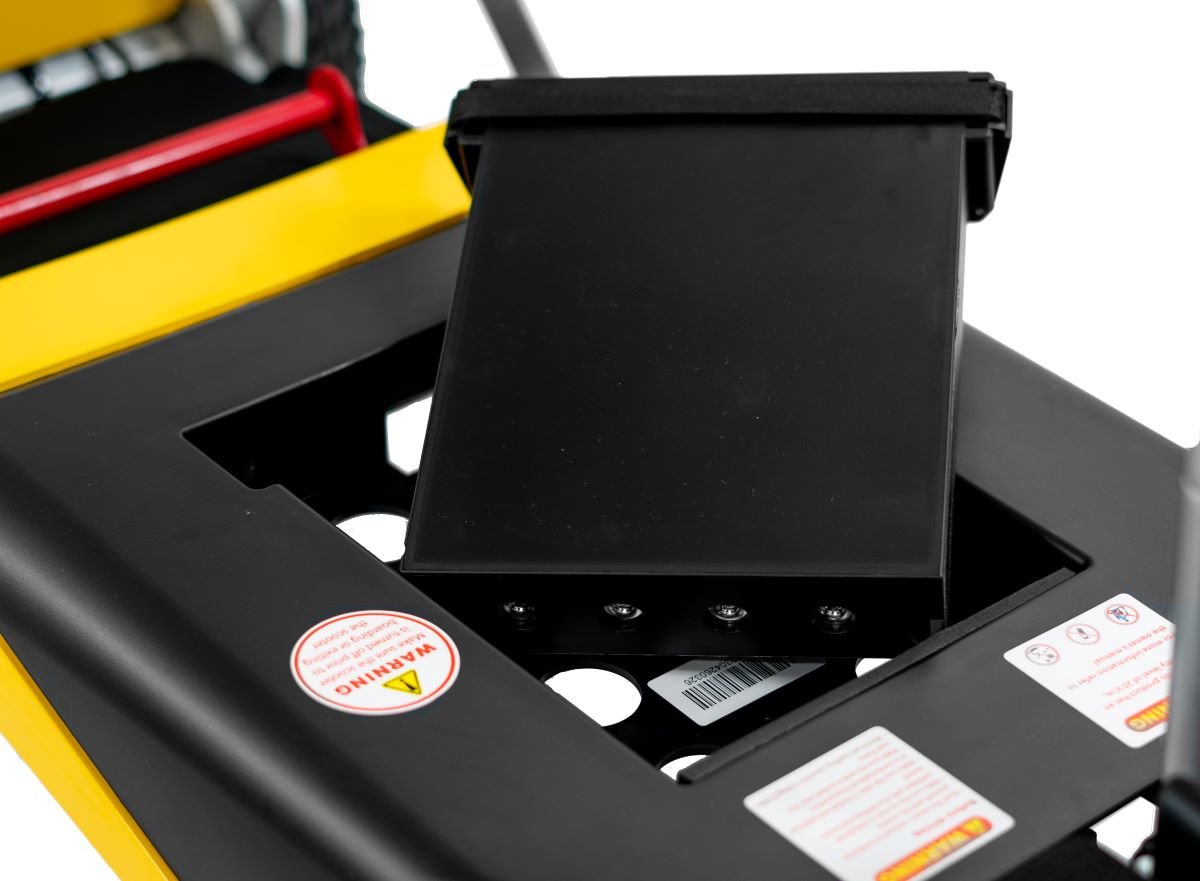
!electric-scooter-lithium-battery-pack-close-up.jpg


发表回复