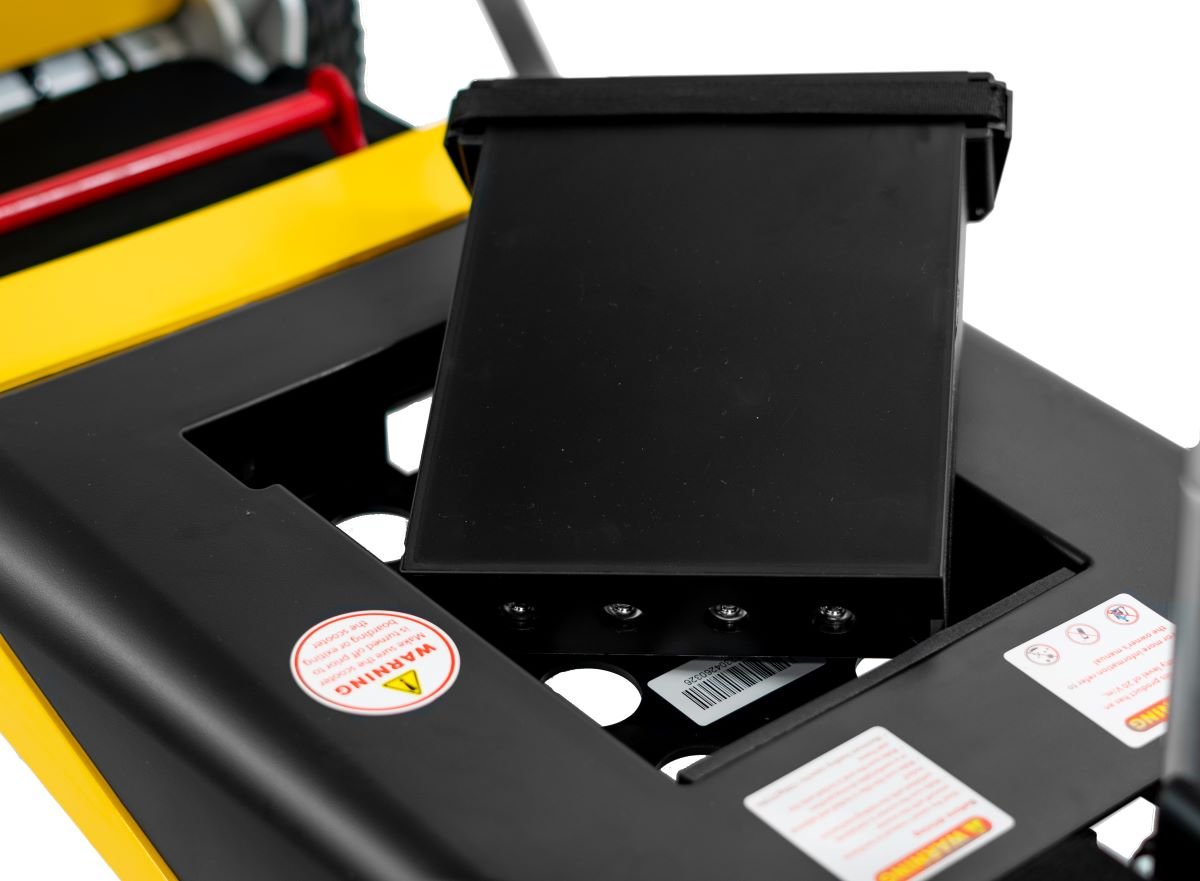
Replaced the Battery But Still Have Poor Range? 4 Other Problems to Check
You bought a brand-new battery, installed it carefully, and charged it fully — but your electric scooter’s range is still disappointing. Before you blame the battery or return it in frustration, there are four hidden culprits that commonly sabotage range even when the battery itself is perfectly healthy. Understanding these mechanical and electrical issues can save you money, keep you safer on the road, and help you recover the performance you expected from your new battery in the first place.
Tire Pressure: The Most Overlooked Range Killer
Tire pressure has a dramatic and direct effect on how far your electric scooter can travel on a single charge. When tires are underinflated, the contact patch with the road expands, dramatically increasing rolling resistance. For electric scooter tires, the optimal pressure range sits between 35 and 40 PSI. Running them at 25 PSI instead of 40 PSI on a typical 15-kilometer daily commute can increase energy consumption by approximately 30 percent. That means a scooter that should deliver 50 kilometers of range on a full charge might only manage 35 kilometers — making you think your new battery is faulty when the real problem is sitting flat in your driveway.
Checking and adjusting tire pressure takes only a couple of minutes with a basic pressure gauge, and it is the single cheapest maintenance action that delivers the most measurable range improvement. Riders in cities like Bangkok frequently encounter potholes and rough road surfaces that gradually lower tire pressure without the rider noticing, especially on the rear wheel which carries more load. It is worth checking tire pressure at least once a week, and always before a long ride. Investing in a portable digital pressure gauge that clips onto your scooter’s storage compartment is a small expense that pays back in range almost immediately.
Controller Overheating: The Silent Performance Throttle
The electronic controller is the brain of your electric scooter, managing the flow of power from the battery to the motor. What many riders do not realize is that heat is the enemy of electronic efficiency. When a controller runs above 80 degrees Celsius, it begins to thermally throttle its output, reducing the torque delivered to the motor and making the scooter feel sluggish and unresponsive even with a fully charged battery. This is not a defect — it is a protective mechanism built into most controllers to prevent permanent damage to the semiconductor components inside.
The most common cause of controller overheating is degraded thermal interface material, commonly known as heat sink paste, between the controller casing and its mounting surface. Over months and years of thermal cycling, this paste dries out and cracks, losing its ability to transfer heat away from sensitive electronics. If you notice your scooter’s acceleration dropping noticeably after the first ten minutes of riding, or if the controller housing feels uncomfortably hot to touch after a moderate ride, thermal paste replacement is worth investigating. The part itself costs between $5 and $15, though labor from a technician may add to the total. For delivery riders in Manila who spend six or more hours per day on their scooters, this is a maintenance item that directly affects earning potential.
Motor Bearing Wear: Friction That Steals Your Kilometers
Motor bearing wear is one of the most insidious range thieves because it develops gradually and the symptoms are easy to dismiss. The bearings inside the electric motor hub allow the rotor to spin with minimal friction. When these bearings wear down due to dust, moisture infiltration, or simply age, the motor rotor begins to drag against surfaces it should not touch. The telltale warning sign is a squeaking, grinding, or rumbling noise that appears when the motor is spinning, particularly at higher speeds.
A scooter with worn motor bearings can consume 10 to 25 percent more energy to maintain the same speed compared to one with properly lubricated bearings. In the worst cases, the added friction can generate enough heat to degrade the magnets inside the motor, permanently reducing the motor’s magnetic efficiency. For riders navigating Bangkok’s notoriously uneven roads, every pothole and curb impact puts stress on motor bearings, accelerating wear. A complete bearing replacement typically costs between $10 and $30 for parts, and it restores the motor to near-original efficiency. Ignoring the problem can eventually require a full motor replacement, which costs ten times as much. If you hear unusual sounds from the motor hub, have them inspected before your next long ride.
Brake Drag: The Hidden Energy Drain
Brake drag refers to the condition where brake pads or shoes maintain partial contact with the braking surface even when you are not applying the brake lever. Even a slight amount of constant contact consumes energy because the motor must work harder to overcome the friction the brakes are creating. In most electric scooters, improperly adjusted brake cables, swollen brake shoes from moisture exposure, or brake mounts that have shifted slightly after rough handling are the usual suspects. The energy penalty from brake drag typically ranges from 10 to 15 percent of total energy consumption, which translates directly into reduced range.
In cities like Lagos where stop-and-go traffic is constant, riders tend to make frequent braking adjustments. This repeated use can gradually pull the brake cable tighter, creating a situation where the pads never fully disengage from the disc or drum. Checking brake clearance is straightforward: lift the scooter, spin the wheel by hand, and observe how freely it rotates. You should be able to spin it with a gentle flick and watch it coast for several revolutions. If it stops within one or two revolutions, brake drag is almost certainly present. Adjusting the cable tension or replacing worn brake shoes resolves the issue. Delivery riders in particular should treat brake adjustment as part of their pre-ride checklist, as small amounts of drag accumulate into significant energy waste over hundreds of kilometers each week.
!electric-scooter-lithium-battery-pack-close-up.jpg

Addressing these four issues will either restore the range your new battery was supposed to deliver or confirm whether the battery itself needs further investigation. In most cases, riders find that at least one of these problems is contributing to their poor range, and fixing it costs a fraction of what a battery replacement would set them back.

发表回复