Electric Scooter Battery Overcharging Risks: Smart Habits to Prevent Damage
If you’ve ever left your electric scooter charger plugged in overnight — or forgotten about it for a few extra hours — you may have noticed the battery getting warm to the touch. That warmth is a warning signal your electric scooter battery overcharging is occurring, and the damage starts long before the battery feels hot. Overcharging is one of the leading causes of premature lead-acid battery failure in electric scooters, responsible for avoidable capacity loss, electrolyte depletion, and in extreme cases, safety hazards. Understanding how to prevent overcharge electric scooter battery damage can add years to your battery’s service life and save you hundreds of dollars in replacement costs.
What Overcharging Does to Lead-Acid Electric Scooter Batteries
Lead-acid batteries are particularly vulnerable to overcharging because of their electrochemical design. When a lead-acid battery reaches full charge — typically around 14.4–14.8V for a 12V unit in bulk/absorption mode — the charging voltage must be reduced to a float level of approximately 13.5–13.8V. If the charger continues to apply bulk charge voltage, the battery enters a sustained overcharge condition. Every overcharge event causes 0.1–0.3% permanent capacity loss due to grid corrosion on the positive plate and electrolyte decomposition. After just 50 overcharge events, that’s 5–15% of your battery’s original capacity gone — irreversible damage that no equalization cycle can reverse.
The primary mechanism of damage is electrolysis. When the charging voltage exceeds the gassing threshold (approximately 14.4V at 25°C for a 12V flooded lead-acid cell), water in the electrolyte breaks down into hydrogen and oxygen gas. This process, called “gassing,” causes the electrolyte level to drop. In sealed AGM batteries, outgassing creates pressure that can deform the cell plates and eventually cause seal failure. For flooded batteries, the water loss means the plates become partially exposed to air, accelerating positive grid corrosion. Grid corrosion is progressive and cumulative — once the positive grid is damaged, it cannot regenerate. The negative plate fares slightly better but suffers from sulfation if the overcharge drives the voltage too high for too long.
Thermal runaway is the most dangerous consequence of prolonged overcharging. As the battery enters sustained overcharge, internal temperatures rise. Lead-acid batteries have a temperature coefficient of approximately −0.0005 V/°C per cell, meaning higher temperatures require lower charging voltage to avoid overcharge. A charger without temperature compensation will push the same voltage regardless of rising battery temperature, accelerating the damage cycle. When internal temperature exceeds 50°C (122°F), the rate of grid corrosion doubles, and the battery can swell, vent, or in rare cases, leak electrolyte. For electric scooter riders who store their scooter indoors, a charger left plugged in overnight in a poorly ventilated area can easily push the battery into this danger zone.
Float Charge vs. Bulk Charge: Knowing the Difference
A quality electric scooter charger uses a multi-stage charging profile, cycling through bulk, absorption, and float stages. Bulk charging delivers maximum current (typically C/10 to C/5 rate) until the battery reaches approximately 80% state of charge. Absorption mode holds the voltage constant (14.4–14.8V for 12V lead-acid) while current gradually decreases as the battery fills. Float mode then drops voltage to 13.5–13.8V, maintaining a full charge indefinitely without gassing. This three-stage profile is the standard for quality chargers because it maximizes charge acceptance during bulk while preventing the electrolyte loss and grid damage that occur during prolonged high-voltage charging.
Not all chargers include float mode. Many inexpensive electric scooter chargers are “dumb” chargers that apply a fixed voltage of approximately 14.4–14.8V indefinitely. If your charger has no automatic shutoff or voltage step-down after 4–8 hours, it is operating in a constant-voltage mode that is not true float charging. The solution is to use a timer-based approach: plug the charger into a mechanical or digital timer set to cut power after the estimated full charge time. For a 20Ah battery at C/10 charge rate (2A), full charge takes approximately 10–12 hours including absorption stage. Setting a timer for 12–14 hours provides a safety margin without sustained overcharge.
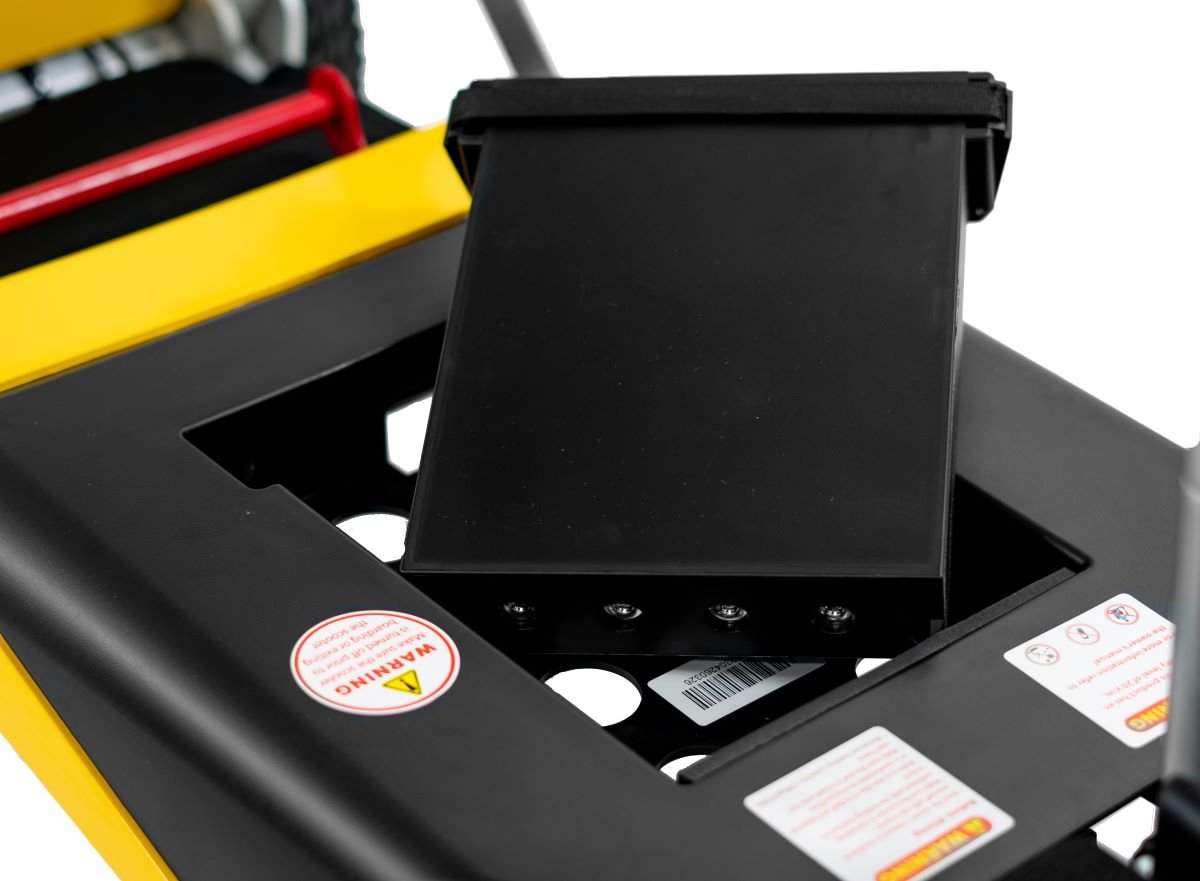
!electric-scooter-lithium-battery-pack-close-up.jpg

Smart Charging Habits That Eliminate Overcharging Risk
The most effective habit is simple: charge your battery to full and disconnect it promptly. For a lead-acid battery, “full” means when the charger indicator turns green or when the charging current drops below C/50 (for a 20Ah battery, below 0.4A). Leaving the charger connected for more than 1–2 hours after reaching full charge begins the overcharge cycle. If you charge overnight, use a timer to disconnect power after 12–14 hours for a standard 20Ah pack. For flooded batteries, check the electrolyte level monthly — if water loss is consistently excessive, your charger voltage may be set too high (above 14.6V absorption voltage at 25°C).
Invest in a smart charger with microprocessor-controlled multi-stage charging. CHISEN smart chargers include automatic float mode, temperature compensation, and desulfation cycles that can actually reverse mild sulfation from partial overdischarges. A quality smart charger costs $30–$60 and protects a $150–$300 battery — a worthwhile investment. Finally, never charge a frozen battery. Charging a frozen lead-acid battery causes rapid electrolyte expansion and cell damage. Store and charge batteries at temperatures between 10°C and 30°C (50°F–86°F) for optimal longevity and safety.

发表回复